







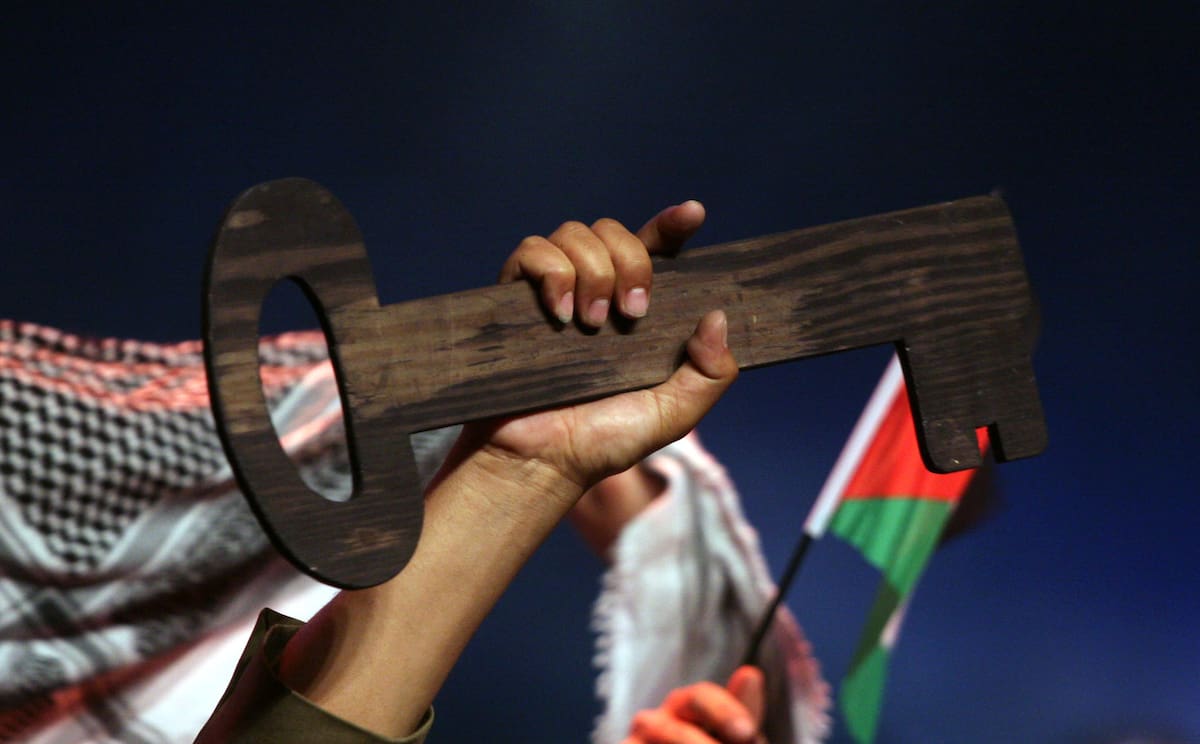
The visible absence of the Palestinian Liberation Organization from the ongoing Unity Intifada has led many to question the organization’s legitimacy and relevance. Do Palestinians still need the PLO? If so, why?
These questions come as Al-Shabaka publishes a critical study, “Reviving a Palestinian Power: The Diaspora and the Diplomatic Corps,” conducted by analysts Nadia Hijab, Zaha Hassan, Inès Abdel Razek and Mona Younis. Through in-depth analysis and exclusive interviews with members of the PLO and its diplomatic corps across the world, the authors reveal significant realities about the organization and its future.
Join guests Nadia Hijab, and Zaha Hassan alongside host Nadim Bawalsa as they engage these questions and more in this policy lab.

Zaha Hassan is a human rights lawyer and visiting fellow at the Carnegie Endowment for International Peace. Her research focuses on Palestine-Israel peace, the use of international legal mechanisms by political movements, and U.S. foreign policy in the region. She previously served as coordinator and senior legal advisor to the Palestinian negotiating team during Palestine’s bid for UN membership from 2010-2012. She received her J.D. from the University of California at Berkeley and an LLM in Transnational & International Law from Willamette University.
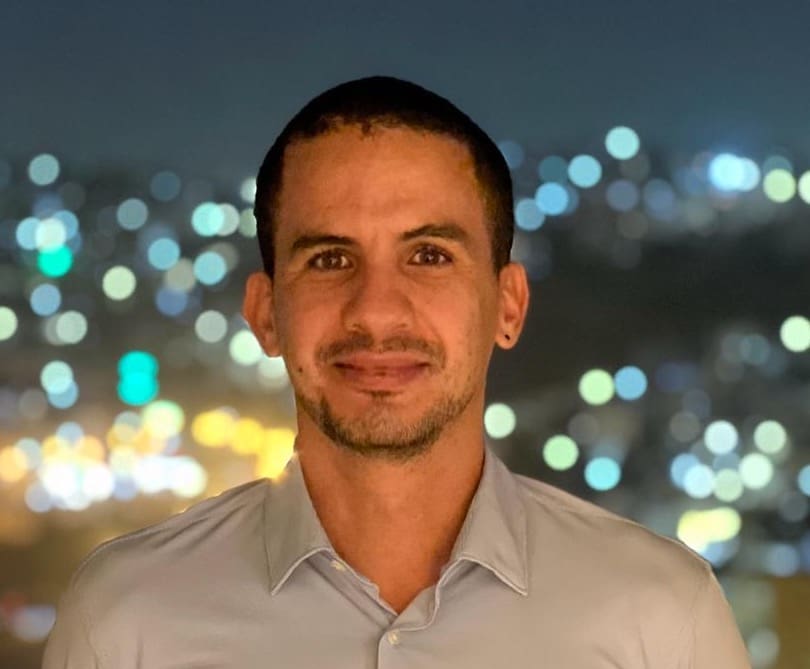
Nadim Bawalsa is Associate Editor with the Journal of Palestine Studies. From 2020-2023, Nadim served as Al-Shabaka’s commissioning editor. He is a historian of modern Palestine, and author of Transnational Palestine: Migration and the Right of Return before 1948 (Stanford University Press, 2022). His other work has appeared in the Jerusalem Quarterly, the Journal of Palestine Studies, NACLA Report on the Americas, and as well as in edited volumes. He earned a joint doctorate in History and Middle Eastern & Islamic Studies from New York University in 2017, and a Master’s in Arab Studies from Georgetown University’s Center for Contemporary Arab Studies in 2010. In 2019-2020, he was awarded a PARC-NEH fellowship in Palestine.
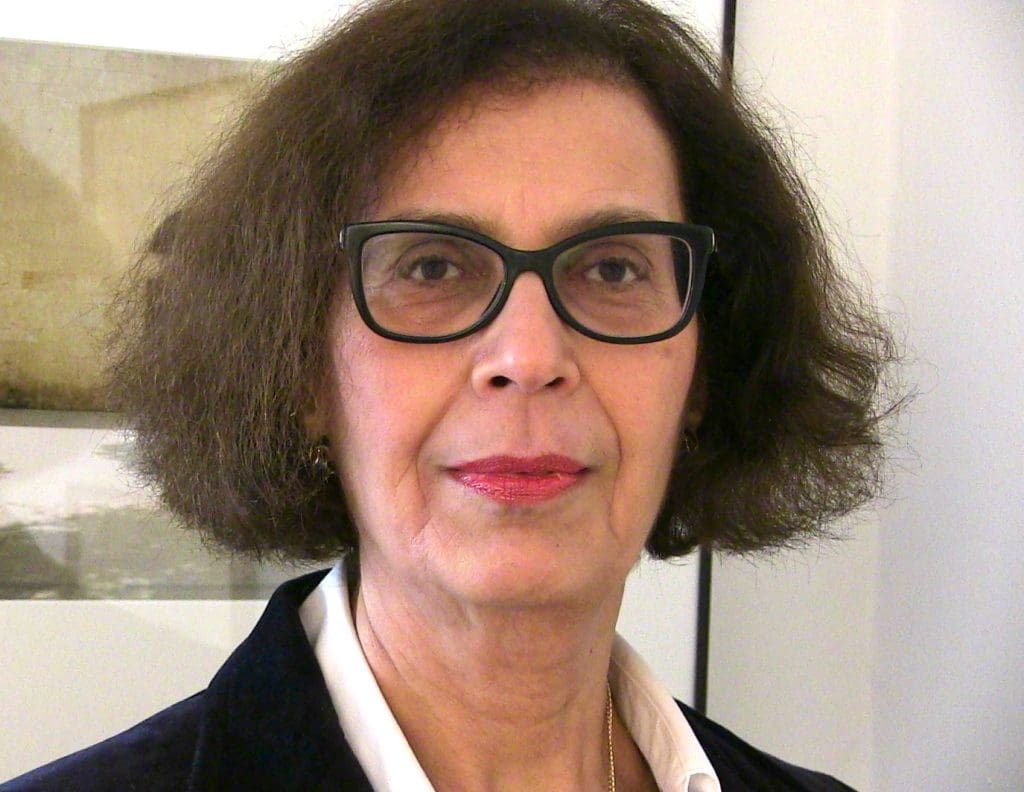
Nadia Hijab is co-founder and honorary president of Al-Shabaka: The Palestinian Policy Network. She served as Board President from 2010-2021 and as Executive Director between 2011 and March 2018. A writer, public speaker and media commentator, Hijab’s first book, Womanpower: The Arab Debate on Women at Work was published by Cambridge University Press and she co-authored Citizens Apart: A Portrait of Palestinians in Israel (I. B. Tauris). She was Editor-in-Chief of the London-based Middle East Magazine before serving at the United Nations in New York. She is a co-founder and former co-chair of the US Campaign for Palestinian Rights and now serves on its advisory board. She continues to serve Al-Shabaka in an advisory capacity and support its mission.