





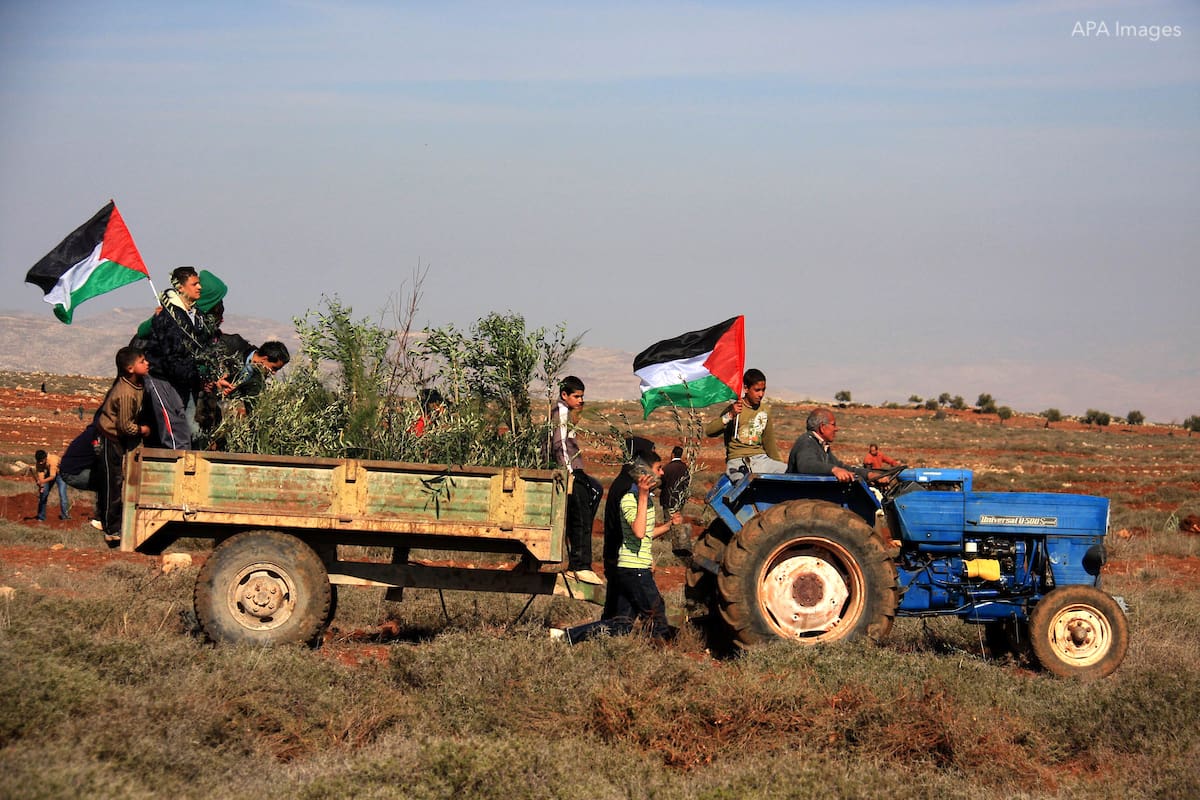
Historic Palestine has long had an abundance of natural resources, ranging from fresh and ground water, arable land and, more recently, oil and natural gas. In the seven decades since the establishment of the state of Israel, these resources have been compromised and exploited through a variety of measures. These include widespread Palestinian dispossession of land in the ongoing Nakba, exploitation of water through failed negotiations, and a finders-keepers approach to gas and oil found in or under occupied land.
In this collection of analysis, Al-Shabaka experts provide insight into a range of issues related to Palestinian natural resources, from their theft by Israel to the deleterious effects of climate change and its intersection with the Israeli occupation. The Intergovernmental Panel on Climate Change predicts a warming in the southern and eastern Mediterranean between 2.2 and 5.1°C over the twenty-first century – a higher rate than the global average. This will lead to highly disruptive, if not catastrophic, changes to the region’s climate, including increased desertification. As climate change intensifies, natural resources will only become more precious.
These pieces show how the politicization of Palestinian resources — namely the myriad of Israeli impediments that prevent Palestinians from accessing and benefiting from their own natural resources — disrupts an already fragile geopolitical situation and exacerbates already dire Palestinian living conditions. The authors also put forward recommendations on how to change this untenable status quo.
Water as a Weapon
Drying Palestine: Israel’s Systemic Water War
By Muna Dajani
Israel’s decades-long water war against Palestinians often goes unnoticed by the international community. Tracing three different battlefronts, Muna Dajani looks at how military strikes, security programs, and permit systems destroy Palestinian water infrastructure and local resource-management systems, and calls for change. Read more…
The “Apolitical” Approach to Palestine’s Water Crisis
By Muna Dajani
Though Palestine’s water scarcity is often portrayed as natural due to the region’s climate, it is a man-made crisis engineered by Israel. Muna Dajani examines how international donors shore up this inequality through infrastructure projects and scientific collaboration with Israel, and suggests ways Palestinians can push for just solutions to the water crisis. Read more…
The Discovery of Oil and Gas
How Israel Uses Gas to Enforce Palestinian Dependency and Promote Normalization
By Tareq Baconi
The Israeli occupation does not only exist above ground. Tareq Baconi examines how Israel enjoys a gas bonanza while barring the Gaza Strip from tapping its own fields. He argues that Palestinian dependency on Israeli energy amidst US calls for “economic peace” undermines Palestinian rights, and puts forth recommendations to challenge this status quo. Read more…
The Gas Fields off Gaza: A Gift or a Curse?
By Victor Kattan
Twenty years after the discovery of gas fields off the coast of the Gaza Strip, efforts to develop them remain deadlocked. Meanwhile, the besieged Strip suffers prolonged power cuts and the Palestinian economy bears a huge financial cost — as do the Western taxpayers keeping it afloat. Victor Kattan discusses the actors and amounts involved as well as the reasons why the project has stalled, and recommends policy options to break the deadlock. Read more…
“Oil. Religion. Occupation. … A Combustible Mix”
By Victor Kattan
Victor Kattan argues that an independent Palestinian state could be self-sufficient and less reliant on aid if freed of Israeli control over Palestinian natural resources, particularly natural gas off the coast of the Gaza Strip and the oil fields of the West Bank. Kattan dissects documents released by the UK Foreign and Commonwealth Office that reveal Israel’s efforts to exploit these resources, and explores their implications for Palestinian leaders. Read more…
The Struggle Over Land
Farming Palestine for Freedom
By Samer Abdelnour, Alaa Tartir, Rami Zurayk
For Palestinians, agriculture is more than a source of income or an economic category in budgets and plans: It is tied to the people’s history, identity, and self-expression, and drives the struggle against Israel’s Separation Wall. Rami Zurayk, Samer Abdelnour, and Alaa Tartir tackle the almost spiritual significance of the land to the Palestinians and Israeli efforts to break the link between farmers and their crops. Read more…
Palestinian Farmers: A Last Stronghold of Resistance
By Vivien Sansour, Alaa Tartir
Israel’s brutal crackdowns on Palestinians living under its occupation dominate the news, but other longer-term trends are also worrying. The Palestinian Authority is confiscating more and more land from Palestinian farmers to build industrial zones, which strips farmers of their right to grow their own food and further increases Palestinian dependency on Israel. Vivien Sansour and Alaa Tartir argue that sustained community efforts are needed to preserve one of Palestinians’ most important elements of resistance. Read more…
Climate Change as a Threat Multiplier
Climate Change, the Occupation, and a Vulnerable Palestine
By Zena Agha
Palestinians are particularly vulnerable to the effects of climate change due to the Israeli occupation. Zena Agha examines how Israel’s appropriation of Palestinian natural resources and restrictions on movement prevents Palestinians from pursuing climate change adaption, and lays out options available to those in the West Bank and Gaza Strip. Read more…
Climate Change and the Palestinian Authority
By Zena Agha
Despite Palestinians and Israelis inhabiting the same terrain, Palestinians will suffer the effects of climate change more severely. Zena Agha examines how the Israeli occupation prevents the Palestinian Authority from supporting climate change adaptation, and recommends ways to strengthen its ability to counter the climate crisis. Read more…
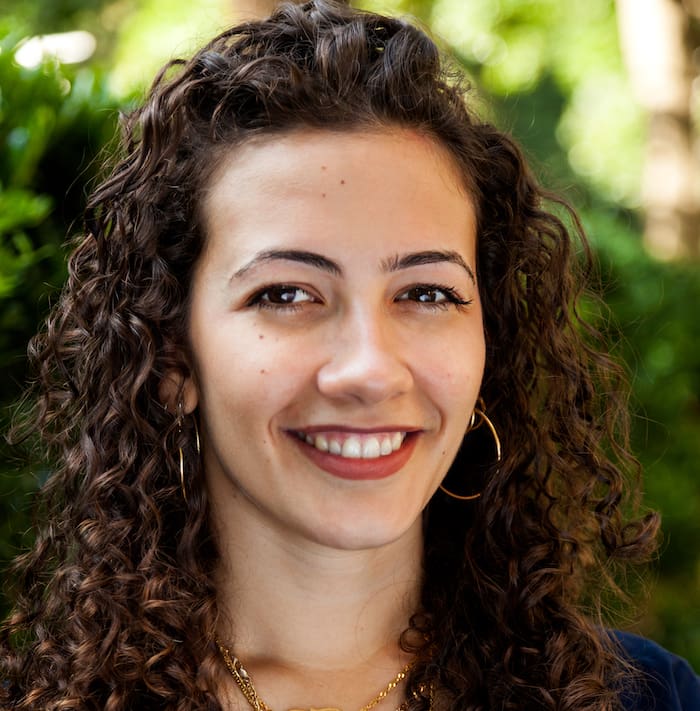
Zena Agha is the Interim Director of the British Palestinian Committee. She previously served as Al-Shabaka’s US Policy Fellow (2017–2019), where her research focused on Israeli spatial practices, climate change, and Palestinian adaptive capacities. She was awarded the Kennedy Scholarship to pursue an MA in Middle Eastern Studies at Harvard University and holds a PhD from Newcastle University, where her research examined colonial cartography in Palestine. Her writing has appeared in The New York Times, Foreign Policy, The Nation, The Independent, Foreign Affairs, NPR, and El País.
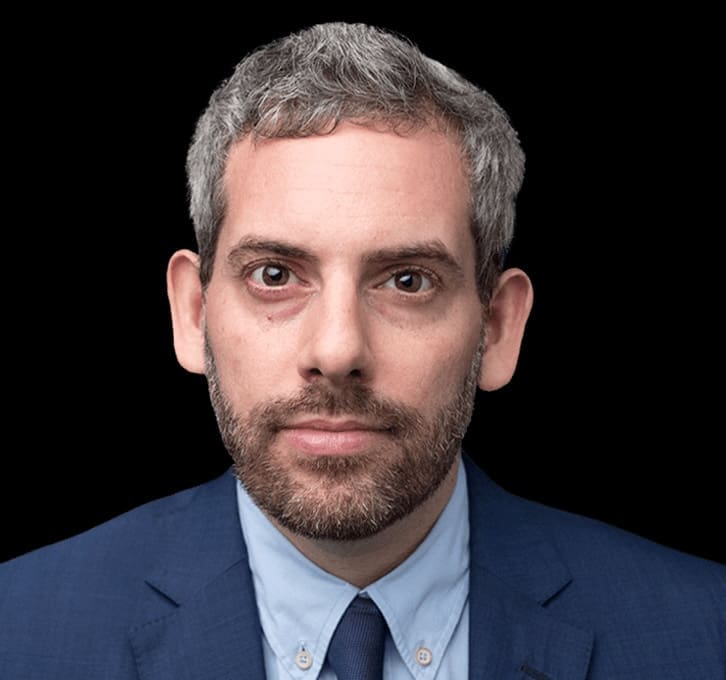
Victor Kattan is Assistant Professor in Public International Law at the University of Nottingham School of Law and deputy director of the Nottingham International Law and Security Centre. He is the author of From Coexistence to Conquest: International Law and the Origins of the Arab-Israeli Conflict, 1891–1949 (Pluto Press, 2009) and has co-edited volumes including Making Endless War: The Vietnam and Arab-Israeli Conflicts in the History of International Law (Michigan University Press, 2023). His scholarship has been cited by the Office of the Prosecutor of the International Criminal Court and judges of the International Court of Justice. He holds a PhD in international law from SOAS and previously served as legal adviser to the Palestinian Negotiations Affairs Department in Ramallah and as a Senior Research Fellow at the National University of Singapore’s Middle East Institute.

Vivien Sansour is a writer, producer, and photographer living in Beit Jala. She has worked with farmers in the field for over six years, capturing their stories for the wider world. She is currently a doctoral candidate for the College of Agriculture and Life Sciences at North Carolina State University.
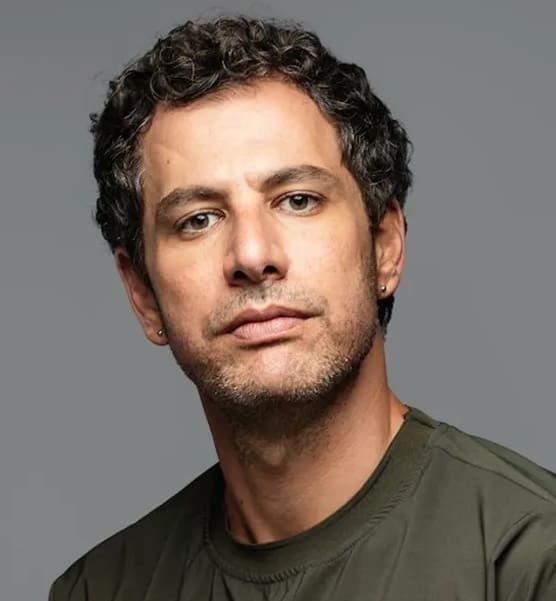
Tareq Baconi serves as the president of the board of Al-Shabaka. He was Al-Shabaka’s US Policy Fellow from 2016 – 2017. Tareq is the former senior analyst for Israel/Palestine and Economics of Conflict at the International Crisis Group, based in Ramallah, and the author of Hamas Contained: The Rise and Pacification of Palestinian Resistance (Stanford University Press, 2018). Tareq’s writing has appeared in the London Review of Books, the New York Review of Books, the Washington Post, among others, and he is a frequent commentator in regional and international media. He is the book review editor for the Journal of Palestine Studies.
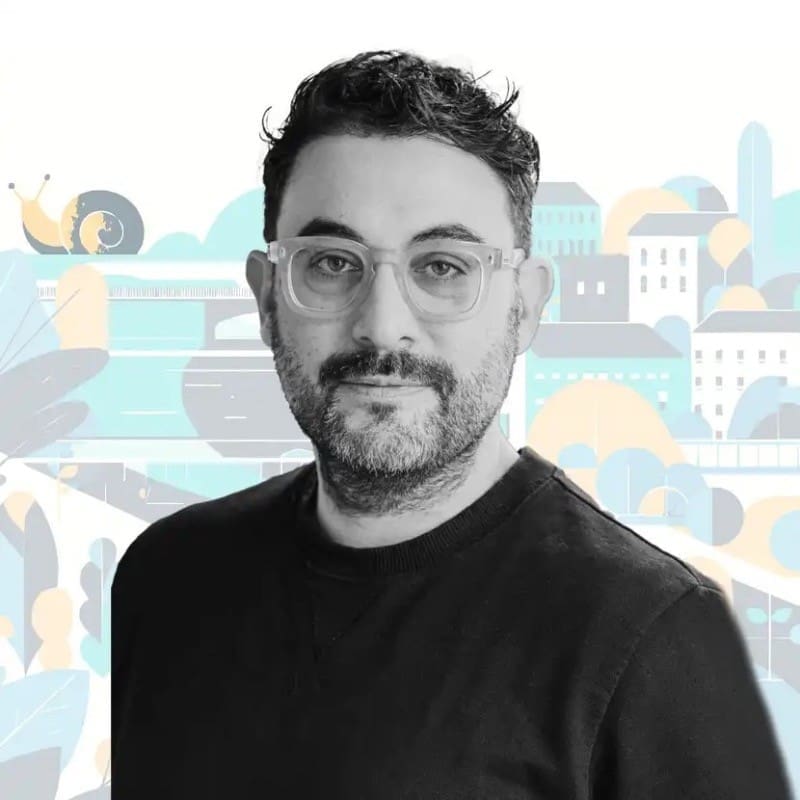
Samer Abdelnour is an academic and activist. He co-founded Al-Shabaka in 2009 and served as a founding board member until 2016.

Rami Zurayk is professor of Ecosystem Management in the Faculty of Agricultural and Food Sciences at the American University of Beirut (AUB), and author of Food, Farming and Freedom: Sowing the Arab Spring, and War Diary: Lebanon 2006, among other titles. He is a longtime activist for political and social justice. Zurayk’s current research focuses on the relationship between landscapes and livelihoods, on food politics, and on local food systems. After the July 2006 Israeli war on Lebanon, he created a post-war development program, Land and People, to aid in livelihood recovery. He blogs at “Land and People” and tweets at @ramizurayk.
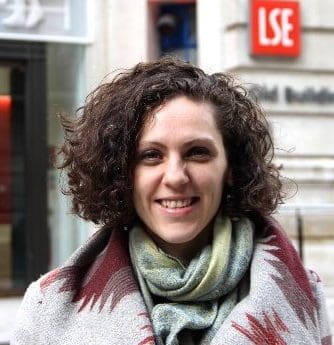
Muna Dajani is a Fellow in Environment at the Department of Geography and Environment at the London School of Economics, where she also completed her PhD. Her research draws on critical political ecology to examine water and land governance under settler colonialism, with a focus on Palestine and the occupied Syrian Golan Heights. She is the lead editor of The Untold Story of the Golan Heights (I.B. Tauris, 2021) and has published in Political Geography, Antipode, Environment and Planning E, and Water Alternatives. She previously held research positions at Lancaster University and the University of East Anglia’s Water Security Research Centre.
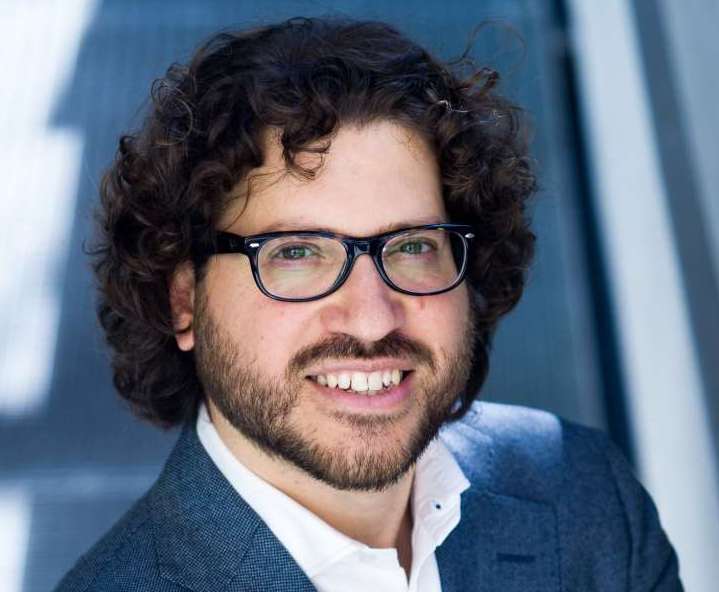
Alaa Tartir is Al-Shabaka’s program and policy advisor. He is a senior researcher and director of the Middle East and North Africa Programme at Stockholm International Peace Research Institute, as well as a research associate and academic coordinator at the Geneva Graduate Institute, global fellow at the Peace Research Institute Oslo, and governing board member of the Arab Reform Initiative. Alaa holds a PhD from the London School of Economics and Political Science and is co-editor of Resisting Domination in Palestine: Mechanisms and Techniques of Control, Coloniality and Settler Colonialism (2023), Political Economy of Palestine: Critical, Interdisciplinary, and Decolonial Perspectives (2021) and Palestine and Rule of Power: Local Dissent vs. International Governance (2019). He can be followed on Twitter (@alaatartir), and his publications can be accessed at www.alaatartir.com.