
Topics
See our analysis on civil society and how it shapes culture, politics, and policies
Read our insights on the shifting political landscape and what it means for Palestine
Learn more about the policies and practices shaping the Palestinian economy
Strengthen your understanding of the unique conditions for Palestinian refugees across the Middle East
Analysis
In-depth analysis on existing or potential policies that impact possibilities for Palestinian liberation.
Insights and perspectives on social, political, and economic questions related to Palestine and Palestinians globally.
Concise analysis into a specific policy, its background and implications.
Commentary that brings together insights from multiple analysts.
Compilations of past Al-Shabaka works surrounding a specific theme.
Longer-form, ad hoc projects that seek to confront research questions outside the scope of our regular analysis.
A policy-driven research initiative by Al-Shabaka: The Palestinian Policy Network.
Our monthly webinar series that brings together Palestinian experts.
Featured






From invasive surveillance systems to social media censorship, Israeli violations of Palestinians’ digital rights have increased, especially since the 2021 Unity Intifada and the rise in global solidarity with Palestinians. Which local, regional, and global factors are impacting this troubling development? What role does Israel play in activating and circulating these repressive mechanisms? Are there positive aspects to these realities which could be employed in movement building?
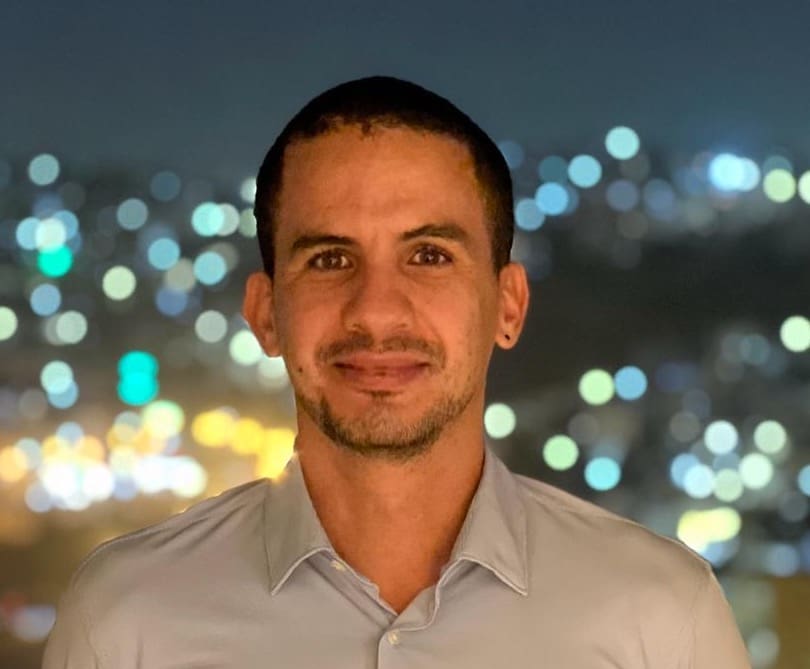
Al-Shabaka policy analyst Nadim Nashif and digital rights activist Raya Sharbain joined us for a discussion with host Nadim Bawalsa about resisting the repression of digital rights in Palestine and beyond.
Nadim Bawalsa is Associate Editor with the Journal of Palestine Studies. From 2020-2023, Nadim served as Al-Shabaka’s commissioning editor. He is a historian of modern Palestine, and author of Transnational Palestine: Migration and the Right of Return before 1948 (Stanford University Press, 2022). His other work has appeared in the Jerusalem Quarterly, the Journal of Palestine Studies, NACLA Report on the Americas, and as well as in edited volumes. He earned a joint doctorate in History and Middle Eastern & Islamic Studies from New York University in 2017, and a Master’s in Arab Studies from Georgetown University’s Center for Contemporary Arab Studies in 2010. In 2019-2020, he was awarded a PARC-NEH fellowship in Palestine.
Al-Shabaka Policy Member Nadim Nashif is the executive director and co-founder of 7amleh: The Arab Center for the Advancement of Social Media. Nadim is a committed Digital Rights Defender and long time community organizer, who has worked on youth and community development issues for over 20 years. Nadim founded and previously served as director of Baladna, The Association for Arab Youth. He founded and coordinated the youth wing of the Balad political party before becoming Director at the Committee for Educational Guidance for Arab students. He is also the co-founder of Wusol Digital Academy, a digital marketing educational center.
As the only global Palestinian think tank, we’re working hard to respond to rapid developments affecting Palestinians, while remaining committed to shedding light on issues that may otherwise be overlooked.
Join Al-Shabaka’s mailing list and find the latest Palestinian policy analysis in your inbox: