





Liberal Zionism: A Veneer for Settler Colonialism
The transcript below has been lightly edited for brevity and clarity. Muhannad Ayyash 0:00 Liberal Zionism didn’t create something out of nothing. They simply followed the playbook that was already established by Euro-American colonial, imperial, and settler colonial projects. They basically fall squarely into that phenomenon that decolonial scholars will call colonial modernity. Yara Hawari […]
Corporate Accountability in Palestine: Grassroots Strategies
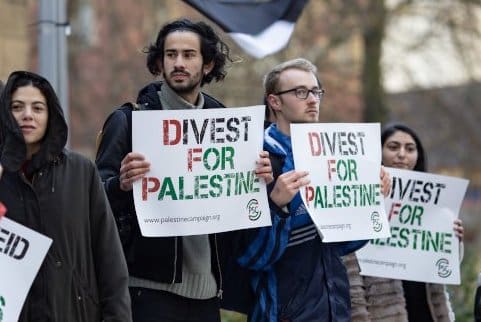
In recent years, Palestine solidarity activists have pressured corporations to end their complicity in the Israeli regime’s violations of Palestinians’ rights.
Challenging Anti-Boycott Legislation in the US
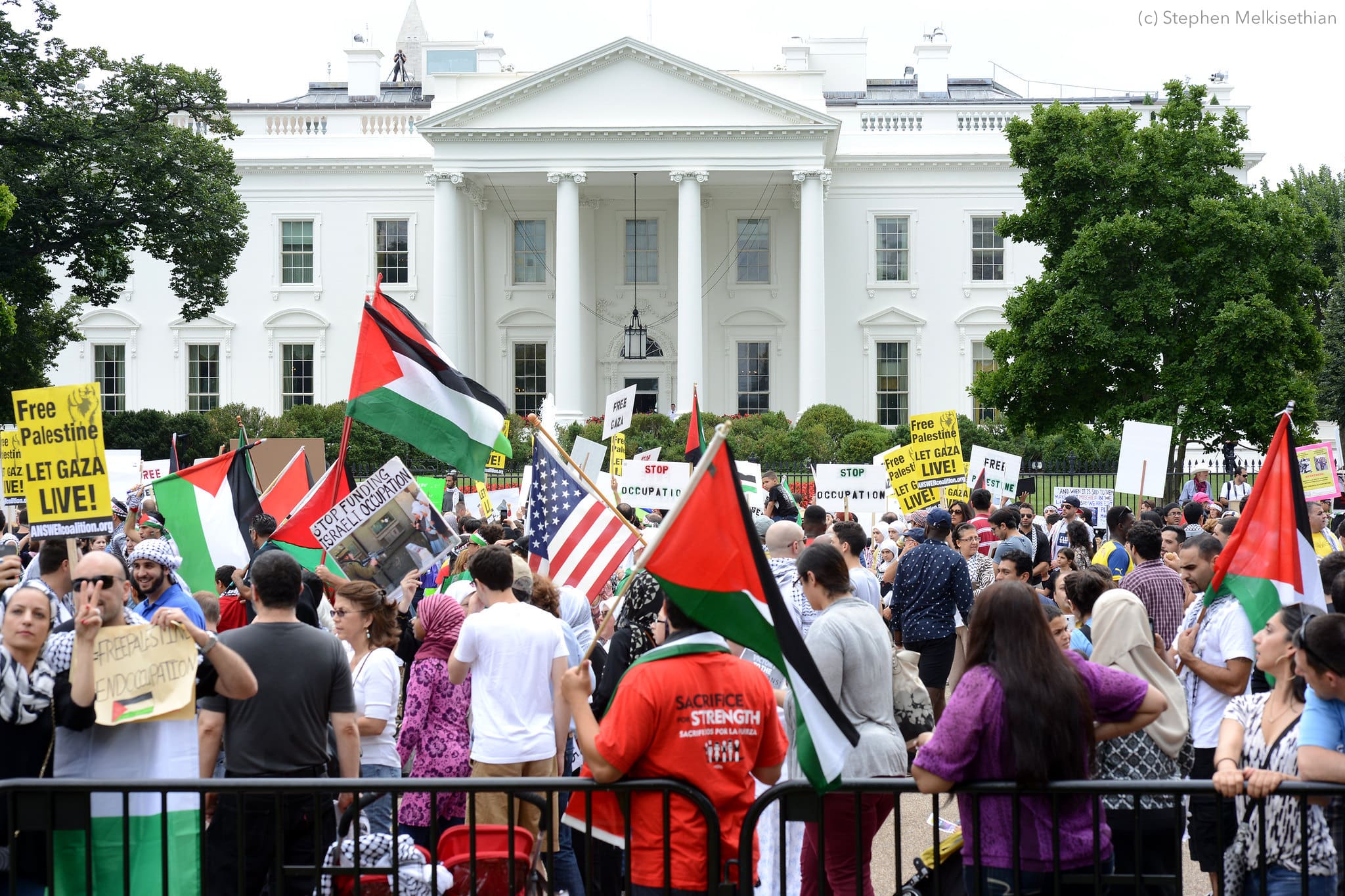
The Israeli regime’s defenders across the US are ramping up efforts to criminalize the constitutionally protected right to boycott. Beyond violating the rights of Palestine solidarity activists, this threatens to undermine the tenets of a healthy democracy. Al-Shabaka’s US Policy Fellow, Tariq Kenney-Shawa, examines this development and suggests what lawmakers, civil society organizations, and concerned citizens should do to challenge it.
Defending Palestine Solidarity Activism in Europe
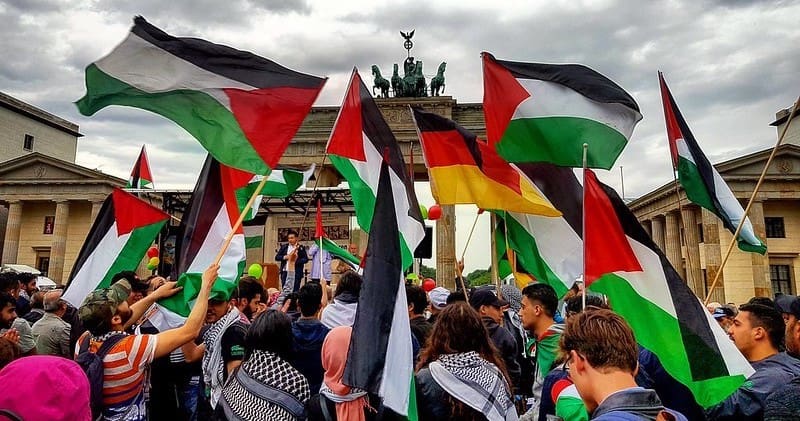
The governments of France, Spain, and Germany have ramped up efforts to repress Palestine solidarity activism. Palestinians and their allies in these countries are facing more legal measures to criminalize their rights to boycott and critique the Israeli regime than ever before. How does each context differ? What is at stake for Palestinians and their […]
Environmental Normalization in Palestine with Inès Abdel Razek
The transcript below has been lightly edited for brevity and clarity. Inès Abdel Razek 0:00 These projects are not new. The people-to-people projects have been actively promoted and millions have been poured into them after the Oslo agreements. But it has shown that it has not worked, because we’re here today and Israel has only […]
Lawfare and Palestine: Strategies for Resisting Criminalization
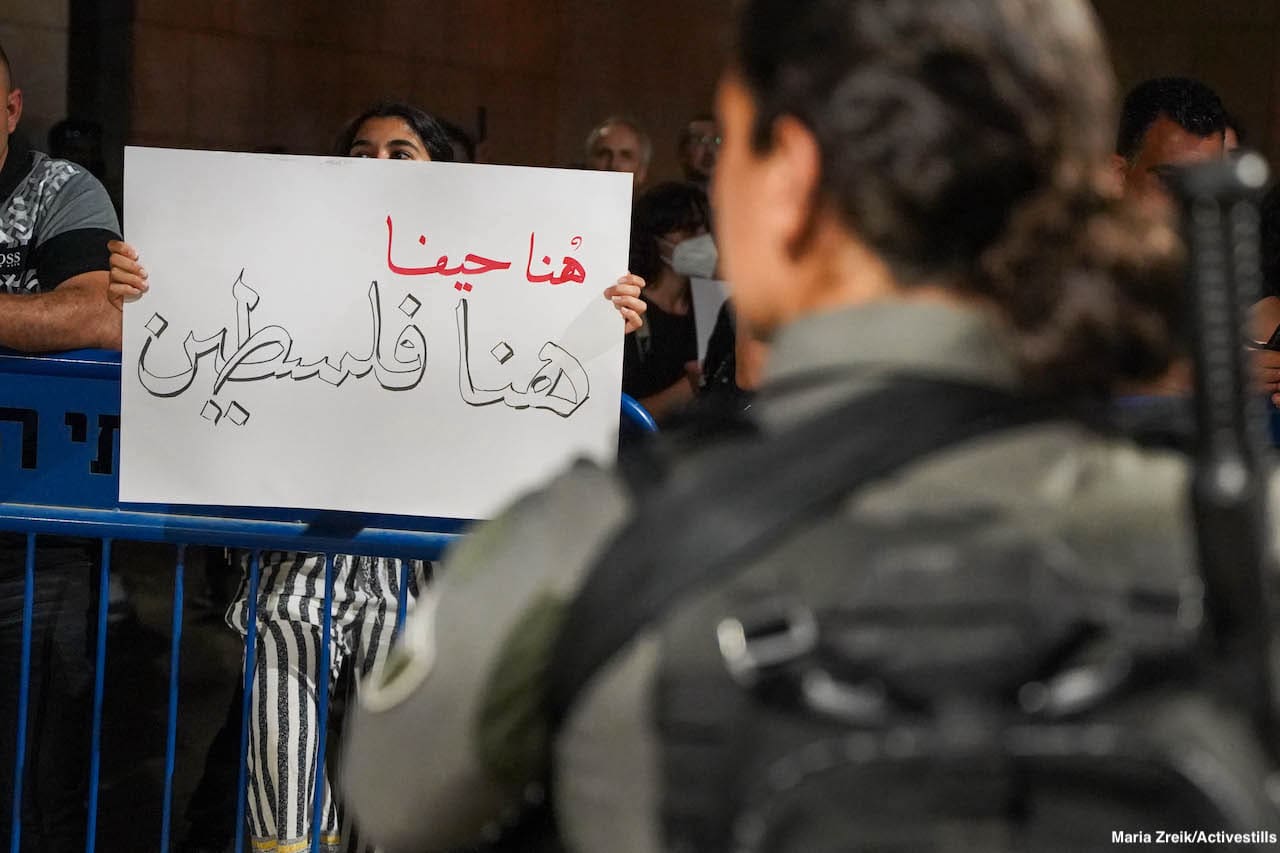
Israel’s recent criminalization of six Palestinian human rights organizations has sparked global outcry. But this tactic fits into a global trend of lawfare led by right-wing and conservative governments, including in the US and Europe, against activists and grassroots organizers. it must be actively resisted politically and legally. On the anniversary of the First Intifada, […]
Exposing Colonial Peace-Building from Palestine to Ireland
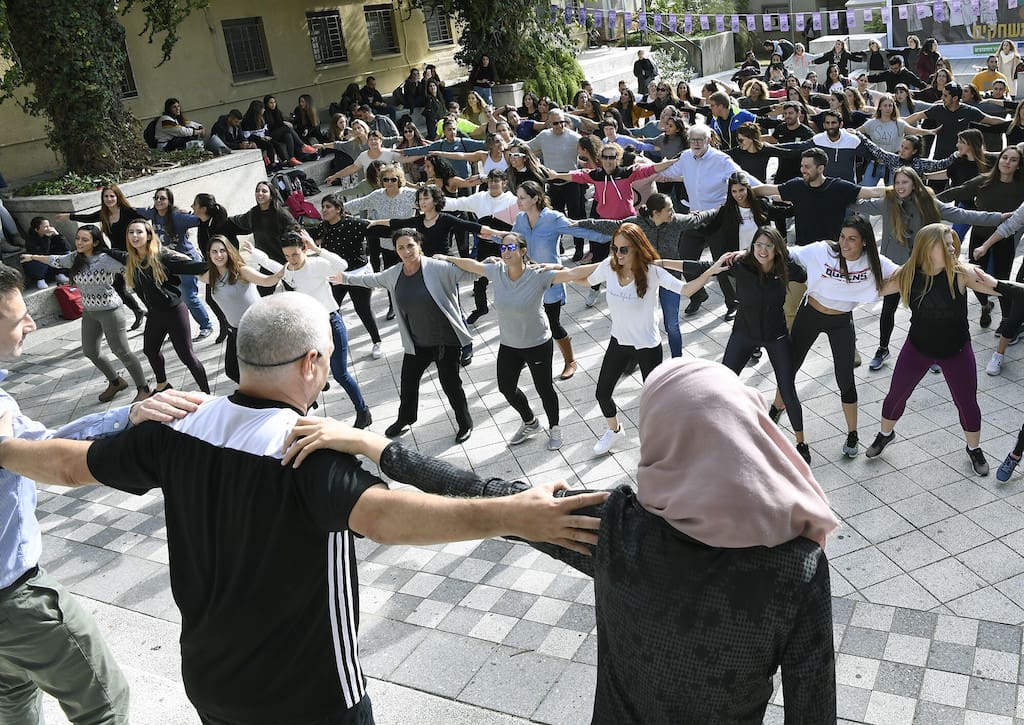
The frameworks of peace-building in Palestine and Ireland are profoundly problematic in the context of continued colonization. Over the last few years, western donors and policymakers have been reviving peace-building in Palestine through people-to-people projects.
Restricting US Military Aid to Israel in the Age of Normalization
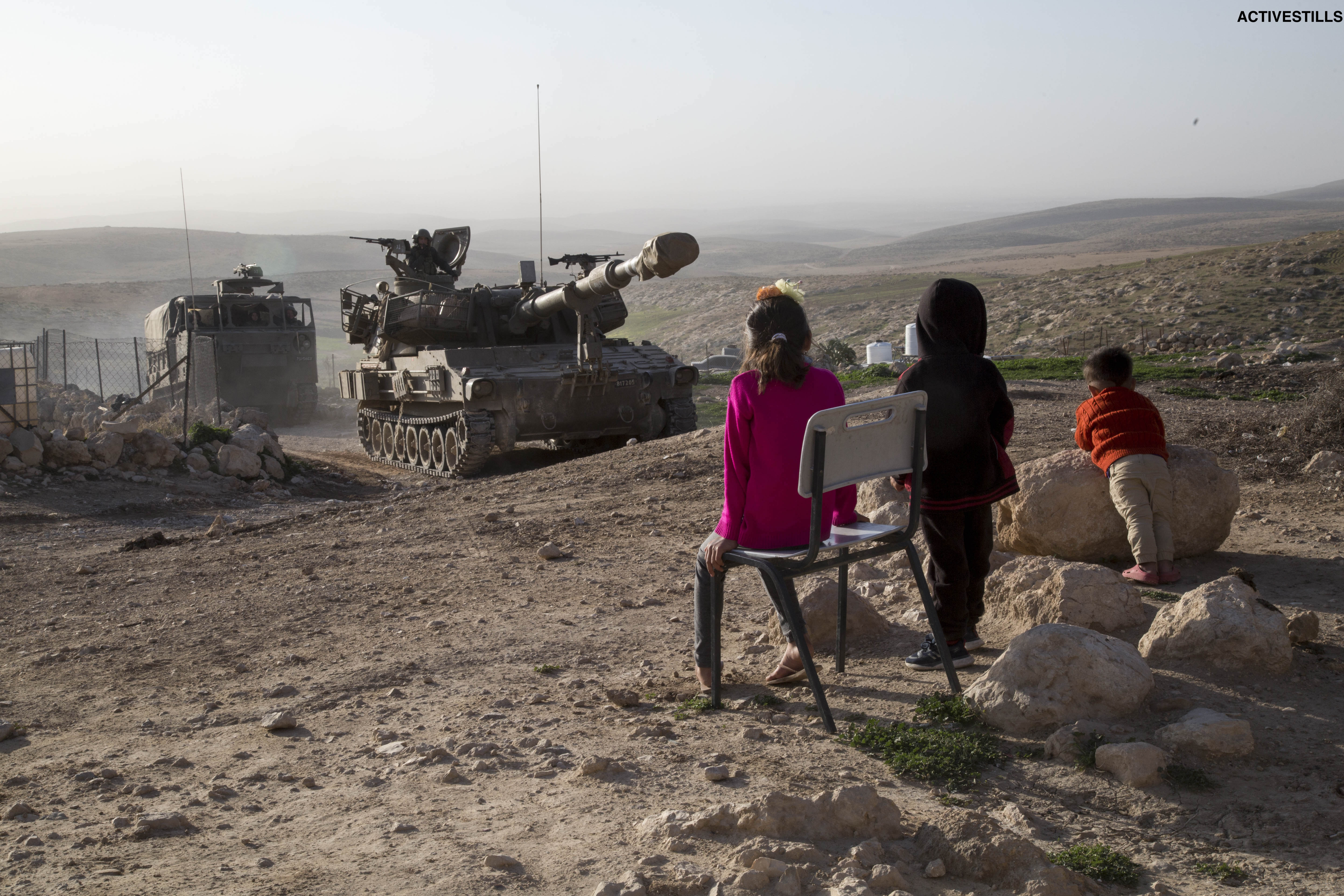
With the rise in global solidarity with Palestinians since the May 2021 Unity Intifada, United States policymakers and activists are calling for conditioning and halting US military aid to Israel. Al-Shabaka’s US policy fellow, 24507, examines this shifting tide and offers recommendations for how policymakers, lobbyists, and the international community can seize on this historic moment in the defense of Palestinian rights.
A Century of Colonial Mapping in Palestine with Zena Agha
The transcript below has been lightly edited for brevity and clarity. Zena Agha 0:00 The Hebrew map was, and very much continues to be, an exercise in state formation. It’s a kind of living, breathing document of settler colonialism, where Zionist ideology is really infused with and folded into the spatial practices and the spatial […]