

The Policy NetworkOur Members
Policy members are Al-Shabaka’s foundation of expertise, talent and commitment. They contribute to Al-Shabaka’s work in a variety of ways, including original analysis, media engagement, and policy outreach. Unless otherwise stated, policy members have non-resident affiliation with Al-Shabaka; they are not employees of the organization and Al-Shabaka is not responsible for, nor involved in, their other professional activities.
Maha Abdallah is a graduate teaching assistant and a PhD researcher in the Faculty of Law, University of Antwerp. Her research investigates Zionism, settler colonialism, and the genocide of the Palestinian people. She has authored and co-authored academic papers, reports, and articles on international law and human rights, including in relation to business and human rights in occupied territory, and has carried out advocacy with Palestinian civil society. She holds an LL.M. in International Human Rights Law from the Irish Centre for Human Rights. Maha is born and raised in occupied Jerusalem.
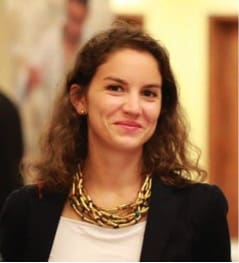
Inès Abdel Razek is the Co-Director of the Palestine Institute for Public Diplomacy (PIPD) and its digital platform Rabet, an independent Palestinian organization focusing on international mobilization and digital campaigning for Justice, Freedom and Equality. From 2019 to 2022, Inès was the Advocacy Director of the PIPD, helping to develop the political networks and international advocacy pillar of the organization. Prior to joining the PIPD, Inès held policy advisor positions in the Union for the Mediterranean in Barcelona, the UN Environment Programme in Nairobi and the Palestinian Prime Minister’s Office in Ramallah, where she advised executive leadership on international aid for development policies. Inès is also a board member of the social enterprise BuildPalestine, Advisory board member of Palestine DeepDive, and policy member at Al-Shabaka, the Palestinian Policy Network. She holds a Master’s degree in Public Affairs from Sciences-Po, Paris. Twitter: @InesAbdelrazek
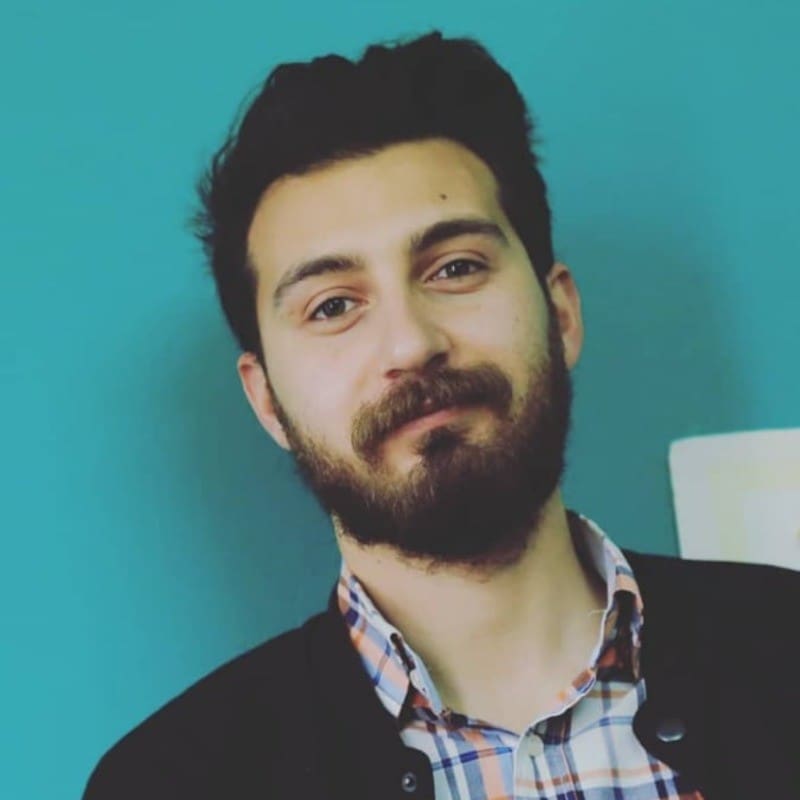
Ali Abdel-Wahab is a data analyst and policy researcher with over 8 years of experience in monitoring, evaluation, accountability, and learning (MEAL) in the humanitarian sector. He holds a bachelor’s degree in computer science and applies computational social science and political economy frameworks to his research on Palestinian governance, digital domination, and reconstruction agendas. Ali has authored over 32 policy papers and reports, including work cited in the UN Special Rapporteur’s 2025 report on freedom of expression.
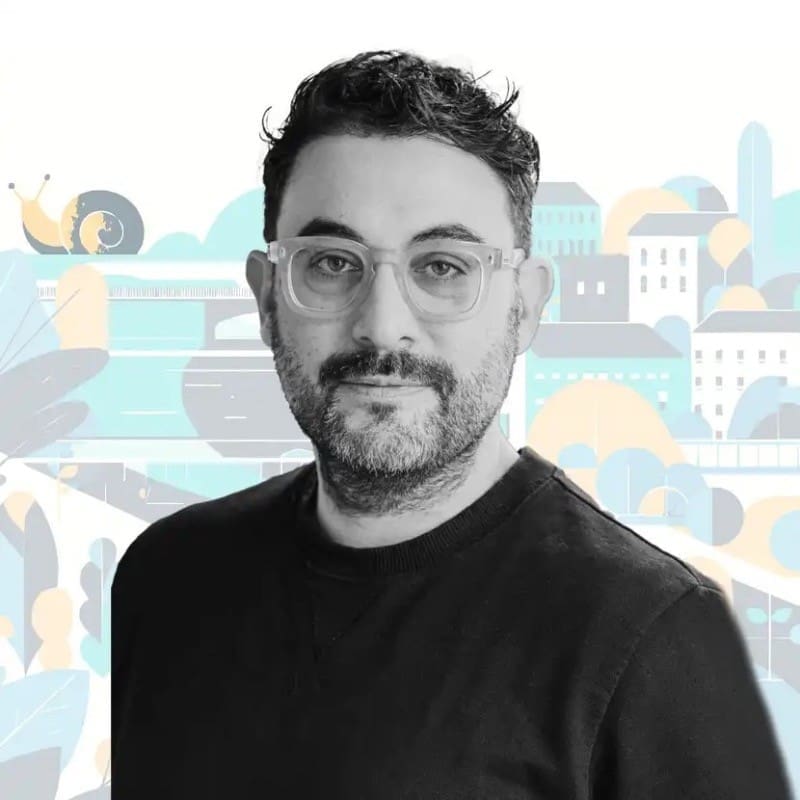
Samer Abdelnour is an academic and activist. He co-founded Al-Shabaka in 2009 and served as a founding board member until 2016.
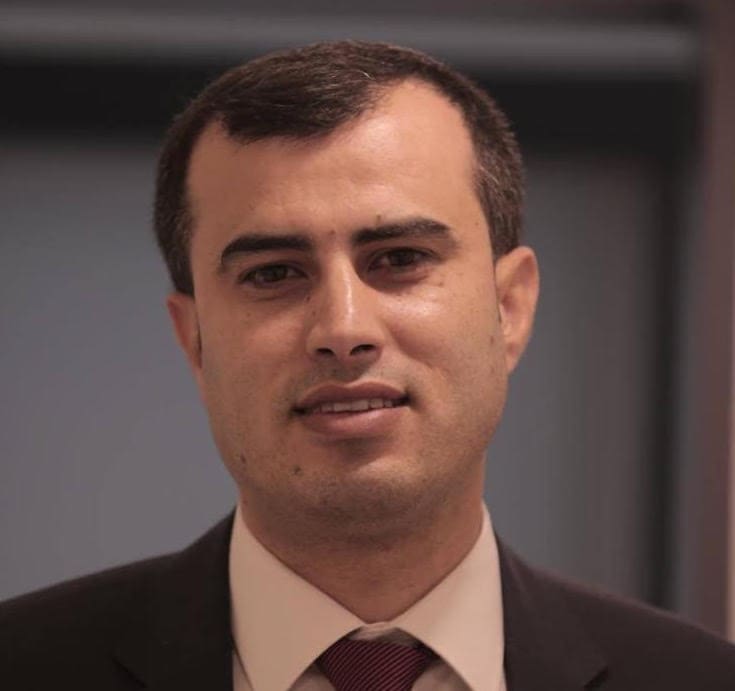
Ramy Abdu is an academic, financial expert and human rights advocate. He is an assistant professor of law and finance, as well as the founder and Chairman of the Euro-Mediterranean Human Rights Monitor. Ramy previously served as a project and investment coordinator for the World Bank. He holds an MBA in Finance from Jordan University as well as an MReS and PhD in Law and Finance from Manchester Metropolitan University (UK).

Kifah Abdul Halim is a Palestinian journalist, translator, and activist. She began her career as a political and media advisor and worked with several NGOs, serving inter-alia as the Director of the Occupied Territories Department at Physicians for Human Rights. In recent years, she has focused her career on journalism, leading context and investigative reports for newspapers and digital platforms as well as for feature documentaries. She is the Editor of “Alasa’a” – an independent critical electronic magazine – and works with various Palestinian cultural institutions, producing festivals, concerts, writers’ and artists’ residencies, and other programs.
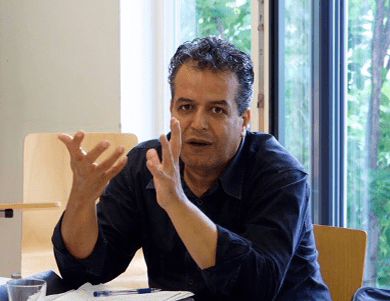
Ayman Abdul Majeed is Researcher and Survey Unit coordinator for the Center for Development Studies at Birzeit University. He has spent nearly 20 years in community research and programs focused on marginalized groups including women, youth, people with disability, children, and Palestinian refugees in Palestine, Jordan and Lebanon. He is a member of the National Committee for Women Employment’s (2010-2013). His publications include: women with disability and access to justice (Center for Development Studies, BZU 2013, and Low youth participation in the labor market in Palestine: Reasons and limitations from a gender perspective 2011, Population Council, Cairo. He took his MA in Gender and Development at Birzeit University in 2006.
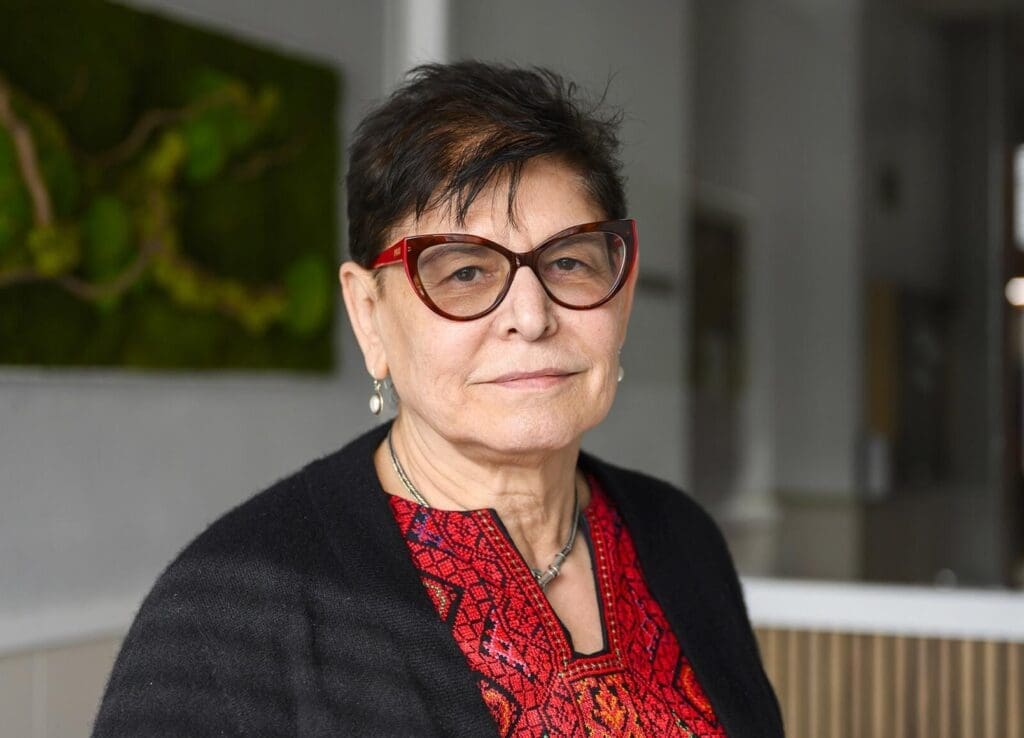
Rabab Abdulhadi is Associate Professor of Ethnic Studies and Founding Director and Senior Scholar of the Arab and Muslim Ethnicities and Diasporas Studies Program at San Francisco State University. She is also an initiator and principal investigator of “Teaching Palestine: Pedagogical Praxis and the Indivisibility of Justice,” a co-founding editorial board member of the Islamophobia Studies Journal, and a board member for the Afro-Middle East Center in Johannesburg, South Africa. Rabab received her PhD from Yale University and has co-organized several delegations to Palestine, including the Indigenous and Women of Color Feminist Delegation.
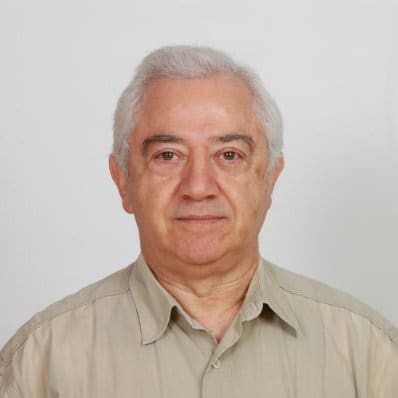
Wassim F. Abdullah is a veteran engineer in electronics and telecommunications who has worked on diverse projects and policies to encourage multi-media and an information-based economy in Palestine. These include TV and radio stations, the Palestine Media Center, the Palestinian Legislative Council video-conference system between Ramallah and Gaza and its integration with the voting system, and the audio and lighting systems of Ramallah festivals. He also participated in the design of the IT strategy for Palestine and has consulted for Palestinian governmental as well as international organizations.
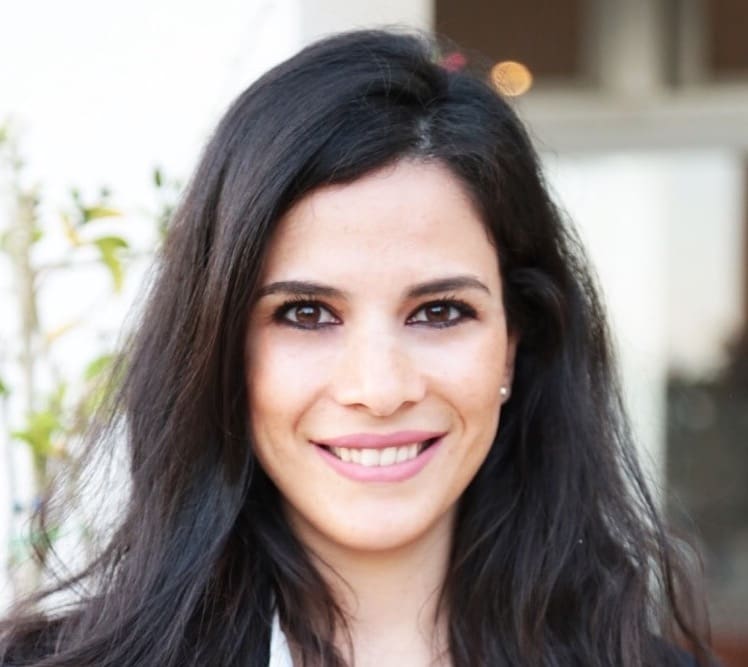
Shatha Abdulsamad is a Palestinian researcher and policy analyst based in Berlin. She previously served as a researcher at the Alternative Policy Solutions public policy research project at the American University in Cairo, as Political Officer at the British Consulate in Jerusalem, and as Program Manager at the German think-tank Friedrich-Ebert-Stiftung. Shatha holds an MA in International Human Rights Law and Refugee Studies from the American University in Cairo, and a higher diploma in Strategic and Political Communication from Birzeit University. Shatha was an Erasmus Mundus Scholar to Belgium, and holds a second master’s in Business Management from the Vrije Universiteit Brussel.
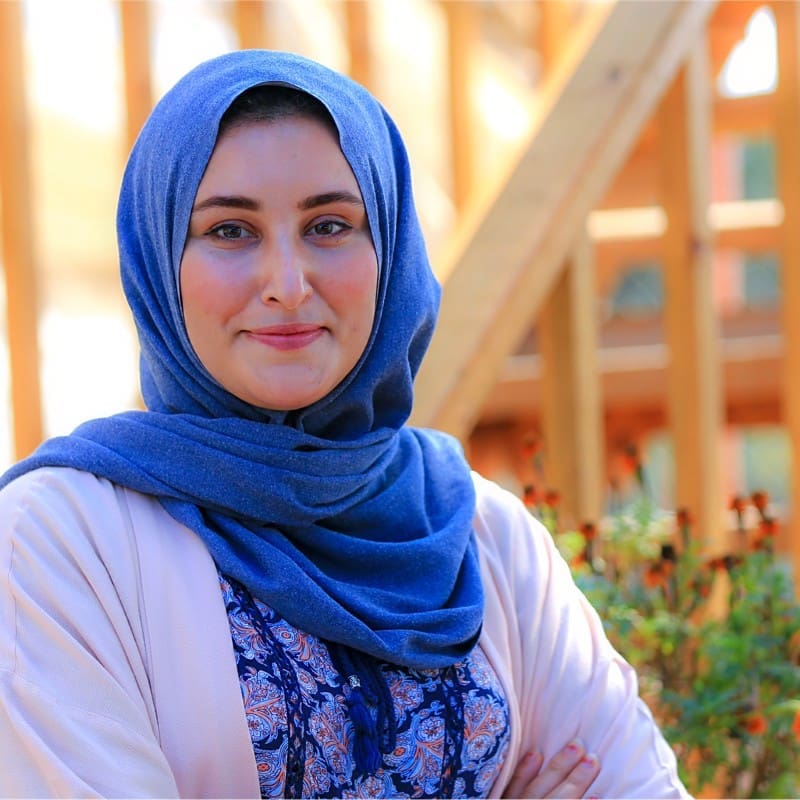
Asmaa Abu Mezied is an economic development and social inclusion specialist working to address issues of gender, development, and climate change in the agriculture sector. Her research interests focus on the care economy, women’s collectives organizing in economic sectors, the private sector’s social accountability, and the intersection of Palestinian political, agricultural, and environmental identities. She served as Al-Shabaka’s 2022 Visiting Gaza Fellow and was previously an Atlas Corps Fellow in partnership with President Obama Emerging Global Leaders, a Gaza Hub-Global Shaper (an initiative of World Economic Forum), and a 2021 Mozilla Foundation Wrangler at “Tech for Social Activism” space.
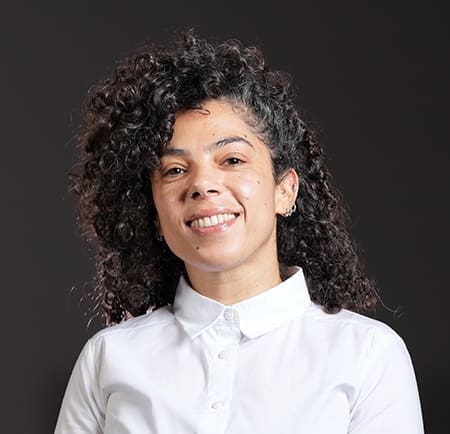
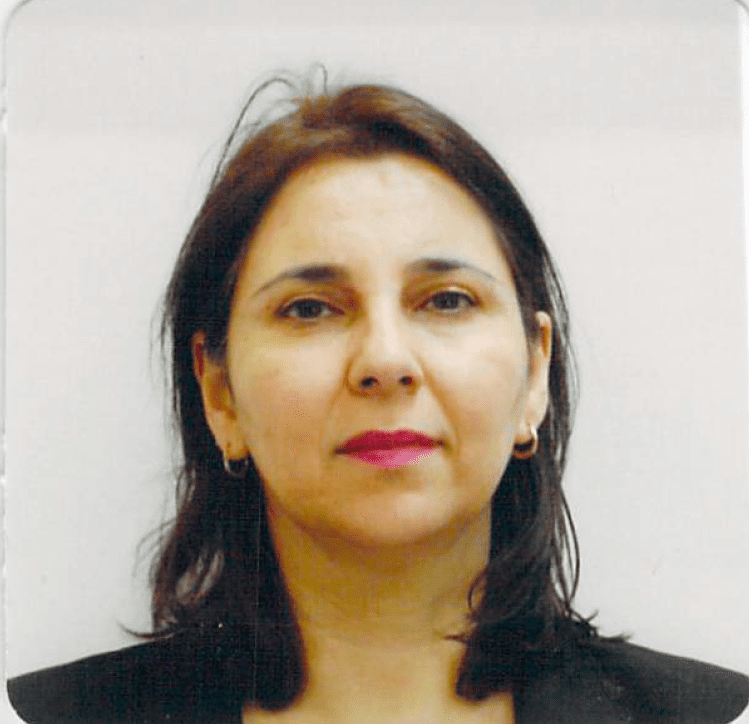
Suheir Abu Oksa Daoud holds a PhD in political science from the Hebrew University of Jerusalem and is a professor in the Department of Political Science at Coastal Carolina University, Conway, South Carolina. She has been a visiting assistant professor at Harvey Mudd College, a Mellon Post-Doctoral Fellow at Pomona College, and a visiting scholar at the Center for Contemporary Arab Studies at Georgetown University. Daoud has published four volumes of Arabic poetry and literature, and her academic book, Palestinian Women and Politics in Israel, was published in 2009 by the University Press of Florida.
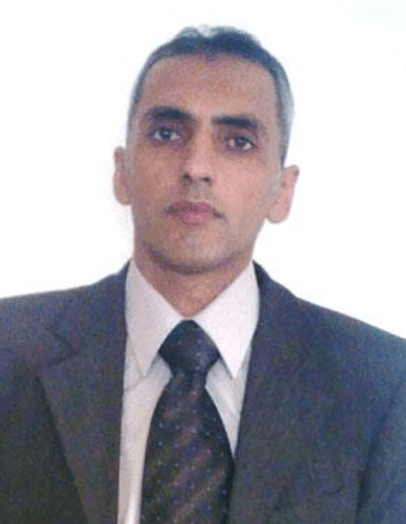
Talal Ahmad Abu Rokbeh, is a Palestinian residing in Gaza. He is a political researcher and holds a doctorate in political science from the University of Carthage in Tunis. He works as a political analyst and editor-in-chief of the magazine Tasamoh, and he is a member of the Arab Network for Tolerance. He has conducted several research projects, as well as political and legal studies. He is a trainer specialized in Palestinian political affairs, and has written many books on the Palestinian political system. He participated in many regional and local conferences on various political and human rights issues. He is a political analyst for several local and Arab satellite channels, a writer for media and research sites, and a trainer specialized in issues of democracy, human rights, and critical thinking skills for Palestinian civil society institutions. He is also a community activist, advocating for youth issues.
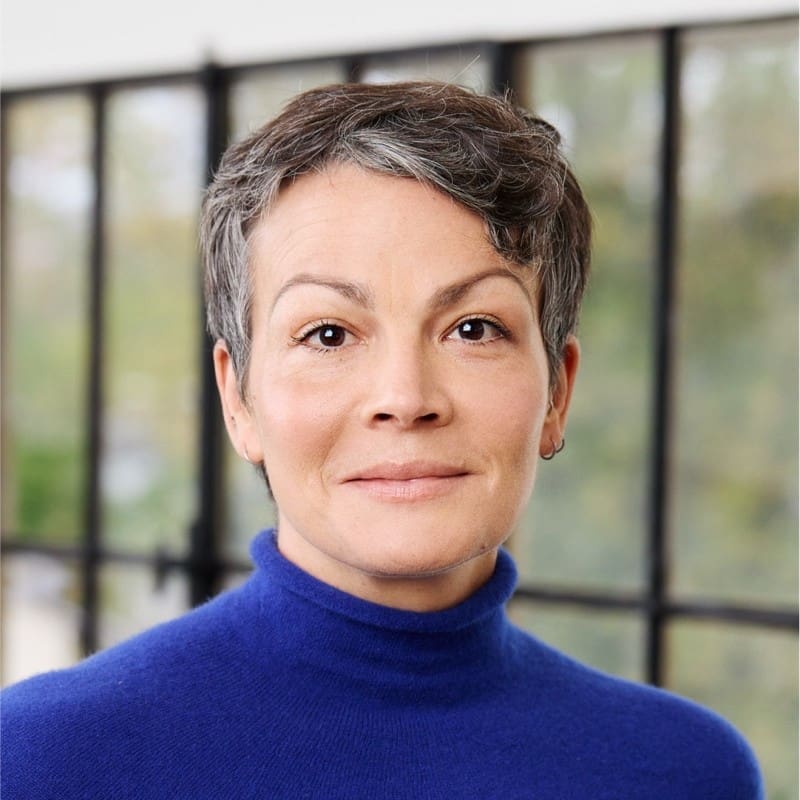
Caroline Abu Sa’Da is Co-founder and Executive Director of the Foundation for Humanitarian Action at Sea. She previously served as Director of the Research Unit of Médecins Sans Frontières Switzerland and as an Honorary Lecturer at the Humanitarian and Conflict Response Institute at the University of Manchester. She has worked on food security, agriculture, and health issues, coordinating programs in the Middle East for Oxfam GB, the United Nations, and MSF Switzerland. Her publications include Dilemmas, Challenges, and Ethics of Humanitarian Action (McGill-Queen’s University Press, 2012). She has taught political science at New York University Paris and Sciences Po Lille.
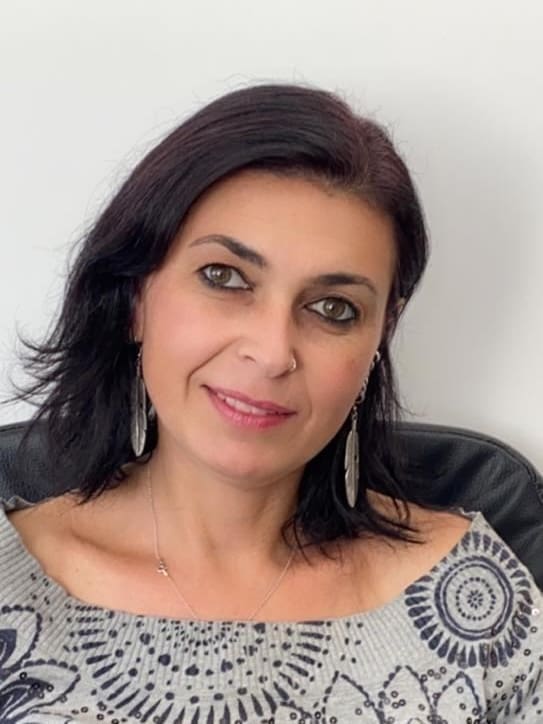
Mjriam Abu Samra is a Marie Curie Post-Doctoral Fellow at the Department of Philosophy and Cultural Heritage at the University of Venice Ca’ Foscari, Italy, and at the Department of Anthropology at UC Davis. Her work focuses on the Palestinian transnational student movement across different historical periods and its contribution to the Palestinian liberation project. She previously completed her master’s in Middle East politics at SOAS and her doctorate in International Relations at the University of Oxford. Mjriam is a co-founder of the transnational Palestinian Youth Movement (PYM) and has been actively involved in Palestinian youth organizing in Italy and Europe.
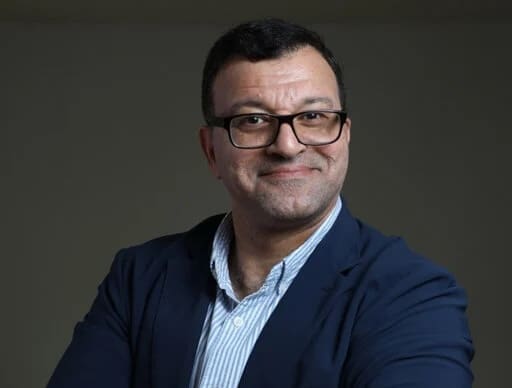
Mohammad Abu Zaineh is Adjunct Professor of Economics at Aix-Marseille Université School of Economics and École des hautes études en santé publique in Paris. He has worked with UNAIDS in Geneva, the Palestine Economic Policy Institute in Ramallah and the Department of Economics as well as the Institute of Community and Public Health at Birzeit University, Palestine. His main areas of research include measurement and explanation of socioeconomic inequality; public economics and policies (applied mainly to health and the health care sector) and economic development.
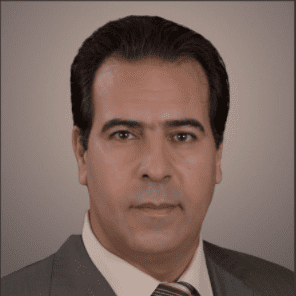
Wajjeh Abu Zarifa is a journalist, researcher and professor of political science in Gaza, and a fellow at the University of Chicago. He holds a PhD from the Cairo-based Institute of Arab Research and Studies in political science, and a master’s degree in Israeli studies from the Al Quds University. Abu Zarifa has participated in numerous international conferences and seminars, and published scientific papers and research as well as political articles and opinion pieces. He has worked in the press for 30 years with local and international media outlets including most recently NBC News. Abu Zarifa served in a number of community posts, including director of the PLO’s national office for the defense of land and resistance of settlement, and a member of the Secretariat of the Palestinian Journalists’ Syndicate.
Producing critical policy analysis and collectively imagining a new policymaking paradigm for Palestine and Palestinians worldwide
We are a global network of Palestinian experts, collectively challenging prevailing structures of oppression through critical policy analysis.