







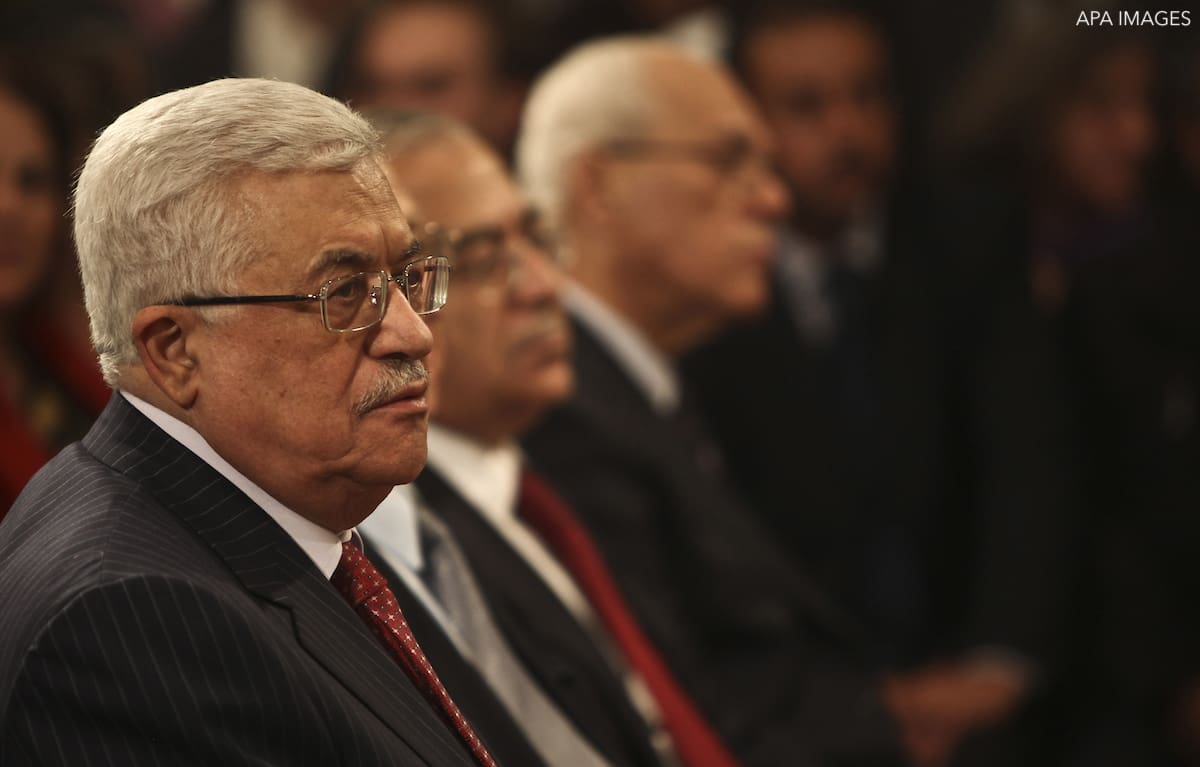
The Palestinian national movement is in an acute state of crisis, and the Palestinian political system and institutions are incapable of bringing the Palestinian people closer to realize their rights. The existing style of governance and models of leadership prove on a daily basis to be unfit for present and future Palestinian generations seeking equality, justice, and freedom above all. The Palestinian people urgently need a new political leadership that is representative, legitimate, responsible, responsive, and accountable.
In this selection of pieces, Al-Shabaka policy analysts reflect on the history of leadership in Palestine and explore what lessons can be learned from the past with an eye to the future. They discuss the shortcomings of the existing political leadership and argue for the utmost need for youth-led leadership to emerge and flourish, and for that, they propose a number of concrete steps and actions, envisaging what a new leadership model might look like.
Learning from the Past
Reflections on Palestinian Leaderships Past
Jamil Hilal
In this commentary, Jamil Hilal reflects on Palestine’s history of leadership. He draws on his own rich experience in the Palestinian national movement, as well as on his scholarship for and about that movement, to identify strengths on which to build and weaknesses to avoid. Read more…
Palestinians and Their Leadership: Restoring the PLO
Marwa Fatafta
Can we envisage a representative and accountable leadership that enables Palestinians to contribute to the political decisions that shape their lives, that provides them avenues for action, and that serves as an arena for Palestinian political engagement and participation? Marwa Fatafta explores how Palestinians can reclaim and redefine their leadership in the PLO. Read more…
Abbas and the Farce of Palestinian Democracy
Yara Hawari
What’s behind Palestinian Authority President Mahmoud Abbas’ dissolution of the Palestinian Legislative Council in 2018/19? Yara Hawari analyzes the move, uncovering likely motives and consequences in light of Abbas’ broader grip on power, and proposes ways to increase Palestinian democratic space. Read more…
An Illegitimate Leadership Can Sign Away Rights
Zachariah Sammour
It is clear that Palestinians are fast approaching a juncture at which decisions of extreme national importance may be taken. Zachariah Sammour argues that this requires an immediate and sustained response from all Palestinians, including those in the diaspora. Read more…
Youth and the New Generation of Leaders
Palestinian Leadership Through Resistance or Leaderless Subsistence? The Role of Youth
Fadi Quran
Fadi Quran addresses the real, indeed, sometimes deliberate, obstacles placed in the way of developing authentic leadership among Palestinians, particularly the youth, and insists that leadership through resistance is the way out of the morass. Read more…
A Leadership Model from the Palestinian Diaspora in the US
Dana El Kurd
The Palestinian diaspora in the US has achieved success in effective organization and activism. Dana El Kurd offers insights into how the experiences of this diaspora can offer new models for leadership that benefit Palestinians everywhere. Read more…
Upending the Palestinian Leadership: The Role of Youth
Fadi Quran
Though prospects for self-determination appear hopeless under the current Palestinian leadership, Fadi Quran argues that a new generation of young leaders is emerging with the potential to achieve Palestinian liberation. He outlines their challenges and opportunities in light of past leadership trends. Read more…
A New Model for Leadership
Beyond Sterile Negotiations: Looking for a Leadership with a Strategy
Noura Erakat
Noura Erakat explores how a national liberation strategy can be elaborated and who can lead it. She explores the South Africa model, and argues for a dual approach of working for rights while at the same time actively seeking answers to the pressing need for a unified political program and leadership. Read more…
Looking for a Leadership with a Strategy
Haidar Eid, Samah Sabawi, Loubna Qutami, & Noura Erakat
In this roundtable, Haidar Eid, Samah Sabawi, Loubna Qutami, and Noura Erakat critique issues relating to the questions of representation and self-determination, the colonial condition, and the future of the struggle, all from a leadership perspective. Read more…
Palestinian Leadership: What a New Model Might Look Like
Ali Abdel-Wahab, Tareq Baconi, Marwa Fatafta, Inès Abdel Razek, & Dana El Kurd
In this roundtable, Ali Abdel-Wahab, Tareq Baconi, Marwa Fatafta, Inès Abdel Razek, and Dana El Kurd engage in an open-ended discussion about what can and should be done to ensure a Palestinian leadership that fully represents Palestinians, restores their unity, and respects their rights while they struggle for freedom. Read more…
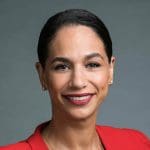
Marwa is a Palestinian writer, researcher and policy analyst based in Berlin. She leads Access Now’s work on digital rights in the Middle East and North Africa region as the MENA Policy Manager. She is also an advisory board member of the Palestinian digital rights organization 7amleh. Previously, she worked as the MENA Regional Advisor for Transparency International Secretariat. Marwa was a Fulbright scholar to the US, and holds an MA in International Relations from Maxwell School of Citizenship and Public Affairs, Syracuse University. She holds a second MA in Development and Governance from University of Duisburg-Essen.
Zachariah Sammour is a UK barrister specializing in Commercial, Data Protection, Employment, Privacy, Public, Public International, and Sports Law. He has a broad public law practice, and has appeared in a number of claims for judicial review. His work encompasses human rights, local government, asylum and constitutional law. He also has extensive experience dealing with public international law issues in both domestic and international courts and tribunals.
Yara Hawari is Al-Shabaka’s co-director. She previously served as the Palestine policy fellow and senior analyst. Yara completed her PhD in Middle East Politics at the University of Exeter, where she taught various undergraduate courses and continues to be an honorary research fellow. In addition to her academic work, which focused on indigenous studies and oral history, she is a frequent political commentator writing for various media outlets including The Guardian, Foreign Policy, and Al Jazeera English.
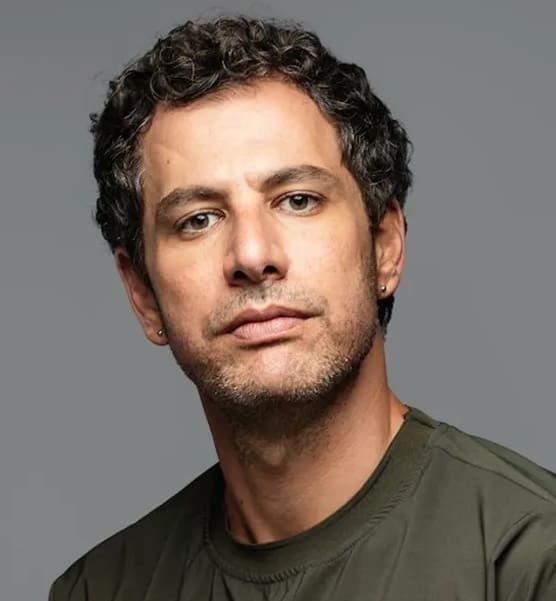
Tareq Baconi serves as the president of the board of Al-Shabaka. He was Al-Shabaka’s US Policy Fellow from 2016 – 2017. Tareq is the former senior analyst for Israel/Palestine and Economics of Conflict at the International Crisis Group, based in Ramallah, and the author of Hamas Contained: The Rise and Pacification of Palestinian Resistance (Stanford University Press, 2018). Tareq’s writing has appeared in the London Review of Books, the New York Review of Books, the Washington Post, among others, and he is a frequent commentator in regional and international media. He is the book review editor for the Journal of Palestine Studies.
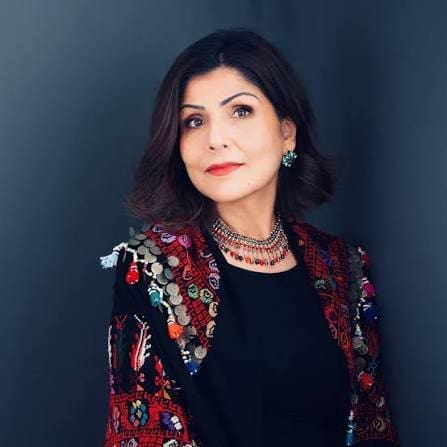
Samah Sabawi is an award-winning Palestinian playwright, poet, scholar, and political commentator. She is co-founder and Board Director of Palestine Australia Relief and Action (PARA), supporting Palestinians, especially Gaza genocide survivors in Australia. Dr. Sabawi received a Master of Communications from Griffith University and a PhD from Victoria University. She is the author of Cactus Pear for My Beloved: A Gaza family story (Penguin 2024) and co-editor of Double Exposure: Plays of the Jewish and Palestinian Diasporas (Playwrights Canada Press 2016). Her plays include Cries from the Land, Three Wishes, Tales of a City by the Sea and Them.
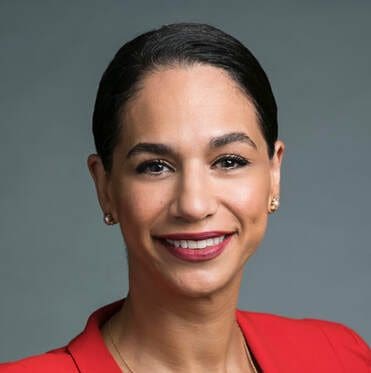
Noura Erakat is a human rights attorney and Professor in the Department of Africana Studies and the Program in Criminal Justice at Rutgers University, New Brunswick. Her research focuses on human rights law, humanitarian law, refugee law, and critical race theory, with a particular focus on Palestine. She is the author of Justice for Some: Law and the Question of Palestine (Stanford University Press, 2019), a co-founding editor of Jadaliyya, and an editorial committee member for the Journal of Palestine Studies. She holds a JD from UC Berkeley and an LLM in National Security from Georgetown University Law Center.
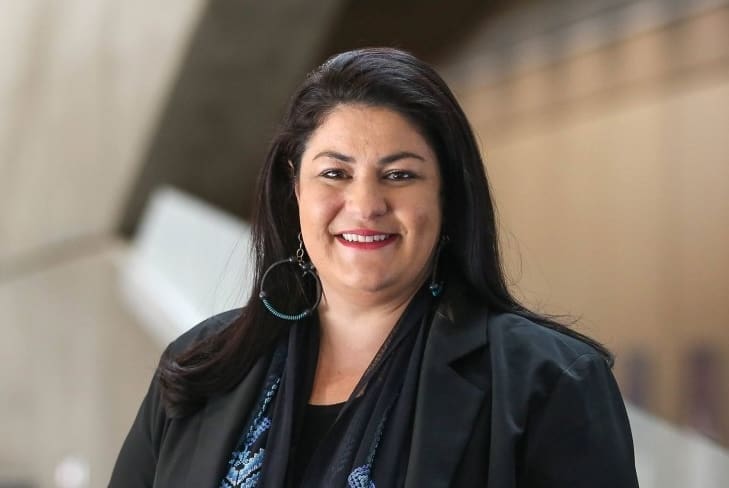
Loubna Qutami is an assistant professor in the Department of Asian American Studies at the University of California, Los Angeles. She holds a PhD from the Department of Ethnic Studies at the University of California, Riverside, and previously held a President’s Postdoctoral Fellowship at UC Berkeley. Her research examines transnational Palestinian youth movements from the 1993 Oslo Accords through the 2011 Arab Uprisings, using scholar-activist ethnographic methods.
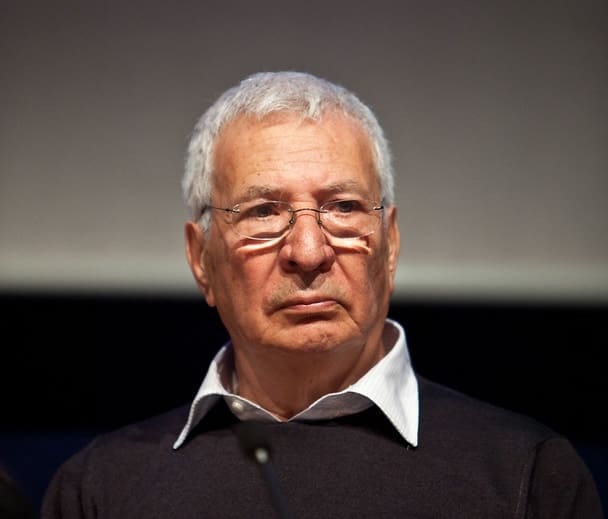
Jamil Hilal is an independent Palestinian sociologist and writer, and has published many books and numerous articles on Palestinian society, the Arab-Israeli Conflict, and Middle East issues. Hilal has held, and holds, associate senior research fellowship at a number of Palestinian research institutions. His recent publications include works on poverty, Palestinian political parties, and the political system after Oslo. He edited Where Now for Palestine: The Demise of the Two-State Solution (Z Books, 2007), and with Ilan Pappe edited Across the Wall (I.B. Tauris, 2010).
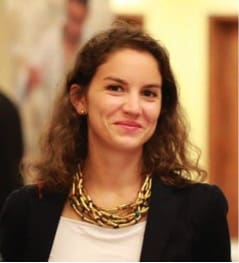
Inès Abdel Razek is the Co-Director of the Palestine Institute for Public Diplomacy (PIPD) and its digital platform Rabet, an independent Palestinian organization focusing on international mobilization and digital campaigning for Justice, Freedom and Equality. From 2019 to 2022, Inès was the Advocacy Director of the PIPD, helping to develop the political networks and international advocacy pillar of the organization. Prior to joining the PIPD, Inès held policy advisor positions in the Union for the Mediterranean in Barcelona, the UN Environment Programme in Nairobi and the Palestinian Prime Minister’s Office in Ramallah, where she advised executive leadership on international aid for development policies. Inès is also a board member of the social enterprise BuildPalestine, Advisory board member of Palestine DeepDive, and policy member at Al-Shabaka, the Palestinian Policy Network. She holds a Master’s degree in Public Affairs from Sciences-Po, Paris. Twitter: @InesAbdelrazek
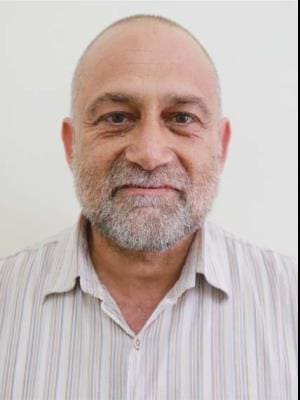
Haidar Eid is a literary scholar and Associate Professor at Al-Aqsa University in Gaza, currently based in Johannesburg as a research associate at the Centre for Asian Studies in Africa at the University of Pretoria. He holds a PhD from Rand Afrikaans University and has published widely in postcolonial literature and cultural studies. His most recent book, Decolonizing the Palestinian Mind (2023), draws on Edward Said, Frantz Fanon, and Ghassan Kanafani to examine liberation and Palestinian cultural identity. He is also the author of Worlding Postmodernism and Countering the Palestinian Nakba: One State for All.
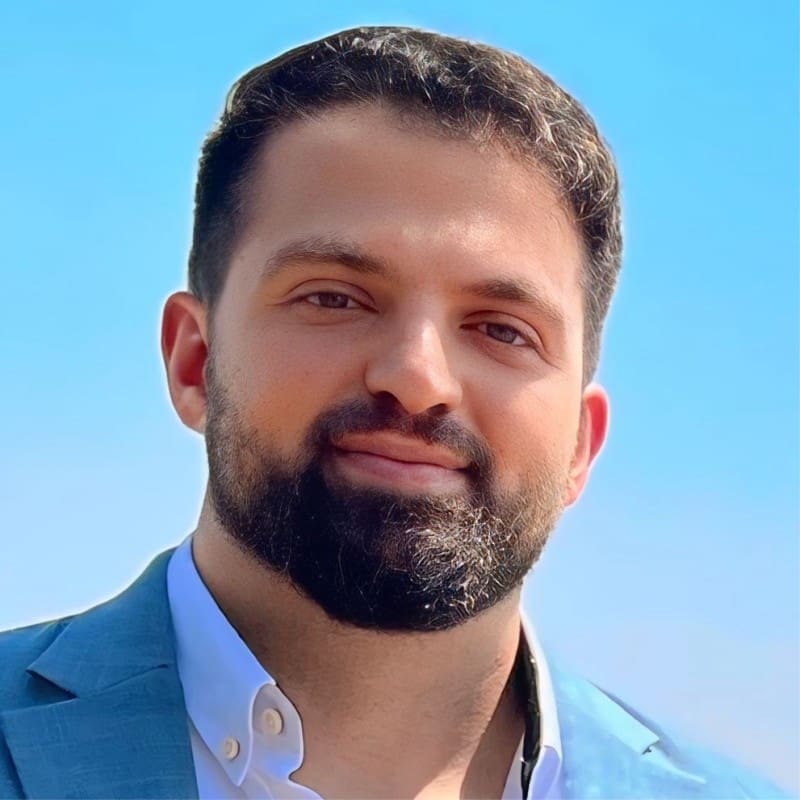
Fadi Quran is Senior Director for the Middle East and North Africa at Avaaz, where he has worked since 2014. He previously served as UN Advocacy Officer with Al-Haq’s legal research and advocacy unit. He is also an entrepreneur in the alternative energy field, having founded companies bringing wind and solar energy to Palestine and the region. Fadi holds degrees in Physics and International Relations from Stanford University.
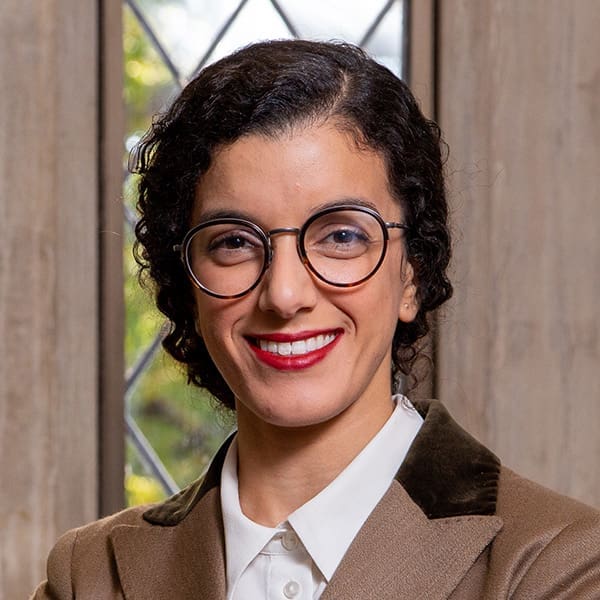
Dana El Kurd is Associate Professor of Political Science at the University of Richmond and a senior nonresident fellow at the Arab Center Washington. She specializes in Palestinian and Arab politics, with a focus on mobilization, public opinion, and international intervention. Her book Polarized and Demobilized: Legacies of Authoritarianism in Palestine was published by Oxford University Press in 2020. Her work has appeared in academic journals including Global Studies Quarterly and Democratization, as well as in Foreign Policy, Foreign Affairs, and the Financial Times.
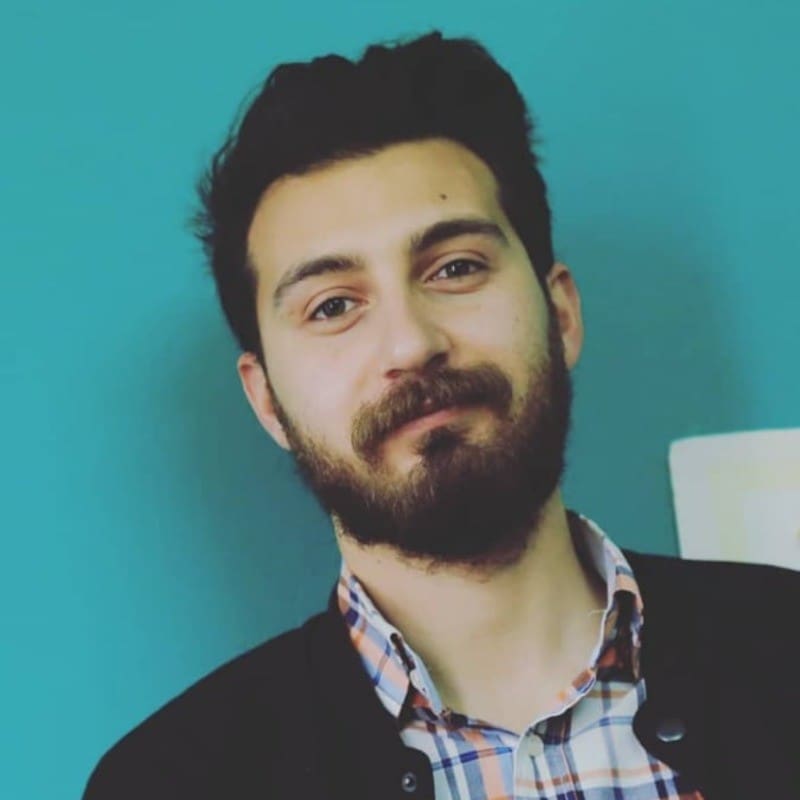
Ali Abdel-Wahab is a data analyst and policy researcher with over 8 years of experience in monitoring, evaluation, accountability, and learning (MEAL) in the humanitarian sector. He holds a bachelor’s degree in computer science and applies computational social science and political economy frameworks to his research on Palestinian governance, digital domination, and reconstruction agendas. Ali has authored over 32 policy papers and reports, including work cited in the UN Special Rapporteur’s 2025 report on freedom of expression.