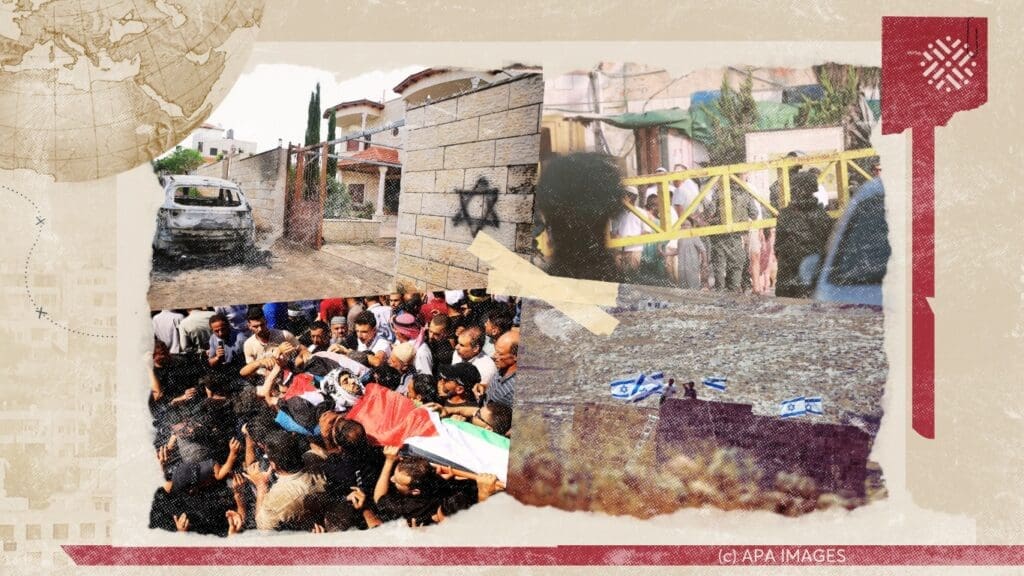

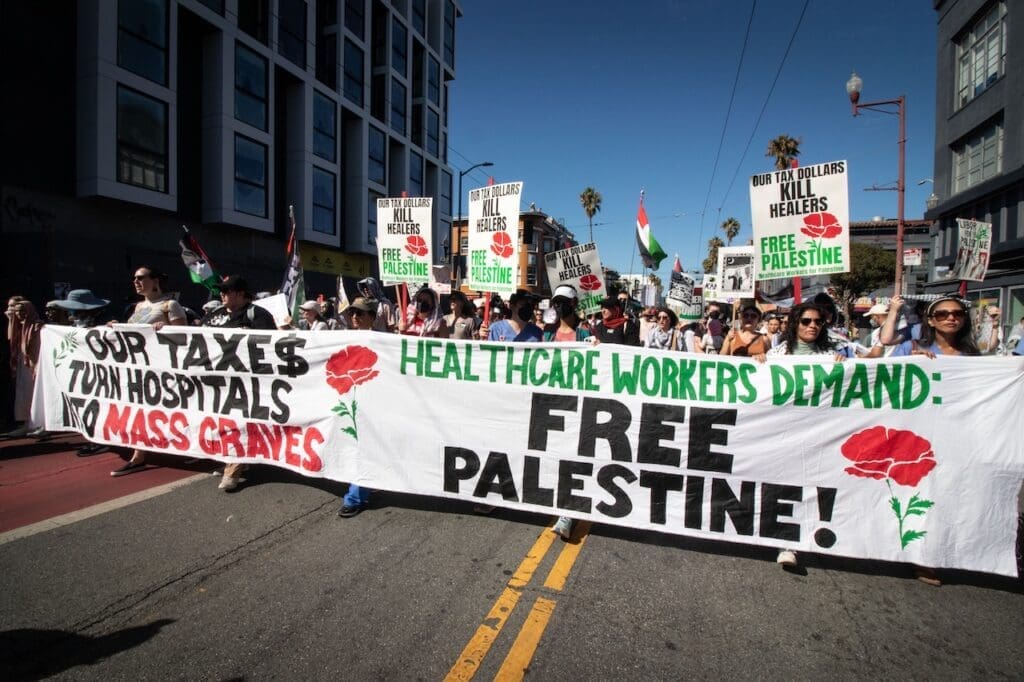
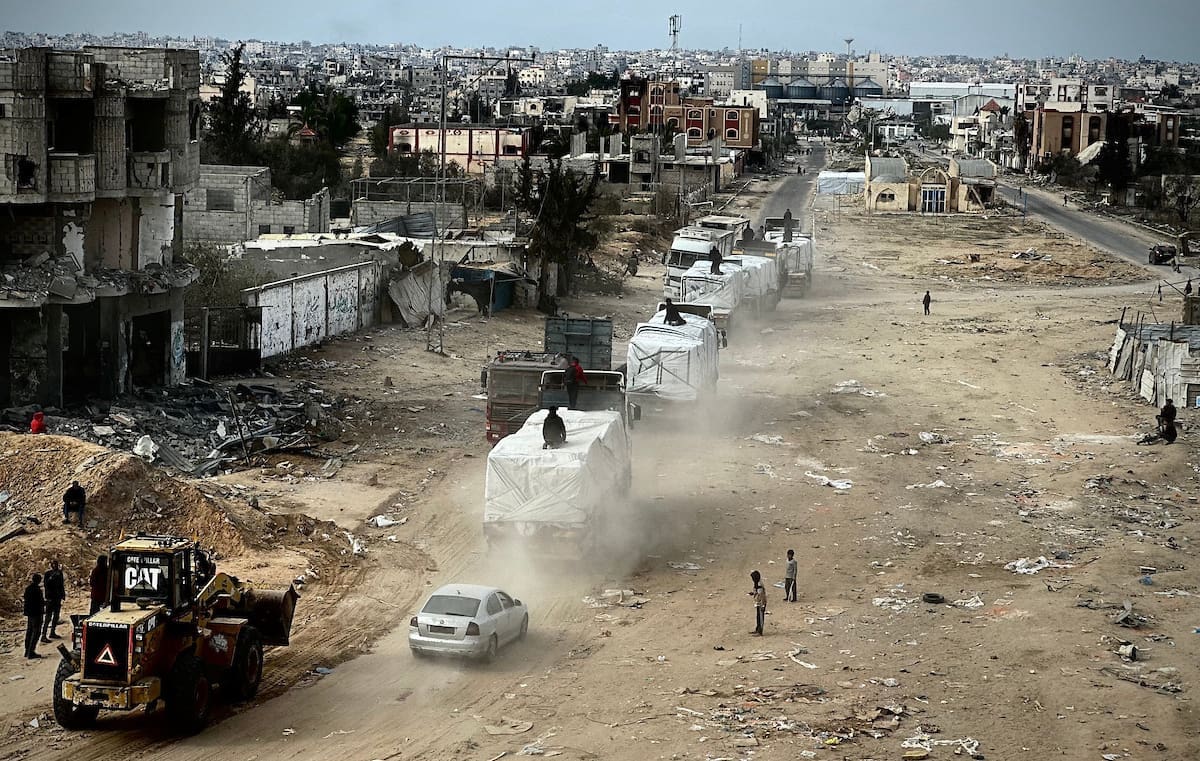
The ceasefire in Gaza remains fragile as Israeli calls to resume the genocidal assault persist. Even if it holds, Gaza faces a new phase of uncertainty. In addition to killing tens of thousands of Palestinians over the last year and a half, Israel has destroyed much of Gaza in a deliberate attempt to render the land uninhabitable and “thin out” the population. Meanwhile, President Donald Trump continues to breathe life into Israel’s ethnic cleansing fantasies with repeated threats of a US takeover and transformation of Gaza into a luxury beachfront metropolis. Despite the threats, Palestinians in Gaza remain steadfast in their commitment to stay and rebuild their land.
What will it take to reconstruct Gaza, both physically and politically? What role will external actors play in facilitating or obstructing this effort? Can meaningful reconstruction happen under continued siege and occupation? In this policy lab, Dena Qaddumi and Jehad Abusalim join host Tariq Kenney-Shawa to discuss what the ceasefire in Gaza means for Palestinians and the state of the physical and political landscape that determines what comes next.
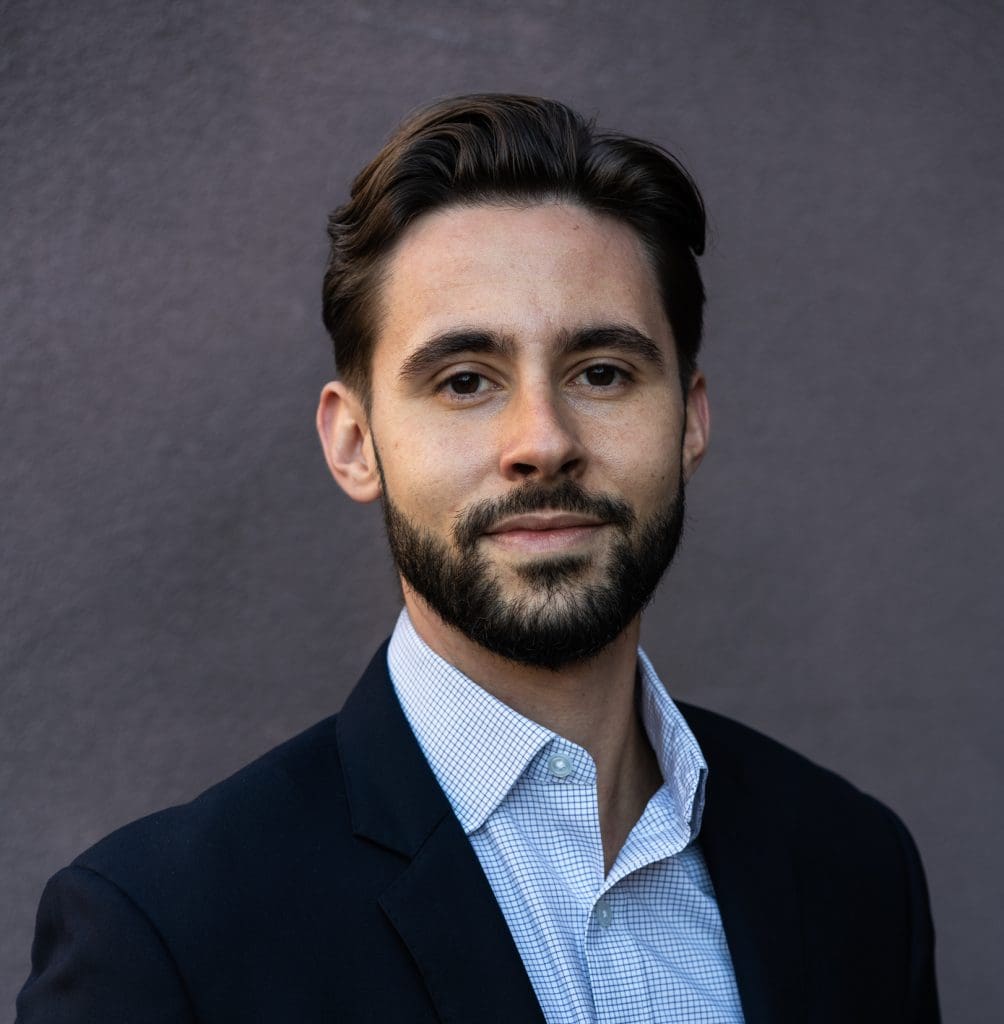
Tariq Kenney-Shawa is Al-Shabaka’s Associate Fellow, based in New York, and co-host of Al-Shabaka’s Policy Lab series. He holds a Master’s degree in International Affairs from Columbia University. Tariq’s research and writing have covered a range of topics, from the role of open-source intelligence in exposing Israel’s war crimes to analysis of Palestinian liberation tactics. His writing has appeared in The Los Angeles Times, Foreign Policy, and The Nation, among others. Tariq also serves as Associate Director of Editorial for the Institute for Middle East Understanding.
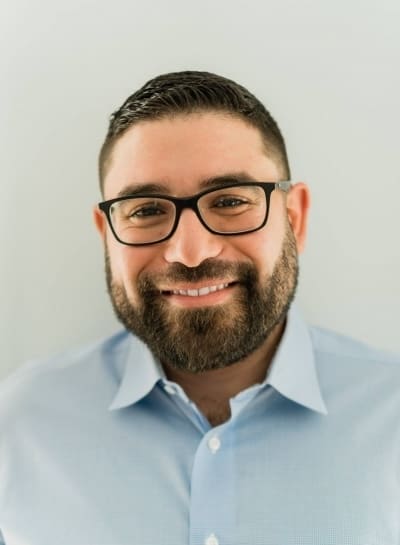
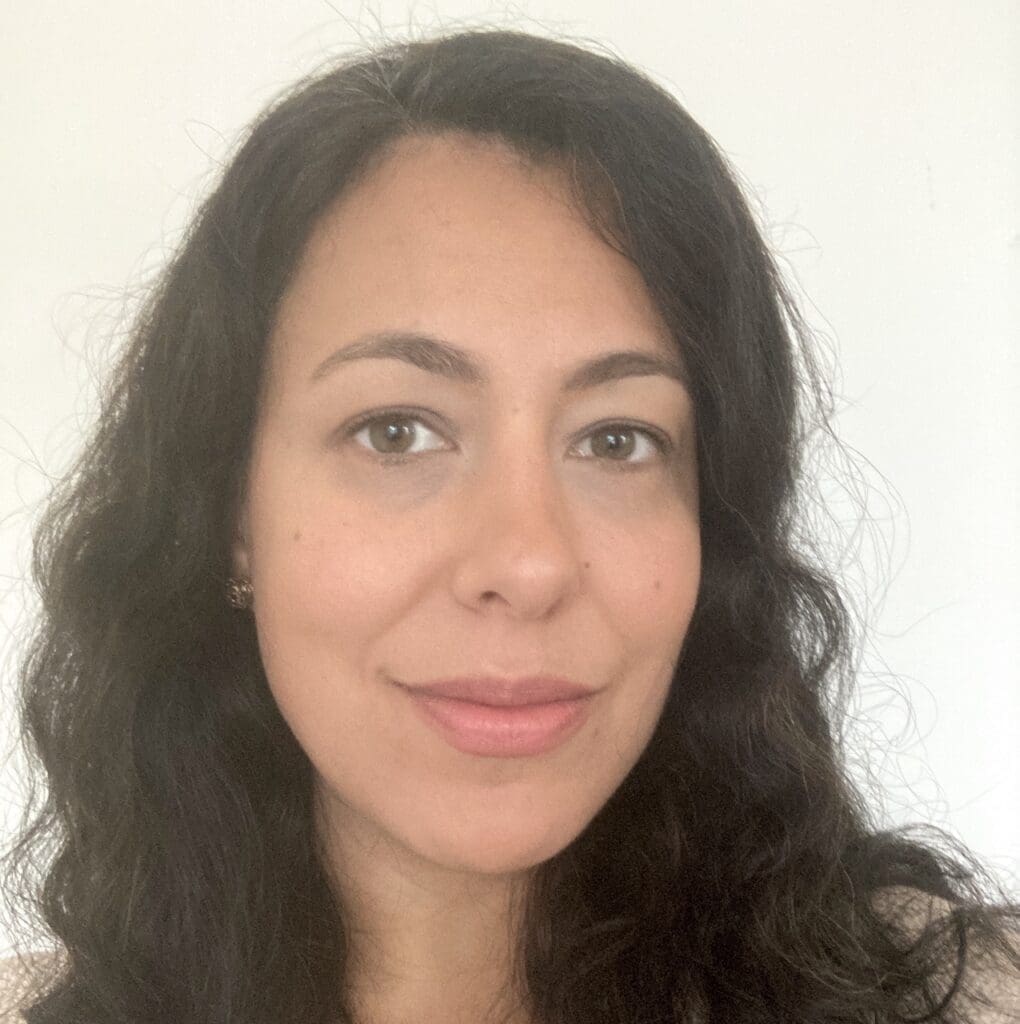
Dena Qaddumi is a scholar of urban politics and the built environment, currently a visiting fellow at the Middle East Centre at the London School of Economics. She is writing a monograph based on her doctoral research, tentatively titled City in Revolution: Encounters of People in Regime in Tunis, and is beginning new research on indigenous urbanism and futurity in Palestine. She coordinated the Palestine: Spaces and Politics curriculum, and holds a PhD in Architecture from the University of Cambridge.