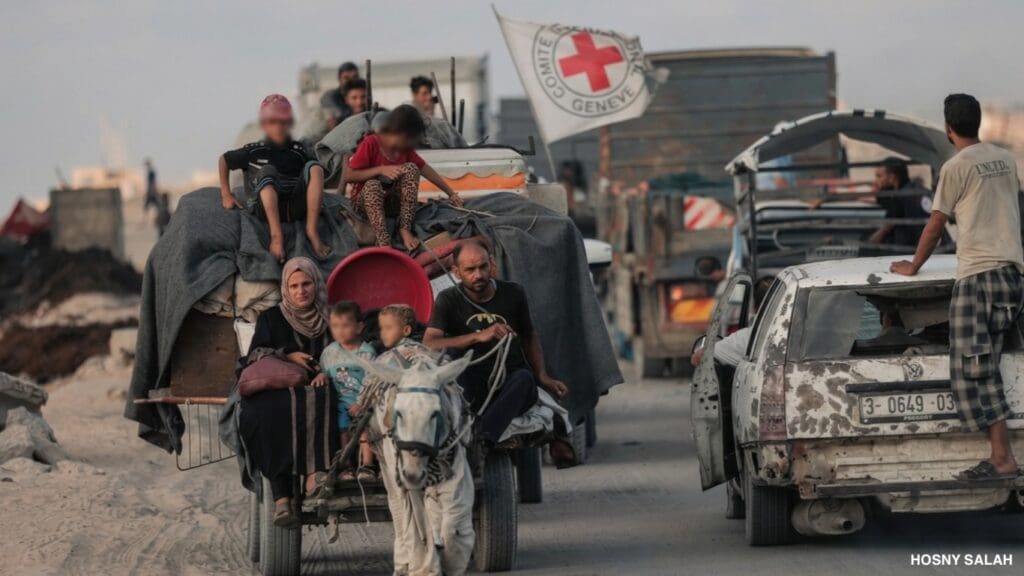
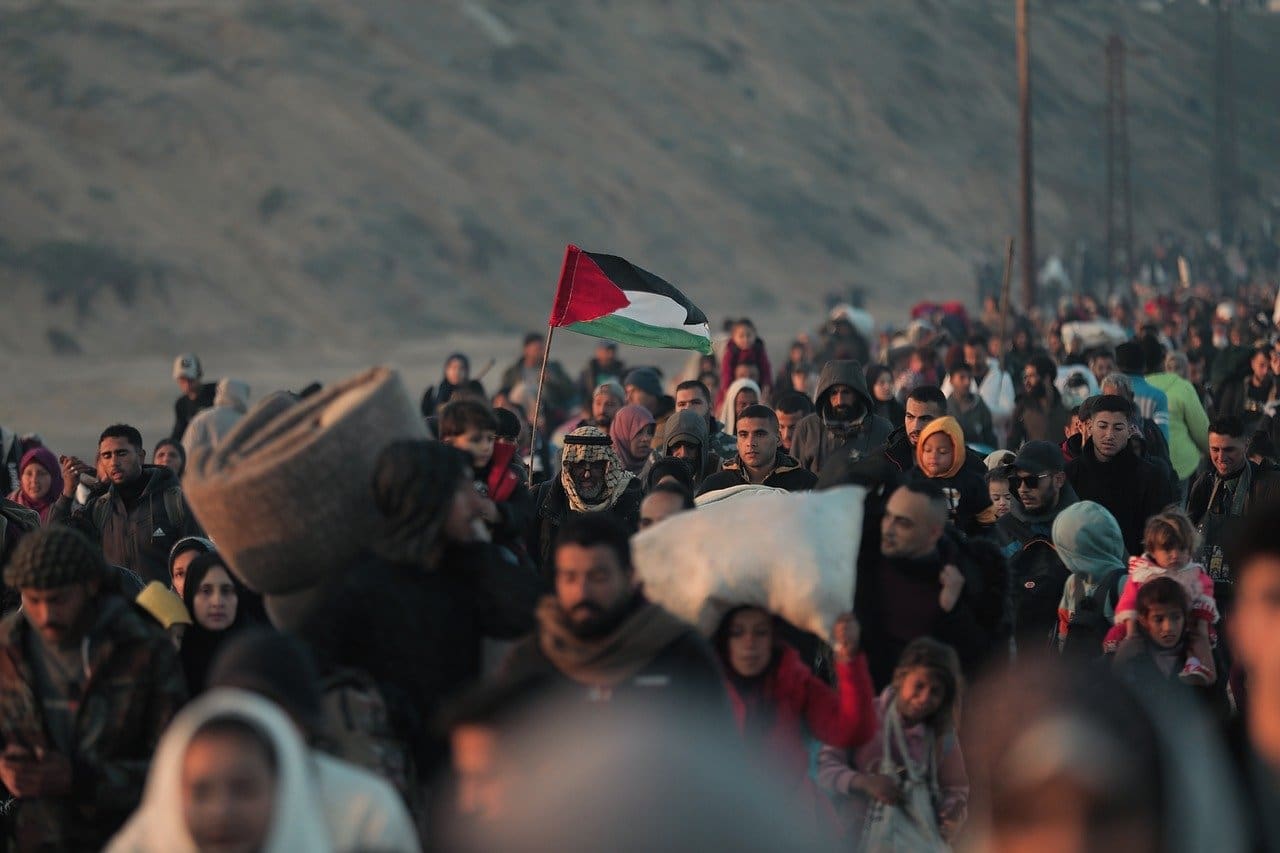
Two years on, the consequences of the Gaza genocide extend far beyond Palestine. Western complicity and inaction have exposed the true face of the so-called “rules-based” order. With the era of US hegemony potentially coming to a turbulent close, what will the future look like for Palestinians and for a world on the cusp of profound geopolitical and moral transformation?
In this policy lab, Leila Farsakh and Abdaljawad Omar join host Tariq Kenney-Shawa to trace the historical trajectory leading to October 7, examine how Gaza has become both a site of extermination and a catalyst for global rupture, and discuss what comes next for Palestinians.
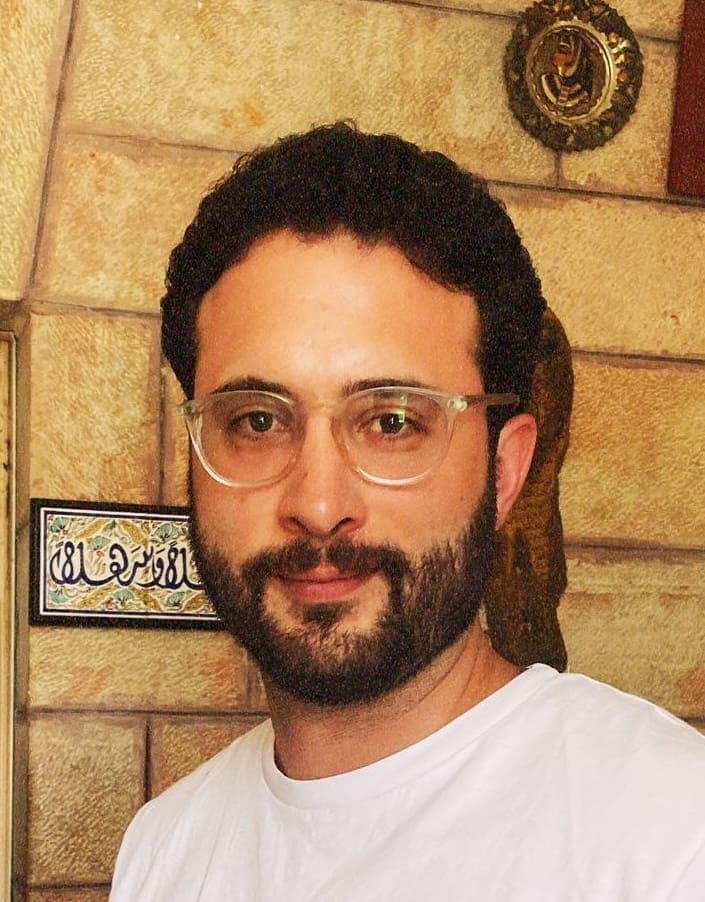
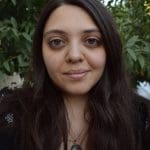
Abdaljawad Omar is a Palestinian writer based in Ramallah, Palestine. He is an assistant professor in the Department of Philosophy and Cultural Studies at Birzeit University, where his teaching and research focus on political theory, decolonial thought, and the intellectual history of Palestine. Omar holds a PhD in interdisciplinary social sciences, with scholarly work centered on Palestinian resistance, settler-colonialism, and revolutionary politics.
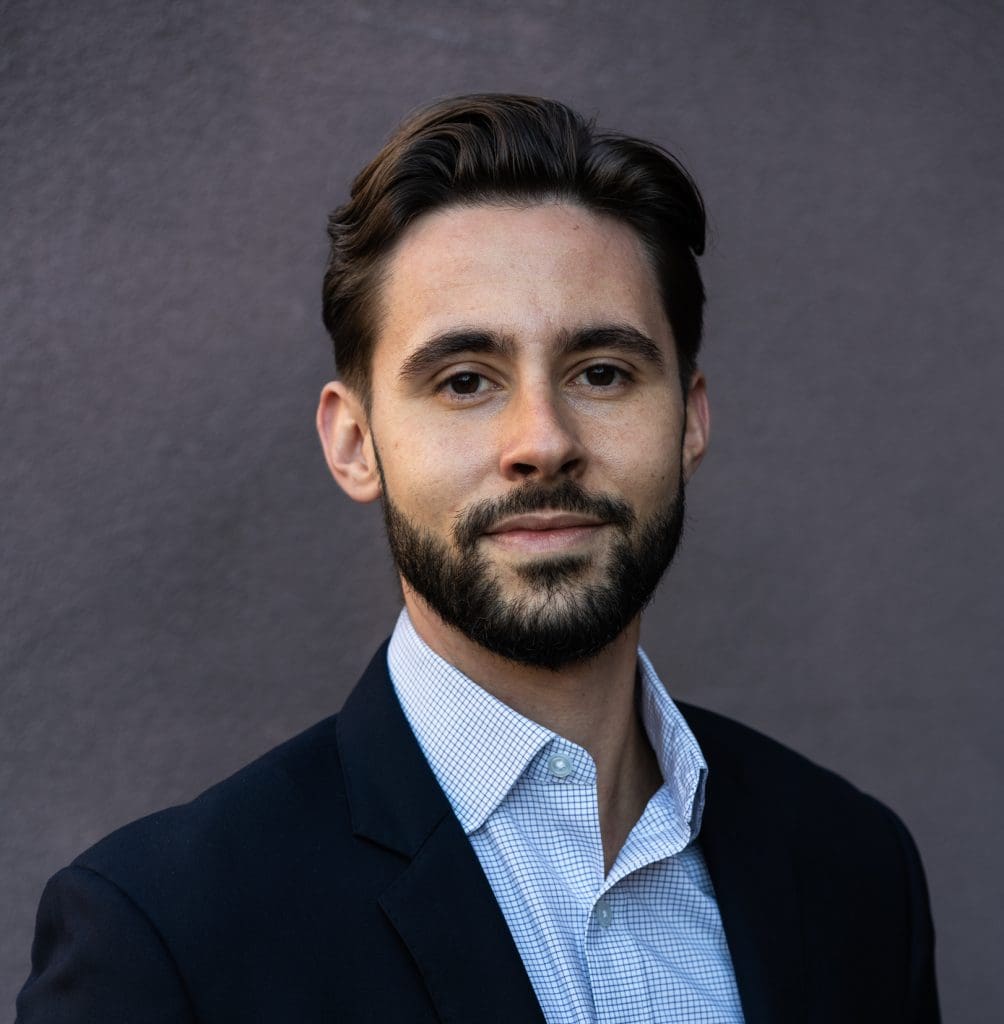
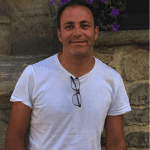
Tariq Kenney-Shawa is Al-Shabaka’s Associate Fellow, based in New York, and co-host of Al-Shabaka’s Policy Lab series. He holds a Master’s degree in International Affairs from Columbia University. Tariq’s research and writing have covered a range of topics, from the role of open-source intelligence in exposing Israel’s war crimes to analysis of Palestinian liberation tactics. His writing has appeared in The Los Angeles Times, Foreign Policy, and The Nation, among others. Tariq also serves as Associate Director of Editorial for the Institute for Middle East Understanding.
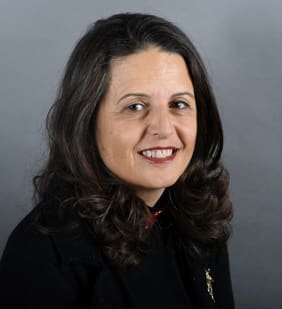
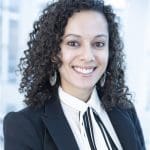
Leila Farsakh is a Palestinian political economist and professor of Political Science at the University of Massachusetts Boston. Her books include Rethinking Statehood in Palestine: Self-Determination and Decolonization Beyond Partition (University of California Press, 2021), Palestinian Labor Migration to Israel: Labour, Land and Occupation (Routledge, 2005, second edition 2012), and The Arab-Jewish Questions: Geographies of Engagement in Palestine and Beyond (Columbia University Press, 2020), co-edited with Bashir Bashir. She has worked with the OECD in Paris, UNDP in Jerusalem, and MAS in Ramallah, and was awarded the Peace and Justice Award from the Cambridge Peace Commission in 2001.