


Layth Hanbali is a PhD candidate in history at ULB University (Université Libre de Bruxelles), researching the history of Palestinian social movements in health, under a cooperation scholarship with Birzeit University. He is also coordinating the Institute for Palestine Studies project, “Documenting the Targeting and Destruction of the Health Sector in the Gaza Strip.” He has a background in medicine and community and public health, with a medical degree from University College London and a master’s degree in Health Policy, Planning and Financing from the London School of Economics and Political Science and the London School of Hygiene and Tropical Medicine.

From this author
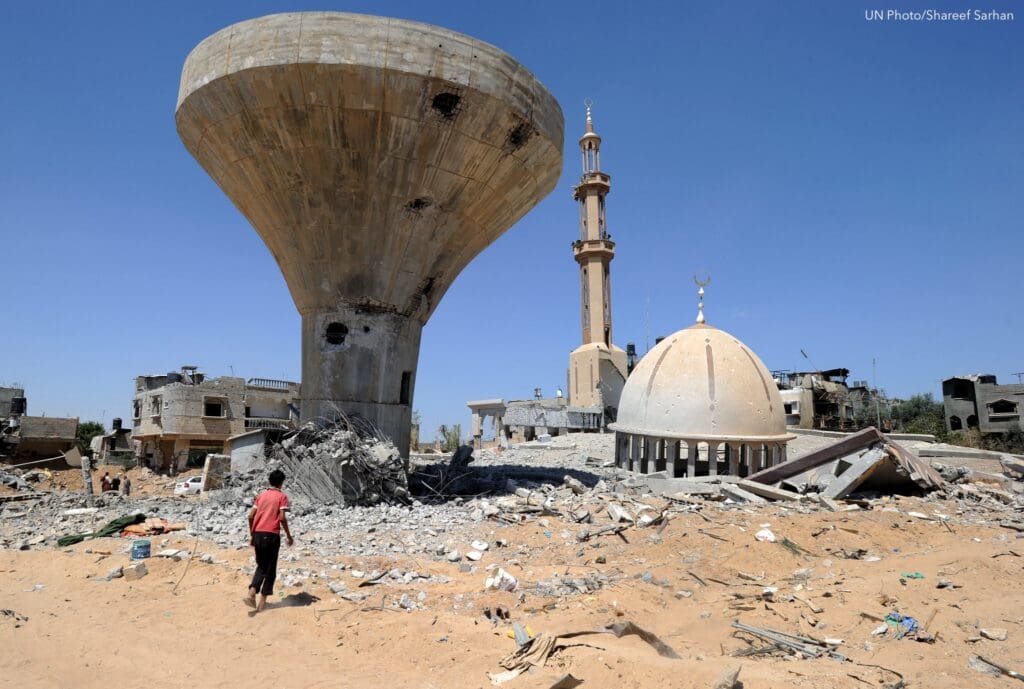
In this policy lab, Yara Asi and Layth Hanbali join host Tariq Kenney-Shawa to discuss Israel’s systematic assault on civilian infrastructure across Gaza and efforts to survive and rebuild against all odds.


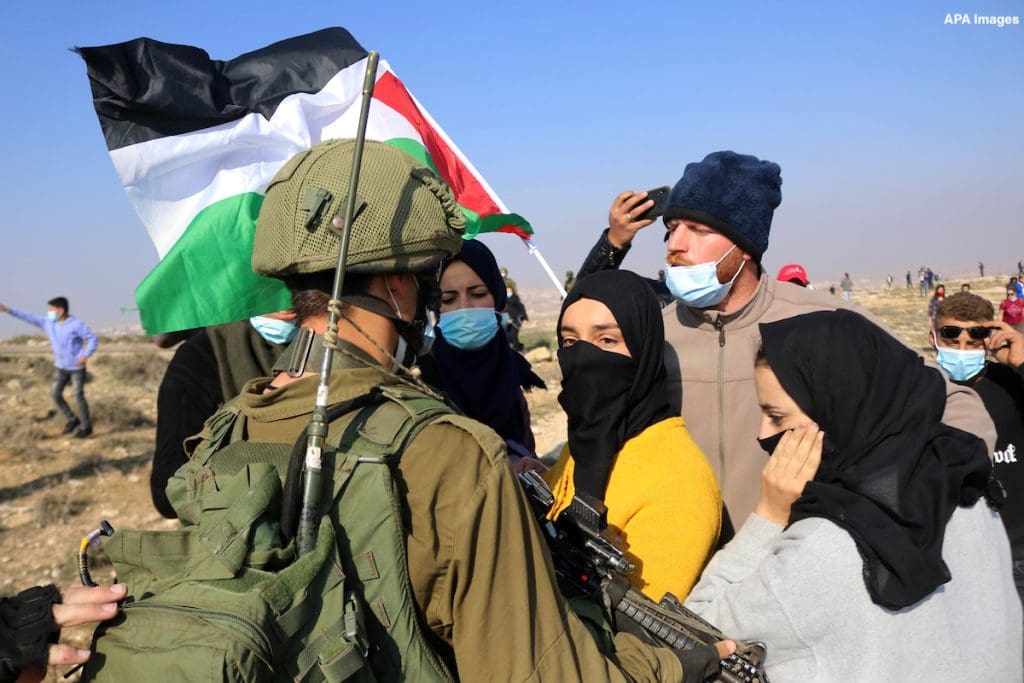
In this Focus On, Al-Shabaka’s policy analysts imagine Palestinian political futures within the context of historical and ongoing realities. Among other topics, they revisit the history of popular committees and consensus-building efforts during the First Intifada to show how local Palestinian governance might be strengthened, and how we might rethink the meaning of self-determination from the grassroots. They consider how various aspects of Palestinian society, including health, education, and policing, could be transformed to help sustain a new political vision for liberation, and revive popular engagement in colonized Palestine and beyond. And they examine the different means through which Palestinians can utilize international legal avenues to strategize an effective anti-apartheid movement.
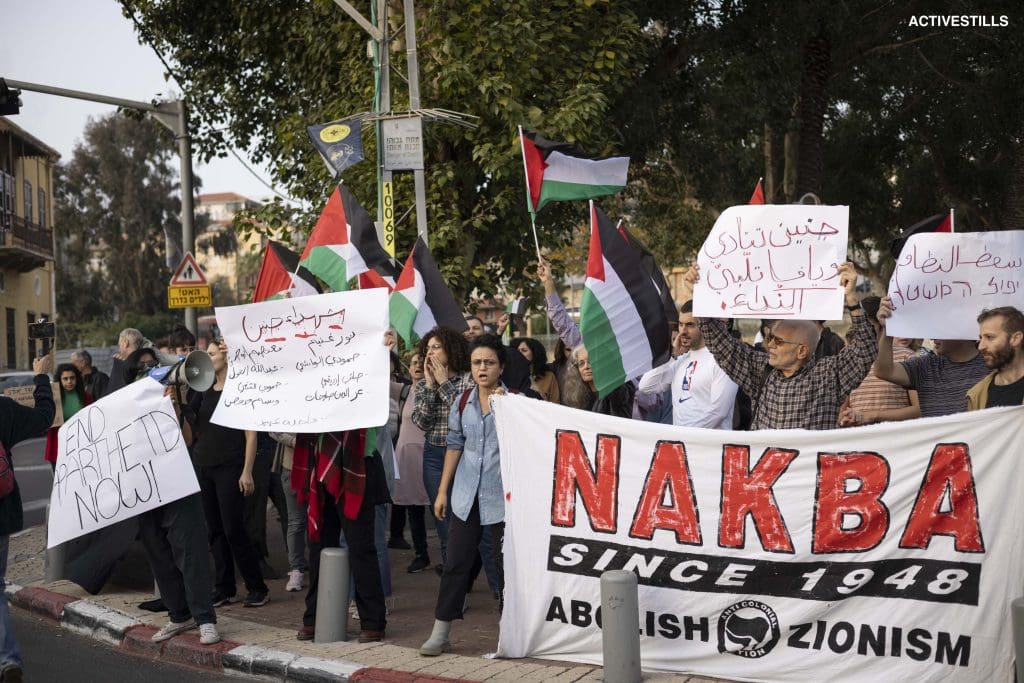
Palestinians are experiencing unprecedented global solidarity since the 2021 Unity Intifada, yet their struggle for liberation remains trapped by the post-Oslo framework. Al-Shabaka’s policy analyst, Layth Hanbali, explores the rich history of the popular committees of the 1970s and 1980s to offer recommendations for how Palestinians can reorient their communities and institutions to facilitate the emergence of grassroots, liberationist mobilization.

Layth Hanbali· Feb 16, 2022