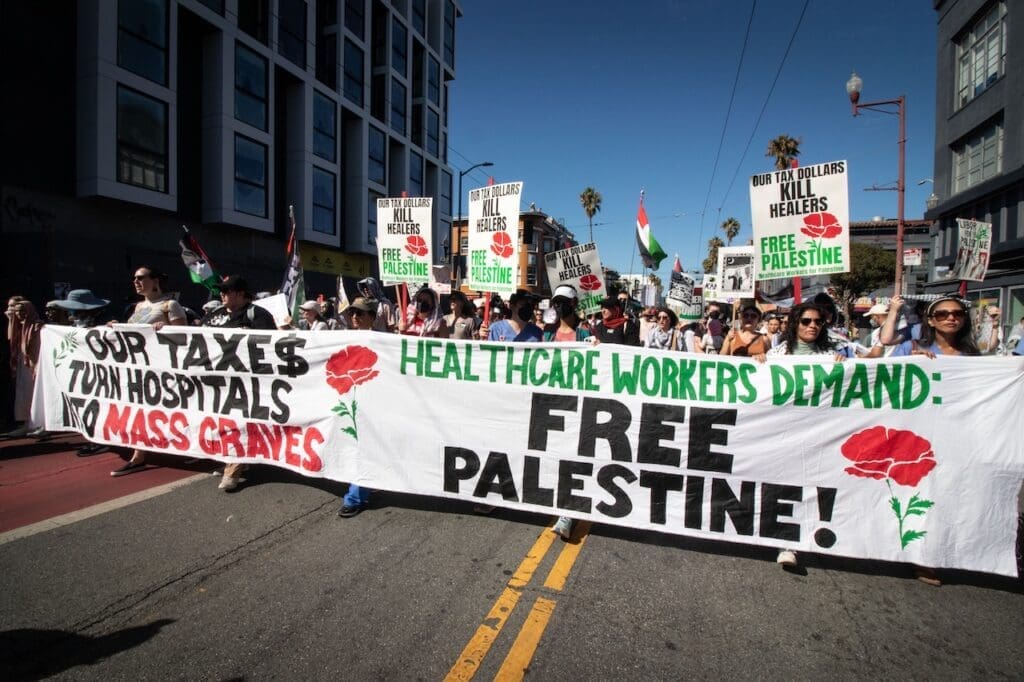
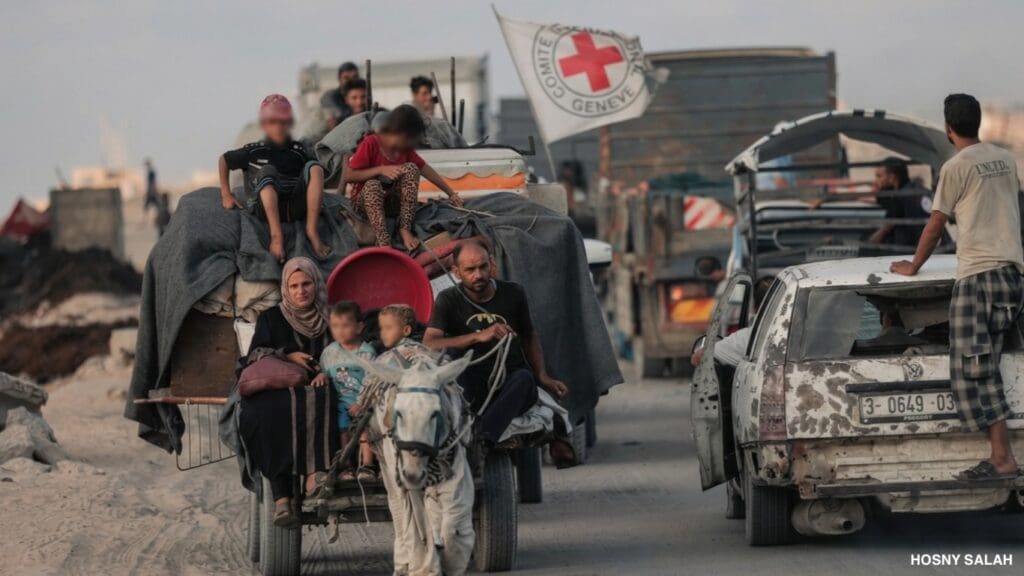
Focusing on environmental justice struggles in locations including Palestine, the Golan Heights, Lebanon, and Iraq, this conversation will explore transnational linkages between efforts and struggles in the Middle East, the United States, and elsewhere. Speakers will discuss the power of community-driven activism, organising, and resistance to forms of environmental injustice such as water access denial, land dispossession, and forced exposure to toxins. The discussion will address how inclusive cities are a core component of a comprehensive approach to environmental justice, particularly in the wake of the August 2020 Beirut explosion.
Speakers will discuss how recognising and understanding the experiences of communities contending with protracted environmental injustice at the local level are critical to fully understanding the implications of international environmental injustice and the climate crisis. How have narrow definitions of environmental justice shaped policies? And how are communities resisting this repression?
Featured Speaker
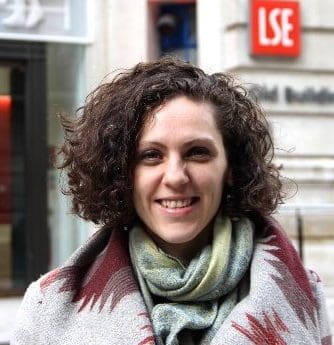
Muna Dajani is a Fellow in Environment at the Department of Geography and Environment at the London School of Economics, where she also completed her PhD. Her research draws on critical political ecology to examine water and land governance under settler colonialism, with a focus on Palestine and the occupied Syrian Golan Heights. She is the lead editor of The Untold Story of the Golan Heights (I.B. Tauris, 2021) and has published in Political Geography, Antipode, Environment and Planning E, and Water Alternatives. She previously held research positions at Lancaster University and the University of East Anglia’s Water Security Research Centre.