









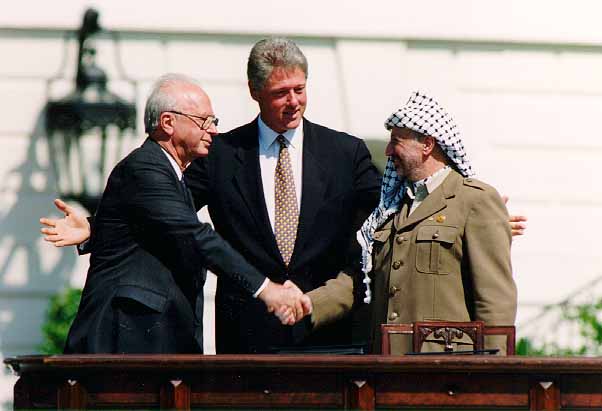
A quarter of a century since the signing of the Oslo Accords, an independent and sovereign Palestinian state has become little more than a myth as Israel continues to expand its settler colonial project and military occupation. Oslo’s structure and framework are to blame for this reality, as the Accords were not a peace agreement but a security arrangement between colonizer and colonized. Oslo not only shrank and fragmented Palestine and the Palestinians, but also imposed rigid political and economic structures that have constrained Palestinians’ freedom and shackled their ability to realize their rights and self-determination.1
In this selection of pieces, Al-Shabaka policy analysts examine Oslo and its impact on the political and economic domains that govern Palestinians in the West Bank and Gaza Strip. They argue that Palestinians can only achieve their basic political, civil, and human rights by reversing the Accords’ detrimental effects on the Palestinian struggle and rebuilding consensus around their national goal.
The Politics of Oslo
Oslo’s Roots: Kissinger, the PLO, and the Peace Process
By Osamah Khalil
Osamah Khalil draws on declassified US diplomatic documents to argue that the roots of Oslo lie in the Palestine Liberation Organization (PLO) leadership’s pursuit of a relationship with Washington. Private conversations were in sharp contrast to the revolutionary rhetoric espoused by the PLO to appease its supporters, revealing how the leadership was eager for negotiations and confirming that American and Israeli intransigence delayed a resolution to the conflict. Read more…
How Sovereign a State?
By Camille Mansour
Camille Mansour identifies some of the areas relating to sovereignty in the West Bank and Gaza Strip that Israel and the PLO would have to negotiate in the event that serious peace talks are held. His aim is to warn against pitfalls and recommend positions and approaches, even with the knowledge that serious negotiations will not begin soon.
Read more…
Tracking the Trends of the Palestinian Cause Since 1967
By Nadia Hijab and Mouin Rabbani
The Palestinian cause today has in some respects reverted to where it stood before the 1967 war. Nadia Hijab and Mouin Rabbani retrace this trajectory to understand how we reached the current situation, and derive insights on where to go from here. Read more…
Reclaiming Self-Determination
By Ali Abuminah
Ali Abunimah reviews the evolution of the concept of self-determination, its applicability to the Palestinian people, and its gradual erosion since 1991. He argues that self-determination must return to the center of the Palestinian struggle, and shows how the Palestinian exercise of this right can be compatible with eventual coexistence with Israeli Jews. Read more…
The Economics of Oslo
Can Oslo’s Failed Aid Model Be Laid to Rest?
By Jeremy Wildeman and Alaa Tartir
Since the 1993 signing of the Oslo Accords, the donor community has invested more than $23 billion in “peace and development” in the Occupied Palestinian Territory. Yet aid has not brought peace, development, or security to the Palestinian people, let alone justice. Jeremy Wildeman and Alaa Tartir examine the origins of the aid-for-peace model and its effects on socioeconomic conditions, and bring to the fore the many critiques of the Oslo economic model. Read more…
Building a Failed State: Palestine’s Governance and Economy Delinked
By Ibrahim Shikaki and Joanna Springer
Though the billions of international dollars given to the Palestinian Authority (PA) for “development,” infrastructure, and humanitarian relief have been hailed as a successful conduit for institution building, they have instead brought on dire socioeconomic conditions. Ibrahim Shikaki and Joanna Springer argue that de-politicizing Palestinian economic development has led to a harmful infatuation with prescriptive efficiency and technical solutions. Read more…
Political and Economic Outcomes
The Palestinian Authority: Unsettling Status Quo Scenarios
By Asem Khalil
Asem Khalil examines the fact that though the PA appears to be at the center of Palestinian politics, its governance function is virtually irrelevant – a weakness that he predicts will play out in variations on the current status quo, all of which lead to a more intensified condition of Israeli apartheid. Read more…
Palestinian Political Disintegration, Culture, and National Identity
By Jamil Hilal
The Palestinian political field has been in a state of disintegration since the PA was established under the Oslo Accords. Jamil Hilal addresses the impact of this disintegration on the Palestinian body politic and the cultural field and its contribution to Palestinian national identity. Read more…
How Israeli Settlements Stifle Palestine’s Economy
By Samia al-Botmeh, and Leila Fasakh
Samia al-Botmeh, and Leila Farsakh demonstrate the devastating impact Israel’s settlement enterprise has had on the Palestinian economy, dispossessing Palestinians of their land, water, and other resources and creating mass unemployment. They also address Palestinian workers who have been forced to earn a living in the settlements. Read more…
Talking Palestine: What Frame of Analysis? Which Goals and Messages?
By Nadia Hijab and Ingrid Jaradat Gassner
Nadia Hijab and Ingrid Jaradat Gassner argue that the multiplicity of frameworks of analysis describing the Palestine question creates confusion around goals and messages. They review the strengths and drawbacks of each and recommend the anti-apartheid framework as the most strategic method of analysis around which Palestinians can come together and work toward a clear set of goals. Read more…
- To read this piece in French, please click here. Al-Shabaka is grateful for the efforts by human rights advocates to translate its pieces, but is not responsible for any change in meaning.
Samia Al-Botmeh is an assistant professor in economics at the Faculty of Business and Economics at Birzeit University. She was the director of the Centre for Development Studies at Birzeit University until 2014 and previously worked with the Palestine Economic Policy Research Institute (MAS) in Ramallah as a researcher. She completed her PhD in labor economics at the School of African and Oriental Studies, University of London. Areas of interest and publications include gender economics, labor economics, and the political economy of development. Samia has conducted research on alternatives to neo-liberal development in the West Bank and Gaza, and on gender differentials in labour market outcomes.
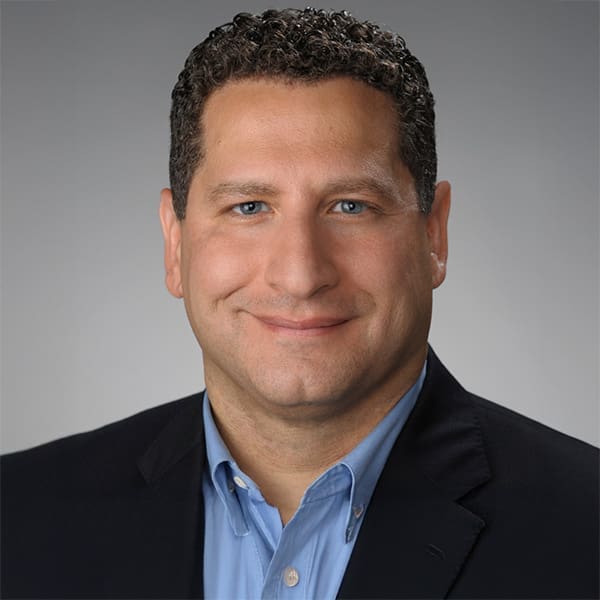
Osamah Khalil is a co-founder of Al-Shabaka. He is an Associate Professor of History at Syracuse University’s Maxwell School of Citizenship and Public Affairs. Khalil is the author of America’s Dream Palace: Middle East Expertise and the Rise of the National Security State (Harvard University Press, 2016).
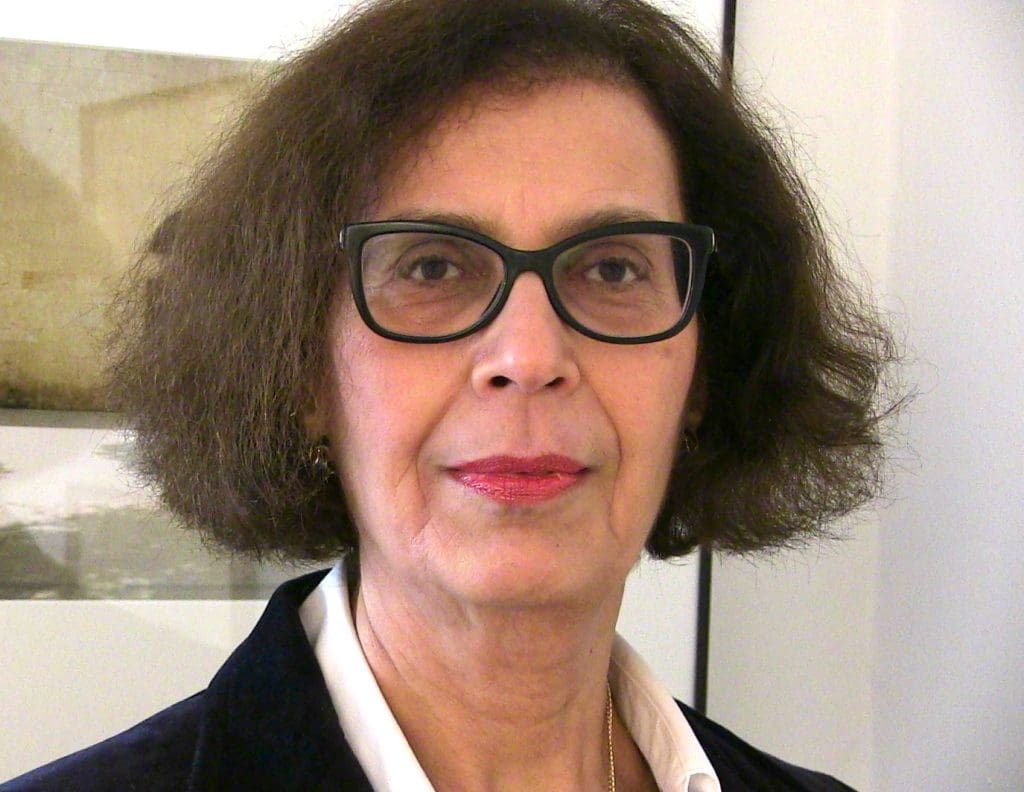
Nadia Hijab is co-founder and honorary president of Al-Shabaka: The Palestinian Policy Network. She served as Board President from 2010-2021 and as Executive Director between 2011 and March 2018. A writer, public speaker and media commentator, Hijab’s first book, Womanpower: The Arab Debate on Women at Work was published by Cambridge University Press and she co-authored Citizens Apart: A Portrait of Palestinians in Israel (I. B. Tauris). She was Editor-in-Chief of the London-based Middle East Magazine before serving at the United Nations in New York. She is a co-founder and former co-chair of the US Campaign for Palestinian Rights and now serves on its advisory board. She continues to serve Al-Shabaka in an advisory capacity and support its mission.

Mouni Rabbani is an independent writer and analyst specializing in Palestinian affairs and the Arab-Israeli conflict. He is a senior fellow at the Institute for Palestine Studies and is a Contributing Editor to the Middle East Report. His articles have also appeared in The National and he has provided comments for The New York Times.
Leila Farsakh is a Palestinian political economist and professor of Political Science at the University of Massachusetts Boston. Her books include Rethinking Statehood in Palestine: Self-Determination and Decolonization Beyond Partition (University of California Press, 2021), Palestinian Labor Migration to Israel: Labour, Land and Occupation (Routledge, 2005, second edition 2012), and The Arab-Jewish Questions: Geographies of Engagement in Palestine and Beyond (Columbia University Press, 2020), co-edited with Bashir Bashir. She has worked with the OECD in Paris, UNDP in Jerusalem, and MAS in Ramallah, and was awarded the Peace and Justice Award from the Cambridge Peace Commission in 2001.
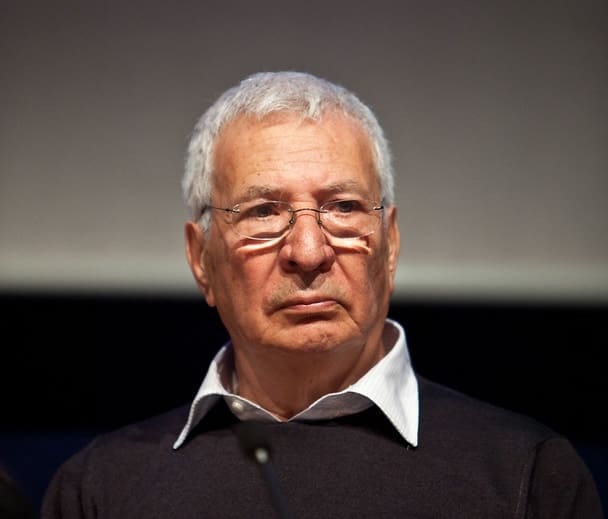
Jamil Hilal is an independent Palestinian sociologist and writer, and has published many books and numerous articles on Palestinian society, the Arab-Israeli Conflict, and Middle East issues. Hilal has held, and holds, associate senior research fellowship at a number of Palestinian research institutions. His recent publications include works on poverty, Palestinian political parties, and the political system after Oslo. He edited Where Now for Palestine: The Demise of the Two-State Solution (Z Books, 2007), and with Ilan Pappe edited Across the Wall (I.B. Tauris, 2010).

Al-Shabaka Policy Member Jeremy Wildeman is a Research Associate at the University of Bath’s “Department of Social and Policy Sciences” where he is carrying out research on donor policy towards the Palestinians. Previously he completed a PhD on Canadian and foreign development aid towards the Palestinians, and has collaborated on a number of past research projects on Palestinian development, economy and NGOs. He also has substantial past experience with the Palestinian NGO sector, including co-founding the Nablus-based youth development charity ”Project Hope.”

Al-Shabaka Policy Member Joanna Springer is a researcher on development policy and governance reform in the Middle East. She has carried out research and worked for local organizations in Morocco, Qatar and the West Bank. Currently, Joanna is research advisor for a rule of law advancement project in the Arab Gulf. She holds a Master’s of Public Policy and Administration from the University of Massachusetts-Amherst with a focus in economic development.
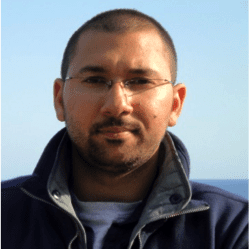
Al-Shabaka policy analyst, Ibrahim Shikaki, is assistant professor of economics at Trinity College, Hartford, CT. He earned his PhD from the New School for Social Research (NSSR) in New York, and held teaching positions at NSSR, The International University College of Turin, Birzeit, and Al-Quds universities. He also held research positions at the Palestine Economic Policy Research Institute (MAS) in Ramallah and Diakonia’s IHL Research Center in East Jerusalem. His recent writings include an upcoming chapter on the political economy of dependency and class formation in Palestine, and a brief on the economic aspects of Kushner’s Bahrain Plan.

Ingrid Jaradat Gassner (d. 2023) was a co-founder and former director of Badil Resource Center for Palestinian Residency and Refugee Rights (Badil). She worked extensively in the fields of international law and advocacy, including innovative research on Palestinian refugees, the right to return, Israeli colonialism and apartheid and related third-state responsibilities. She also coordinated research for a Palestinian civic initiative seeking to register exiled Palestinians as voters and campaign for direct PNC elections and carried out advocacy with the Civic Coalition for Palestinian Rights in Jerusalem.
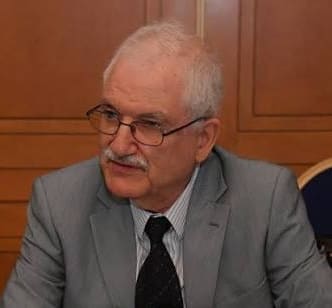
Camille Mansour is secretary-general of the Institute for Palestine Studies Board of Trustees and a member of Birzeit University’s Board of Trustees. He was professor of international relations and Middle East politics at Paris University from 1984 to 2004, and taught at Birzeit University where he founded and headed the Institute of Law (1994–2000) and established al-Muqtafi, the Palestine Judicial and Legislative Databank. He is currently chief editor of the Interactive Encyclopedia of the Palestine Question, a joint project of the Institute for Palestine Studies and the Palestinian Museum. His books include Beyond Alliance: Israel in US Foreign Policy (Columbia University Press, 1994) and Transformed Landscapes: Essays on Palestine and the Middle East in Honor of Walid Khalidi (AUC Press, 2009).
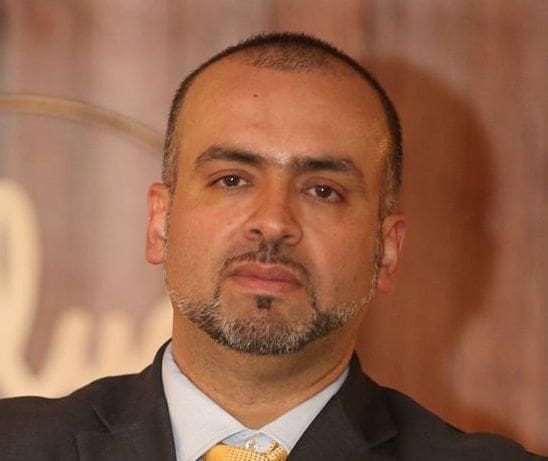
Asem Khalil is a professor of Public Law and the H.H. Shaikh Hamad Bin Khalifa Al-Thani Professor of Constitutional and International Law, Birzeit University. He is the former Vice President for Community Affairs (2016-2020), Dean of the Faculty of Law and Public Administration (2012-2015), and of the Ibrahim Abu-Lughod Institute of International Studies (2010-2012). Dr. Khalil holds a Ph.D. in Public Law, Fribourg University, Switzerland, a Masters in Public Administration from the National School of Administration, France, and a doctorate in Utriusque Juris, Lateran University, Italy. He was a visiting researcher at the NYU School of Law (2009-2010 and 2015-2016) and at the Max Planck Institute, Germany (Summer of 2015). A full list of his publications is available at: https://asemkhalil.com/
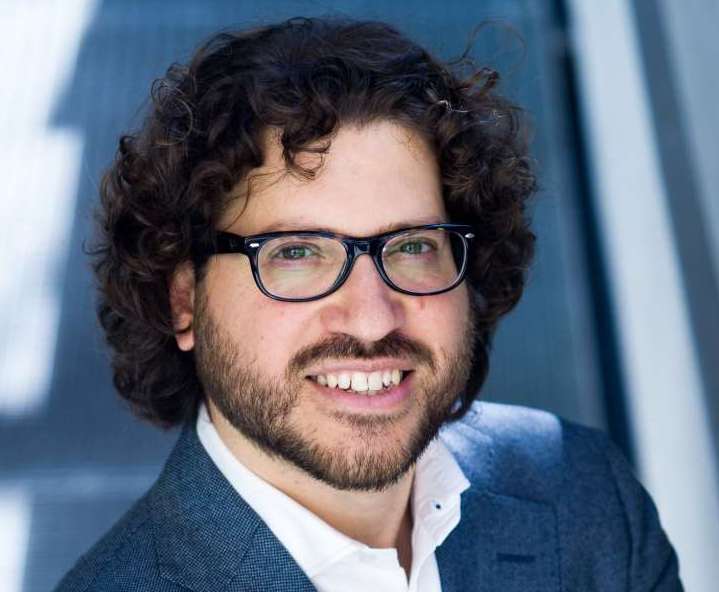
Alaa Tartir is Al-Shabaka’s program and policy advisor. He is a senior researcher and director of the Middle East and North Africa Programme at Stockholm International Peace Research Institute, as well as a research associate and academic coordinator at the Geneva Graduate Institute, global fellow at the Peace Research Institute Oslo, and governing board member of the Arab Reform Initiative. Alaa holds a PhD from the London School of Economics and Political Science and is co-editor of Resisting Domination in Palestine: Mechanisms and Techniques of Control, Coloniality and Settler Colonialism (2023), Political Economy of Palestine: Critical, Interdisciplinary, and Decolonial Perspectives (2021) and Palestine and Rule of Power: Local Dissent vs. International Governance (2019). He can be followed on Twitter (@alaatartir), and his publications can be accessed at www.alaatartir.com.

Ali Abunimah is the author of One Country: A Bold Proposal to End the Israeli Palestinian Impasse (2006), and co-founder and director of the widely acclaimed publication The Electronic Intifada. Based in the United States, he has written hundreds of articles and been an active part of the movement for justice in Palestine for 20 years. He is the recipient of a 2013 Lannan Cultural Freedom Fellowship. His most recent book is The Battle for Justice in Palestine.