





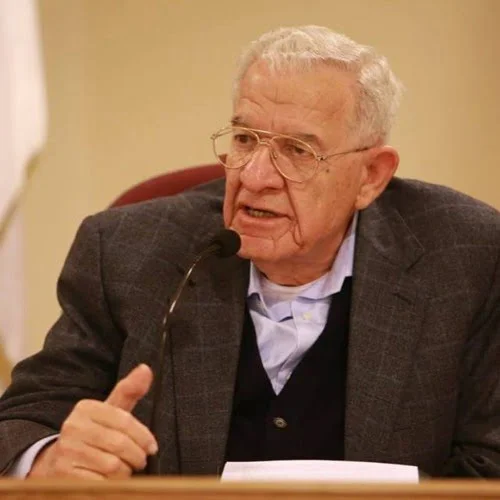
Anis Kassim is an international lawyer based in Amman and a board member of Law for Palestine. He holds an SJD from George Washington University and has served as editorial advisor to the Palestine Yearbook of International Law, which he edited from 1984 to 2000. He was a member of the Palestinian defense team in the case against the separation wall at the International Court of Justice, resulting in the July 2004 Advisory Opinion affirming its illegality, and served as legal adviser to the Palestinian delegation in the Madrid and Washington peace negotiations from 1991 to 1993.

From this author
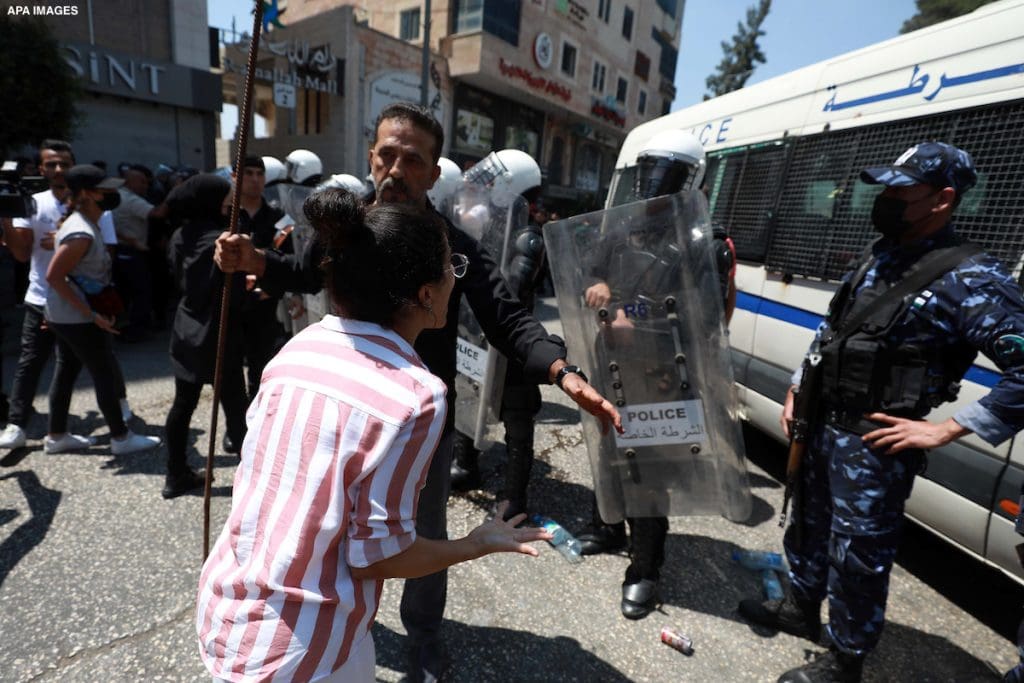
Punctuated by the outbreak of the Unity Intifada in May 2021, the trajectory of Palestinian resistance is experiencing a watershed phase marked by new actors and themes. With the effective neutralization of the Palestinian Liberation Organization (PLO) since the 1993 Oslo Accords, the deepening geopolitical fragmentation of Palestinians across colonized Palestine and the world, and the global shift to cyberspace, new opportunities — and threats — to Palestinian resistance have emerged.


+
Sam Bahour,Rana Barakat,Mary Nazzal-Batayneh, + MoreOroub el-Abed,Nadia Hijab,Victor Kashkoush,Anis Kassim,Osamah Khalil,Mouin Rabbani,Jamil Hilal,Loubna Qutami,Haidar Eid,Yara Hawari,Nadim Nashif,Raya Naamneh,Omar Barghouti,Marwa Fatafta,Tariq Dana,Hatem Bazian,Noura Erakat,Alaa Tartir,Issam Younis,Nada Awad,Diana Buttu,Ingrid Jaradat Gassner· Aug 26, 2021
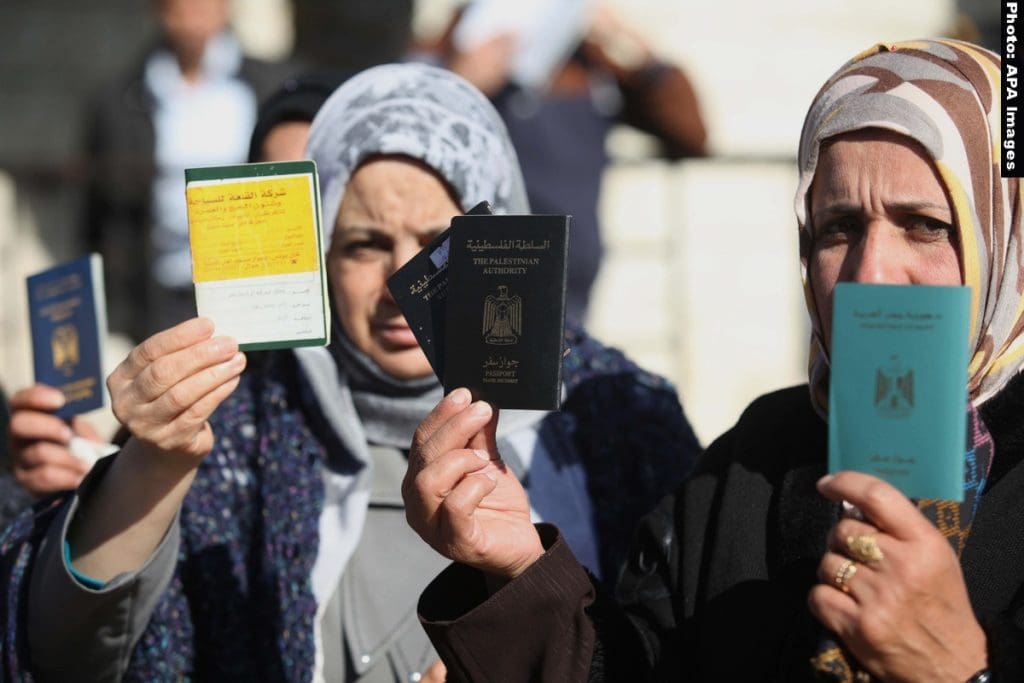
The rights of Palestinian refugees have been long neglected and their suffering has been carried from generation to generation for 67 years. In his recent piece A Bold Proposal: Palestine Should Give Its Refugees Citizenship, Al-Shabaka Policy Advisor Fateh Azzam argued that the State of Palestine should confer citizenship on its stateless refugees and enter into bilateral agreements with other states regarding the status of Palestinian citizens in each country.
The latest Al-Shabaka roundtable examines the effectiveness of different forms of resistance in achieving Palestinian rights. The participants discussed a range of issues from the implications of armed struggle to the potential and limitations of the boycott, divestment, and sanctions movement.