







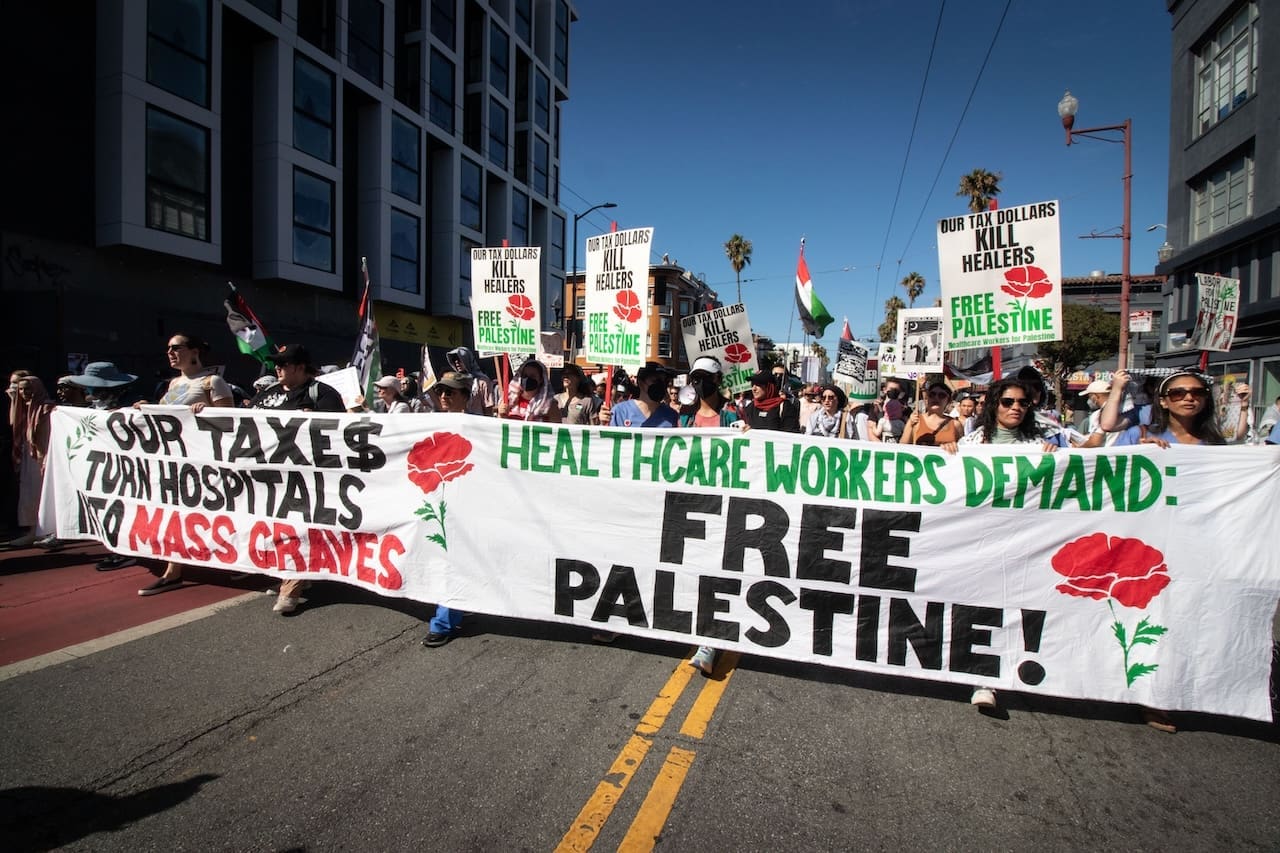
Executive Summary
Genocide generates intended and foreseeable threats to life and health, whether directly or in the creation of conditions designed to bring about a group’s destruction. Yet the health sciences, dedicated principally to understanding and mitigating threats to life, health, and well-being, remain an untapped resource for adjudicating, early identifying, and potentially interrupting genocide.
This policy brief argues that public health frameworks provide the organizational and explanatory structures necessary to understand the short- and long-term health implications of genocide. From documenting these effects and supporting evidence to predicting the risk of genocide, the health sciences can systematically contribute to genocide studies and inform legal arguments, public discourse, and political action. These contributions can, in turn, strengthen efforts to prevent, document, prosecute, and punish genocide.
Recommendations
Public Health Practitioners, Scholars, and Humanitarian Organizations
- Improve the collection and generation of public health evidence of genocide and the risk of genocide. Strengthen the systematic collection, verification, and analysis of data on mortality, morbidity, displacement, food insecurity, and healthcare infrastructure.
- Utilize structural determinants of health—including deprivation, displacement, destruction of healthcare systems, restrictions on essential resources—to identify and document patterns consistent with genocide and the risk of genocide. Examine how political, historical, social, legal, and economic structures shape population-level harms and contribute to genocidal processes.
- Develop adaptive methodologies to capture the full magnitude of genocide across populations and time. Account for direct and indirect harms, including excess mortality, long-term physical and mental health consequences, disability, forced displacement, and intergenerational effects. Prioritize methodologies that generate evidence relevant to questions of genocidal intent by analyzing policies, patterns of conduct, official statements, and cumulative impacts on targeted groups.
Governments, Public Health Organizations, Civil Society, Academic Institutions, and Journals
- Recognize genocide as a public health crisis requiring coordinated institutional action. Acknowledge the profound health consequences and legal obligations associated with genocide and mass atrocities and ensure that such recognition informs advocacy, documentation, and prevention efforts, and support for international legal accountability.
- Align institutional practices with international law and ethical obligations. Evaluate institutional relationships, policies, practices, and investments in line with legal obligations to prevent and punish genocide, and consider appropriate measures—including state sanctions, divestment initiatives, boycotts, and other forms of institutional accountability—consistent with institutional mandates and legal responsibilities.
Bodies Tasked with Preventing, Investigating, and Ending Genocide
- Incorporate public health evidence into assessments of genocidal risk and intent. Draw on structural risk factors, patterns of deprivation and population-level harm, foreseeable health consequences, policies, patterns of conduct, official statements, and cumulative impacts on targeted groups to support early identification, investigation, and prevention of genocidal violence.
- Incorporate public health data into legal, investigative, and accountability processes. Draw on evidence of mortality, morbidity, disability, displacement, food insecurity, healthcare infrastructure, and other determinants of health in evidentiary records and support the determination of individual criminal responsibility and state responsibility, including at the ICC, in the courts of third states, and at the International Court of Justice.
Introduction
Genocide is an eliminatory process through which perpetrators seek the destruction of a group with detrimental consequences for population health and well-being. Article II(c) of the 1948 Genocide Convention clearly defines “[d]eliberately inflicting on [a] group conditions of life calculated to bring about its physical destruction” as an act of genocide that is “committed with the intent to destroy, in whole or in part, a national, ethnical, racial or religious group, as such.” In Gaza, the population’s health has been a direct target of Israeli genocidal policies, from the use of siege warfare and starvation to the decimation of the healthcare system. Despite the clear relationship between genocide and its health consequences, the health sciences continue to provide limited contributions to genocide studies.
Many public health and medical associations and journals have either remained silent, promoted false narratives that minimize the humanitarian and political realities of the Gaza genocide, or, in some cases, provided cover for it by describing the Israeli regime’s acts as legitimate self-defense. Instead of regarding bombing hospitals as a crime that should be unconditionally condemned, some medical journals published articles and commentaries that frame it as a matter of debate—justifying the violence against civilians by the “hospital shield” accusation. In general, health science research production has reflected a disciplinary landscape unwilling to recognize the enormity of an unfolding genocide, let alone advocate for its interruption or prevention.
This policy brief argues that the health sciences, which encompass the study of health behaviors, policies, systems, and outcomes, have a clear role to play in collecting and interpreting evidence relevant to the prevention, prosecution, and punishment of genocide. It first examines the relationship between health and genocide, particularly in the context of settler colonialism. It then contextualizes the targeting of health as a “technique of genocide,” highlighting common patterns across seemingly disparate contexts. Finally, it identifies three ways the health sciences can contribute to genocide studies by producing evidence and insights that inform legal accountability processes, public discourse and mobilization, and prevention by predicting the risk of genocide and other atrocity crimes.
Health and Settler Colonial Genocide
Genocide is enacted not only through mass killing but also through destruction of the conditions necessary for collective survival, those essential to sustain health and life. Polish Jewish lawyer Raphaël Lemkin coined the term genocide in 1944. He considered genocide to involve “the destruction of essential foundations of the life of national groups, with the aim of annihilating the groups themselves.” For Lemkin, the destruction of health was not incidental to genocide but one of the “techniques” of group destruction. Genocide’s objective, he argued, is the “disintegration of the political and social institutions, of culture, language, national feelings, religion, and the economic existence of national groups, and the destruction of the personal security, liberty, health, dignity, and even the lives of the individuals belonging to such groups.”
As a determinant of health, settler colonialism represents a major risk factor for genocide Share on X
Destruction and replacement—the two phases of genocide identified by Lemkin—correspond with Patrick Wolfe’s definition of the settler colonial logic of the elimination of the native. Indeed, genocide has been a recurrent tactic of settler-colonial elimination over the last five centuries. The targeted group’s capacity to survive is often weakened through a process conceptualized by genocide scholar Helen Fein as genocide by attrition: “deprivation of conditions essential for maintaining health, thereby producing mass death.” Her formulation further makes explicit that attacks on health are not merely consequences of genocide but constitute one of its techniques.
Theories around the elimination of Indigenous peoples in the context of settler societies were developed as early as the 19th century. The German geographer and zoologist Friedrich Ratzel coined the term lebensraum (living space) to describe what he perceived as an instinct among the dominant human species to expand in search of territory and sustenance at the others’ expense. After observing settler-colonial frontier expansion in North America, Ratzel concluded that the struggle for lebensraum was one of annihilation—and that one of its most efficient methods was displacing populations, confining them to concentrated spaces, and restricting their access to food and water. In this way, the targeted populations died in great numbers—not only through direct killing.
Understanding genocide in this way reveals why health and healthcare are central both to the perpetration of genocide and to efforts to resist, document, and ultimately prevent it. Israel’s ongoing decimation of the Palestinian healthcare system in Gaza is a stark case in point. The UN special rapporteur on the situation of human rights in the Palestinian territory occupied since 1967, Francesca Albanese, determined that the destruction of Gaza’s hospitals formed part of Israel’s genocidal logic by “disregarding their function as indispensable hubs of societal survival for the thousands injured and the many more seeking shelter.” She further recognized the Gaza genocide as part of an “escalatory stage of a longstanding settler colonial process of erasure… [that] has suffocated the Palestinian people as a group—demographically, culturally, economically and politically—seeking to displace it and expropriate and control its land and resources.” As she argues, genocide is best understood as a process, and, in the case of Palestine, as the culmination of over a century of Zionist settler colonialism, including Israel’s longstanding system of medical apartheid against the Palestinian people.
Before the Israeli regime intensified its illegal blockade of Gaza in 2007, Wolfe argued that settler colonialism could serve as an indicator of genocidal risk and thus help predict and prevent it. He observed that conditions in the West Bank and Gaza were already comparable to those of the US reservation system and the Warsaw Ghetto. Emphasizing this predictive value, Wolfe wrote that we should “monitor situations in which settler colonialism intensifies” to take urgent measures to prevent genocide. Describing the situation of Palestinians as “an ominous case in point” nearly two decades ago, he anticipated the conditions of the present moment, underscoring the predictive and preventive value of the settler colonial analytic. As a determinant of health, settler colonialism represents a major risk factor for genocide. Employing settler colonialism as a public health framework helps us recognize and analyze the ever-evolving tools and technologies used to eliminate, displace, and sequester Indigenous peoples over time.
Targeting Health as a Technique of Genocide
In September 2025, the Independent International Commission of Inquiry concluded that the Israeli regime’s “systematic and complete destruction of the healthcare system in Gaza, the siege-induced deprivation of medical necessities to Palestinians and the denial of medical exit visas to Palestinians who were most in medical need were part of the intent to destroy Palestinians in Gaza by preventing their capacity and possibility to heal, recover and live.” In tandem, Israeli officials have issued hundreds of statements dehumanizing Palestinians, constituting incitement to violence and to genocide. Indeed, there is extensive documented evidence of the Israeli regime’s destruction of Palestinian health through patterns of violence exploited by other genocidal regimes.
Restricted access to, or outright destruction of, healthcare is not merely an unintended consequence of genocide but a purposeful act of structural and people-destroying violence Share on X
The weaponization of water was employed during Germany’s genocide of the Herero and Nama peoples in Southwest Africa (present-day Namibia) between 1904 and 1908. In what is widely considered the first genocide of the 20th century linked to a settler colonial project, German soldiers occupied water wells “as part of the strategy of annihilation.”
Throughout the Turkish genocide of the Armenian people (1915–1923), Armenians were subjected to mass deportation and killed through “shooting, medical murder, medical experiments and other means.” Turkish physicians poisoned children in hospital facilities and schools, and conducted “typhus serum experiments” on Armenian patients, while systematically targeting doctors and nurses.
The Holocaust marked systematic medical complicity in genocide, later exposed in the Doctors’ Trial at Nuremberg. Lemkin identified three “physical techniques” through which the genocidal Nazi regime carried out the physical destruction of groups in occupied Europe: mass killing, racial discrimination in access to food, and the endangerment of health. The third involved depriving people of the “elemental necessities for preserving health and life,” including access to medicines and fuel, and creating conditions inimical to health, including those that facilitated the spread of disease.
The aftermath of World War II saw the adoption of the 1947 Nuremberg Code, the 1948 Declaration of Geneva, which enshrined principles of medical ethics; the 1948 Genocide Convention, which sought to prevent and punish genocide; and the 1949 Geneva Conventions that enshrined provisions for the protection of healthcare during armed conflict, including military occupation. Despite the codification of these norms and commitments, genocidal processes have persisted throughout the 20th and 21stcenturies.
Attacks on hospitals and healthcare workers remained a consistent feature, including during the Rwandan genocide in 1994, where most hospitals and clinics were damaged, and over 80% of healthcare workers were killed or forced to flee. Physicians for Human Rights (UK) found that medical facilities were deliberately targeted because of “the appealing but usually erroneous perception [by civilians] that medical establishments were safe areas.” The group further found that a technique of genocide involved “the seeking out and killing of wounded survivors of previous massacres once they were conveniently assembled in hospitals [as] an efficient way of completing the job.” Doctors who resisted and “refused to execute or turn over patients” were, for the most part, killed.
Between 1992 and 1995, Bosnian Serb forces targeted population health and conditions of collective survival during the genocide. They deliberately attacked hospitals, committed systematic rape, and besieged towns. The siege of Sarajevo involved “sealing off access to food and interrupting the public water supply…to force the people to leave.”
In Darfur, as early as 2004, medical practitioners warned of genocide due to the denial of food and water, alongside “systematic targeted assaults, massive disruption of livelihood… organized obstruction of aid, and deliberate consignment to conditions conducive to death from exposure and disease.” The situation in Darfur was referred to the International Criminal Court (ICC) in 2005, which charged Sudan’s then-sitting president, Omar al-Bashir, with three counts of genocide, among other crimes.
Despite the specificities of each historical and ongoing context of genocide, perpetrator actions across multiple settings demonstrate a consistent throughline: restricted access to or outright destruction of healthcare is not merely an unintended consequence of genocide but a purposeful act of structural and people-destroying violence. Sian Persad and Cheng Xu argue that “access to adequate food, clean drinking water, sanitation, and other essential health services being either limited or wholly denied to target groups, can be observed during the course of nearly all recorded cases of genocide whereby the victims are not only forced into gas chambers or on to killing fields, but allowed to die in mass numbers over time under entirely preventable conditions that were deliberately put into place.”
In the face of these atrocities, public health practitioners and researchers have documented the physical and mental toll of genocide, either in the immediate aftermath or years and decades later. Public health research on Rwanda has shown how the mental toll of genocide persists among survivors and their children, while research across broader contexts has revealed an increased risk of dementia among genocide survivors. In the former Yugoslavia, clinical analysis of survivors identified an increased prevalence of certain infectious and heart diseases. Multiple studies have assessed the physical and mental health status of survivors of the Holocaust, even decades later. Yet the contribution of the health sciences to genocide studies can extend far beyond retrospectively documenting these consequences, to actively examining patterns of harm at the population level and the structural conditions that produce them.
The Role of the Health Sciences in Genocide Studies
There is an urgent need to implement a public health framework of genocide, recognizing that “the rhetoric of health and epidemiology remains an integral part of the perpetrators’ designs for destruction.” Such a perspective would allow for the inclusion of protracted health consequences that persist across the life course of the targeted groups and across generations. A public health approach that considers the structural determinants of health recognizes genocide as a process rather than a single event, one that encompasses acts as varied as forced displacement, land dispossession, individual and mass violence, and deprivation. It also recognizes that dismantling oppressive structures—and not merely attempts to return to a pre-genocide status quo—is a vital dimension of justice for survivors.
Foreseeability: Real Harm and Genocidal Intent
The most direct health consequences of genocide are death and serious bodily and mental harm. In Gaza, some estimates indicate that up to 10% of the population have been killed, injured, or reported missing since the start of the genocide. Life expectancy is believed to have dropped from an estimated 77.4 years to 47.5 years among women and from 73.7 years to 35.6 years among men. Moreover, the Israeli regime has used physical disablement and impairment as a genocidal tactic. While injury estimates provide a crude epidemiological understanding of direct harm, they do not account for the complexity and scope of injuries or the future deaths, morbidity, and disability that will result from them.
By providing information concerning the foreseeable … outcomes of violence, the health sciences are uniquely positioned to contribute to the determination of genocidal intent Share on X
Consequently, foreseeability embedded in the health sciences method is crucial to understanding the real extent of the genocidal harm and determining intent. For example, complex fractures secondary to crush injuries or penetrating trauma from ballistic projectiles require input from a range of subspecialty medical providers to achieve optimal long-term outcomes. These wounds are at high risk of infection and other complications, chronic pain, and psychosocial and emotional trauma. In Gaza, healthcare providers have documented and testified on the scope and scale of injuries underpinning Israel’s ongoing genocide—including X-ray evidence of the sniper targeting of children and key insights into the tactics or weapons used to commit genocidal acts. Injury, disablement, and future intensive healthcare needs are often predictable, based not only on the military tactics and weapons used, but also on evidence already accrued in the medical and public health fields. By providing information concerning the foreseeable or even inevitable health-related outcomes of violence, the health sciences are uniquely positioned to contribute to the determination of genocidal intent.
The health of both individuals and communities requires not only access to medical care but also favorable social and structural determinants of health. Throughout the ongoing Gaza genocide, most infrastructure providing critical services for Palestinians—such as access points for clean water, healthcare and educational institutions, sanitation and hygiene facilities, and shelters—has been partially or completely destroyed, with grave health-related manifestations of genocide.
The spread of communicable disease is a case in point. The polio outbreak in Gaza—in a population with a pre-October 2023 childhood vaccination rate of 99%—demonstrates how the destruction of public health services has created the conditions for disease spread in ways that are entirely foreseeable based on established knowledge of disease prevention. The meningitis outbreak among children is another predictable result of the destruction of public health infrastructure, mass displacement, and starvation-related malnutrition.
Guillain-Barré syndrome (GBS)—a rare paralytic and life-threatening condition—has also been associated with infectious disease outbreaks in conflict settings. In these contexts, where comprehensive surveillance systems have been disrupted, clusters of GBS cases may indicate increased infectious disease transmission, as has been seen in Gaza.
The foreseeable effects of toxic munitions on population health, alongside the impact of the destruction of agricultural land, ecosystems, and the environment, provide further evidence relevant to assessing genocidal intent for the infliction of “conditions of life calculated to bring about its physical destruction in whole or in part.” Public health research is central to foreseeing the health consequences of genocidal violence, documenting and analyzing it across multiple domains, and also in debunking misinformation and disinformation campaigns that aim to conceal it.
The Israeli regime and its allies were quick to question the accuracy of the death and injury rates reported by the Ministry of Health (MoH) in Gaza, which revealed not only that very high numbers of Palestinians had been killed but also that a significant number of women and children had been murdered, as would be consistent with indiscriminate violence. In December 2023, a commentary in The Lancet emphasized the historical accuracy of MoH mortality data, followed by another study affirming this finding in January 2024. In February 2025, The Lancet utilized MoH hospital data, surveys, and social media obituaries to have a more accurate estimate of the true death toll in Gaza. Researchers found that the trauma-related death toll alone could be 40% higher than the MoH-reported figures, providing additional insight into the scale of Israel’s ongoing genocidal violence.
Utilizing Adaptive Interdisciplinary Methodologies
While Gaza has often been described as the world’s first livestreamed genocide, documenting events on the ground in full has been challenging. The Israeli regime has killed or maimed over 270 Palestinian journalists, and over 1,500 healthcare workers, while preventing international media from entering Gaza. Yet, beyond physicians’ and public health practitioners’ personal accounts and experiences, public health researchers have used adaptive methods to document the unfolding genocide.
Public health as a field uses diverse data and analytic methods to examine conditions affecting population health. When the Israeli regime restricted access to Gaza, intensifying its illegal siege, researchers adapted methods used in other conflict settings to assess the health effects of military destruction. These adaptations include geospatial methods that use data sources like satellite imagery, maps, and GPS to document and analyze events with public health consequences.
Dismantling oppressive structures—and not merely attempts to return to a pre-genocide status quo—is a vital dimension of justice for survivors Share on X
Several groups have used such geospatial methods to document the destruction of infrastructure essential for water, sanitation, education, and healthcare. One study combining satellite data with inferential statistics found that damage was clustered around water, health, and educational infrastructure rather than randomly distributed—a pattern inconsistent with what is expected from incidental damage from military operations designed to avoid infrastructure protected under international humanitarian law. Beyond well-documented direct attacks on hospitals, researchers have also used satellite imagery to analyze the proximity of bomb craters to hospitals to assess whether they are within the “death and destruction” ranges of those blasts.
Analyzing the patterns of thousands of individual infrastructure attacks, killings, and massacres helps distinguish systematic destruction from isolated or incidental harm, providing evidence relevant to establishing patterns of genocidal violence. To this effect, Forensic Architecture has utilized methods such as 3D modeling, remote sensing, aggregation of news results, and spatial analysis to generate a deeper understanding of the systematic nature of attacks on healthcare workers, medical infrastructure, and the health and well-being of Palestinians in Gaza.
Predicting and Preventing the Risk of Genocide
Public health is adept at assessing risk factors for a host of threats to life, of which genocide is one of the most extreme. Yet, the most underutilized contribution of the health sciences to the study of genocide is their role in prediction and prevention. As one study that reviewed academic literature, newspapers, testimonies, and court transcripts from historical genocides concluded, societal risk factors for genocide include “totalitarian government, exclusionary ideologies, armed conflict, economic hardship, and inaction of bystander nations.” Identification of these risk factors can help ensure that settings with such characteristics are recognized early, before genocidal violence is allowed to escalate and with a view to its prevention. While these risk factors tend to manifest in political processes, health scholars and practitioners often see the early consequences of war, poverty, authoritarianism, and societal exclusion in their patients and communities, and can contribute to identifying alarming trends that may portend more widespread atrocities.
Racialization and systematic dehumanization are increasingly theorized and understood as drivers of poor health outcomes for Palestinians across their fragmented geographies. This is the case in the West Bank, including East Jerusalem, in Gaza, and among Palestinian citizens of Israel, who have lower life expectancy, higher rates of infant mortality, and worse health outcomes than their Jewish Israeli counterparts. These disparities are structurally determined by institutional policies and practices within an apartheid system. Understanding these structural determinants—including how fragmentation operates as a main tool of Israel’s settler colonial apartheid regime—provides a theoretical foundation for identifying the root causes of Palestinian ill-health and developing effective population-level interventions to achieve health justice.
Public health frameworks provide the organizational and explanatory structures necessary to understand the short- and long-term health implications of genocide. From documenting these effects and supporting evidence to predicting the risk of genocide, the health sciences can systematically contribute to genocide studies and inform legal arguments, public discourse, and political action. These contributions can, in turn, strengthen efforts to prevent, document, prosecute, and punish genocide.
Recommendations
The following actions are recommended for public health practitioners, scholars, and third parties, as well as institutions and bodies tasked with preventing, investigating, and ending genocide.
Public Health Practitioners, Scholars, and Humanitarian Organizations
- Improve the collection and generation of public health evidence of genocide and the risk of genocide. Strengthen the systematic collection, verification, and analysis of data on mortality, morbidity, displacement, food insecurity, and healthcare infrastructure.
- Utilize structural determinants of health—including deprivation, displacement, destruction of healthcare systems, restrictions on essential resources—to identify and document patterns consistent with genocide and the risk of genocide. Examine how political, historical, social, legal, and economic structures shape population-level harms and contribute to genocidal processes.
- Develop adaptive methodologies to capture the full magnitude of genocide across populations and time. Account for direct and indirect harms, including excess mortality, long-term physical and mental health consequences, disability, forced displacement, and intergenerational effects. Prioritize methodologies that generate evidence relevant to questions of genocidal intent by analyzing policies, patterns of conduct, official statements, and cumulative impacts on targeted groups.
Governments, Public Health Organizations, Civil Society, Academic Institutions, and Journals
- Recognize genocide as a public health crisis requiring coordinated institutional action. Acknowledge the profound health consequences and legal obligations associated with genocide and mass atrocities and ensure that such recognition informs advocacy, documentation, and prevention efforts, and support for international legal accountability.
- Align institutional practices with international law and ethical obligations. Evaluate institutional relationships, policies, practices, and investments in line with legal obligations to prevent and punish genocide, and consider appropriate measures—including state sanctions, divestment initiatives, boycotts, and other forms of institutional accountability—consistent with institutional mandates and legal responsibilities.
Bodies Tasked with Preventing, Investigating, and Ending Genocide
- Incorporate public health evidence into assessments of genocidal risk and intent. Draw on structural risk factors, patterns of deprivation and population-level harm, foreseeable health consequences, policies, patterns of conduct, official statements, and cumulative impacts on targeted groups to support early identification, investigation, and prevention of genocidal violence.
- Incorporate public health data into legal, investigative, and accountability processes. Draw on evidence of mortality, morbidity, disability, displacement, food insecurity, healthcare infrastructure, and other determinants of health in evidentiary records and support the determination of individual criminal responsibility and state responsibility, including at the ICC, in the courts of third states, and at the International Court of Justice.

Bram Wispelwey is a co-founder of Health for Palestine, a community organizing initiative in Palestinian refugee camps that seeks to maximize wellness and address health barriers via social accompaniment. He is co-director of the Palestinian Program for Health and Human Rights, a physician based in the Division of Global Health Equity at Brigham and Women’s Hospital and Harvard Medical School, and a Senior Fellow at the Atlantic Fellows for Health Equity. Driven by his experiences as a physician-activist, his research, education, and implementation efforts focus on the settler colonial determinants of health, reparative strategies to address health inequities, and the impact of community health on workers in Palestinian refugee camps.

David Mills is a pediatric emergency medicine physician and public health practitioner. He is co-director of the Palestine Program for Human Rights at the FXB Center for Health and Human Rights at Harvard University and an Assistant in Pediatrics in the Division of Emergency Medicine at Boston Children’s Hospital. His research, educational, and academic interests focus on the intersections between health and human rights, utilizing critical frameworks to elucidate the social and structural determinants of health and health program implementation to improve access to health education, improve clinical care, and promote health equity.
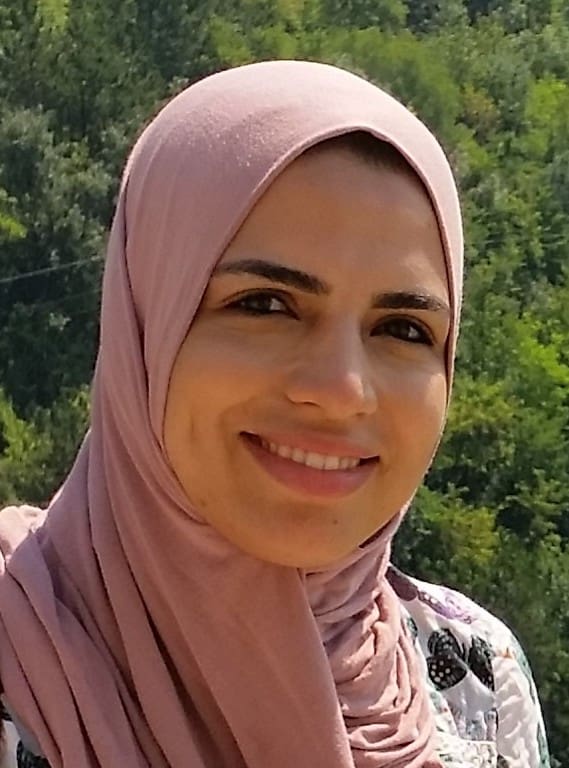
Weeam Hammoudeh is an associate professor in the Sociology department and the Human Biology program at Hunter College-City University of New York and a faculty affiliate at the Institute of Community and Public Health, Birzeit University. She is a visiting scientist at Harvard University’s FXB Center for Health and Human Rights, where she serves as co-director of the Palestine Program for Health and Human Rights, and as a commissioner on the Lancet Commission on Child Health and Racism. Her research focuses on the health impacts of structural and political forces in contexts of occupation, settler-colonization, and displacement, especially in Palestine, as well as the evolution of health systems and community health movements/mobilizations within these contexts. She has published extensively in academic and non-academic outlets and is also a member of various Palestinian, regional, and international professional associations and research networks.

Dr. Yara M. Asi is an Assistant Professor at the University of Central Florida in the School of Global Health Management and Informatics. Her research agenda focuses on global health, human rights, and development in fragile populations. She is a Non-resident Fellow at the Arab Center Washington DC, a 2020-2021 Fulbright US Scholar to the West Bank, the Fall 2021 US Fellow at Al Shabaka Palestinian Policy Network, and the co-chair of the Palestine Health Justice Working Group in the American Public Health Association. Along with working at one of the first accountable care organizations in the United States, she has also worked with Amnesty International USA and the Palestinian American Research Center on policy and outreach issues. She has presented at multiple national and international conferences on topics related to global health, food security, health informatics, and women in healthcare, and has published extensively on health and well-being in fragile and conflict-affected populations in journal articles and book chapters. Her work has also been featured in The Washington Post, The Guardian, The Nation, +972 Magazine, The Conversation, Al Jazeera, The World, and other outlets. Her forthcoming book with Johns Hopkins University Press will examine war as a public health crisis.

Rania Muhareb is a postdoctoral research fellow in the School of Law and Criminology at Maynooth University, and a visiting postdoctoral fellow at the Irish Centre for Human Rights in the School of Law at the University of Galway, where she completed her PhD in December 2024. Her doctoral research examined the mobilization of the apartheid framework by grassroots organizers and human rights organizations to pursue international justice and accountability in Palestine. Rania was the 2025 Palestine Postdoctoral Fellow at the FXB Center for Health and Human Rights at Harvard University, where her research focused on Palestinians’ right to health, drawing on the Apartheid Convention, the Genocide Convention, and the settler-colonialism framework.
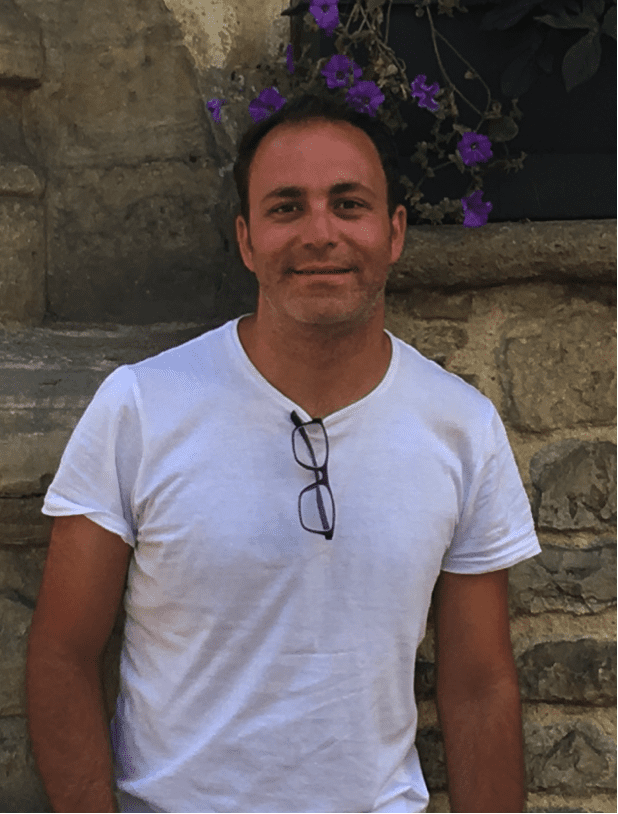
Al-Shabaka Member Osama Tanous is a specialized pediatrician based in Haifa. He is currently pursuing a Masters in Public Health and is a researcher for the Galilee Society: The Arab National Society for Health, Research and Services. Osama is a 2020 candidate for the Fulbright Hubert Humphrey fellowship in public health and health policies. His research interests include structural violence and health disparities.