


israeli elections policy lab sept2026

With Israelis heading to the polls next month, international attention has mainly focused on whether Prime Minister Benjamin Netanyahu and his far-right coalition can cling to power. Meanwhile, liberal Zionists have cast Israel’s opposition candidates as a more “moderate” alternative to Netanyahu’s government. Yet across the Israeli political spectrum, a broad consensus persists around maintaining the apartheid system, entrenching the occupation, and sustaining the ongoing genocide of Palestinians.

What do the upcoming elections reveal about Israel’s political trajectory? Is there any meaningful alternative to the far right, or has Israel’s political mainstream converged around increasingly violent forms of Jewish supremacy? And what are the implications of this right-wing consolidation for Palestinians?

In this Policy Lab, Al-Shabaka analyst Amjad Iraqi joins host Tariq Kenney-Shawa to examine Israel’s electoral landscape, the limits of its so-called opposition camp, and what the election means for the future of the Palestinian struggle.
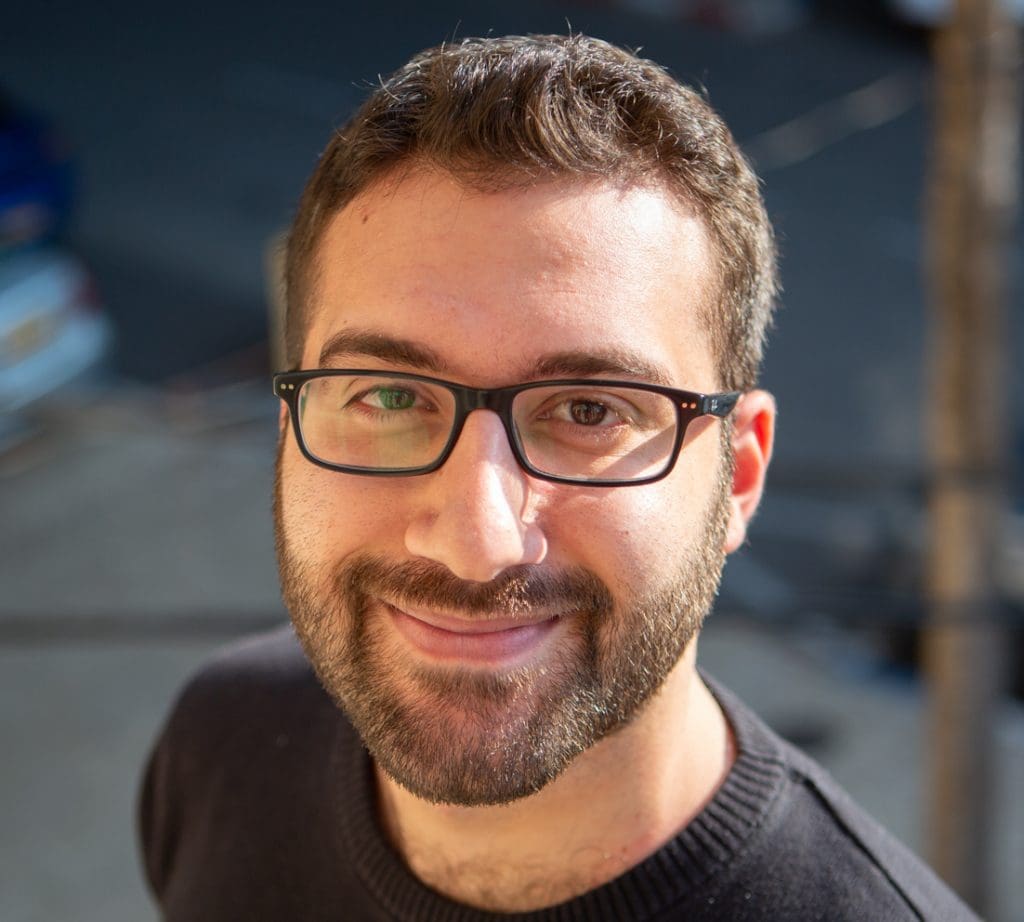

Amjad Iraqi is a senior Israel/Palestine analyst at the International Crisis Group. He was previously a senior editor at +972 Magazine, an associate fellow with Chatham House’s MENA Programme, and an advocacy coordinator at Adalah. Among other outlets, he has written for the London Review of Books, The New York Review of Books, The Nation, and The Guardian, and has appeared on various podcasts including “The Ezra Klein Show”. Amjad has an MA in Public Policy from King’s College London, and an Hon. BA in Peace and Conflict Studies from the University of Toronto.
In this article

Latest Analysis

 Politics
In this Policy Lab, Margaret DeReus and Andrew Kadi join host Tariq Kenney-Shawa to examine what the midterm results reveal about the changing position on Palestine in the US, the implications for US foreign policy, and the challenges and opportunities ahead for Palestinian rights advocacy.
 Politics
In February 2026, Palestinian Authority President Mahmoud Abbas issued a decree stating that Palestinian National Council (PNC) and Palestinian Legislative Council (PLC) elections would take place in November. In October, he postponed the PLC elections, citing obstacles from the Israeli regime. The PNC elections have been held only in limited locations, as little more than a mechanism to select predetermined candidates. As for the 2027 presidential elections, Abbas is unlikely to hold them, even though he has exceeded his electoral mandate by nearly 18 years. An election would simply not bode well for him: his popularity ratings are very low, and he is, after all, the world's second-oldest president. In this commentary, Yara Hawari and Alaa Tartir engage with electoral significance within the settler-colonial context where the Israeli regime has been foreclosing Palestinian political agency across Palestine. While elections alone cannot measure democracy or mark enfranchisement, the authors nevertheless grapple with the value of Palestinian representation and how democratic participation can play out under settler colonialism.
Al-Shabaka Yara Hawari
Al-Shabaka Alaa Tartir
Yara Hawari,Alaa Tartir· Nov 17, 2026
 Politics
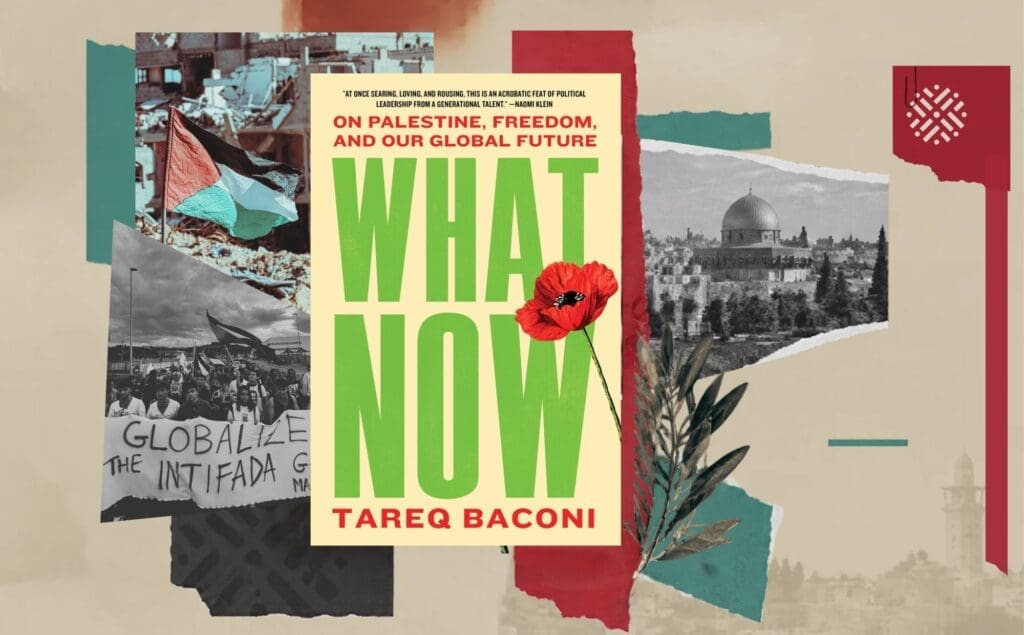
The following is an excerpt from What Now: On Palestine, Freedom, and Our Global Future, written by Al-Shabaka analyst Tareq Baconi and published by Washington Square Press on November 3, 2026.
Tareq Baconi· Nov 4, 2026