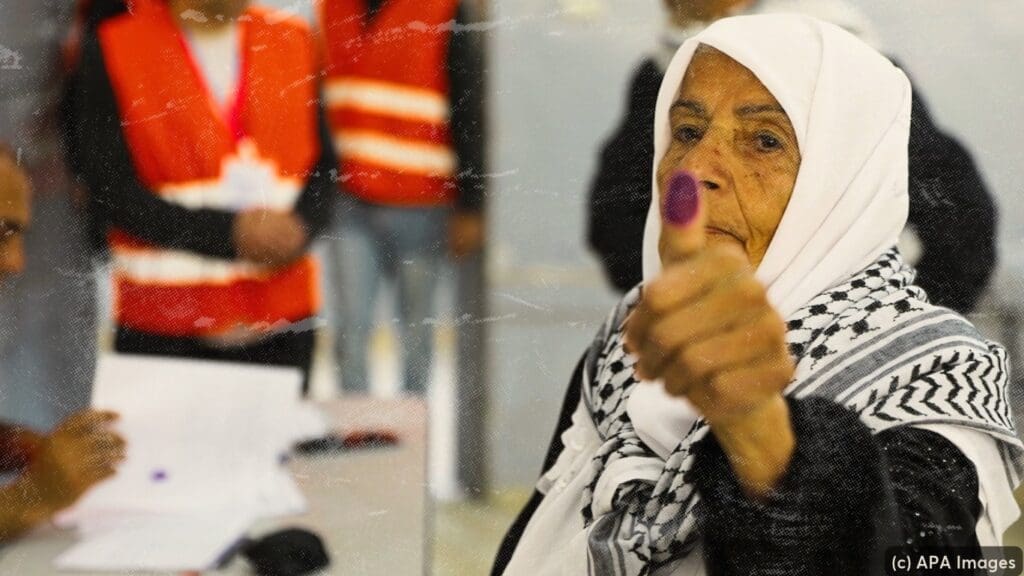
The 2026 US midterm elections dealt the Republicans a sweeping defeat, handing Democrats control of both chambers of Congress. They reshaped the political landscape for the remainder of Trump’s presidency and saw a significant rejection of candidates who made unconditional support for Israel central to their campaigns. But will these electoral shifts translate into meaningful changes in US policy toward Palestine?
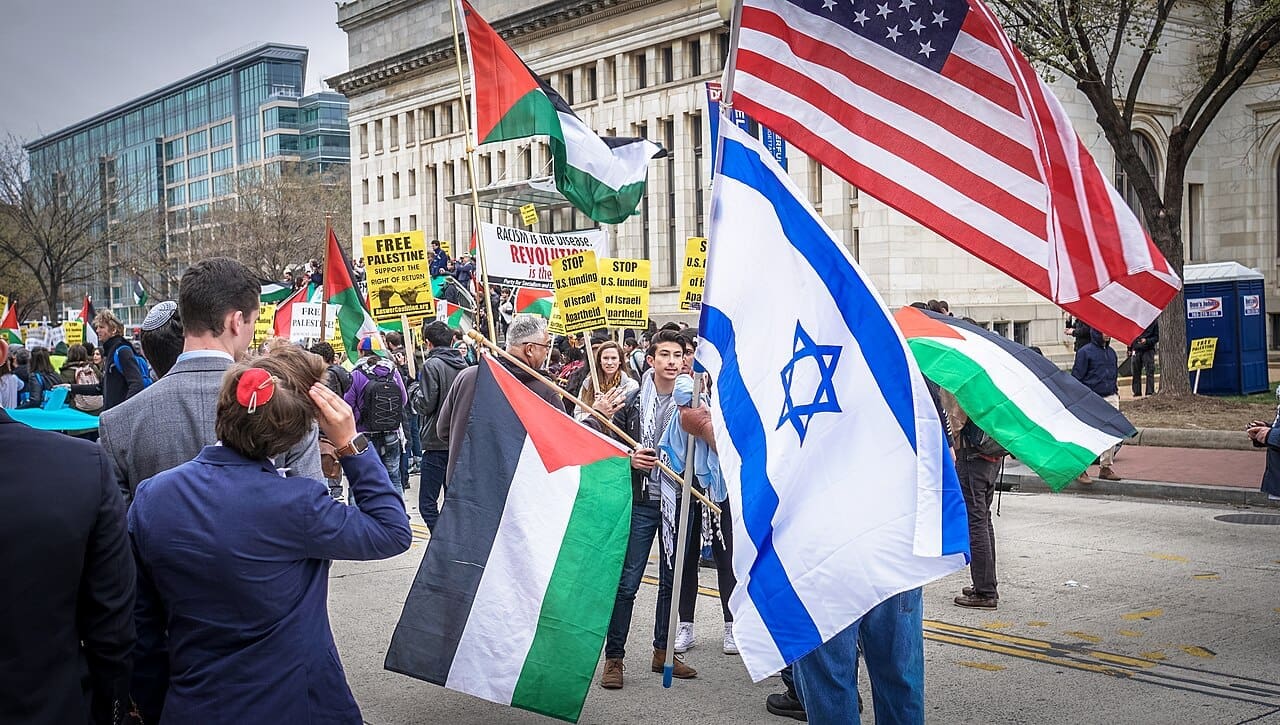
As public opposition to US support for Israel grows and longstanding political allegiances come under increasing scrutiny, the election results raise fundamental questions about the future of Washington’s relationship with Israel. Will the new Congress challenge decades of bipartisan support for Israeli occupation and apartheid, or will the gap between public opinion and US policy persist? And what opportunities do these political shifts create for Palestine advocates seeking to turn growing public solidarity into concrete policy change?
In this Policy Lab, Margaret DeReus and Andrew Kadi join host Tariq Kenney-Shawa to examine what the midterm results reveal about the changing position on Palestine in the US, the implications for US foreign policy, and the challenges and opportunities ahead for Palestinian rights advocacy.
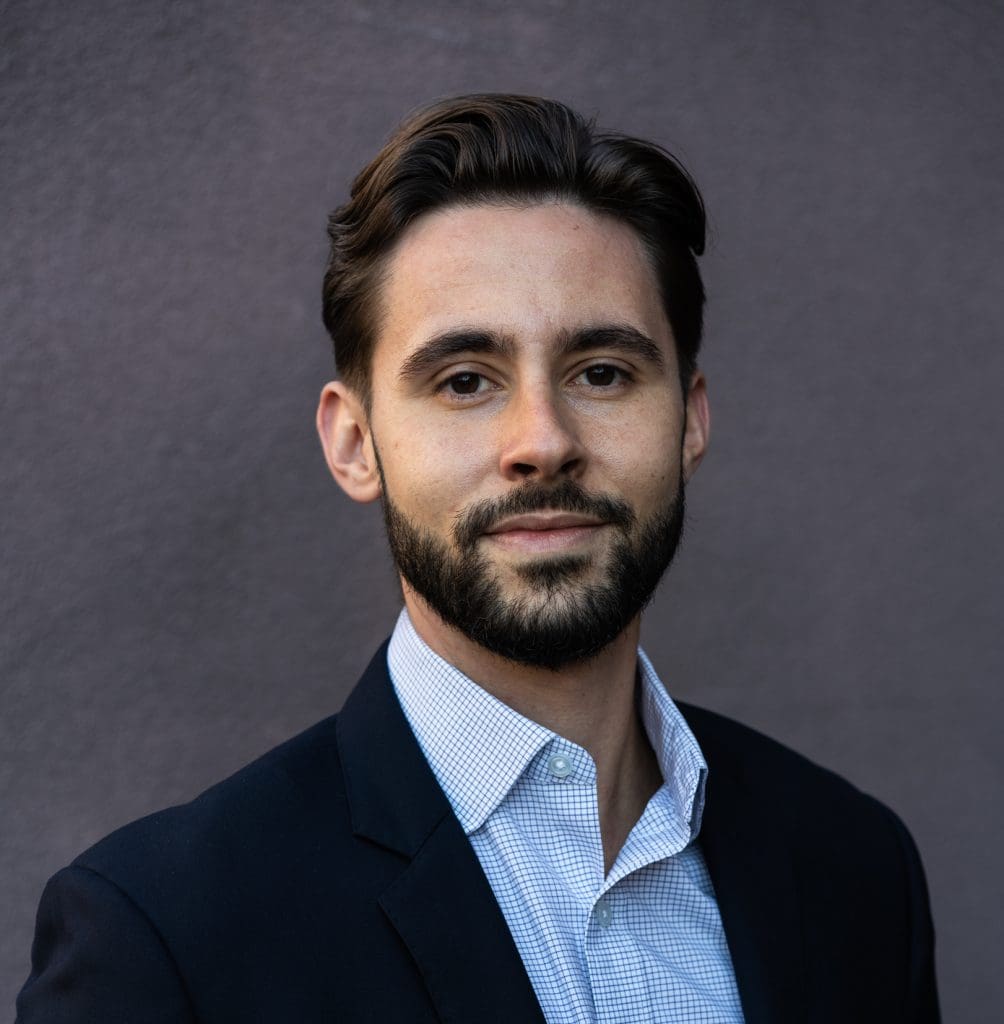
Tariq Kenney-Shawa is Al-Shabaka’s Associate Fellow, based in New York, and co-host of Al-Shabaka’s Policy Lab series. He holds a Master’s degree in International Affairs from Columbia University. Tariq’s research and writing have covered a range of topics, from the role of open-source intelligence in exposing Israel’s war crimes to analysis of Palestinian liberation tactics. His writing has appeared in The Los Angeles Times, Foreign Policy, and The Nation, among others. Tariq also serves as Associate Director of Editorial for the Institute for Middle East Understanding.
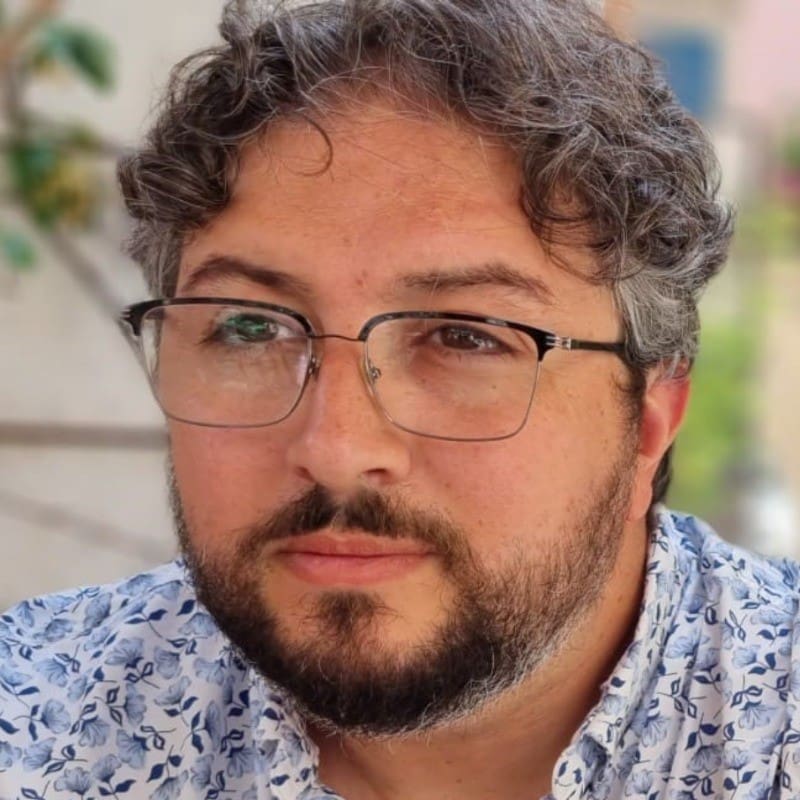
Andrew Kadi is a human rights activist and organizer with nearly two decades of work in support of Palestinian rights. He has been active with Adalah-NY and the US Campaign for Palestinian Rights, and his writing and commentary have appeared in The Guardian, USA Today, the BBC, Electronic Intifada, and Mondoweiss. He currently works as Director of Technology and Analytics at American University.