


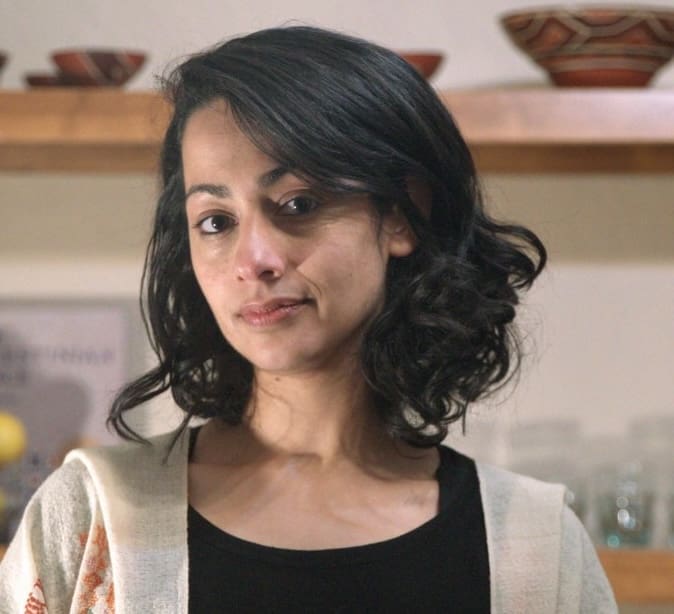
Dina Omar is an activist, organizer, and founder of the Palestinian Soap Cooperative, which she launched in 2021. She holds a PhD in anthropology from Yale University, with a joint certification in women’s, gender, and sexuality studies, and teaches Palestinian poetry at the University of California, Berkeley. She was a founder of National Students for Justice in Palestine and is an active member of the Palestinian Feminist Collective.

From this author
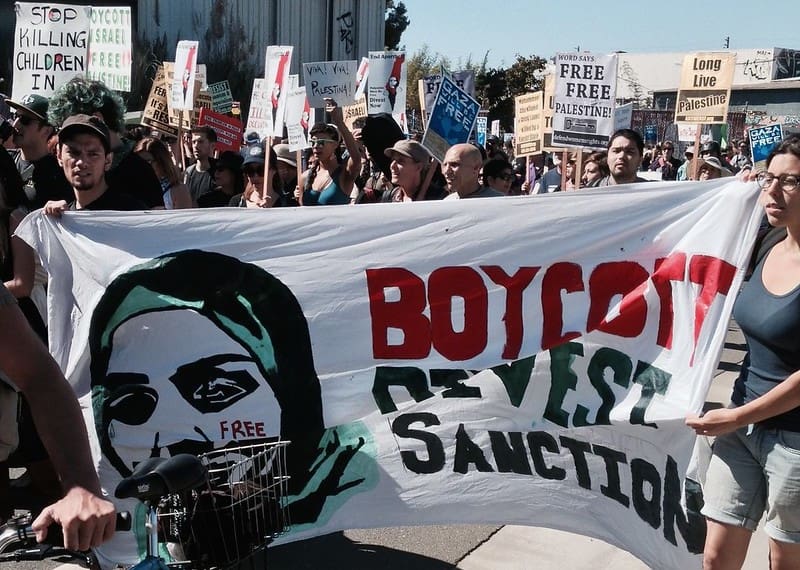
The accelerating adoption of academic boycotts of Israel is just one manifestation of growing support for Palestinians and intensifying efforts to hold Israel accountable for colonization, occupation, and apartheid. However, academic boycotts remain one of the most controversial pillars of the wider boycott, divestment, and sanctions movement. According to a recent study, while 91% of Middle East scholars support at least some boycott of Israel, more than a third are hesitant to get behind a boycott of Israel’s academic institutions.


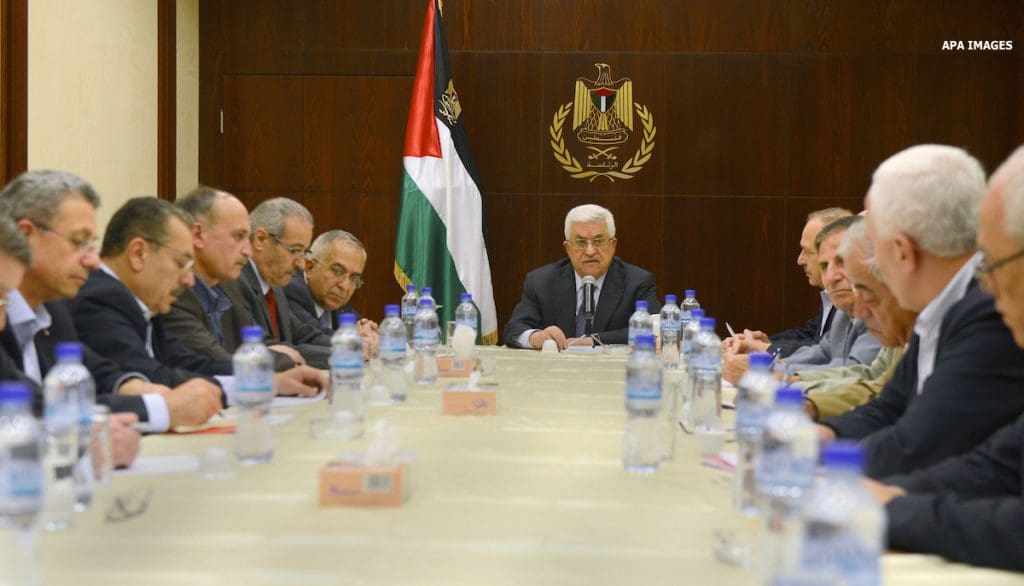
A Palestinian leadership vacuum looms due to the ill health of the secretary general of the Palestine Liberation Organization (PLO), Saeb Erekat, and the frailty of the Palestinian Authority (PA) President Mahmoud Abbas, who also heads the PLO and its main constituent party Fatah.
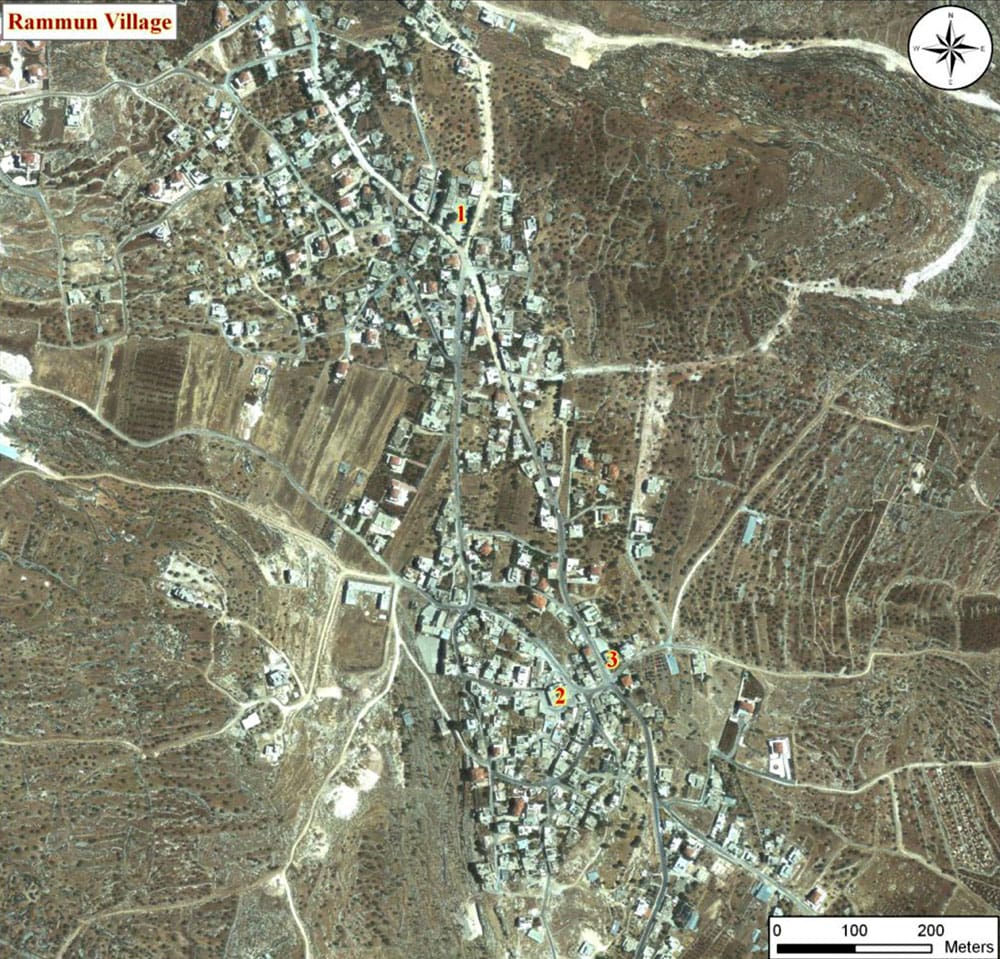
In 1948, the emerging state of Israel laid waste to hundreds of Palestinian villages. Today, three Palestinian villages are accusing the Palestinian Authority (PA) of laying waste to their ancestral lands. Roughly 826 dunums (204 acres) are to be confiscated from 220 families in the villages of Rammun, at-Tayba, and Deir Dibwan in order to construct a solid waste and sanitation landfill.

Dina Omar· Jun 4, 2013
Is it better to try to revive the Palestine Liberation Organization (PLO) and its institutions or should Palestinians build a new national movement? The participants in this roundtable debate the pros and cons of starting from square one, as Osamah Khalil suggested in a recent policy brief. Additional roundtable insights: a different articulation of the PLO’s value, and a question mark regarding the usefulness of elections to a national liberation movement.