topicRefugees
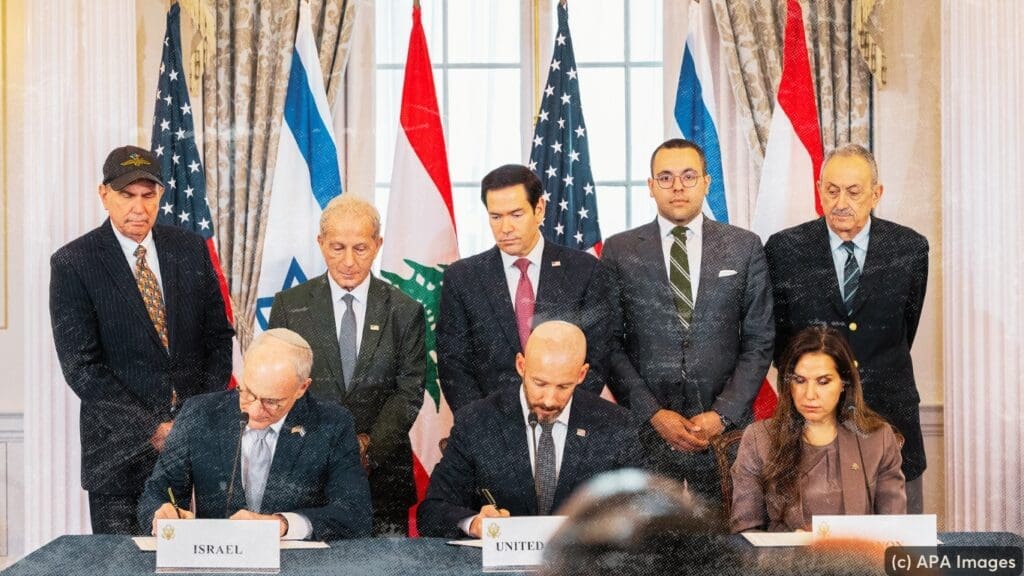
On June 26, 2026, Lebanon, the US, and the Israeli regime signed a Trilateral Framework against the backdrop of fierce military attacks on Lebanon and the invasion of its south. This aggression was part of the broader US-Israeli regional assault that also devastated Iran, Syria, and Palestine, upending the geopolitical order.
In this commentary, we speak with Al-Shabaka policy analyst Jaber Suleiman, who examines pivotal questions about this framework agreement and its implications for Palestinian refugees in Lebanon and the liberation struggle more broadly. He emphasizes the grave implications of this agreement, as it makes Israeli withdrawal from Lebanese territory conditional on the disarmament of Hezbollah, thereby holding the resistance factions and the Lebanese state responsible for ending the war and the occupation, while absolving Israel of accountability.

Jaber Suleiman· Oct 14, 2026
Lebanese officials have revived calls to disarm Palestinian factions inside refugee camps, presenting it as part of efforts to curb “illicit weapons” and reinforce state sovereignty. Yet for many Palestinians and regional observers, the refugee-camp disarmament initiative signifies an attempt to recalibrate the region’s security landscape. It also revives traumatic collective memories of earlier disarmament campaigns that left camps exposed to massacres.


Ali, a humanitarian worker from Gaza now in Egypt, joins host Yara Hawari. He speaks on the experience of Palestinians from Gaza in Egypt as they maneuver the different legal, financial, and social hardships of their forced displacement.
· Jun 30, 2024
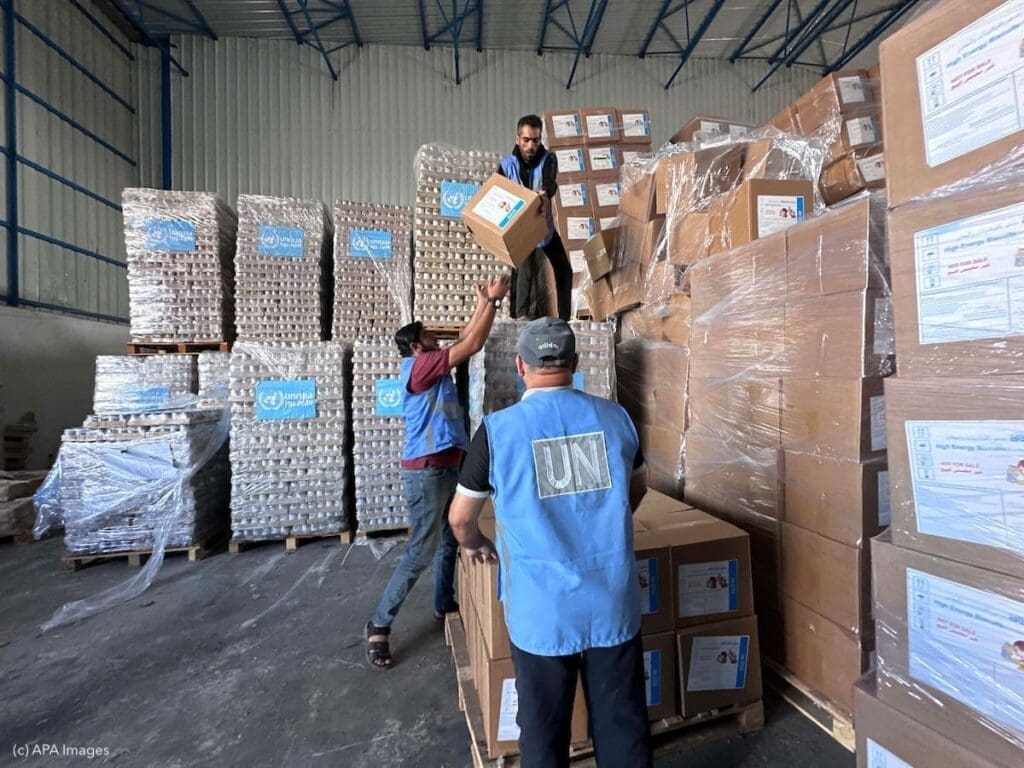
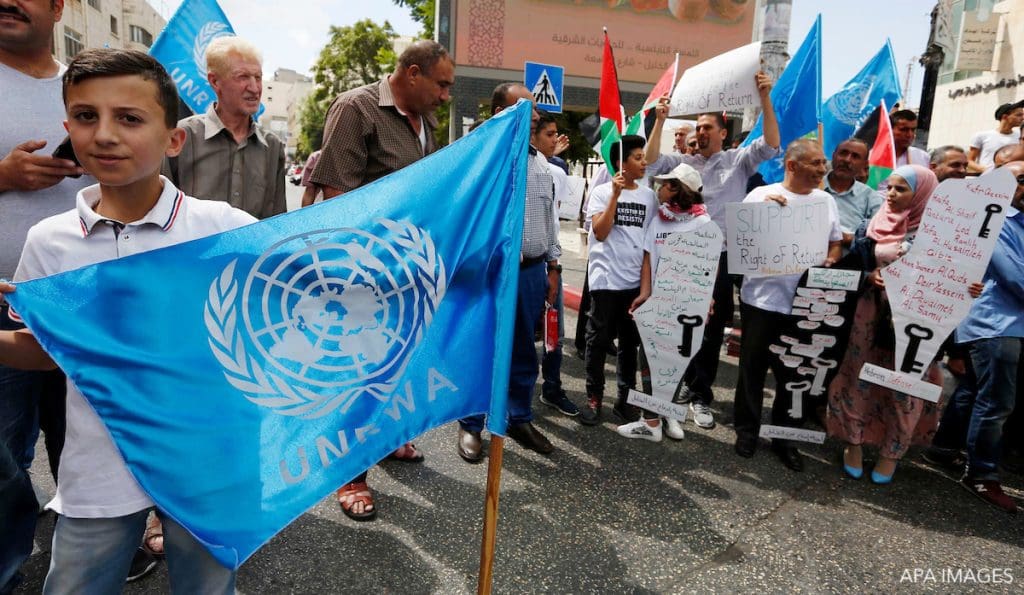
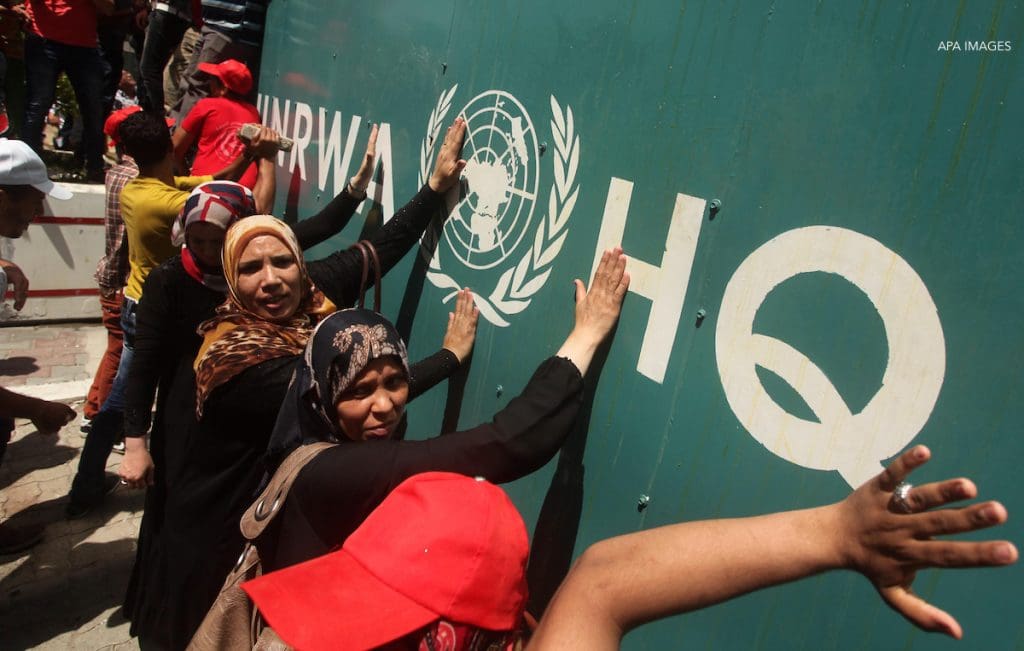
For decades, Israel has spearheaded a campaign against UNRWA meant to erase the question of Palestinian refugees and their collective right of return. While not new, the latest defunding of the agency by Israel’s allies is unprecedented in terms of its scope and perilous timing.

Shatha Abdulsamad· Apr 30, 2024
For over seven decades, Palestinian refugees in Lebanon have suffered from inhuman conditions in overcrowded camps rife with poverty, unemployment, and lack of access to education. This commentary argues that despite these conditions, which are continuously deteriorating along with the economic and political collapse in Lebanon, Palestinian refugees in Lebanon have repeatedly demanded their social, political, and economic rights by collective action and mass mobilization.

Mai Abu Moghli· Mar 7, 2022
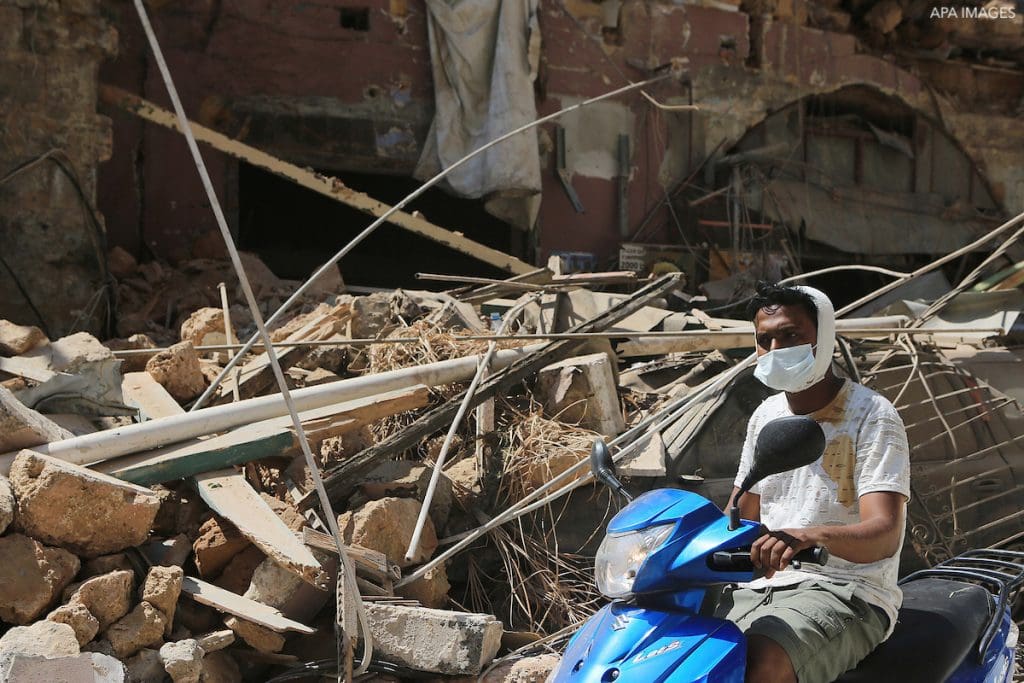
The disastrous explosion that struck Beirut’s port on August 4, 2020, greatly exacerbated the impact of the COVID-19 pandemic, which followed on the heels of the severe financial crisis that had led to massive popular protests in late 2019. The Lebanese economy is now in almost total collapse with the value of the national currency plummeting by 80% and more than half the population living under the poverty line. This policy memo discusses the effect of this multilayered crisis on the Palestinian refugees in Lebanon, the oldest refugee community in the country. Specifically, it examines their coping strategies and addresses the question of responsibility to mitigate the consequences of this crisis on refugees.

Jaber Suleiman· Sep 29, 2020
The United Nations Relief and Works Agency for Palestine Refugees (UNRWA) recently launched an appeal for $14 million in anticipation of a coronavirus outbreak in Palestinian refugee camps. It’s an indication of the dire financial straits the agency is in, particularly since the US – once its major donor – cut its annual $360 million donation in August 2018.

Randa Farah· Apr 7, 2020
The United Nations Relief and Works Agency for Palestine Refugees has faced much turmoil in the past few years. In August 2018, the US announced that it would no longer fund UNRWA, withdrawing the more than $300 million it had formerly supplied annually. Though others, such as the EU, Qatar, and Japan, provided new or more funding to fill the gap, the Agency is still experiencing a shortfall.

Ardi Imseis· Oct 8, 2019
In the wake of President Donald Trump’s decision to freeze a significant portion of the US’s contribution to the United Nations Relief and Works Agency for Palestine Refugees in the Near East (UNRWA), many leaders and public figures opposed to the move have not decried it for the humanitarian devastation it will cause, but rather for its supposed provocation of Palestinian extremism. For instance, in a letter to Trump, US Democrats quoted former Israeli Army Spokesperson Peter Lerner, who stated that by “weakening UNWRA…Palestinians will be even more susceptible to more extremism and violence.” They also warned Trump that the reduction in funds “will harm American interests.”

Randa Farah· Mar 15, 2018
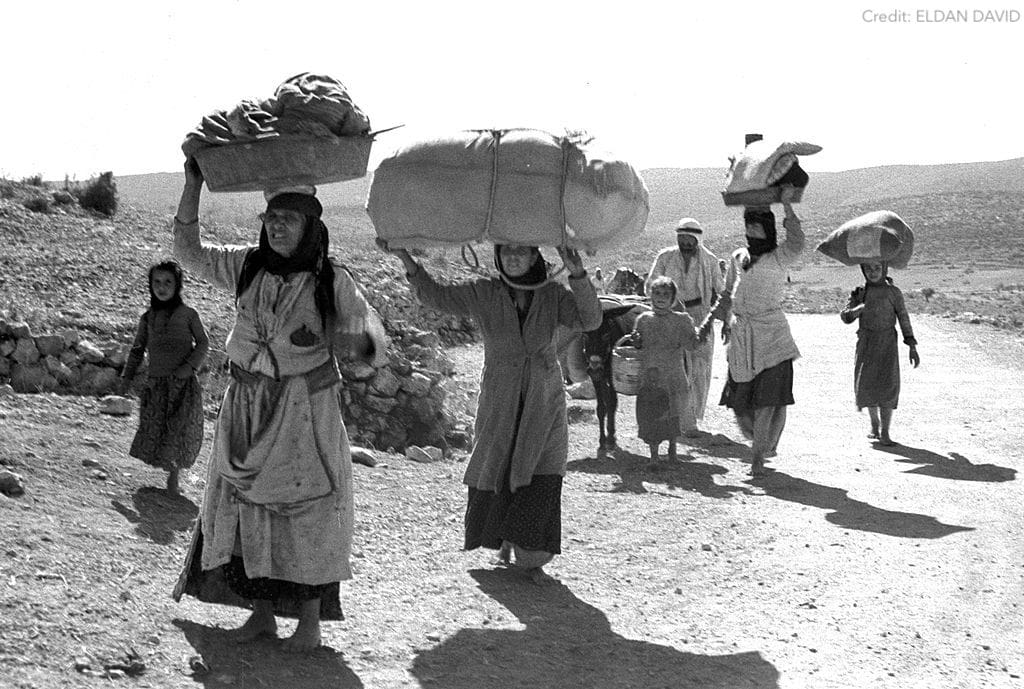
This collection of some of the most compelling pieces Al-Shabaka has published contextualizes and discusses the unique difficulties of Palestinian refugees displaced across the Middle East – from becoming refugees a second or third time due to the ongoing Syrian civil war to over-researching camps “famous” for tragedy while under-researching other refugee situations and exile communities.
Only a handful of research articles on Palestinian refugees in Syria could be found until a few years ago. After the uprooting of a significant part of the community following the bombardment and siege of Yarmouk Camp at the end of 2012, research and publications proliferated. Completed and in-process dissertations, scholarly articles, and research projects on the community are now numerous, especially in English. This sudden flood of research on and interest in Palestinians from Syria has not been limited to academia, but has also taken root in journalism and the policy world.

Anaheed Al-Hardan· Apr 27, 2017
Media & Outreach
Balad leader Sami Abu Shehade's ousting from the Knesset race marks an escalation of repression in a system that has always made Palestinian representation conditional

Ghada Majadli· Oct 23, 2026
An open-source investigator who has spent years documenting Palestine from afar reflects on reporting on Gaza.

Tariq Kenney-Shawa· Oct 15, 2026
For more than a century, this ideology has created untold devastation and destruction for the Palestinian people. The Green Party motion did not invent this history – it merely named it.

Yara Hawari· Oct 7, 2026
We’re building a network for liberation.
As the only global Palestinian think tank, we’re working hard to respond to rapid developments affecting Palestinians, while remaining committed to shedding light on issues that may otherwise be overlooked.