Ahmed Alqarout is a political economy expert specialising in the Middle East and North Africa region, with a focus on great power competition and the political economy of conflicts.


Topics
See our analysis on civil society and how it shapes culture, politics, and policies
Read our insights on the shifting political landscape and what it means for Palestine
Learn more about the policies and practices shaping the Palestinian economy
Strengthen your understanding of the unique conditions for Palestinian refugees across the Middle East
Analysis
In-depth analysis on existing or potential policies that impact possibilities for Palestinian liberation.
Insights and perspectives on social, political, and economic questions related to Palestine and Palestinians globally.
Concise analysis into a specific policy, its background and implications.
Commentary that brings together insights from multiple analysts.
Compilations of past Al-Shabaka works surrounding a specific theme.
Longer-form, ad hoc projects that seek to confront research questions outside the scope of our regular analysis.
A policy-driven research initiative by Al-Shabaka: The Palestinian Policy Network.
Our monthly webinar series that brings together Palestinian experts.
Featured





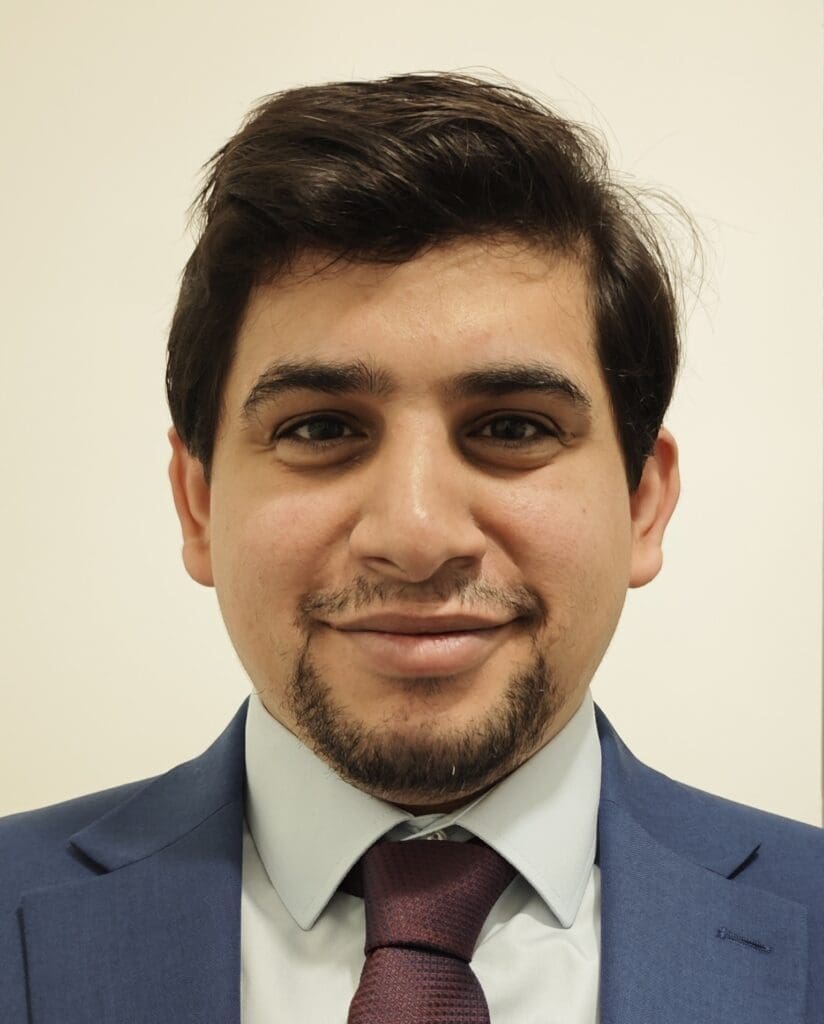
Ahmed Alqarout is a political economy expert specialising in the Middle East and North Africa region, with a focus on great power competition and the political economy of conflicts.
We are a global network of Palestinian experts, collectively challenging prevailing structures of oppression through critical policy analysis.
Join Al-Shabaka’s mailing list and find the latest Palestinian policy analysis in your inbox: