Collective Punishment: Israel's Strategy to Subdue Palestinian Resistance

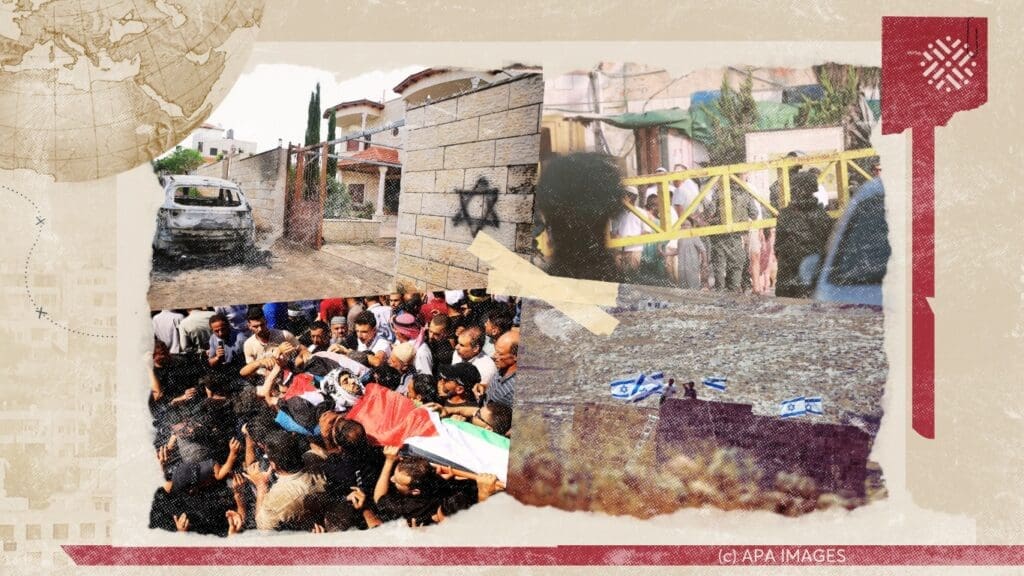
In his July 2020 report to the UN Human Rights Council, Special Rapporteur S. Michael Lynk asserts that “Israel continues to rely upon collective punishment as a prominent instrument in its coercive toolbox of population control.”

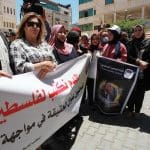
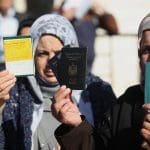
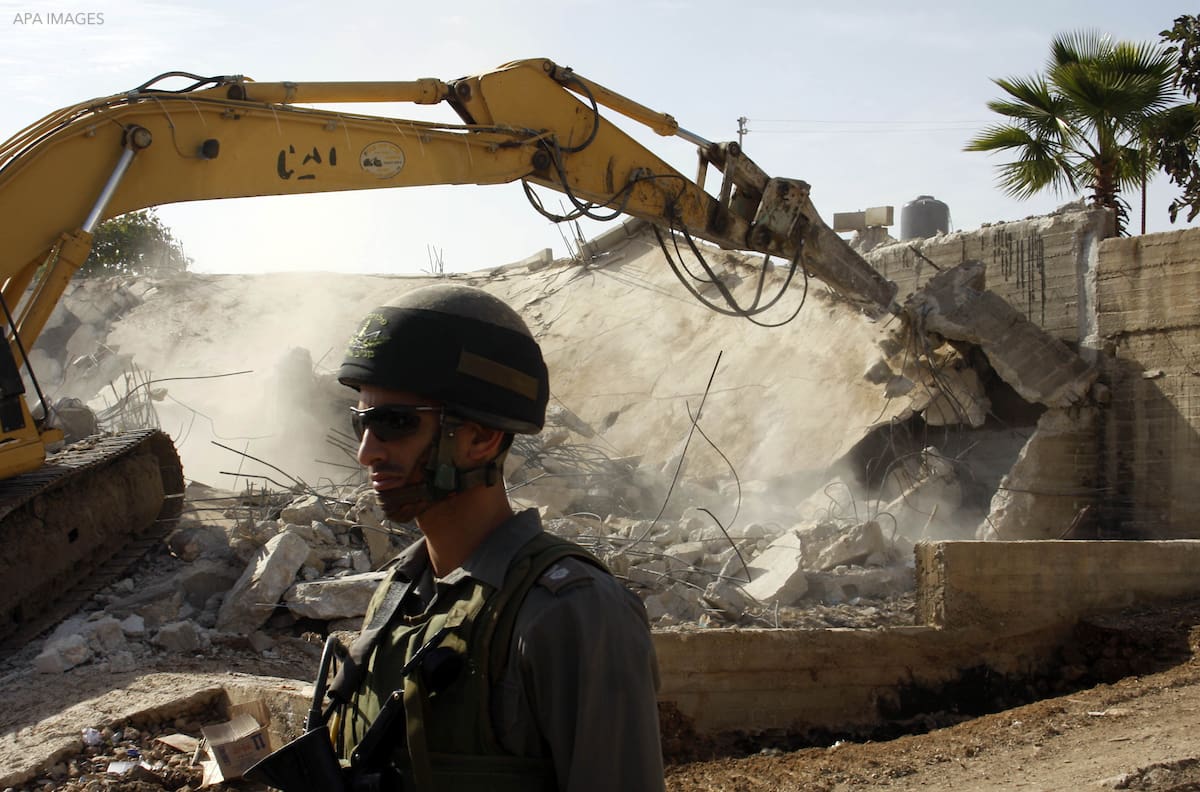
From home demolitions to the Gaza blockade to the withholding of Palestinian bodies, Israel wields collective punishment tactics to subjugate and suppress the Palestinian population. In this policy lab, Al-Shabaka analysts Nada Awad and Issam Younis discuss the toll of this strategy on the Palestinian people and how it fits into Israel’s broader system of apartheid.

* Unfortunately, this YouTube recording cuts off the initial 5 minutes of the policy lab. To view the discussion in full, please click here

Nada Awad is HRC Advocacy Coordinator at the International Service for Human Rights in Geneva. She previously worked as an international advocacy officer at the Cairo Institute for Human Rights Studies and as an advocacy officer at Al-Quds University’s Community Action Center, where she focused on Israeli punitive policies targeting Palestinian Jerusalemites. She also worked as an archival researcher at the Institute for Palestine Studies in Beirut. Nada holds a master’s degree in International Relations from Sciences Po Paris.
Issam Younis is a long-time human rights advocate. He is the Commissioner General of The Palestinian Independent Commission for Human Rights (ICHR). He is the president of the Arab Network of National Human Rights Institutions (ANNHRI). He is also a member of the Palestinian Higher Education Council.

Latest Analysis

 Politics
People across the world are living through a moment of profound crisis. The ongoing genocide in Gaza, the US-Israeli war on Iran and Lebanon, the resulting energy and economic shocks, and the erosion of the international legal order are unfolding alongside the fragmentation of the Western-led global system. Together, these converging tremors are exposing the limits of US hegemony, reshaping the strategic positions of Arab Gulf states and China, and intensifying debates over multipolarity, regional realignment, and South-South solidarity. In this roundtable, Yara Hawari and Tareq Baconi reflect on this impasse, highlighting the centrality of Palestine to understanding the historic transformations the world is witnessing today. They discuss the bankruptcy of the liberal international order, the changing dynamics of the US-Israeli imperial power in West Asia, and the ways Palestine has emerged as a converging point through which a different global order may be forced into being.
Al-Shabaka Yara Hawari
Yara Hawari,Tareq Baconi· May 26, 2026
 Politics
In this policy lab, Josh Ruebner and Ahmed Moor join host Tariq Kenney-Shawa to examine the fight over the Block the Bombs Act, wider efforts in Congress to restrict US military support for Israel, and what these battles reveal about the future of Palestine advocacy in US politics.
Al-Shabaka Tariq Kenney-Shawa
Tariq Kenney-Shawa· May 21, 2026
 Civil Society
We cannot understand Gaza’s endurance through a binary that casts Palestinians, individually or collectively, as either heroic in their resistance or passive victims. Rather, we must approach it through a decolonial conception of sumud (steadfastness): a historically situated, relational, and materially conditioned practice of collective endurance that emerges, shifts, and persists within ongoing colonial violence.
Abdalrahman Kittana· May 12, 2026