Mjriam Abu Samra
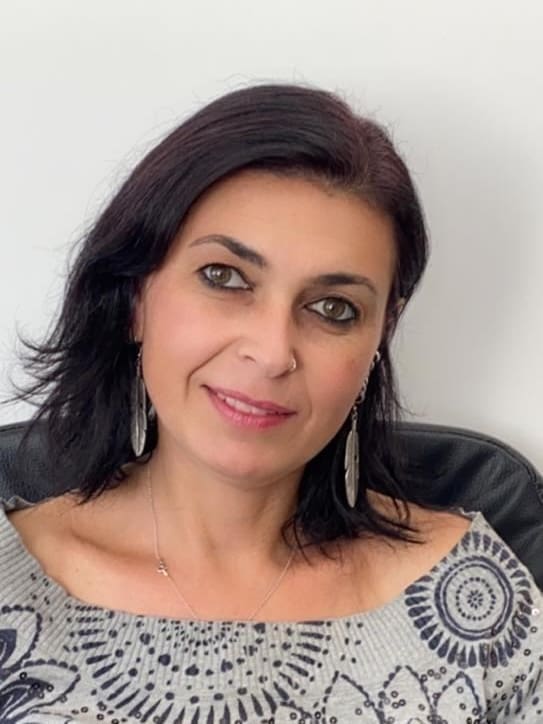
Mjriam Abu Samra is a doctoral researcher in International Relations at the University of Oxford, UK. Her work focuses on Palestinian Transnational Student Movements and their contribution to the broader Liberation Movement through different political periods. She had previously completed her Masters in Middle East Politics at SOAS in London. Recently, Mjriam has been based in Amman, Jordan, where she is completing her research. She has lectured at the University of Jordan Faculty of Politics and International Studies. Mjriam has been a co-founder of the Palestinian Youth Association “Wael Zuaiter” in Rome, Italy, and of the transnational Palestinian Youth Movement (PYM).
Mohammad Abu Zaineh
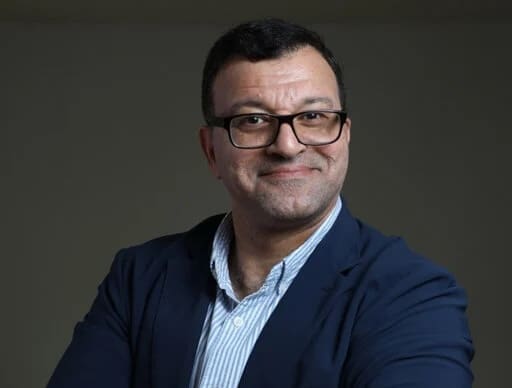
Mohammad Abu Zaineh is Adjunct Professor of Economics at Aix-Marseille Université School of Economics and École des hautes études en santé publique in Paris. He has worked with UNAIDS in Geneva, the Palestine Economic Policy Institute in Ramallah and the Department of Economics as well as the Institute of Community and Public Health at Birzeit University, Palestine. His main areas of research include measurement and explanation of socioeconomic inequality; public economics and policies (applied mainly to health and the health care sector) and economic development.
Mohammed al-Khaldi
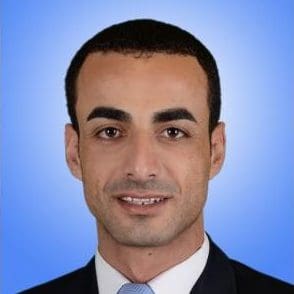
Al-Shabaka Policy Member Mohammed Al-Khaldi is from the Gaza Strip and holds a Master of Health policy and Management from Al-Quds University-Abu Dis in 2012. He has been in Switzerland working on his PhD in Health Policy and Research at the Swiss TPH since September 2014. He previously worked as a lecturer and researcher at colleges and research institutes in Palestine and Switzerland and is also a consultant on different programs in development and relief, and training and research projects for the governmental, NGO and international agencies sectors.
Mohammed Al-Rozzi
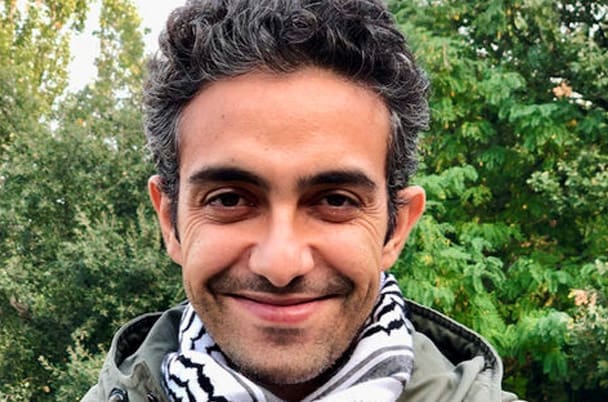
Mohammed Alruzzi is a Lecturer in Childhood Studies at the University of Bristol, the UK. He earned his PhD in Social Anthropology from the University of Fribourg, Switzerland. Before that, he completed his Master’s degree in Childhood Studies at the University of Edinburgh, Scotland, UK. Alruzzi has worked with many international non-governmental organisations and UN agencies, including Mercy Corps, Terre des Hommes, the Norwegian Refugee Council, World Vision and UNICEF. Through his work experience, Mohammed has developed extensive multidisciplinary expertise in children issues. His research interests include child labour, child detention and education policy.
Mayssun Succarie
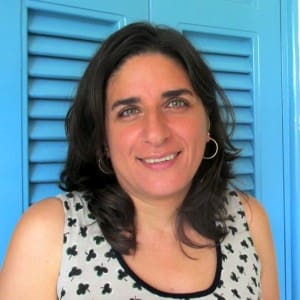
Al-Shabaka Policy Member Mayssun Succarie is a postdoctoral scholar in the Cogut Center for the Humanities at Brown University. Her research covers the Political Culture of Development in the Global South with a focus on the Arab region. She taught for three years at the American University of Beirut in the departments of Sociology, Anthropology, and Media Studies as well as the Center for Arab and Middle Eastern Studies. In 2012, she was the ARCAPITA visiting Professor at the Middle East, South Asia and African Studies-MESAAS at Columbia University. Mayssun has a doctorate in Anthropology and Education from the University of California, Berkeley.
Mazen Masri
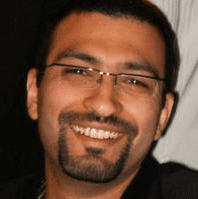
Al-Shabaka Policy Member Mazen Masri is a Senior Lecturer in law at the City Law School, City University London. His areas of research are constitutional law and public international law, and has published a number of articles and book chapters in these areas. Mazen holds degrees from the York University (Canada), the University of Toronto, and the Hebrew University. He is a qualified lawyer and has served in the past as legal advisor to the Palestine Liberation Organization (PLO).
Maxim Sansour
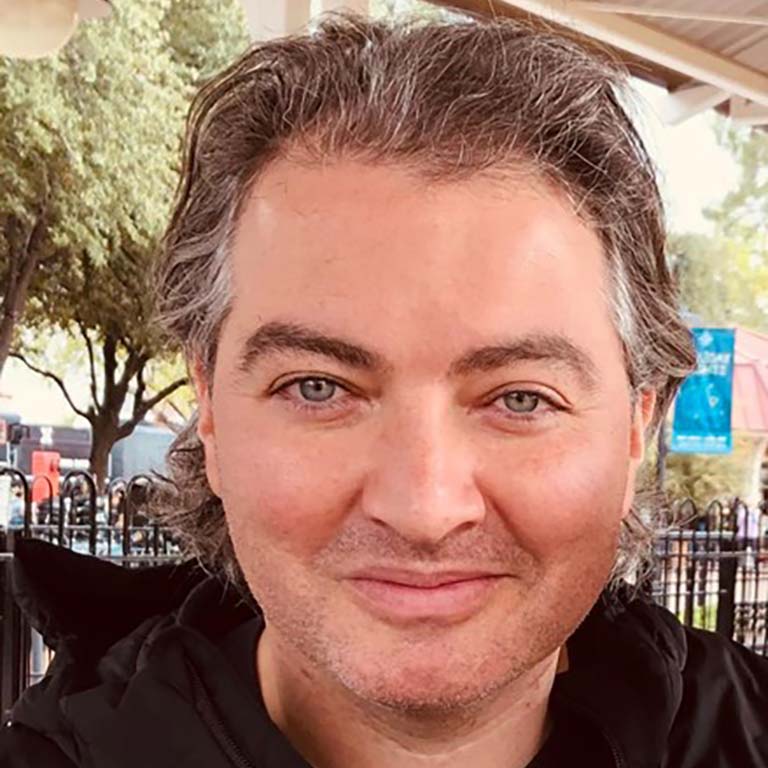
Al-Shabaka Policy Member Maxim Sansour is an elections specialist with a focus on electoral communications and media relations. Over the last nine years he has regularly advised election commissions in Palestine, Tunisia, Libya and Yemen. He also frequently works on media reform initiatives in the Middle East and most recently has been a communications advisor to the Libyan Constitutional Drafting Assembly. Maxim lives in London and holds an MBA from Baruch College in New York and an MA in Global Politics from the London School of Economics (LSE).
Maisa Shquier
Al-Shabaka Policy Member Maisa Shquier is an activist and D.Phil candidate at the Institute of Development Studies, University of Sussex/UK. Her ethnographic research investigates the intersection between gender, sexuality, nation, body politics and embodiment. Specifically, it examines the gendered and sexualized representations of Palestine, through a discourse analysis of the “New Historians” and the visual images of Palestine. She has 10 years of development experience with local and International NGOs in monitoring and evaluating projects in gender, disability, health, food security, water and sanitation and civil society. She has worked on policy formation on gender, disability, sexuality, masculinity, and women’s political participation in the Middle East.
Jacqueline Sansour
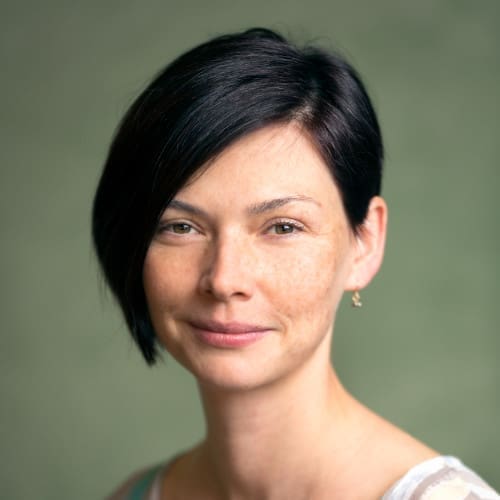
Al-Shabaka Policy Member Jacqueline Sansour is a writer and editor with extensive knowledge of the history, politics, and current affairs of the Middle East and North Africa. She has spent extended periods of time in the Arab world, including Palestine, Libya and Tunisia. Jacqueline holds an MA in Near and Middle Eastern Studies from SOAS in London.