



The potential for dismantling the Palestinian Authority (PA) seems highly unlikely considering its importance to the Israeli regime in managing and silencing Palestinians. Moreover, the international community remains committed to supporting the PA. However, if the PA were to collapse, a number of developments could unfold.
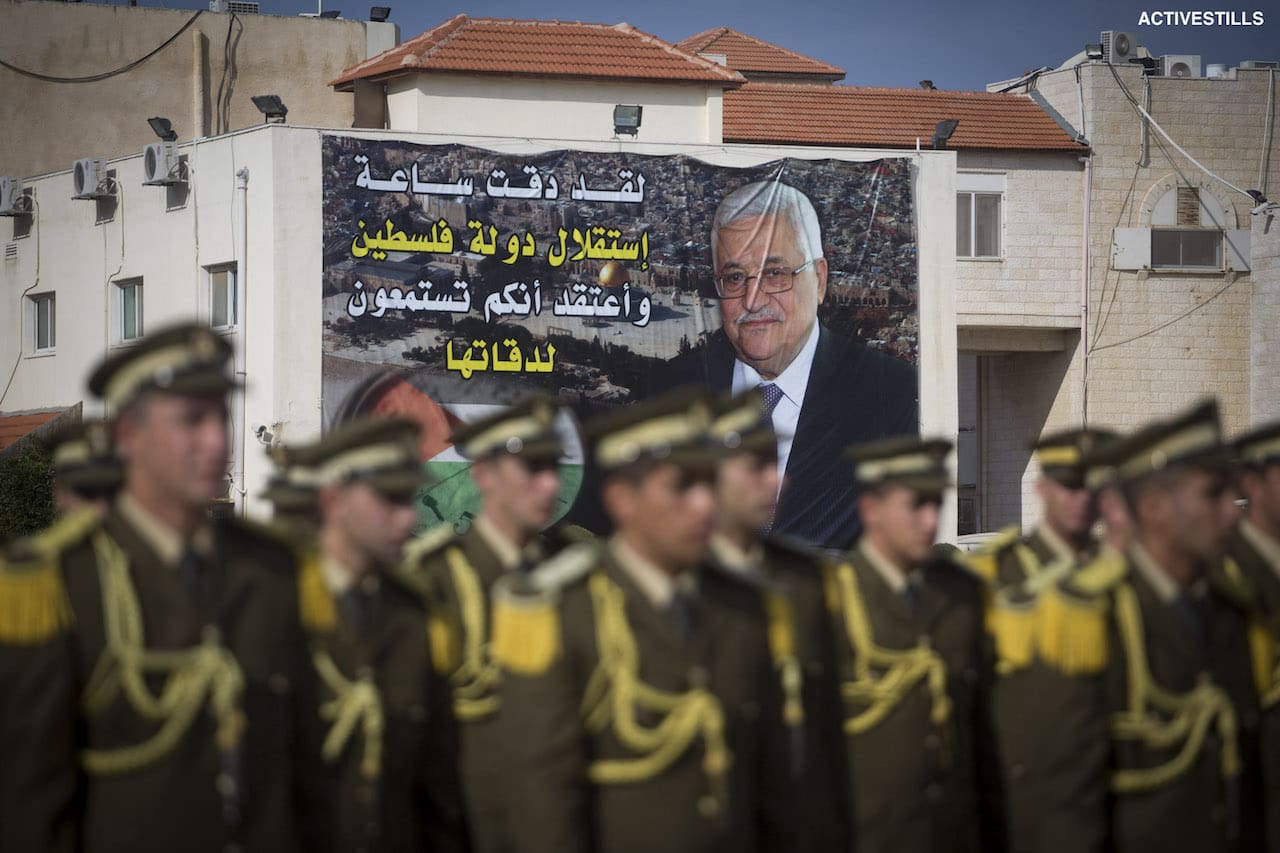
The international community, for instance, would likely see to it that the PA security forces (PASF) are remodeled as some form of internal policing unit, as stipulated in previous negotiations. It is also possible that the Israeli regime would reinstate control altogether, though this seems unlikely due to the economic cost and human resources required on Israel’s part, and from which the Oslo apparatus has so far exempted it.
In either case, Palestinian civil society would partially disintegrate, as it did during the Second Intifada. As the Second Intifada progressed, Israel succeeded in besieging former Palestinian President Yasser Arafat, assassinating key leaders of different paramilitary groups, and destroying the infrastructure of the PASF. Subsequently, many members of the Fatah paramilitary forces used their weapons to expand their power and accumulate wealth, often through illegal means. Israel’s restrictions on the PASF further meant that it could not enforce public order. The disorder that gripped Palestinian society, known as falatan amni (security chaos), and the failure of the Second Intifada to achieve the political goals it sought, led the Palestinian Legislative Council (PLC) and other leaders to demand the reinstitution of order.
The justice sector could revert to tribal and religious courts and local committees in the absence of state-sponsored institutions. Prior to the establishment of the PA, most civil matters among Palestinians were dealt with through traditional modes of dispute resolution. The justice sector as it presently exists is weak, partisan, and severely disjointed, and many civil disputes remain delegated to societal institutions, especially in areas where the PA remains absent (notably in Areas B and C of the West Bank).

Tahani Mustafa is a lecturer in International Relations in the Department of War Studies at King’s College London, and a visiting fellow at the European Council on Foreign Relations (ECFR). She holds a PhD from the School of Oriental and African Studies (SOAS), University of London, and previously served as senior Palestine analyst at the International Crisis Group. Her research explores international mechanisms of security sector reform and governance in the occupied Palestinian territories.