


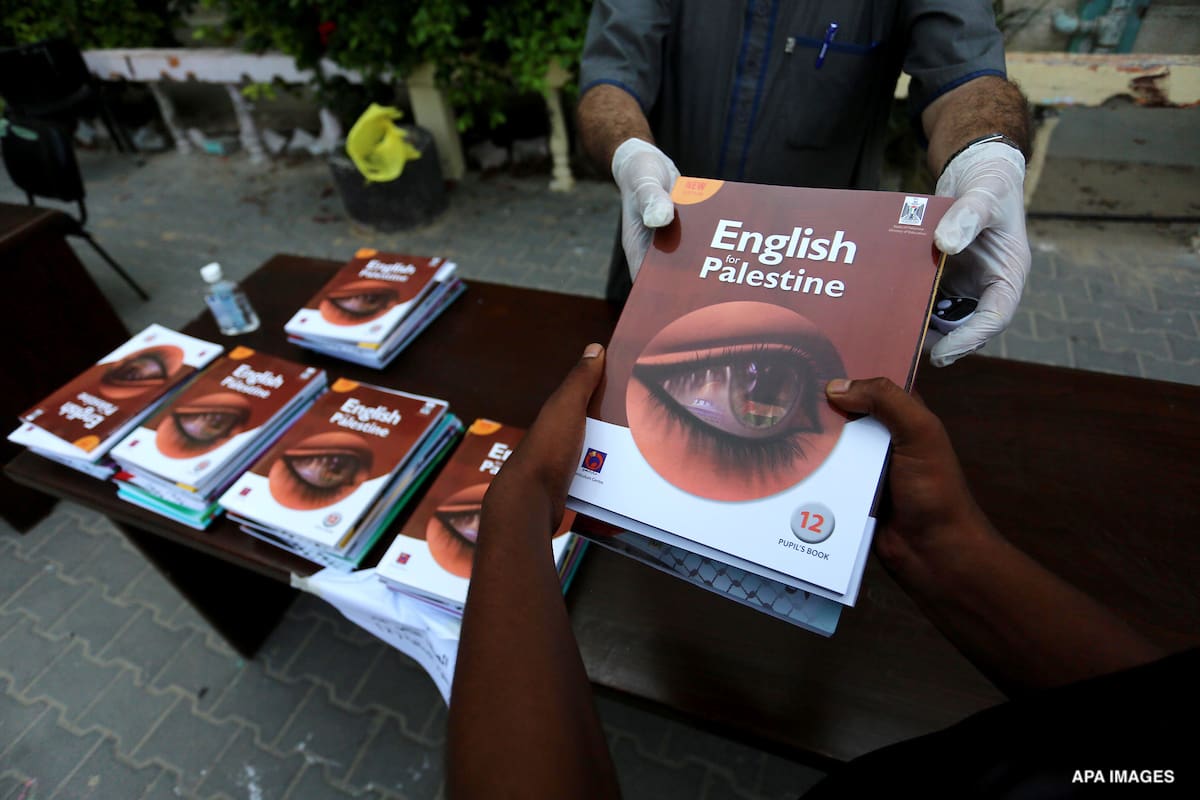
The vacancy of the president’s office or holding of legislative elections are not likely to lead to fundamental changes in the education sector, so long as the status quo persists. This is because the persistence of the status quo is contingent on the interests of Palestinian Authority (PA) forces, international actors, and the Israeli regime in maintaining order and ensuring that events unfold within their control. Put differently, if the status quo persists, the Oslo Accord framework would dictate the process of filling a vacant presidential office or holding legislative elections, and this would imply the persistence of existing educational systems, their quality, and sources of funding.
Indeed, the PA and its supporters would thwart any elections that did not result in their continued consolidation of power. That is, if elections were held for a new legislative council and for the presidency, Hamas would likely win, and donors would withdraw funding from a Hamas-led Palestinian government. This would echo what happened following Hamas’s 2006 win of the majority of seats in the Palestinian Legislative Council (PLC), and the PA’s subsequent obstruction of Hamas’s efforts to form and run the government. A Hamas victory would thus have negative repercussions on the education sector, including diminishing and marginalizing sources of funding relative to other sectors, such as security.
However, if the vacancy of the president’s office or the holding of legislative elections are accompanied by popular uprising, the space available for change would be wider. This would produce a different outcome that would have varying repercussions on the education sector.
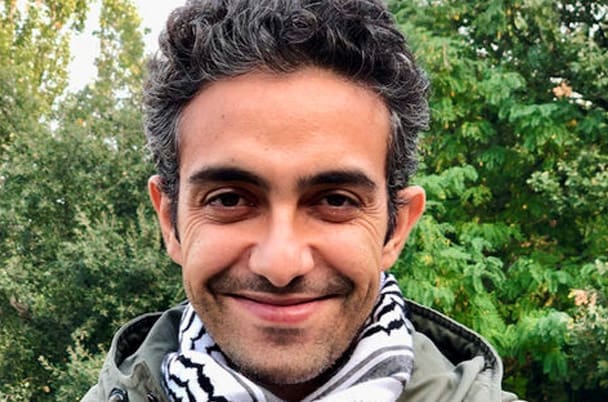
Mohammed Alruzzi is a Lecturer in Childhood Studies at the University of Bristol, the UK. He earned his PhD in Social Anthropology from the University of Fribourg, Switzerland. Before that, he completed his Master’s degree in Childhood Studies at the University of Edinburgh, Scotland, UK. Alruzzi has worked with many international non-governmental organisations and UN agencies, including Mercy Corps, Terre des Hommes, the Norwegian Refugee Council, World Vision and UNICEF. Through his work experience, Mohammed has developed extensive multidisciplinary expertise in children issues. His research interests include child labour, child detention and education policy.