- Topics
-
Topics
See our analysis on civil society and how it shapes culture, politics, and policies
Read our insights on the shifting political landscape and what it means for Palestine
Learn more about the policies and practices shaping the Palestinian economy
Strengthen your understanding of the unique conditions for Palestinian refugees across the Middle East
-
- Analysis
-
Analysis
In-depth analysis on existing or potential policies that impact possibilities for Palestinian liberation.
Insights and perspectives on social, political, and economic questions related to Palestine and Palestinians globally.
Concise analysis into a specific policy, its background and implications.
Commentary that brings together insights from multiple analysts.
Compilations of past Al-Shabaka works surrounding a specific theme.
Longer-form, ad hoc projects that seek to confront research questions outside the scope of our regular analysis.
A policy-driven research initiative by Al-Shabaka: The Palestinian Policy Network.
Our monthly webinar series that brings together Palestinian experts.
Featured
This policy brief argues that the health sciences—from public health to epidemiology, nursing, medicine, pharmacology, and nutrition, among others—have a distinct role to play in preventing and documenting the ongoing Israeli genocide in Gaza and other settings, as well as in generating evidence to inform accountability processes.


 +
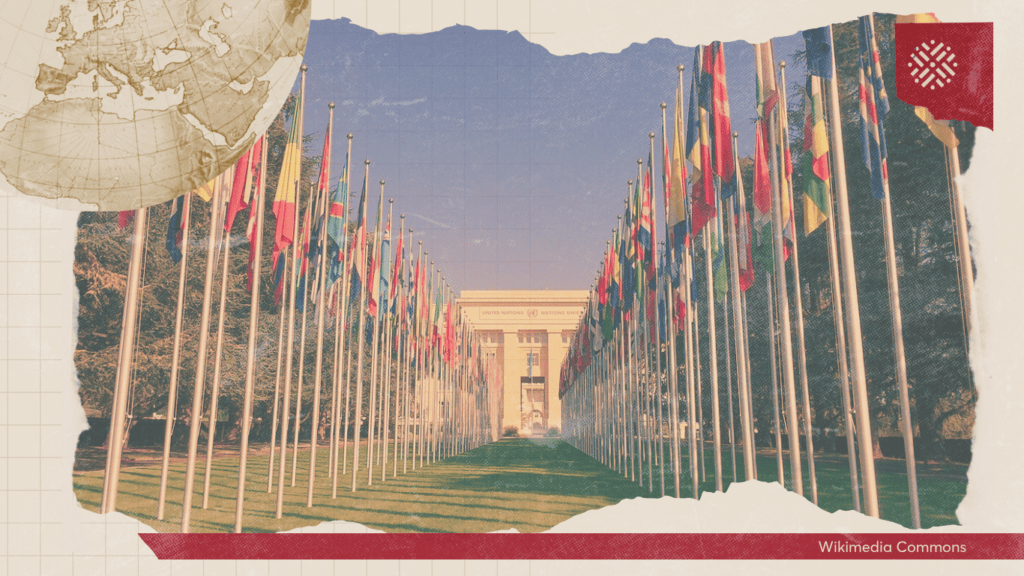
+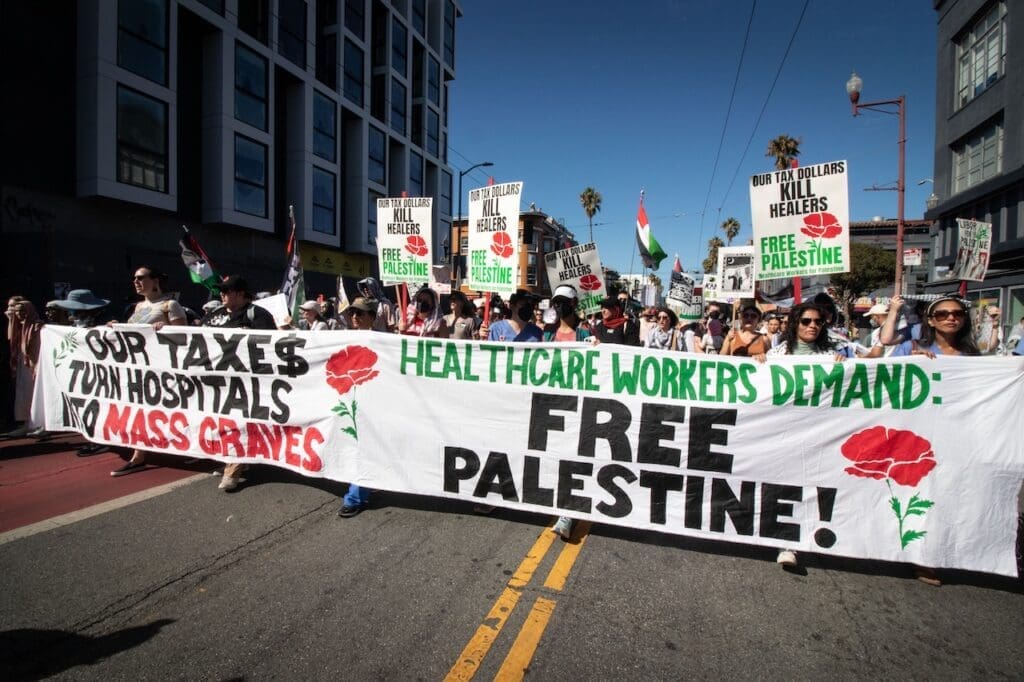 The Israeli genocide in Gaza has laid bare the extent to which the world remains structured by racial colonial hierarchies and exposed the limits of an international legal order that emerged alongside Western imperial expansion. In this roundtable, Palestinian legal scholar Noura Erakat and Jake Romm, legal advisor and US representative for the Hind Rajab Foundation (HRF), reflect on what becomes of international law after Gaza.

 When four donkeys were evacuated from Gaza to a German zoo in November 2025, their rescue was celebrated as a humanitarian success. Yet while the animals were transported to safety, given new names, and described as leaving behind "hunger and misery, beatings and hardship," Palestinian children have been unable to evacuate amid a relentless ongoing genocide. In this commentary, Asmaa Abu Mezied examines how humanitarian concern operates through racialized hierarchies of grievability that render animal suffering more visible and rescue-worthy than Palestinian human life. She further argues that animal welfare interventions are materially entangled with the dispossession of Palestinian survival infrastructure, showing how it can become an enabling mechanism of colonial violence rather than its interruption.
 Asmaa Abu Mezied· Aug 11, 2026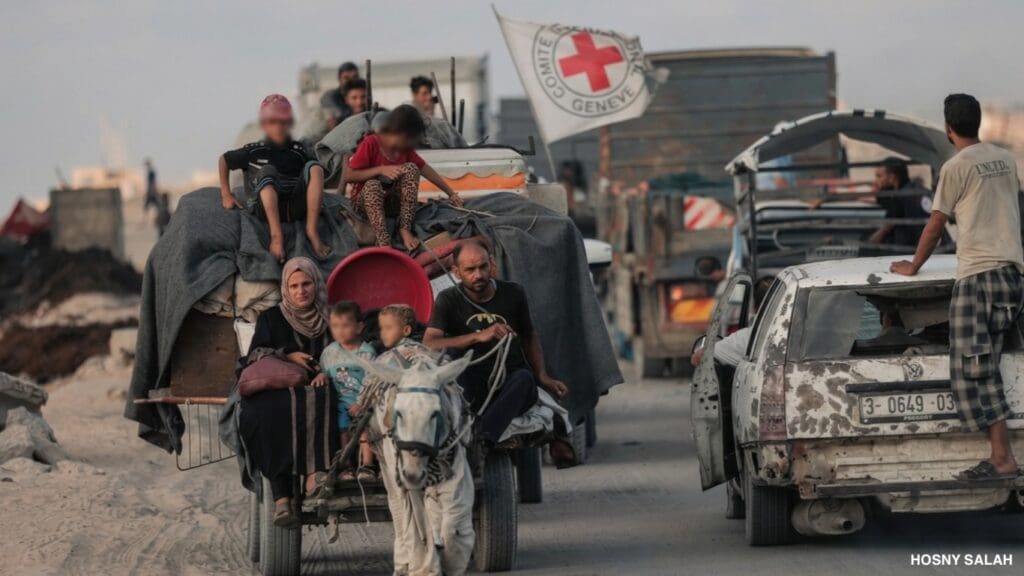
-
- Resources
- Media & Outreach
- The Network