


Muna Dajani is a Fellow in Environment at the Department of Geography and Environment at the London School of Economics, where she also completed her PhD. Her research draws on critical political ecology to examine water and land governance under settler colonialism, with a focus on Palestine and the occupied Syrian Golan Heights. She is the lead editor of The Untold Story of the Golan Heights (I.B. Tauris, 2021) and has published in Political Geography, Antipode, Environment and Planning E, and Water Alternatives. She previously held research positions at Lancaster University and the University of East Anglia’s Water Security Research Centre.

From this author
Jerusalem continues to lie at the center of political developments in Israel’s ethnic cleansing of Palestinians, and in the shifting landscape of US and EU foreign policy toward Palestine and the Israeli regime.
Through its participation in the 2021 UN Climate Change Conference (COP26) and other international forums, the Palestinian Authority (PA) continues to promote a state-centric approach to climate change that ultimately blocks legitimate climate and environmental justice in Palestine. In effect, Palestinian leadership has reduced the Palestinian liberation struggle - inherently a struggle for climate and environmental justice - to a failed state-building project since the 1993 Oslo Accords.

Muna Dajani· Jan 30, 2022
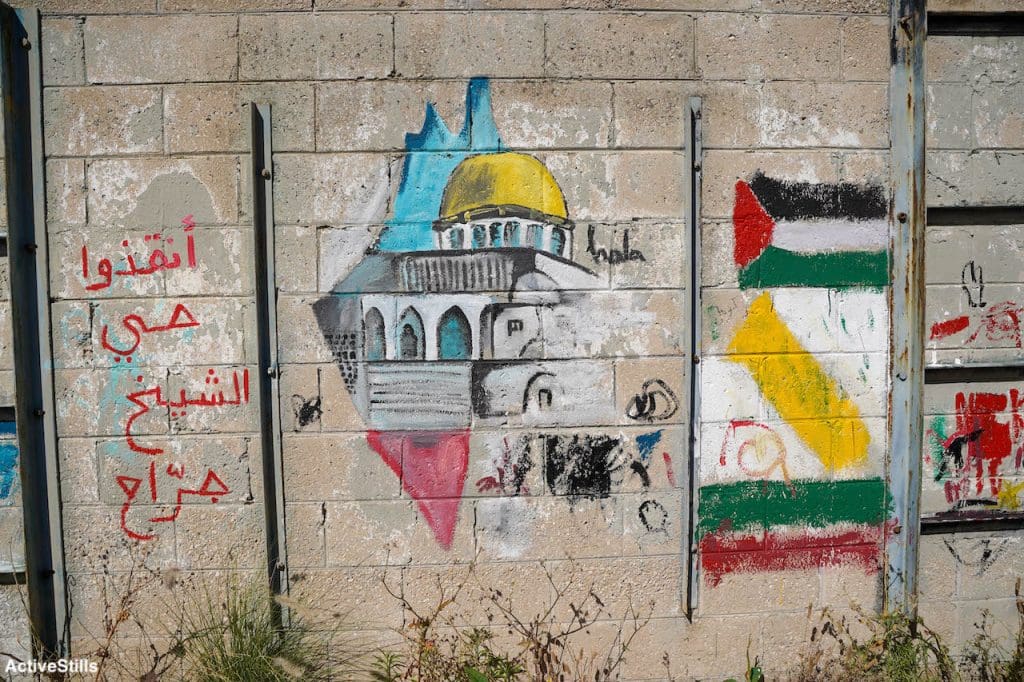
Muna Dajani joins host Yara Hawari to discuss how the #SaveSheikhJarrah campaign in support of her family and others in the Jerusalem neighborhood has acted as a catalyst for the ongoing uprising across historic Palestine against decades of Israeli settler-colonialism.


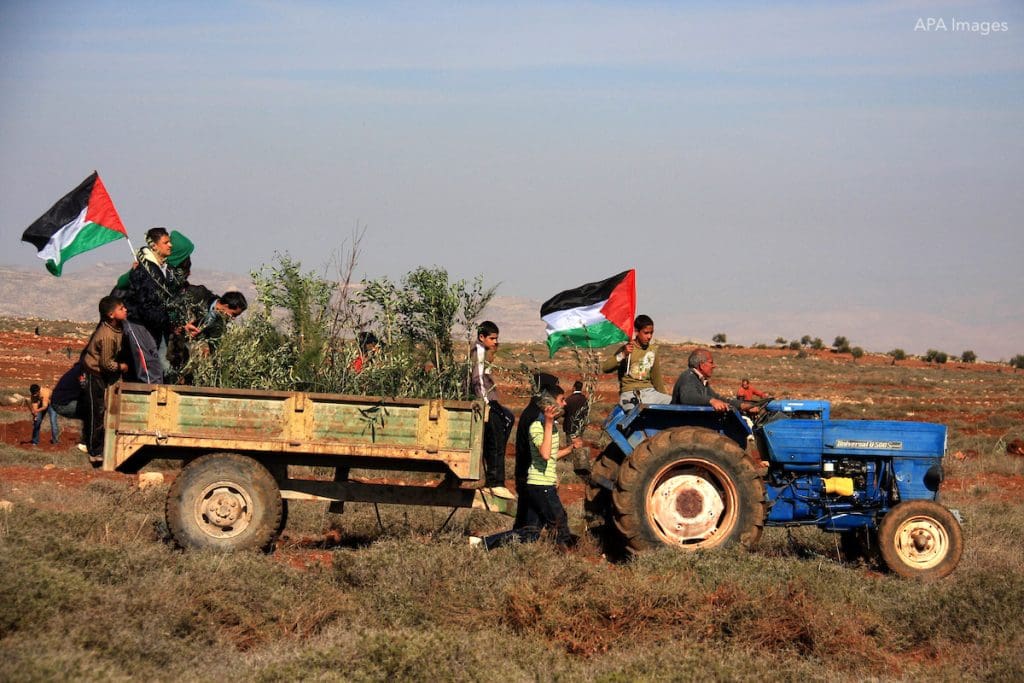
Historic Palestine has long had an abundance of natural resources, ranging from fresh and ground water, arable land and, more recently, oil and natural gas. In the seven decades since the establishment of the state of Israel, these resources have been compromised and exploited through a variety of measures. These include widespread Palestinian dispossession of land in the ongoing Nakba, exploitation of water through failed negotiations, and a finders-keepers approach to gas and oil found in or under occupied land.
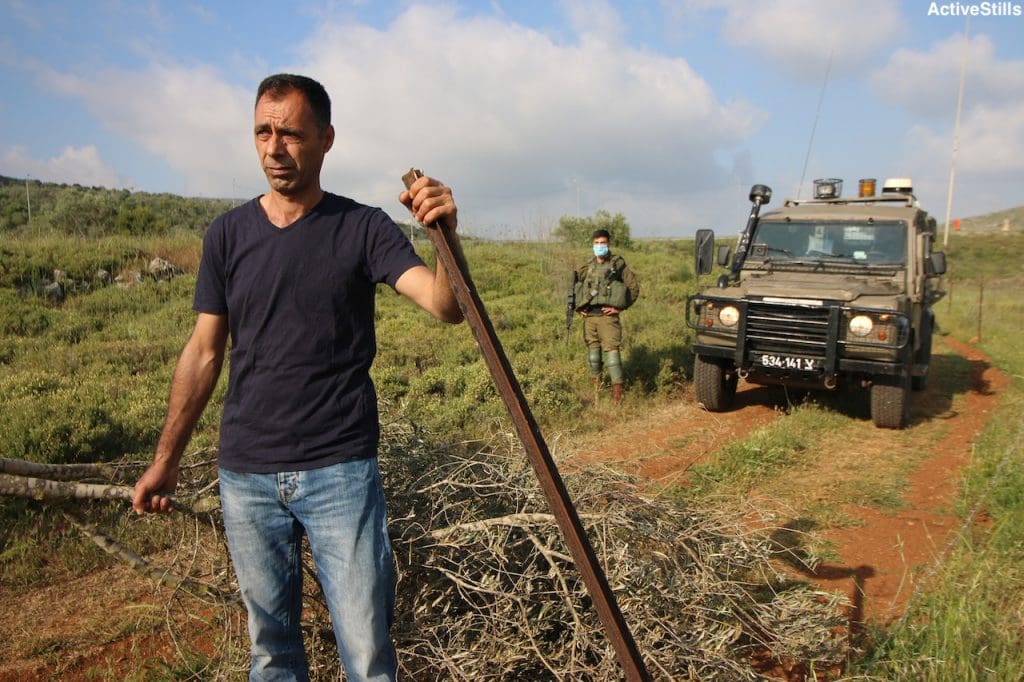
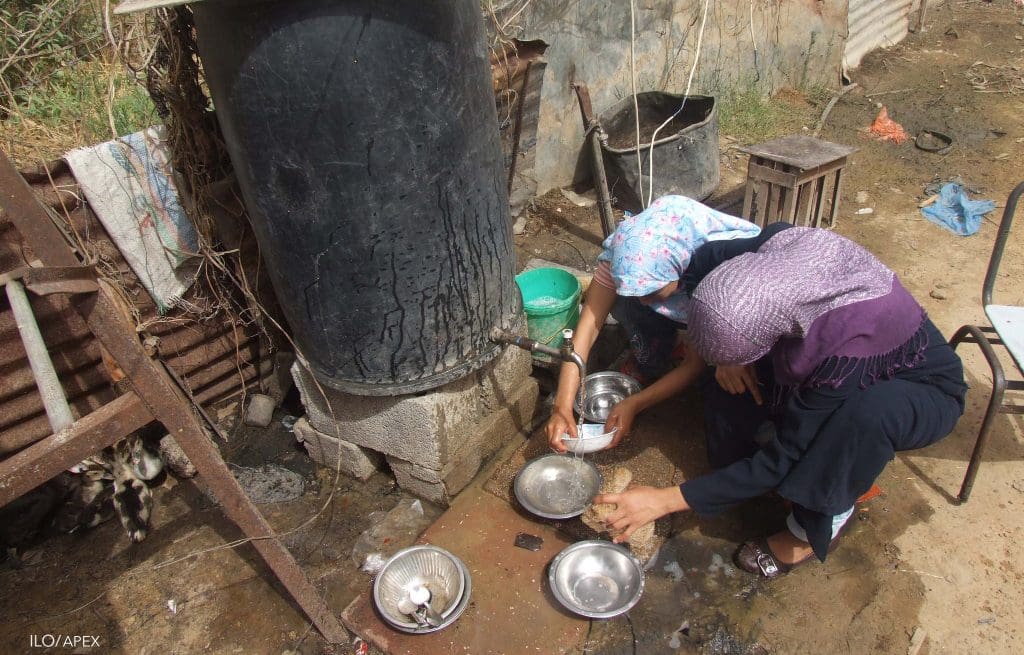
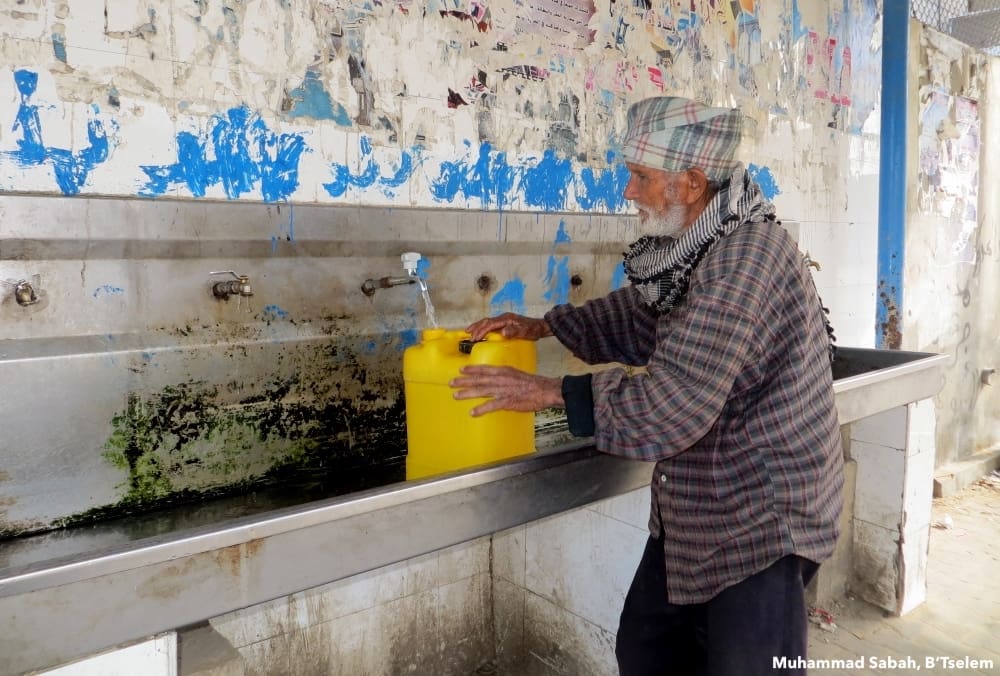
Palestine is undergoing a man-made water crisis. Yet government officials, the international community, donor agencies, and even academic literature portray Palestine’s lack of water resources as a result of the region’s climatic conditions. What these narratives fail to address is that Palestine’s water scarcity is a social and political construct that obscures how Israel entrenches its hegemony over water resources, with donor support, resulting in severe water inequality for Palestinians.

Muna Dajani· Jul 30, 2017
Israel has practiced a systemic policy of destroying Palestinian water resources and has shown that it is willing to contravene the Geneva Conventions in its use of water as a tool of coercion and control. During military operations, Israel has targeted water infrastructure in both the West Bank and Gaza, perpetuating humanitarian crises.

Muna Dajani· Sep 4, 2014