



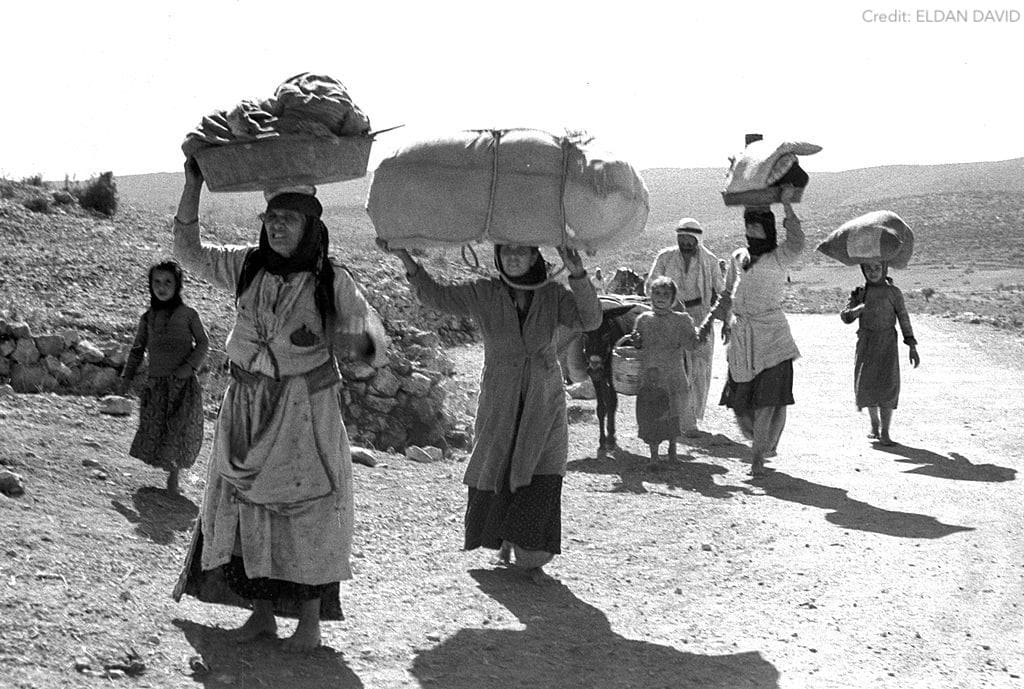
This collection of some of the most compelling pieces Al-Shabaka has published contextualizes and discusses the unique difficulties of Palestinian refugees displaced across the Middle East – from becoming refugees a second or third time due to the ongoing Syrian civil war to over-researching camps “famous” for tragedy while under-researching other refugee situations and exile communities.
Facing Double Discrimination
Palestinian Refugees from Syria: Stranded on the Margins of Law
By Mai Abu Moghli, Nael Bitarie, and Nell Gabiam
Al-Shabaka Policy Analysts Mai Abu Moghli, Nael Bitarie, and Nell Gabiam analyze the effects of the war in Syria on Palestinian refugees through a succinct, country by country analysis of the legal and social obstacles they face beyond those faced by other refugee communities, and identify immediate steps that local and international communities should take to address their safety and human rights. Read more…
Palestinians on the Road to Damascus
By Ahmad Diab
Ahmad Diab, in this Al-Shabaka Commentary, focuses on the fate of the besieged Palestinian refugee camp of Al-Yarmuk to illustrate the predicament of Palestinian refugees caught up in the Syrian Nakba. Never allowed to be fully Palestinian or fully Syrian, they are, like the rest of the Syrian people, forced to make harsh political choices to survive, their fate as murky as the fate of Syria itself. Read more…
The Price of Statelessness: Palestinian Refugees from Syria
By Rosemary Sayigh
In this Commentary, Rosemary Sayigh explores how the way neighboring Arab states differentiate between Syrian and Palestinian refugees mirrors a differentiation at the level of the United Nations. She notes, for instance, that while donations have flooded in for displaced Syrians fleeing the civil war, the donations needed to aid the Palestinian refugees of Syria are lacking due to intertwined levels of discrimination. Read more…
Unwelcome and Invisible
Unwelcome Guests: Palestinian Refugees in Lebanon
By Dalal Yassine
In this Policy Brief, Dalal Yassine examines the legal status of Palestinian refugees in Lebanon and argues that the country’s institutional racism not only deprives Palestinian refugees of their human rights but also serves to undermine the right of return. Read more…
The Invisible Community: Egypt’s Palestinians
By Oroub el-Abed
Oroub El-Abed examines the legal status of Palestinians in Egypt, including positive signs of change in the wake of the Egyptian revolution. Read more…
Trapped by Denial of Rights, Illusion of Statehood: The Case of the Palestinian Refugees in Lebanon
By Jaber Suleiman
Jaber Suleiman explores the bid by the Palestine Liberation Organization and Palestinian Authority to join the United Nations as a member state, complicating the already precarious status of Palestinian refugees in Lebanon. This Policy Brief addresses the way in which Palestinian refugees are facing the double-edged challenge of denial of their rights and the illusion of statehood. Read more…
The Mechanics of Dispossession
Decades of Displacing Palestinians: How Israel Does It
By Munir Nuseibah
Al-Shabaka Policy Analyst Munir Nuseibah identifies six of the methods Israel uses to displace Palestinians, and discusses two: displacement by personal status engineering, and by urban planning. He calls on human rights advocates and organizations to apply the more recently developed transitional justice approach to deal with the mass human rights violations carried out as a matter of policy. Read more…
Refugees: Israeli Apartheid’s Unseen Dimension
By Hazem Jamjoum
Hazem Jamjoum explains in this Commentary how the Israeli denial of the Palestinian right to return is a cornerstone of Israel’s colonial-apartheid project, and how there can never be a durable peace without the implementation of this right. Read more…
External Actors
Uneasy but Necessary: The UNRWA-Palestinian Relationship
By Randa Farah
Randa Farah’s Policy Brief explores the United Nations Relief and Works Agency-refugee relationship. Farah argues that UNRWA took on an exaggerated role that mirrored that of a welfare government-in-exile and that it is a unique organization, but neither static, homogenous, nor apolitical. Read more…
Bartering Palestine for Research
By Mayssun Succarie
This Commentary by Mayssun Succarie discusses “research tourism:” the practice of over-researching Palestinian camps with a higher tragedy profile (such as Shatila), as opposed to others that have still faced tragedy but aren’t as famous for it (such as Burj al-Barajneh, 15 minutes away from Shatila). Read more…
Rosemary Sayigh is the author of Palestinians: From Peasants to Revolutionaries (1979); Too Many Enemies: the Palestinian Experience in Lebanon (1994); Voices: Palestinian Women Narrate Displacement. She currently teaches oral history and anthropology at the Center for Arab and Middle East Studies, AUB.
Randa Farah is Associate Professor in the Anthropology Department at the University of Western Ontario, where she has taught since 2001, and Adjunct Faculty at the Centre for Global Studies at Huron University College. She holds a PhD from the University of Toronto, where her doctoral research focused on memory and identity among Palestinian refugees in camps in Jordan in the context of the Oslo Accords. She has also conducted field research in camps for Western Saharan refugees in Algeria, and her comparative work on the two cases has been published in the Journal of Palestine Studies. She previously held positions as Visiting Fellow and Associate Researcher at the Refugee Studies Centre at the University of Oxford, and worked at CERMOC in Amman on a research project on Palestinian refugees and UNRWA.
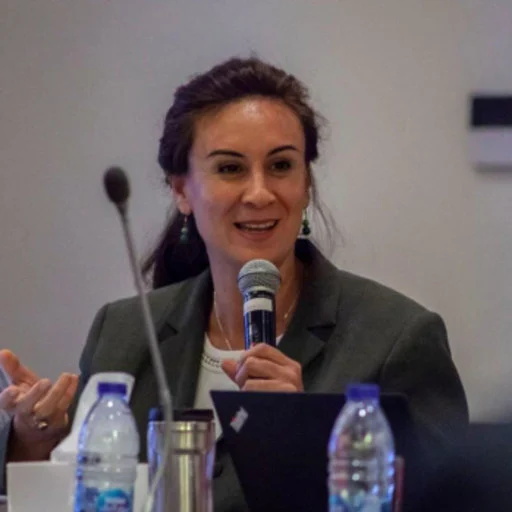
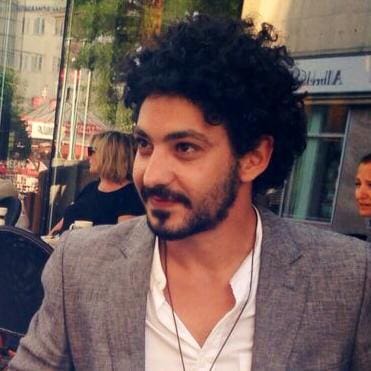
Al-Shabaka Policy Member Nael Bitarie is a Palestinian Syrian. Since 2004, Nael has been working with refugees from Palestine, Syria, Lebanon, Iraq, and refugees in Sweden where he currently lives. He is a Co-founder of Sawa for Development and Aid in Lebanon where he was the programmes manager. Currently he is a consultant and board member at Jafra Foundation. His work focuses on community mobilization, capacity building, and development. Currently Nael works with a number of initiatives in relation to Al-Yarmouk camp crisis.
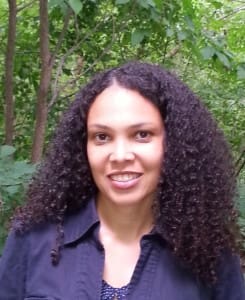
Nell Gabiam is Assistant Professor of Anthropology and Political Science at Iowa State University. She received her Ph.D. in anthropology in 2008 from the University of California, Berkeley. From 2004 to 2006, she conducted ethnographic fieldwork in the Palestinian Refugee Camps of Ein el Tal, Neirab, and Yarmouk in Syria. More recently she has conducted fieldwork in Lebanon, Jordan,Turkey, the United Arab Emirates, France, and Sweden on Palestinians who have been displaced by the ongoing war in Syria.
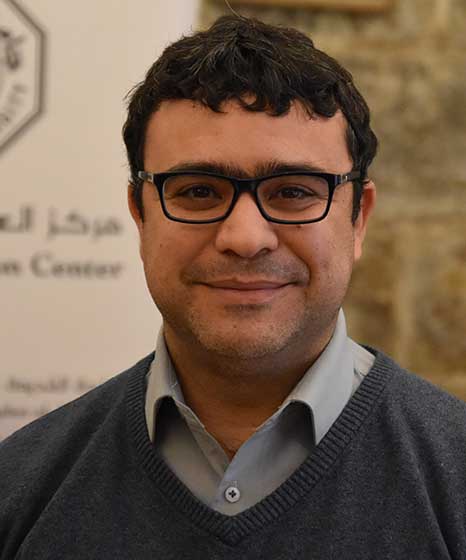
Munir Nuseibah is a human rights lawyer and academic based in Al-Quds University in Jerusalem, Palestine. He is an assistant professor at Al-Quds University’s faculty of law; the director (and co-founder) of Al-Quds Human Rights Clinic, the first accredited clinical legal education program in the Arab World; and the director of the Community Action Center in Jerusalem. He holds an LL.M in International Legal Studies from the Washington College of Law of the American University in Washington DC and a PhD degree from the University of Westminster in London, UK, where his thesis dealt with Forced Displacement in the Palestinian-Israeli Conflict, International Law, and Transitional Justice.
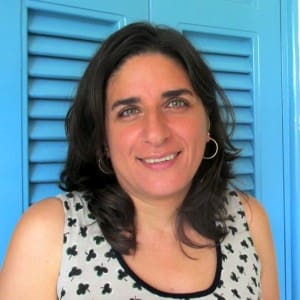
Al-Shabaka Policy Member Mayssun Succarie is a postdoctoral scholar in the Cogut Center for the Humanities at Brown University. Her research covers the Political Culture of Development in the Global South with a focus on the Arab region. She taught for three years at the American University of Beirut in the departments of Sociology, Anthropology, and Media Studies as well as the Center for Arab and Middle Eastern Studies. In 2012, she was the ARCAPITA visiting Professor at the Middle East, South Asia and African Studies-MESAAS at Columbia University. Mayssun has a doctorate in Anthropology and Education from the University of California, Berkeley.
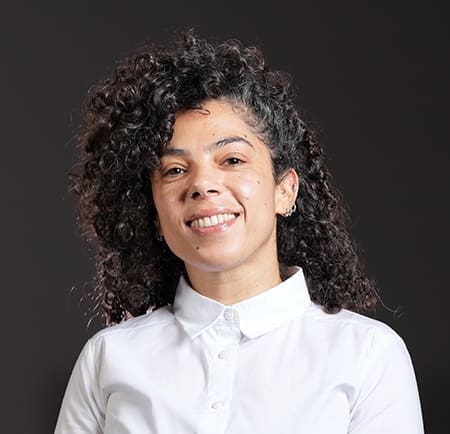
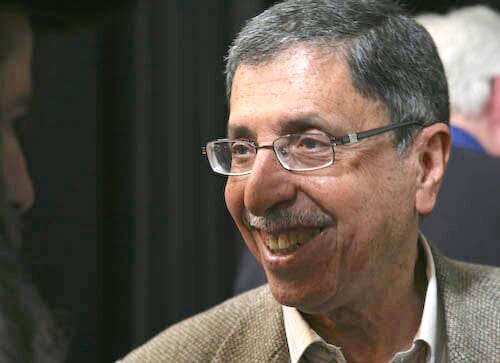
Jaber Suleiman is an independent researcher/consultant in Refugee Studies. Since 2011, he has been working as a consultant and coordinator for the Lebanese Palestinian Dialogue Forum at the Common Space Initiative, UNDP Support Project on Consensus Building, and Civil Peace in Lebanon. Between 2007 and 2010, he worked as a consultant for the Palestinian program of UNICEF in Palestinian refugee camps of Lebanon. He was a Visiting Study Fellow at the Refugee Studies Program, University of Oxford. He is also a co-founder of Aidoun Group & the Centre for Refugee Rights/Aidoun, and has written several studies dealing with Palestinian refugees and the right of return.
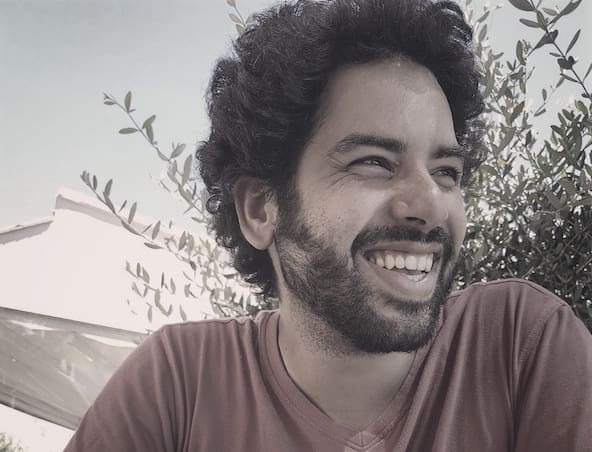
Hazem Jamjoum is a Palestinian cultural historian, archivist, and editor based in London. He is an editor at Safarjal Press and curator of the British Library’s early twentieth century audio recordings relevant to Arab and Gulf history. His translation of Ghassan Kanafani’s The Revolution of 1936–1939 in Palestine (1804 Books) won the 2024 Palestine Book Award, and his translation of Maya Abu al-Hayyat’s No One Knows Their Blood Type was published by the CSU Poetry Center in 2024.
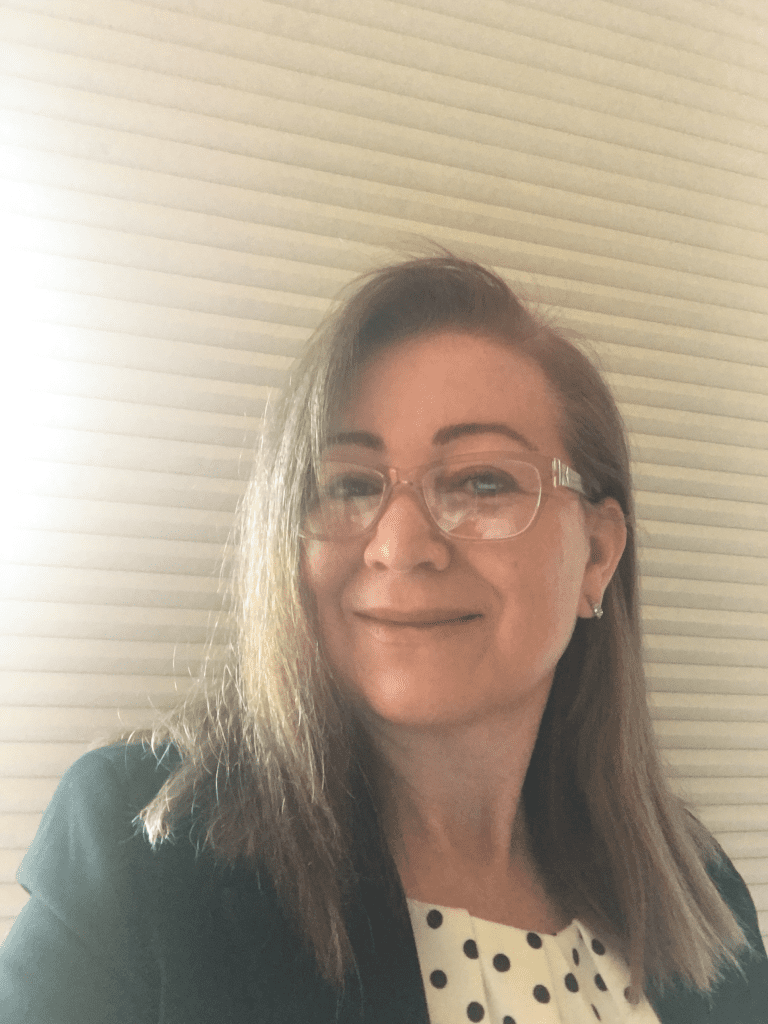
Dalal Yassine is a lawyer and advocate for gender and human rights for Palestinian refugees in Lebanon. Dalal has previously worked with several Palestinian NGOs in Lebanon and formerly served as coordinator for The Right to Work Campaign for Palestinian Refugees in Lebanon. She is the co-author of The Legal Status of Palestinian Refugees in Lebanon (2007) and completed a multi-site study titled The Empowerment of Women in Refugee Camps in Lebanon.
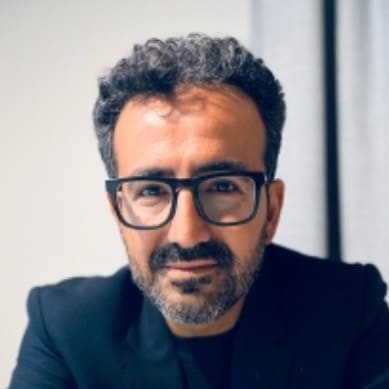
Ahmad Diab is a Palestinian writer and academic. He was most recently Assistant Professor of Arabic Literature at UC Berkeley, where he taught modern Arabic literature, Palestinian cultural studies, and courses on AI and Arabic language technology. He holds a PhD in Middle Eastern and Islamic Studies from New York University. His scholarly monograph on Palestinian representations of other Arabs is forthcoming from Stanford University Press, and his Arabic translation of Edward Said’s After the Last Sky was recently published by Dar Al-Saqi. He is also the founder of Hudhud, an AI-powered Arabic language learning app for heritage-speaking children.