






From this author

 Civil Society
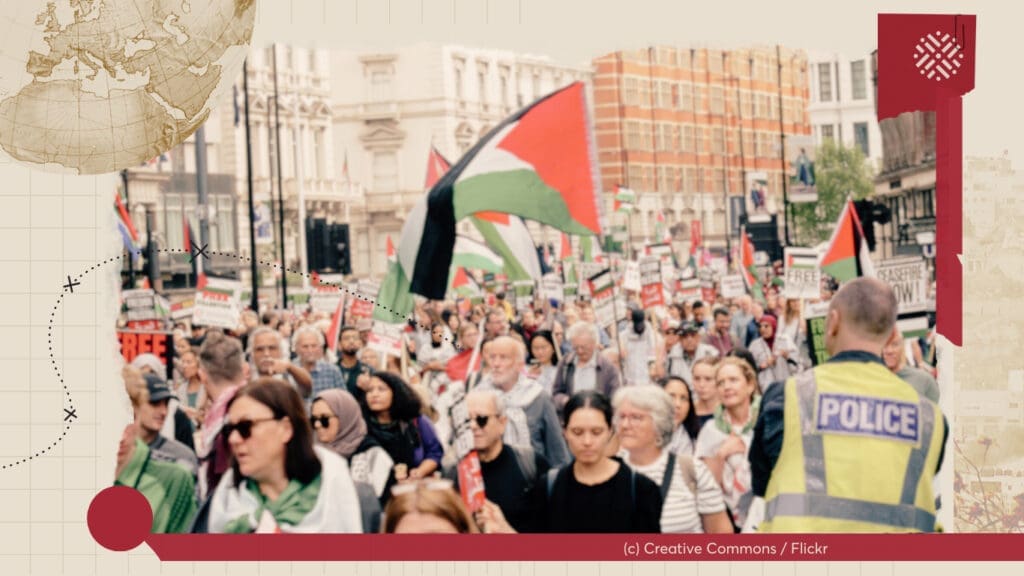
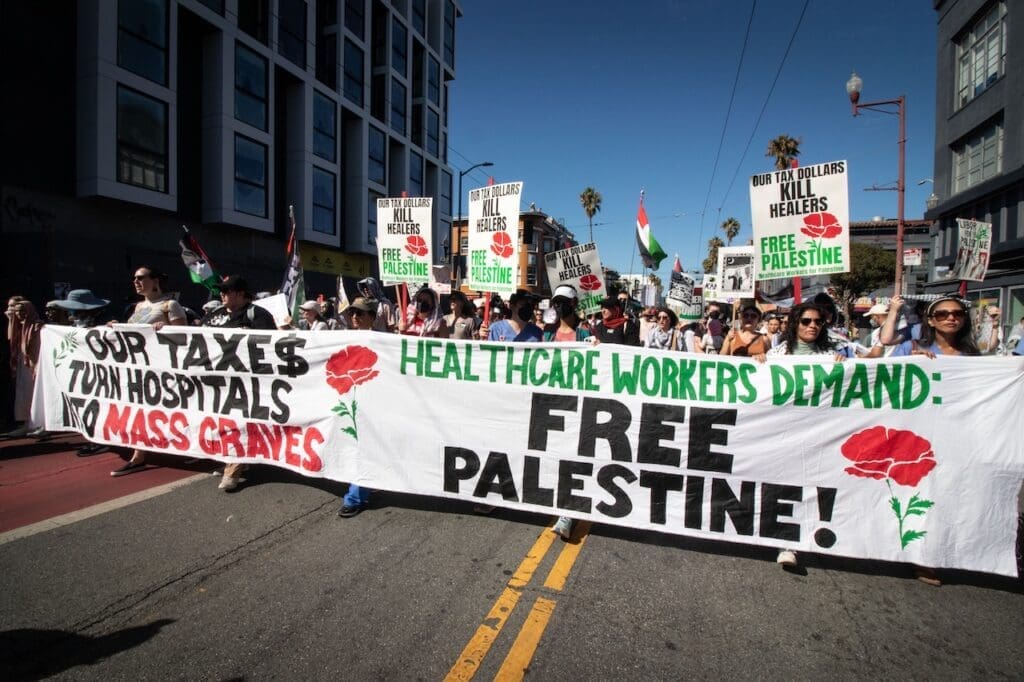
On November 4, 2025, the UK government tabled an amendment to the Crime and Policing Bill to curtail protest rights under the pretext of “cumulative disruption.” The revised Bill is now in the House of Lords Committee, where it is scrutinized before advancing toward final approval. The amendment signals a profound shift in how the state regulates public protest. While the government presents the Bill as a neutral public order measure, it emerges directly from sustained national demonstrations for Palestinian rights and introduces new legal concepts that threaten long-established democratic freedoms. This roundtable examines the Bill’s political drivers, legal architecture, and wider implications for social movements and civil liberties in the UK. It shows that the amendment is not simply a public order measure; it is a coordinated political and legal project to narrow the space for dissent in the UK. While Palestinian solidarity is the immediate target of the crackdown on freedom of assembly, the roundtable argues that the consequences will reverberate across labor organizing, racial justice, climate activism, and broader democratic participation.
 Civil Society
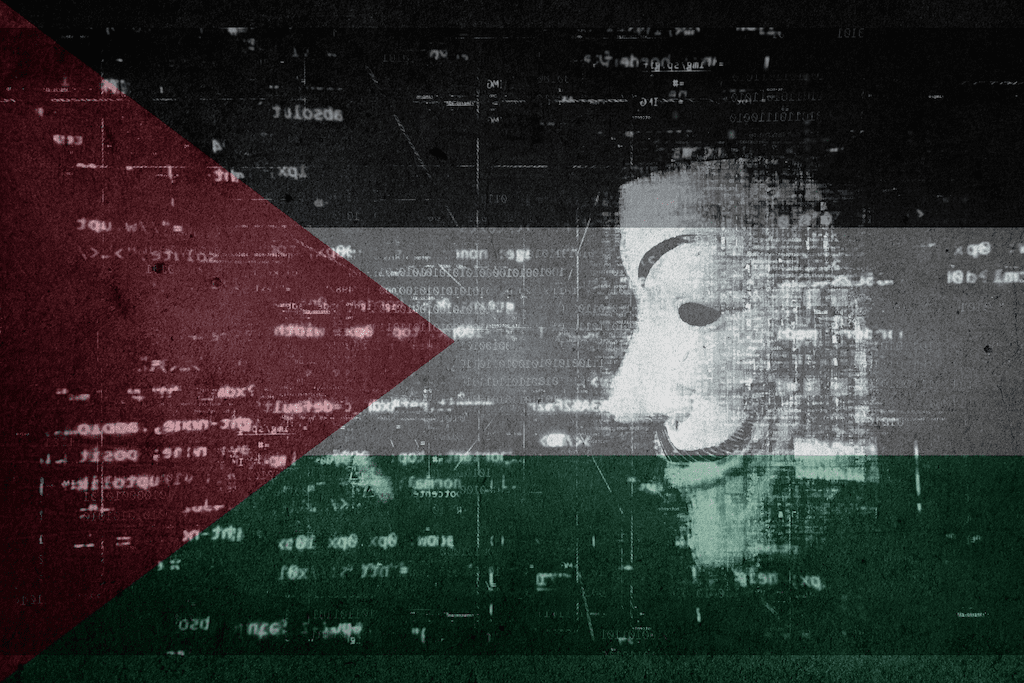
The arrival of new digital technologies over the past decade has had critical implications for Palestinian activism. On the one hand, these developments have reinvigorated the Palestinian cause. Indeed, social media platforms have facilitated new channels and modes of social organization, helping Palestinians counter their geographic fragmentation under Israeli apartheid.
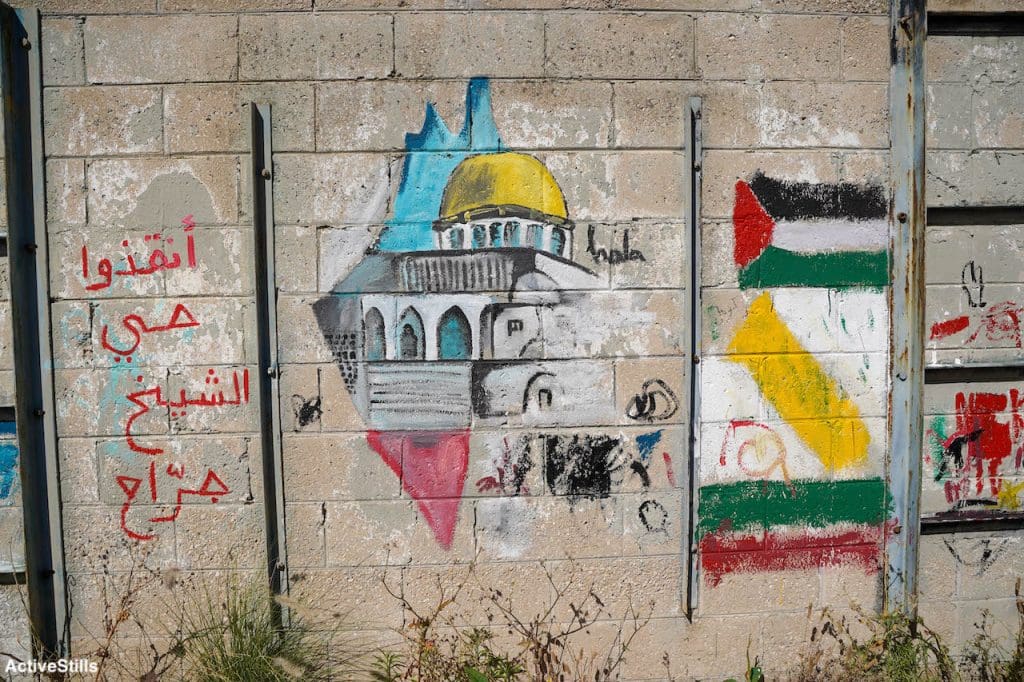
Jerusalem continues to lie at the center of political developments in Israel’s ethnic cleansing of Palestinians, and in the shifting landscape of US and EU foreign policy toward Palestine and the Israeli regime.
Zena Agha and host Yara Hawari discuss how decades of colonial mappings, first by British imperialism and then by the Israeli colonial project, have undermined Palestinian self-determination and explore how Palestinians are fighting back.
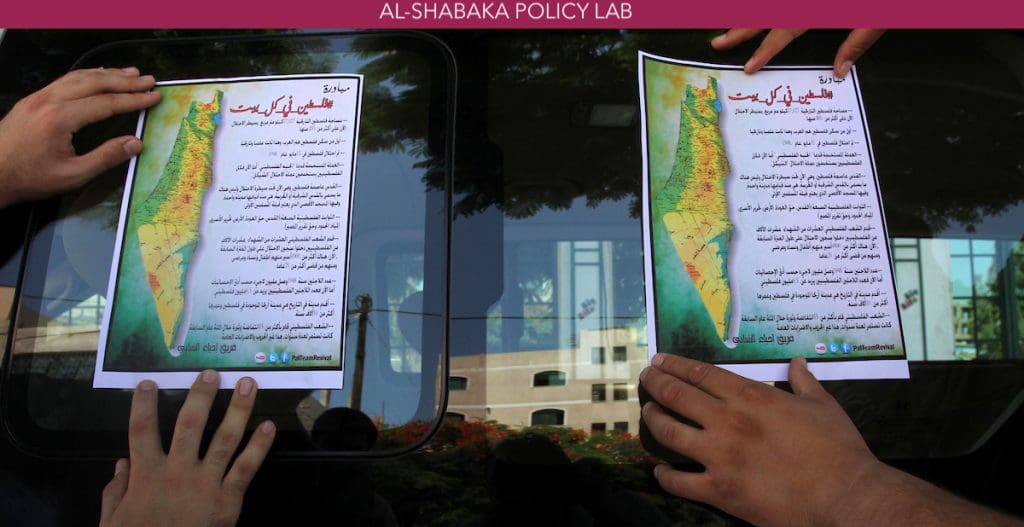
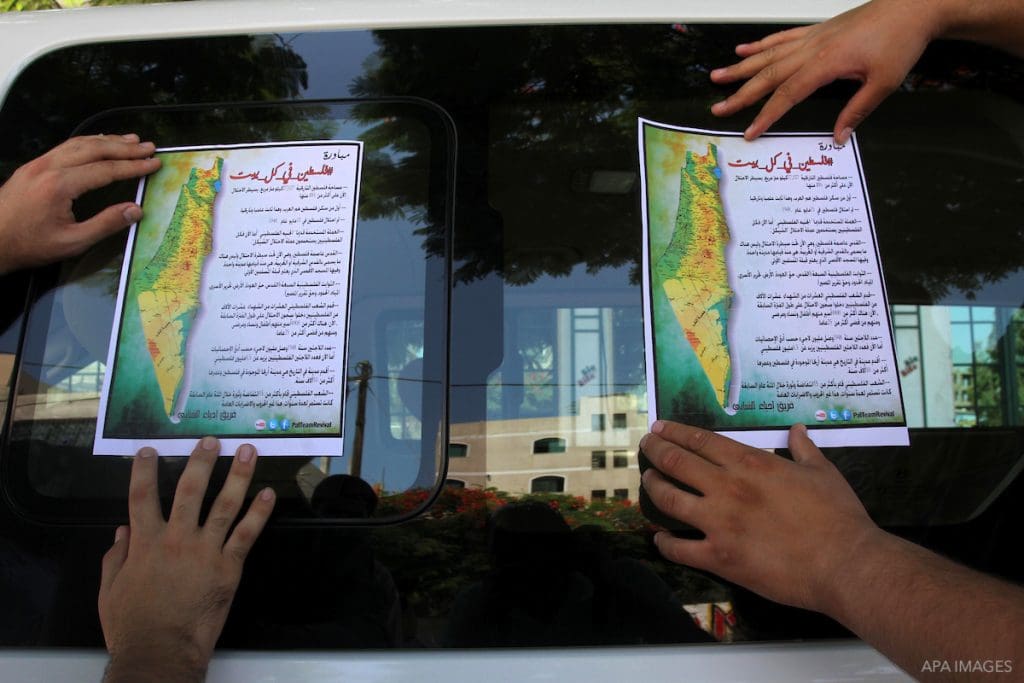
"The practice of mapping in Palestine-Israel has long been an exercise in power, imperialism, and dispossession." So writes Zena Agha in her recent policy brief for Al-Shabaka. But how can maps be reclaimed as tools for resistance? And can they be utilized to help envision a different Palestinian future?
Al-Shabaka Zena Agha
Al-Shabaka Ahmad Barclay
Zena Agha,Ahmad Barclay· Jan 23, 2020
 Civil Society
The practice of mapping in Palestine-Israel has long been an exercise in power, imperialism, and dispossession. Al-Shabaka Policy Analyst Zena Agha examines how Palestinians have been excluded from maps of their own land from the British Mandate to today, and explores ways that Palestinians can – and do – reclaim maps as a means of resistance.
Al-Shabaka Zena Agha
Zena Agha· Jan 14, 2020
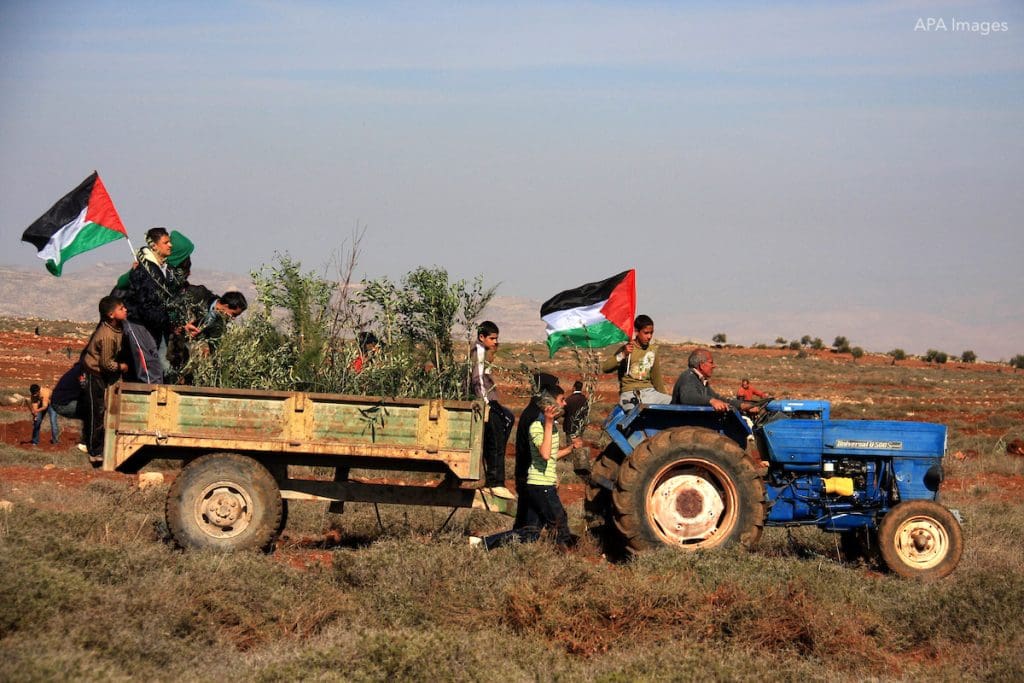
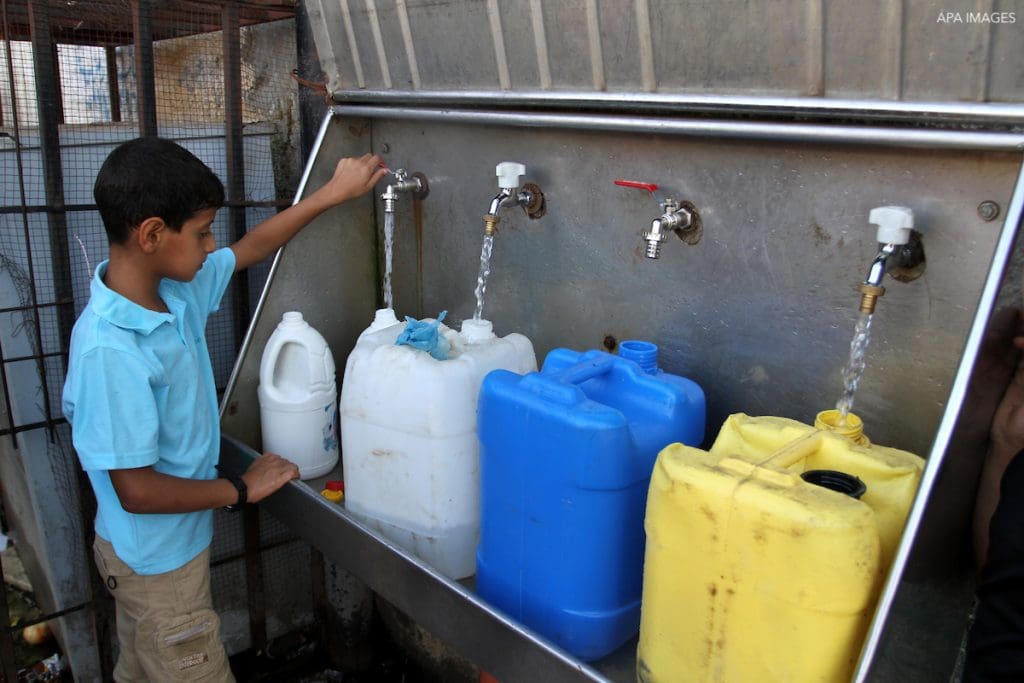
Historic Palestine has long had an abundance of natural resources, ranging from fresh and ground water, arable land and, more recently, oil and natural gas. In the seven decades since the establishment of the state of Israel, these resources have been compromised and exploited through a variety of measures. These include widespread Palestinian dispossession of land in the ongoing Nakba, exploitation of water through failed negotiations, and a finders-keepers approach to gas and oil found in or under occupied land. 
 Economics
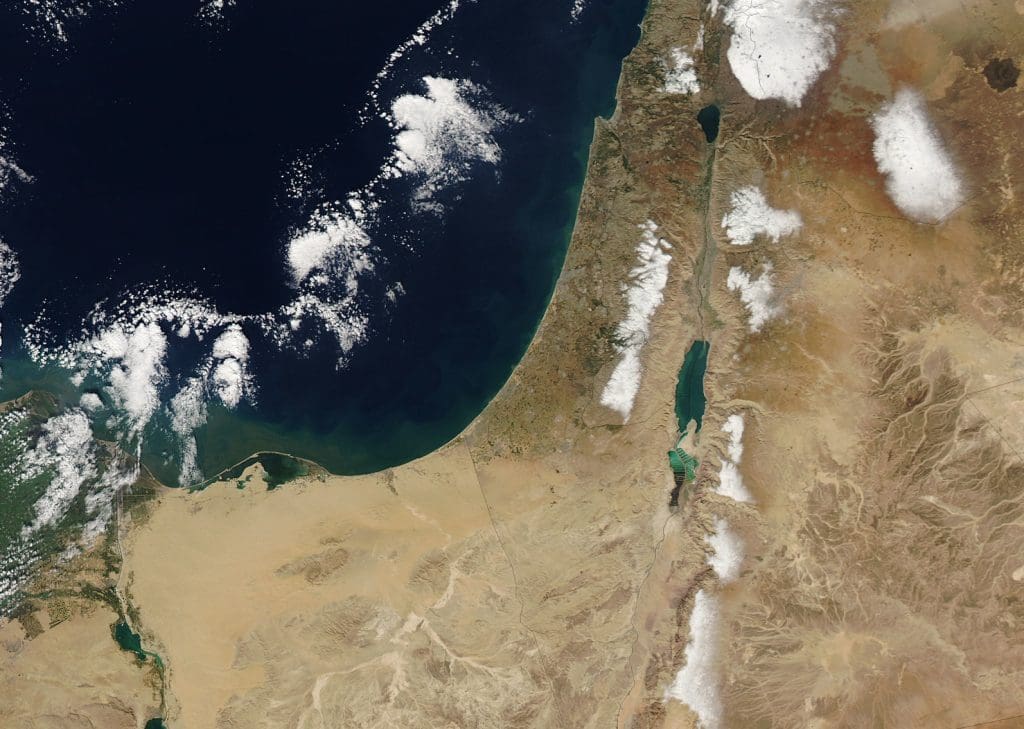
Bipartisan legislation passed by the US Congress in 1997 limits the quality and availability of satellite imagery of Palestine-Israel. The Kyl-Bingaman Amendment (KBA) to the US National Defense Authorization Act was passed under the pretext of protecting Israel’s national security. It prevents US satellite operators and retailers from selling or disseminating images of Palestine-Israel at a resolution higher than that available on the non-US market. The amendment’s interpretation has been confusing and contradictory in terms of meaning, geographical scope, and legal implications. Its result has been over two decades of limited access to clear satellite imagery of Palestine-Israel.
Al-Shabaka Zena Agha
Zena Agha· Jul 21, 2019
 Politics
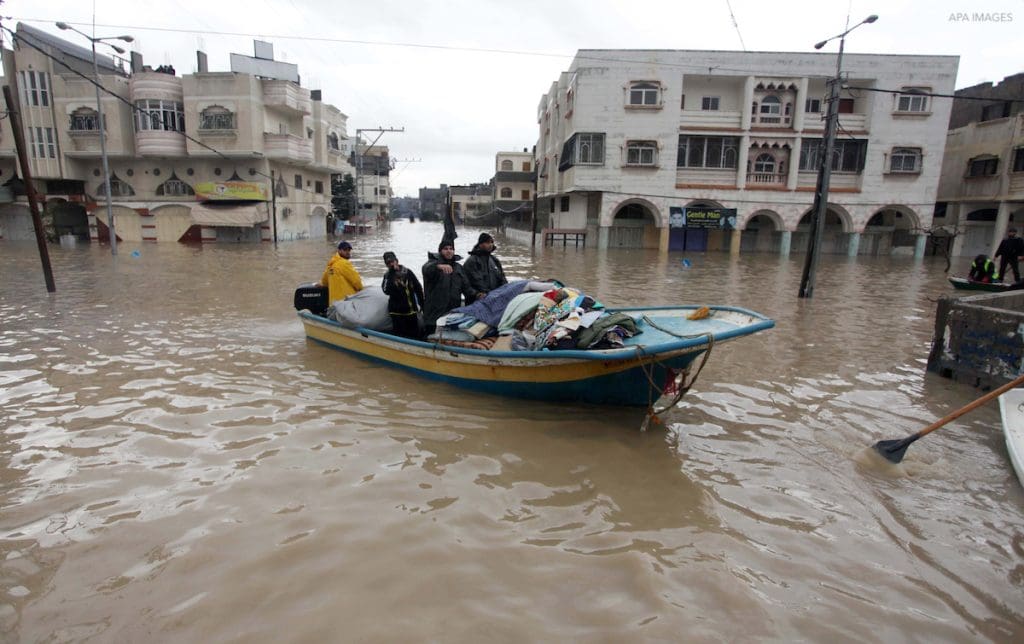
Climate change is among the greatest threats facing humanity. Although Palestinians and Israelis inhabit the same terrain, Palestinians under occupation will suffer the effects more severely. Decreased precipitation is expected to be the most significant effect on Palestine-Israel over the course of this century, accompanied by a rise in average temperatures.
Al-Shabaka Zena Agha
Zena Agha· Mar 26, 2019
 Politics
Climate change is among the greatest threats currently facing human life. Its effects are global, wide-ranging, and unequally distributed. Despite Palestinians and Israelis inhabiting the same physical terrain, Palestinians under occupation will suffer the effects of climate change more severely.
Al-Shabaka Zena Agha
Zena Agha· Mar 7, 2019