


In January 2026, APSA held a four-day methods training program in partnership with the Doha Institute for Graduate Studies for early-career scholars from across the MENA region.
The workshop aimed to build on the growing interest in the methodological, practical, and ethical questions that arise from the use of political science research in non-academic or academic-adjacent contexts. Together with workshop fellows, co-leaders explored how engaged research approaches challenge conventional boundaries between academic and non-academic knowledge production. Sessions examined research conducted in collaboration with civil society organizations, advocacy groups, community-based actors, and policy institutions, highlighting both the promises and the risks of applied scholarship.
Building on these discussions, the program also featured a panel, bringing together participants from universities and research organizations—including Al-Shabaka Co-Director Yara Hawari—to reflect on the practical, methodological, and ethical challenges that arise when research is knowingly produced for public engagement.
Featured Speaker
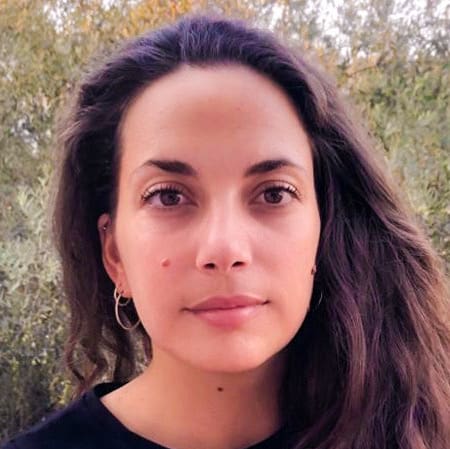
Yara Hawari is Al-Shabaka’s co-director. She previously served as the Palestine policy fellow and senior analyst. Yara completed her PhD in Middle East Politics at the University of Exeter, where she taught various undergraduate courses and continues to be an honorary research fellow. In addition to her academic work, which focused on indigenous studies and oral history, she is a frequent political commentator writing for various media outlets including The Guardian, Foreign Policy, and Al Jazeera English.