


us israeli military inetgration policy lab july2026

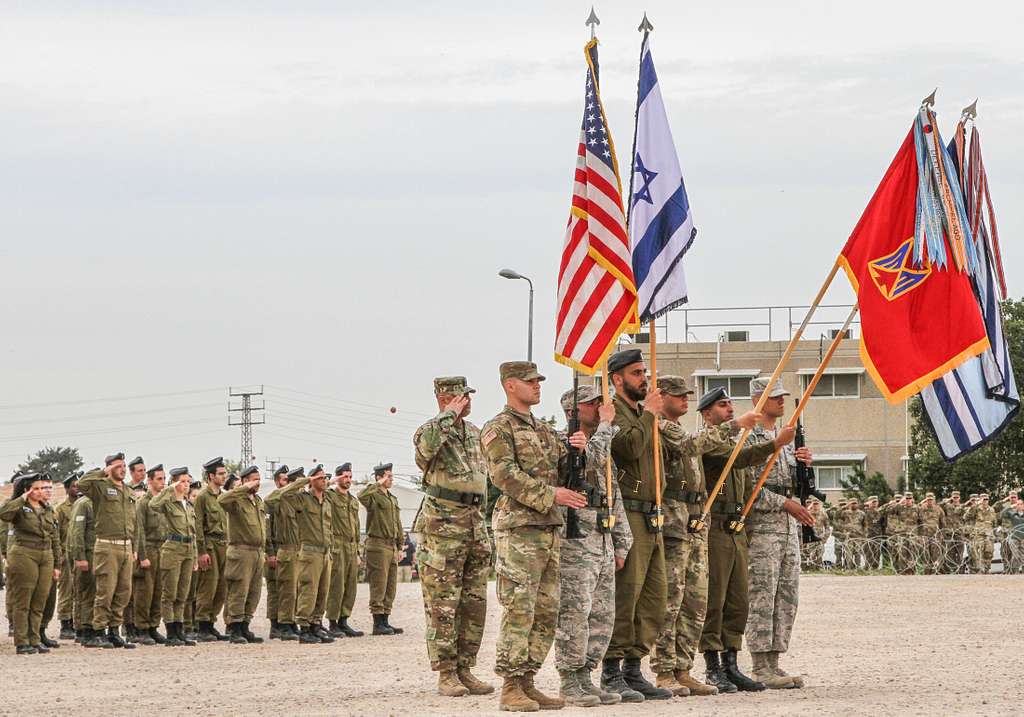
As criticism of US military support for Israel reaches unprecedented levels, leaders on the Israeli and US right are proposing a transformation of the “special relationship.” Rather than relying on traditional military aid, they envision integrating Israel more deeply into the US military-industrial complex and turning Israel into a “Super Sparta.” The aim is to insulate the Israeli regime from international pressure to end its ongoing genocide and occupation. In doing so, Israel’s relationship with the US would shift from dependence to deeper symbiosis.

What would this integration actually look like? Can Israel produce enough of its own weapons, technology, and military infrastructure to sustain its occupation and wars while insulating itself from growing international pressure? Or do its military industries remain fundamentally dependent on foreign financing, procurement, and political support? Most importantly, how would these strategic shifts impact the pro-Palestine movement?

To explore these questions and more, we are joined by policy expert Lara Friedman and investigative journalist and writer Antony Loewenstein in this policy lab.

Al-Shabaka: The Palestinian Policy Network is an independent, non-partisan, and non-profit organization whose mission is to convene a multidisciplinary, global network of Palestinian analysts to produce critical policy analysis and collectively imagine a new policymaking paradigm for Palestine and Palestinians worldwide.
With: Lara Friedman, Antony Loewenstein
In this article

Latest Analysis

 Politics
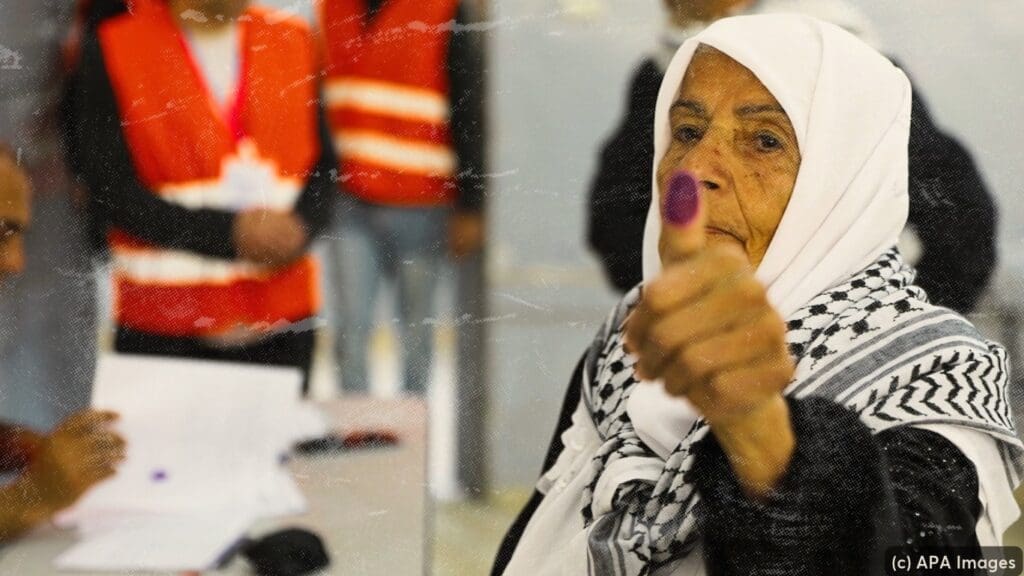
In February 2026, Palestinian Authority President Mahmoud Abbas issued a decree stating that Palestinian National Council (PNC) and Palestinian Legislative Council (PLC) elections would take place in November. In October, he postponed the PLC elections, citing obstacles from the Israeli regime. The PNC elections have been held only in limited locations, as little more than a mechanism to select predetermined candidates. As for the 2027 presidential elections, Abbas is unlikely to hold them, even though he has exceeded his electoral mandate by nearly 18 years. An election would simply not bode well for him: his popularity ratings are very low, and he is, after all, the world's second-oldest president. In this commentary, Yara Hawari and Alaa Tartir engage with electoral significance within the settler-colonial context where the Israeli regime has been foreclosing Palestinian political agency across Palestine. While elections alone cannot measure democracy or mark enfranchisement, the authors nevertheless grapple with the value of Palestinian representation and how democratic participation can play out under settler colonialism.
Al-Shabaka Yara Hawari
Al-Shabaka Alaa Tartir
Yara Hawari,Alaa Tartir· Nov 17, 2026
 Politics
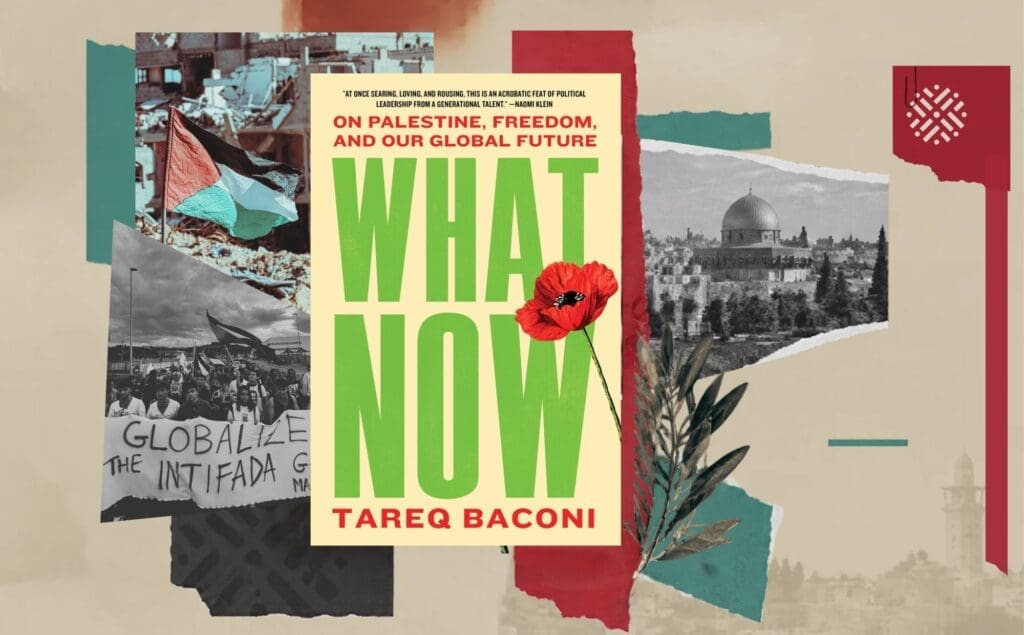
The following is an excerpt from What Now: On Palestine, Freedom, and Our Global Future, written by Al-Shabaka analyst Tareq Baconi and published by Washington Square Press on November 3, 2026.
Tareq Baconi· Nov 4, 2026
 Refugees
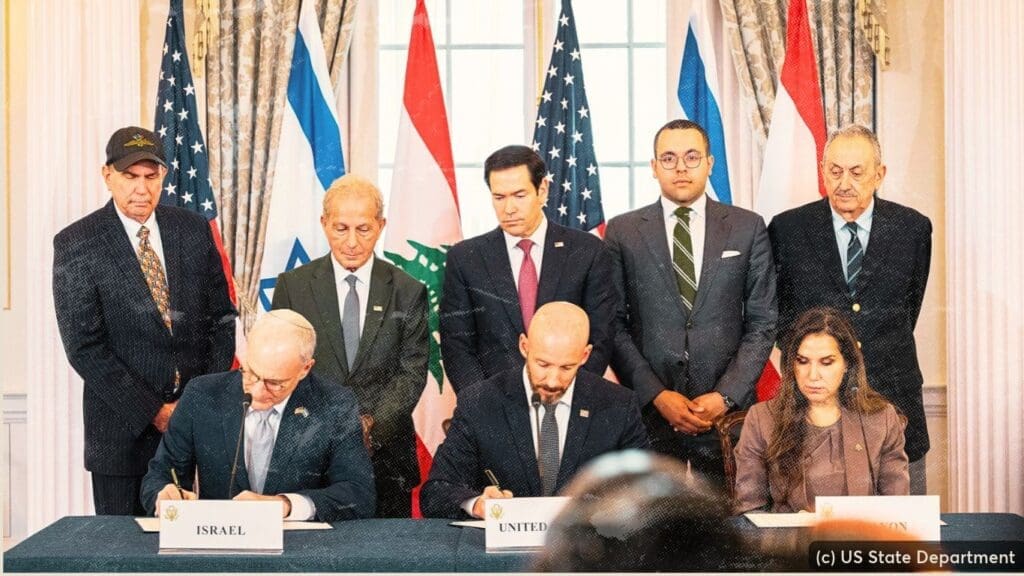
On June 26, 2026, Lebanon, the US, and the Israeli regime signed a Trilateral Framework against the backdrop of fierce military attacks on Lebanon and the invasion of its south. This aggression was part of the broader US-Israeli regional assault that also devastated Iran, Syria, and Palestine, upending the geopolitical order. In this commentary, we speak with Al-Shabaka policy analyst Jaber Suleiman, who examines pivotal questions about this framework agreement and its implications for Palestinian refugees in Lebanon and the liberation struggle more broadly. He emphasizes the grave implications of this agreement, as it makes Israeli withdrawal from Lebanese territory conditional on the disarmament of Hezbollah, thereby holding the resistance factions and the Lebanese state responsible for ending the war and the occupation, while absolving Israel of accountability.
Jaber Suleiman· Oct 14, 2026