










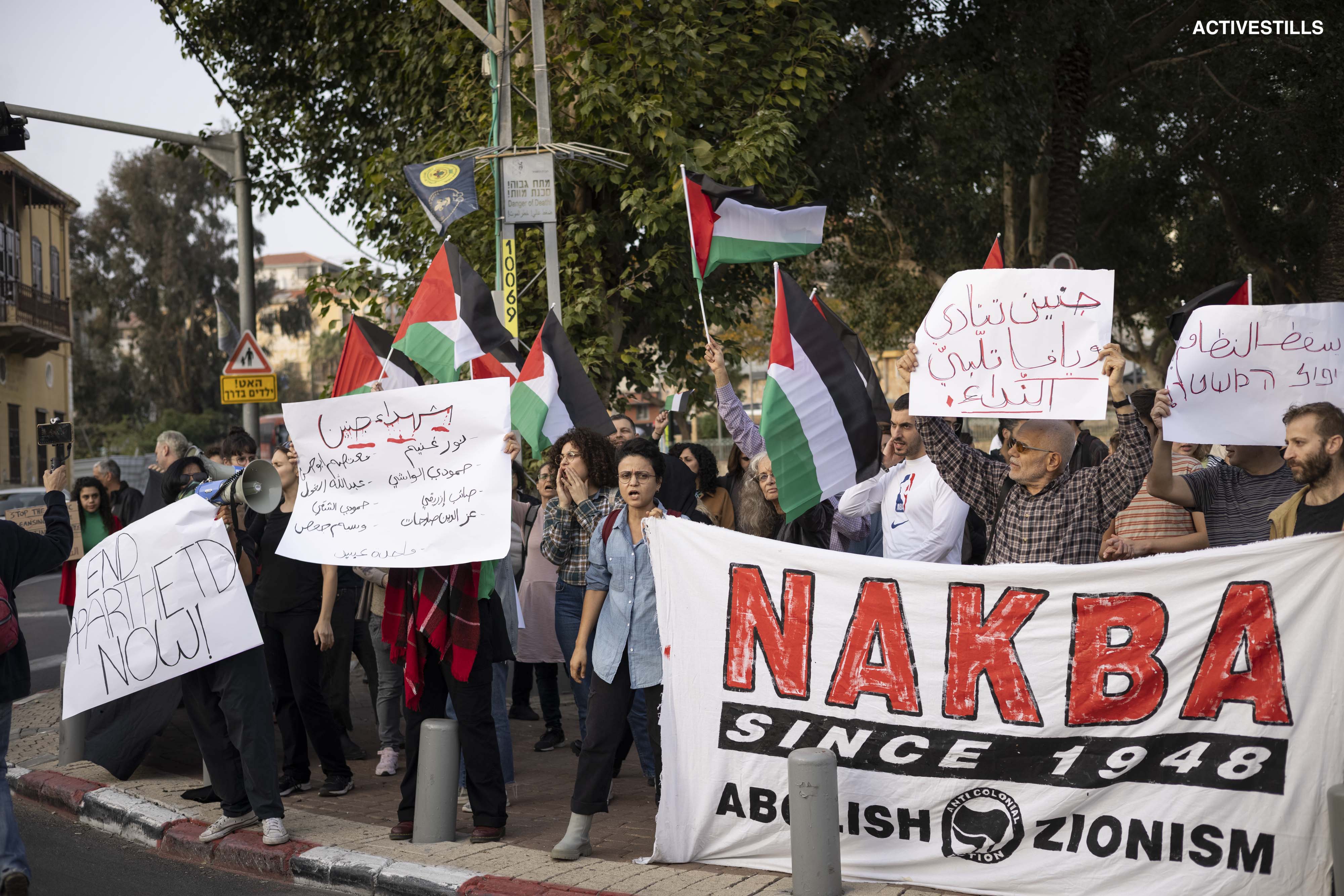
A sovereign Palestinian state is today perhaps further from reality than ever before. Indeed, with the demise of the so-called two-state solution and the entrenchment of Israeli settler colonialism and apartheid across Palestine, the possibility of a Palestinian nation-state is arguably defunct. What does a Palestinian political future beyond partition look like? What would this entail for Palestinians within colonized Palestine and across the diaspora? Given their forced fragmentation, how might Palestinians forge collective visions for their political future?
In this Focus On, Al-Shabaka’s policy analysts imagine Palestinian political futures within the context of historical and ongoing realities. Among other topics, they revisit the history of popular committees and consensus-building efforts during the First Intifada to show how local Palestinian governance might be strengthened, and how we might rethink the meaning of self-determination from the grassroots. They consider how various aspects of Palestinian society, including health, education, and policing, could be transformed to help sustain a new political vision for liberation, and revive popular engagement in colonized Palestine and beyond. And they examine the different means through which Palestinians can utilize international legal avenues to strategize an effective anti-apartheid movement.
One State, Two States, and Beyond
Palestine Beyond Partition and the Nation-State
Leila Farsakh
How might we rethink the idea of Palestinian self-determination outside of the frameworks of nation-statehood and territorial sovereignty? In this interview, policy analyst Leila Farsakh argues that Palestinians should relinquish the partition paradigm and advocate for a one-state future on the basis of equal citizenship. Read more…
Beyond Failed Frameworks: A Re-Imagined Collective Future
Yara Hawari
Given the failure of the two-state solution, how have Palestinians crafted new collective strategies to achieve liberation? Senior Analyst Yara Hawari examines past efforts by Palestinians to push beyond the boundaries of partition, and points to consensus-building as the first step in the path towards a just political future. Read more…
Radical Futures: When Palestinians Imagine
Yara Hawari
To imagine a future beyond Israeli settler colonialism – which works to create “facts on the ground” and normalize Palestinian dispossession – is an inherently radical act. Senior Analyst Yara Hawari shows how Palestinians have begun this difficult but necessary work. Read more…
Palestine Post-Oslo: Moving to a Just Future
Amal Ahmad, Sam Bahour
On the 25th anniversary of the Oslo Accords, policy analysts Amal Ahmad and Sam Bahour join Al-Shabaka honorary president Nadia Hijab to discuss how the agreement has affected the Palestinian national project, and to offer their visions for new political futures. Read more…
Palestinian Succession: Crisis or Opportunity?
Leila Farsakh, Ahmad Khalidi
With the two-state solution increasingly obsolete, policy analysts Leila Farsakh and Ahmad Khalidi discuss the realities of succession in Palestinian leadership in the context of the fast-changing Palestinian street. What opportunities do Palestinians have in forging a political future outside of their corrupt leadership? Read more…
Beyond the Binary: Two States, One State, Failed State, No State
Amal Ahmad
While many have abandoned the quest for a sovereign Palestinian state, policy analyst Amal Ahmad contends that other political configurations are much more likely than a single, democratic state across colonized Palestine, particularly in the near future. Read more…
Alternative Forms of Political and Social Organizing
The Case for Palestinian Nationality
Nadim Bawalsa
In this policy brief, Nadim Bawalsa examines the historical and legal foundations of Palestinian nationality. He argues that Palestinians and their representatives across the diaspora must come together and stake claims to their rights to Palestinian nationality as a way to safeguard their legal connections to Palestine. Read more…
Defying Fragmentation and the Significance of Unity: A New Palestinian Uprising
Yara Hawari
The 2021 Unity Intifada reaffirmed that Palestinians everywhere share a common struggle. Despite the failures of the Palestinian leadership, as Senior Analyst Yara Hawari shows, Palestinians still possess an enormous potential for widespread grassroots political mobilization. Read more…
Reimagining Liberation through the Popular Committees
Layth Hanbali
In this policy brief, policy analyst Layth Hanbali investigates the history of popular committees in the West Bank and Gaza during the 1970s and 1980s. He shows how they can offer a model to reinvigorate local governance and build a new, popular political movement from the grassroots. Read more…
Community Accountability in Palestine: An Alternative to Policing
Yara Hawari
Any vision for Palestinian political liberation must address the reality of violent policing and mass incarceration that Palestinians face across colonized Palestine. Senior Analyst Yara Hawari explores the concept of community accountability as a way to promote reconciliation and counter social fragmentation within Palestinian society. Read more…
A Vision for Liberation: Palestinian-led Development in Health and Education
Yara Asi
How can the Palestinian health and education sectors be transformed to align with and advance political visions for Palestinian liberation? Policy analyst Yara Asi offers her recommendations, based on interviews with a diverse group of Palestinians across colonized Palestine and the diaspora. Read more…
International Law and the Palestinian Anti-Apartheid Movement
Rania Muhareb
How can Palestinians employ international law to lay the foundations of an effective anti-apartheid movement outside of their leadership? Policy analyst Rania Muhareb offers recommendations for how Palestinians and their allies should harness international laws to strategize a political anti-apartheid movement. Read more…
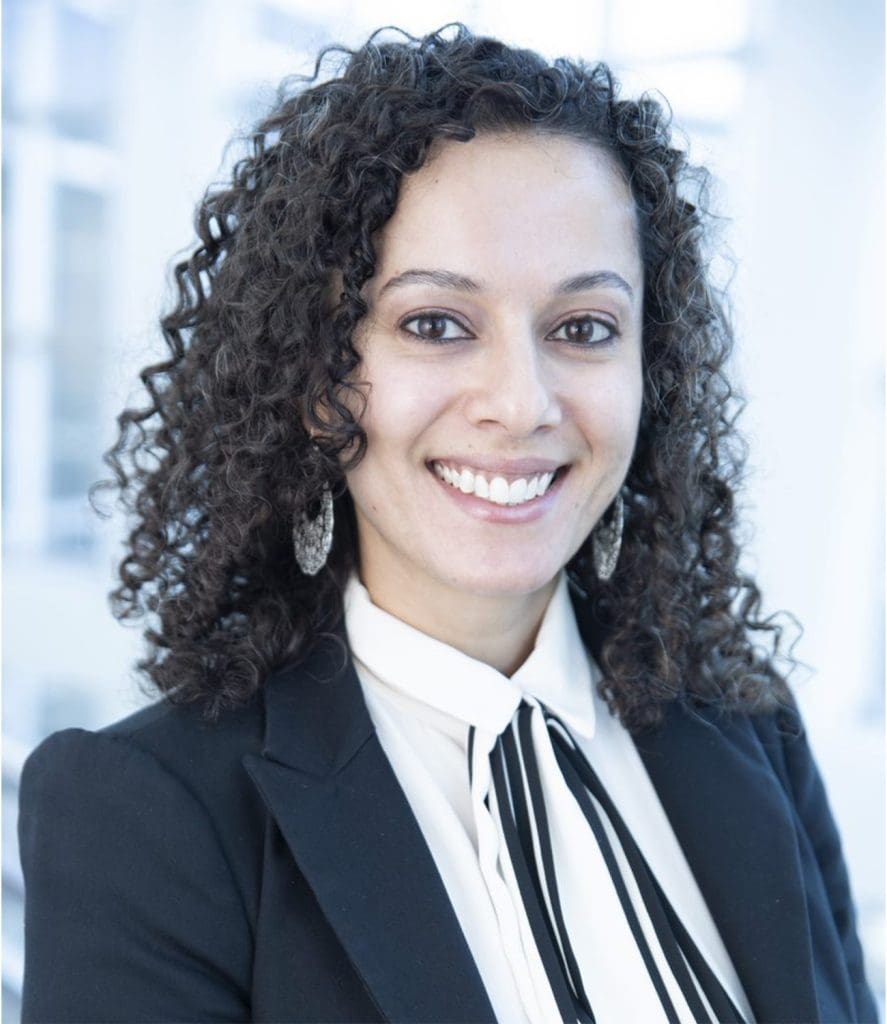
Dr. Yara M. Asi is an Assistant Professor at the University of Central Florida in the School of Global Health Management and Informatics. Her research agenda focuses on global health, human rights, and development in fragile populations. She is a Non-resident Fellow at the Arab Center Washington DC, a 2020-2021 Fulbright US Scholar to the West Bank, the Fall 2021 US Fellow at Al Shabaka Palestinian Policy Network, and the co-chair of the Palestine Health Justice Working Group in the American Public Health Association. Along with working at one of the first accountable care organizations in the United States, she has also worked with Amnesty International USA and the Palestinian American Research Center on policy and outreach issues. She has presented at multiple national and international conferences on topics related to global health, food security, health informatics, and women in healthcare, and has published extensively on health and well-being in fragile and conflict-affected populations in journal articles and book chapters. Her work has also been featured in The Washington Post, The Guardian, The Nation, +972 Magazine, The Conversation, Al Jazeera, The World, and other outlets. Her forthcoming book with Johns Hopkins University Press will examine war as a public health crisis.
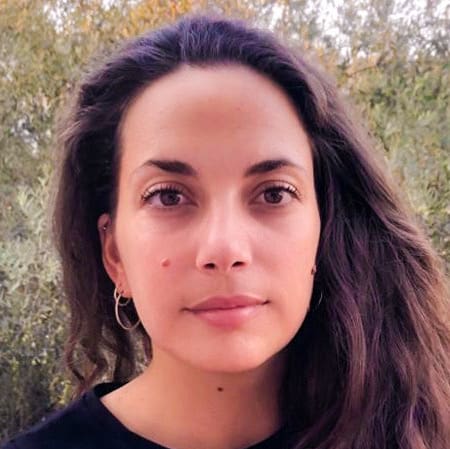
Yara Hawari is Al-Shabaka’s co-director. She previously served as the Palestine policy fellow and senior analyst. Yara completed her PhD in Middle East Politics at the University of Exeter, where she taught various undergraduate courses and continues to be an honorary research fellow. In addition to her academic work, which focused on indigenous studies and oral history, she is a frequent political commentator writing for various media outlets including The Guardian, Foreign Policy, and Al Jazeera English.
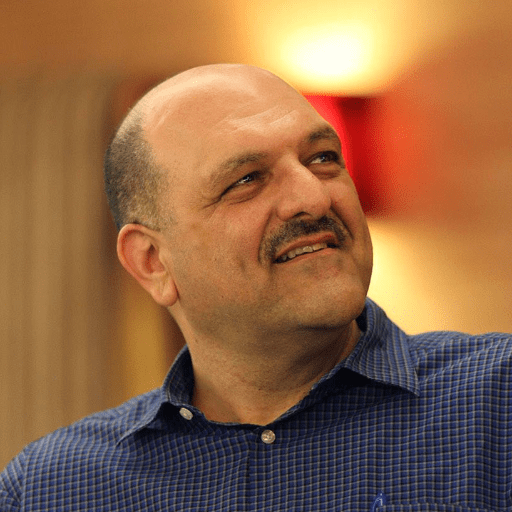
Sam Bahour leads Applied Information Management (AIM), a business development consulting firm. Bahour was instrumental in establishing two publicly traded firms: the Palestine Telecommunications Company (PALTEL) and the Arab Palestinian Shopping Centers (APSC). He currently serves as a board member at Just Vision and The Palestine Economic Policy Research Institute (MAS), and served as an independent director at the Arab Islamic Bank PLC from 2004 to 2025. He speaks and writes frequently on Palestinian affairs, blogs at epalestine.ps, and has been widely published in leading outlets. He is co-editor of Homeland: Oral History of Palestine and Palestinians (Olive Branch Press, 1993).
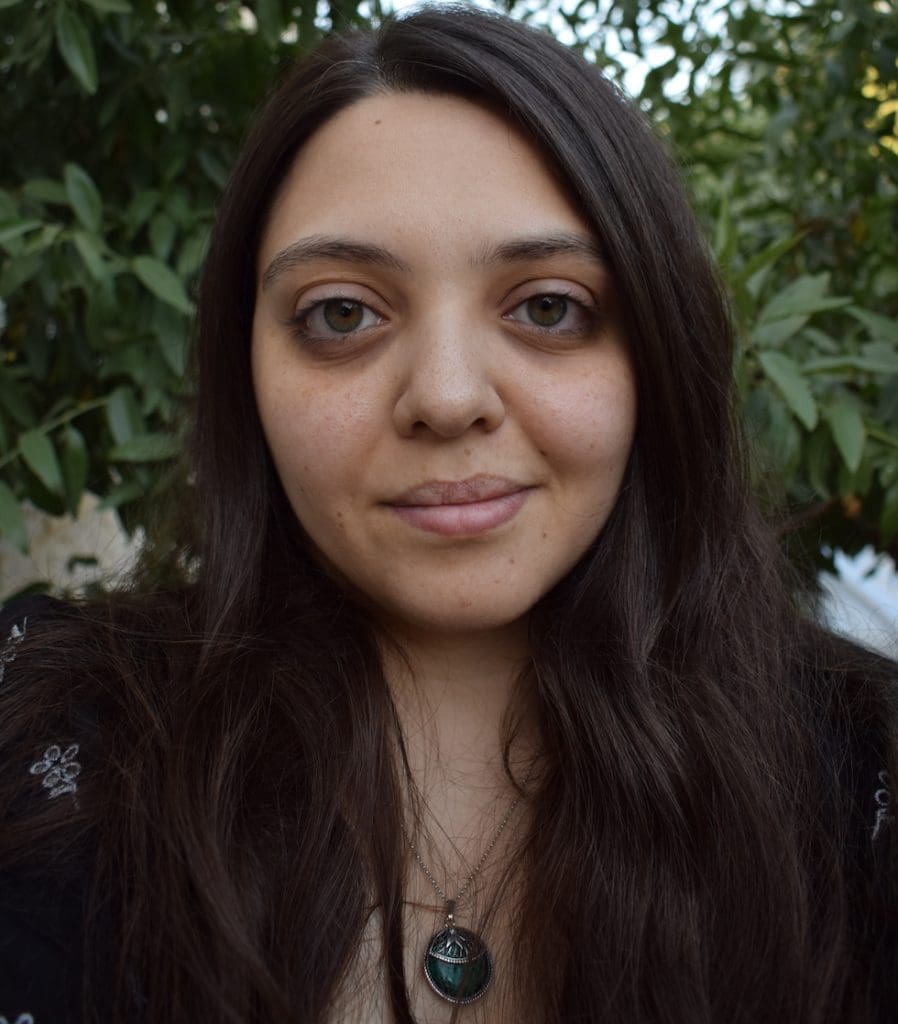
Rania Muhareb is a postdoctoral research fellow in the School of Law and Criminology at Maynooth University, and a visiting postdoctoral fellow at the Irish Centre for Human Rights in the School of Law at the University of Galway, where she completed her PhD in December 2024. Her doctoral research examined the mobilization of the apartheid framework by grassroots organizers and human rights organizations to pursue international justice and accountability in Palestine. Rania was the 2025 Palestine Postdoctoral Fellow at the FXB Center for Health and Human Rights at Harvard University, where her research focused on Palestinians’ right to health, drawing on the Apartheid Convention, the Genocide Convention, and the settler-colonialism framework.
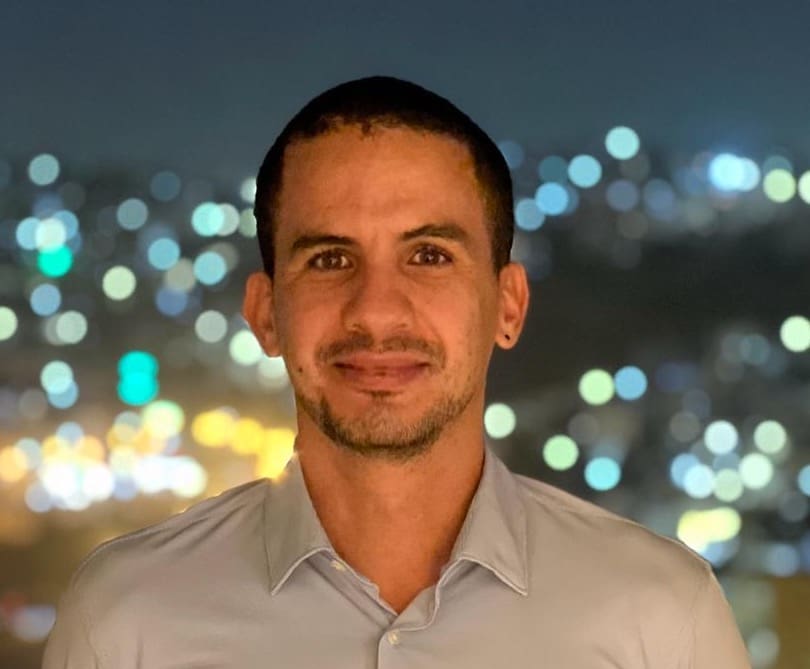
Nadim Bawalsa is Associate Editor with the Journal of Palestine Studies. From 2020-2023, Nadim served as Al-Shabaka’s commissioning editor. He is a historian of modern Palestine, and author of Transnational Palestine: Migration and the Right of Return before 1948 (Stanford University Press, 2022). His other work has appeared in the Jerusalem Quarterly, the Journal of Palestine Studies, NACLA Report on the Americas, and as well as in edited volumes. He earned a joint doctorate in History and Middle Eastern & Islamic Studies from New York University in 2017, and a Master’s in Arab Studies from Georgetown University’s Center for Contemporary Arab Studies in 2010. In 2019-2020, he was awarded a PARC-NEH fellowship in Palestine.
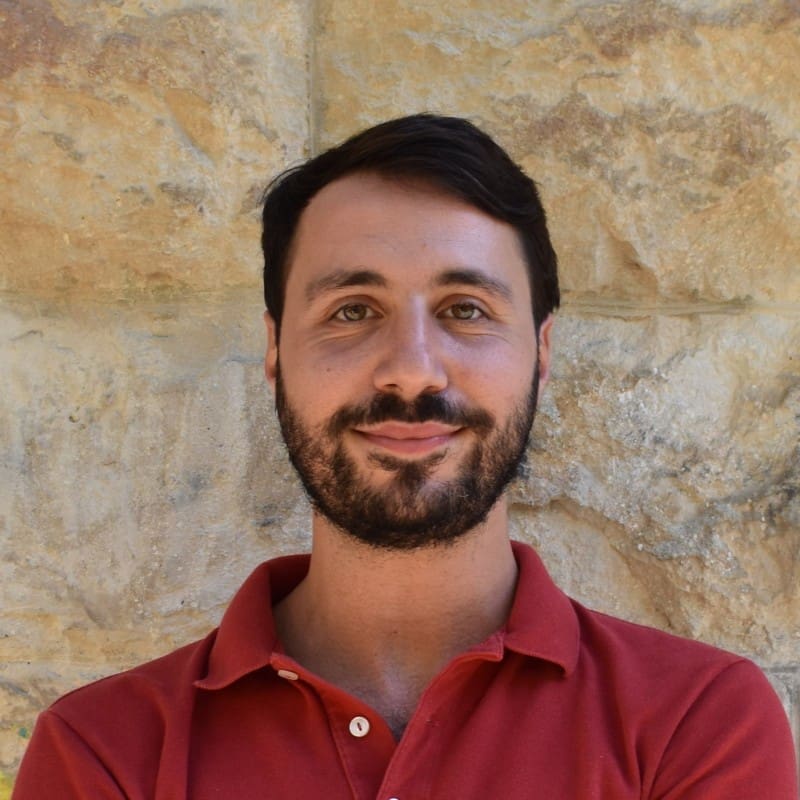
Layth Hanbali is a PhD candidate in history at ULB University (Université Libre de Bruxelles), researching the history of Palestinian social movements in health, under a cooperation scholarship with Birzeit University. He is also coordinating the Institute for Palestine Studies project, “Documenting the Targeting and Destruction of the Health Sector in the Gaza Strip.” He has a background in medicine and community and public health, with a medical degree from University College London and a master’s degree in Health Policy, Planning and Financing from the London School of Economics and Political Science and the London School of Hygiene and Tropical Medicine.
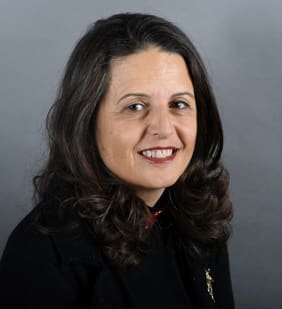
Leila Farsakh is a Palestinian political economist and professor of Political Science at the University of Massachusetts Boston. Her books include Rethinking Statehood in Palestine: Self-Determination and Decolonization Beyond Partition (University of California Press, 2021), Palestinian Labor Migration to Israel: Labour, Land and Occupation (Routledge, 2005, second edition 2012), and The Arab-Jewish Questions: Geographies of Engagement in Palestine and Beyond (Columbia University Press, 2020), co-edited with Bashir Bashir. She has worked with the OECD in Paris, UNDP in Jerusalem, and MAS in Ramallah, and was awarded the Peace and Justice Award from the Cambridge Peace Commission in 2001.

Ahmad Samih Khalidi is Associate Fellow at the Center for Security Policy, Geneva, and Senior Fellow at the Institute of Palestine Studies, Beirut. A Palestinian from Jerusalem educated at Oxford and London Universities, Khalidi has been a Senior Associate Member at St. Antony’s College, Oxford, and co-editor of the Arabic edition of the Journal of Palestine Studies. He served as advisor to the Palestinian delegation at the Madrid/Washington peace talks between 1991 and 1993, as senior advisor on security in the 1993 Cairo-Taba PLO-Israeli talks, and as advisor to Presidents Yasser Arafat and Mahmoud Abbas. Khalidi has written widely in both English and Arabic in outlets such as Foreign Affairs, the New Yorker, Foreign Policy, the New York Times, The Guardian, the Cairo Review, Prospect, and OpenDemocracy, among others. He is author of three books: Syria and Iran: Rivalry and Cooperation, (Chatham House, 1995), Track-2 Diplomacy; Lessons from the Middle East (MIT Press, 2003), and A Palestinian National Security Framework (Chatham House, 2006).