









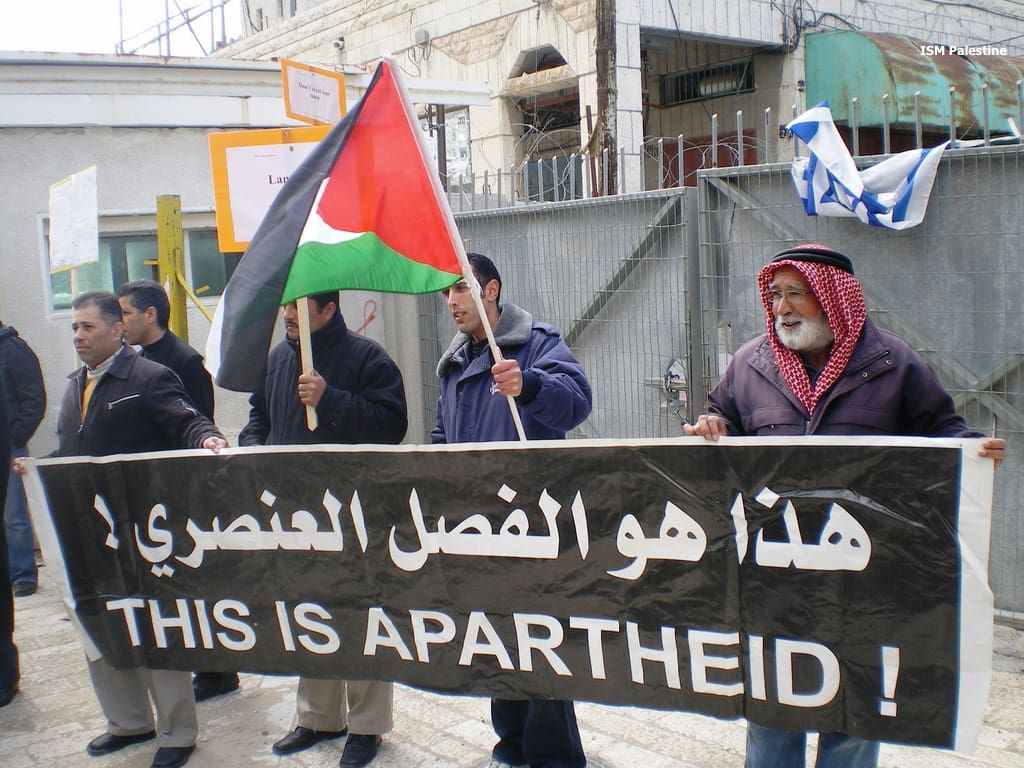
The Israeli right is poised to annex much or all of the West Bank while continuing to isolate Gaza – either through continued siege or by pushing it on to Egypt’s plate. Donald Trump’s stance on Jerusalem offers recognition of illegal annexation that could be just the beginning. And his drive to cut back the United States contribution to UNRWA could presage a campaign to definitively close the door on the rights of Palestinian refugees 70 years after Israel’s creation and the loss of Palestine.
Thus, it becomes even more important to pose the question: Is Israel’s treatment of the Palestinian people apartheid? Indeed, this is one of the most burning questions in the battle to control the discourse and in Israel’s efforts to shut down criticism of its policies of occupation and discrimination.
At the same time, there is a lively debate amongst Palestinians and in the Palestine solidarity movement regarding the use of the term apartheid. Is it the best framework of analysis to apply to Palestine and the Palestinians, as some proponents claim? Do those who use it fully understand its content and depth? What are the limits of the comparison between apartheid in South Africa and in Palestine – and has it really ended in South Africa? If not, what lessons remain to be learned?
These and other questions are tackled in a series of policy briefs and commentaries published by Al-Shabaka analysts in recent years. They are compiled below to shed light on the debate in advance of the major anniversary that looms in 2018: The Nakba, or catastrophe, 70 years ago when over 700,000 Palestinians fled or were driven from their homes and lands, years in which Israel has blocked their struggle to return.
Frameworks and Messaging
The Russell Tribunal on Palestine and the Question of Apartheid
By Victor Kattan
Victor Kattan describes what apartheid means under international law, highlights the third session of the Russell Tribunal’s findings, and explains the Tribunal’s significance. Can the Tribunal’s conclusion that Israel applies a system of apartheid to the entire Palestinian people, including its own citizens, stand up to scrutiny? Read more…
Talking Palestine: What Frame of Analysis? Which Goals and Messages?
By Nadia Hijab and Ingrid Jaradat Gassner
Nadia Hijab and Ingrid Jaradat Gassner argue that the multiplicity of frameworks of analysis describing the Palestine question creates confusion around goals and messages. They review the strengths and drawbacks of each and recommend the anti-apartheid framework as the most strategic method of analysis around which Palestinians can come together and work toward a clear set of goals. Read more…
Israel and South Africa: The Differences
Beyond South Africa: Understanding Israeli Apartheid
By Samer Abdelnour
Samer Abdelnour argues that the specific characteristics of Israel’s brand of apartheid need to be better understood in order to dismantle it. He reveals Israeli apartheid to be more sophisticated than that of South Africa and suggests directions to overcome it. Read more…
Refugees: Israeli Apartheid’s Unseen Dimension
By Hazem Jamjoum
Hazem Jamjoum discusses the differences between Israeli and South African apartheid, including the forced population transfer and denial of refugee return that lies at the core of Israeli apartheid. Read more…
Rethinking Definitions, Reframing the Struggle
Apartheid from Within? The Palestinian Citizens of Israel
By Yara Hawari
Yara Hawari examines the application of the term “apartheid” to the Palestinian citizens of Israel by focusing on citizenship, land, education, and politics. She also discusses whether such analysis can advance this community’s rights and counter fragmentation among Palestinians as a whole. Read more…
Rethinking Our Definition of Apartheid: Not Just a Political Regime
By Haidar Eid and Andy Clarno
Haidar Eid and Andy Clarno identify Israeli apartheid as an economic as well as political regime. They detail what the Palestinian liberation movement can learn from the South African condition in recognizing apartheid as both a system of legalized racial discrimination and a system of racial capitalism. Read more…
Beyond the Apartheid Analogy: Time to Reframe Our Palestinian Struggle
By Irene Calis
Irene Calis contends that rather than debate whether or not Israel qualifies as an apartheid state, it is more productive to draw lessons from the post-apartheid human condition in South Africa. Read more…
Al-Shabaka policy analysts are available for media interviews. Please email [email protected] for more details.
Yara Hawari is Al-Shabaka’s co-director. She previously served as the Palestine policy fellow and senior analyst. Yara completed her PhD in Middle East Politics at the University of Exeter, where she taught various undergraduate courses and continues to be an honorary research fellow. In addition to her academic work, which focused on indigenous studies and oral history, she is a frequent political commentator writing for various media outlets including The Guardian, Foreign Policy, and Al Jazeera English.
Victor Kattan is Assistant Professor in Public International Law at the University of Nottingham School of Law and deputy director of the Nottingham International Law and Security Centre. He is the author of From Coexistence to Conquest: International Law and the Origins of the Arab-Israeli Conflict, 1891–1949 (Pluto Press, 2009) and has co-edited volumes including Making Endless War: The Vietnam and Arab-Israeli Conflicts in the History of International Law (Michigan University Press, 2023). His scholarship has been cited by the Office of the Prosecutor of the International Criminal Court and judges of the International Court of Justice. He holds a PhD in international law from SOAS and previously served as legal adviser to the Palestinian Negotiations Affairs Department in Ramallah and as a Senior Research Fellow at the National University of Singapore’s Middle East Institute.
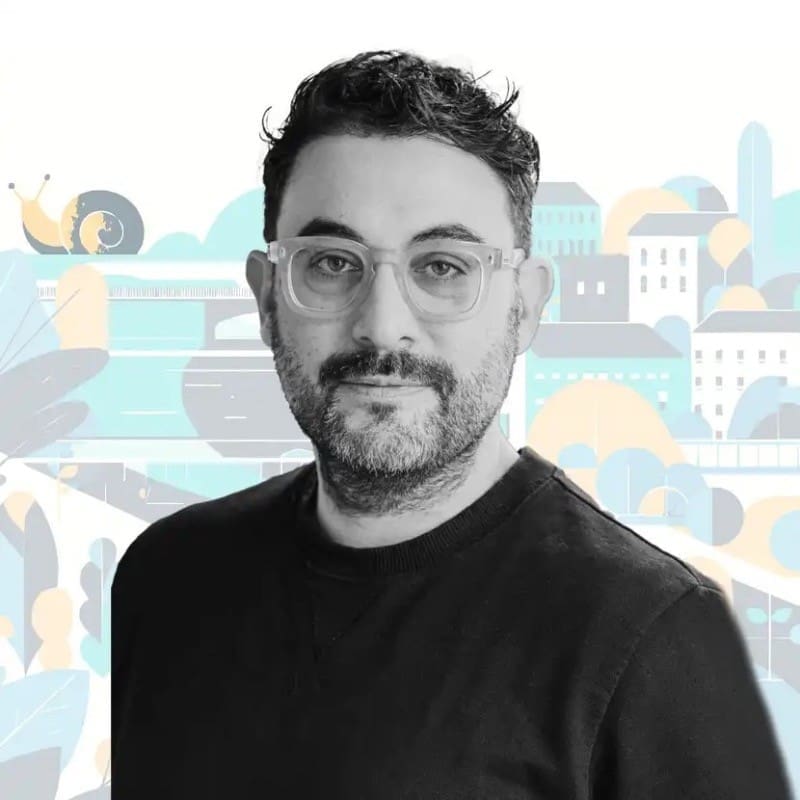
Samer Abdelnour is an academic and activist. He co-founded Al-Shabaka in 2009 and served as a founding board member until 2016.
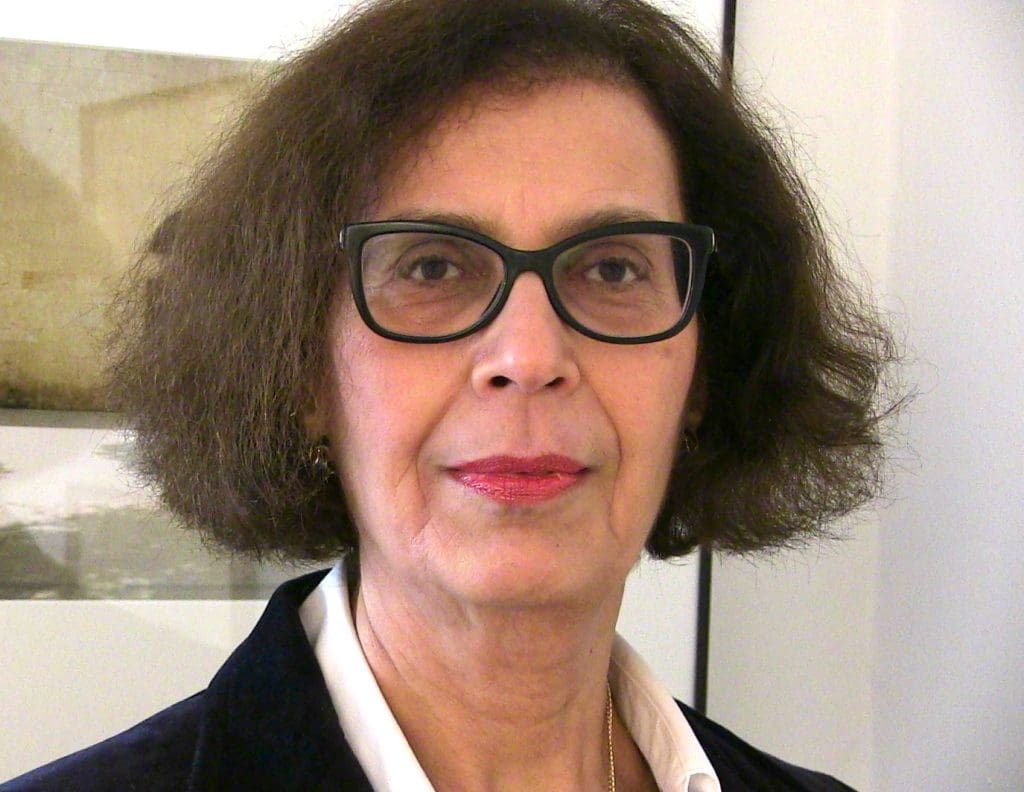
Nadia Hijab is co-founder and honorary president of Al-Shabaka: The Palestinian Policy Network. She served as Board President from 2010-2021 and as Executive Director between 2011 and March 2018. A writer, public speaker and media commentator, Hijab’s first book, Womanpower: The Arab Debate on Women at Work was published by Cambridge University Press and she co-authored Citizens Apart: A Portrait of Palestinians in Israel (I. B. Tauris). She was Editor-in-Chief of the London-based Middle East Magazine before serving at the United Nations in New York. She is a co-founder and former co-chair of the US Campaign for Palestinian Rights and now serves on its advisory board. She continues to serve Al-Shabaka in an advisory capacity and support its mission.

Ingrid Jaradat Gassner (d. 2023) was a co-founder and former director of Badil Resource Center for Palestinian Residency and Refugee Rights (Badil). She worked extensively in the fields of international law and advocacy, including innovative research on Palestinian refugees, the right to return, Israeli colonialism and apartheid and related third-state responsibilities. She also coordinated research for a Palestinian civic initiative seeking to register exiled Palestinians as voters and campaign for direct PNC elections and carried out advocacy with the Civic Coalition for Palestinian Rights in Jerusalem.

Irene Calis is a de-colonial scholar, educator, and organizer in the department of Critical Race, Gender, & Culture Studies at American University, DC, where she is also the Director of Arab World Studies. Her research and activism, grounded in the Palestinian liberation struggle, focuses on emancipatory politics from the perspective of everyday life. Her current work on emancipatory futures situates the Palestinian struggle in a wider conversation with the global South, and in particular with indigenous-settler experience and intellectual thought. Calis holds a PhD in anthropology from the London School of Economics & Political Science.
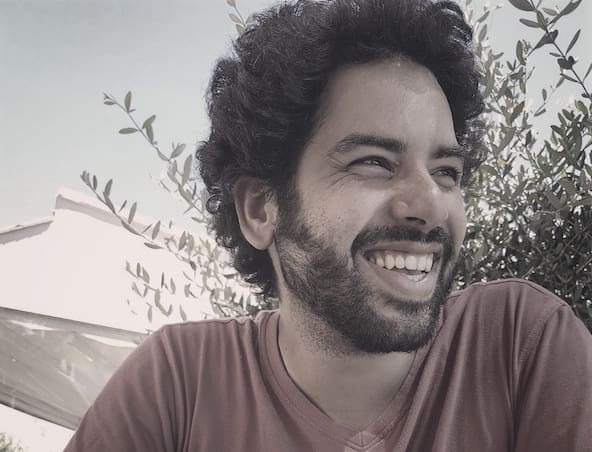
Hazem Jamjoum is a Palestinian cultural historian, archivist, and editor based in London. He is an editor at Safarjal Press and curator of the British Library’s early twentieth century audio recordings relevant to Arab and Gulf history. His translation of Ghassan Kanafani’s The Revolution of 1936–1939 in Palestine (1804 Books) won the 2024 Palestine Book Award, and his translation of Maya Abu al-Hayyat’s No One Knows Their Blood Type was published by the CSU Poetry Center in 2024.
Haidar Eid is a literary scholar and Associate Professor at Al-Aqsa University in Gaza, currently based in Johannesburg as a research associate at the Centre for Asian Studies in Africa at the University of Pretoria. He holds a PhD from Rand Afrikaans University and has published widely in postcolonial literature and cultural studies. His most recent book, Decolonizing the Palestinian Mind (2023), draws on Edward Said, Frantz Fanon, and Ghassan Kanafani to examine liberation and Palestinian cultural identity. He is also the author of Worlding Postmodernism and Countering the Palestinian Nakba: One State for All.

Andy Clarno is assistant professor of Sociology and African American Studies and interim director of the Social Justice Institute at the University of Illinois at Chicago. His research examines racism, capitalism, colonialism, and empire in the early 21st century. Andy’s new book, Neoliberal Apartheid (University of Chicago Press 2017), analyzes the political, economic, and social changes in South Africa and Palestine/Israel since 1994. It addresses the limitations of liberation in South Africa, highlights the impact of neoliberal restructuring in Palestine/Israel, and argues that a new form of neoliberal apartheid has emerged in both regions.