




Toufic Haddad is a Palestinian-American academic and author. He holds a PhD in Development Studies from the School of Oriental and African Studies and is the author of Palestine Ltd: Neoliberalism and Nationalism in the Occupied Territory (I.B. Tauris, 2016). He has worked across the occupied Palestinian territories as a journalist, researcher, consultant, editor, and publisher, and most recently directed the Kenyon Institute — the Council for British Research in the Levant’s Jerusalem branch — from 2020 to 2024. He is currently a research fellow at the Institute for Advanced Studies in the Humanities at the University of Edinburgh.

From this author
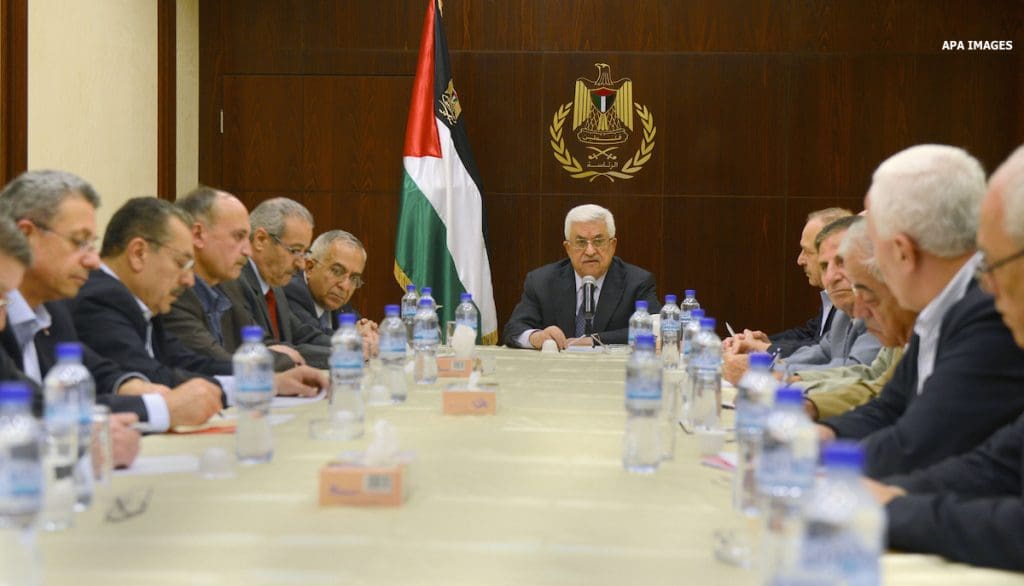
A Palestinian leadership vacuum looms due to the ill health of the secretary general of the Palestine Liberation Organization (PLO), Saeb Erekat, and the frailty of the Palestinian Authority (PA) President Mahmoud Abbas, who also heads the PLO and its main constituent party Fatah.
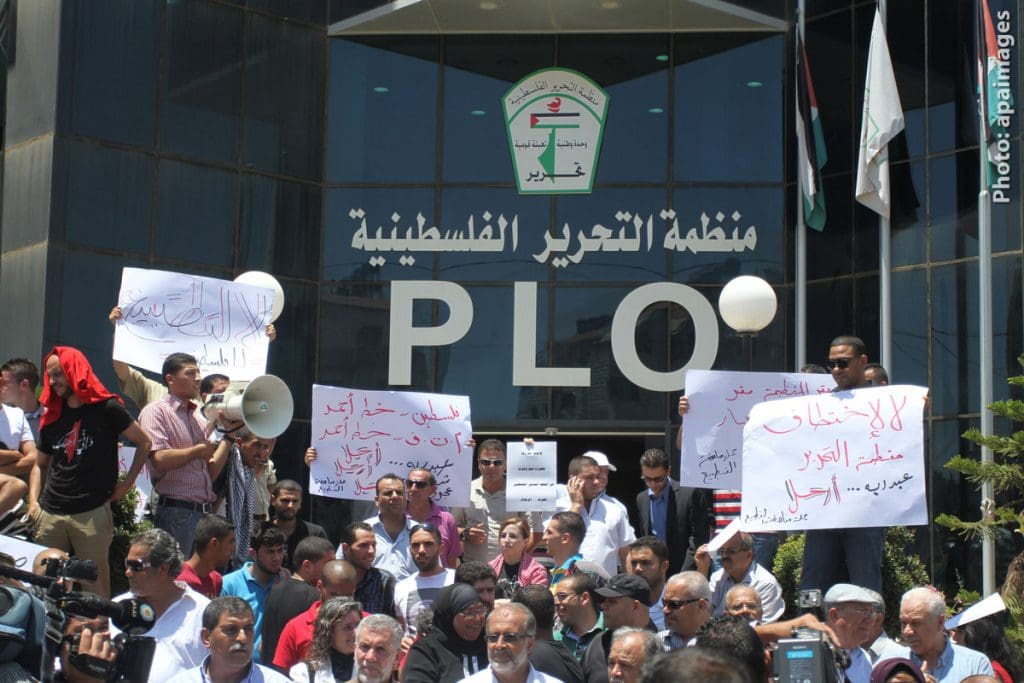
After the disaster of the Oslo accords, concocted in secrecy and without any democratic oversight, it should come as no surprise that Palestinians want to have a greater say in their national institutions and leadership. Nor is it a surprise that it is the Palestinians in the diaspora that increasingly raise the issue of the PLO’s democratization given that their role in Palestinian affairs has been all but ignored for almost two decades.

Toufic Haddad· May 28, 2012
In this Al-Shabaka roundtable, a cross-section of policy advisors reflects on Jamil Hilal’s policy brief, “Palestinian Answers in the Arab Spring.” They discuss the state of Palestinian politics and society, the future of the Palestinian national movement, and how to achieve a Palestinian Spring.