


Israel’s National Guard: A Tool for Palestinian Erasure
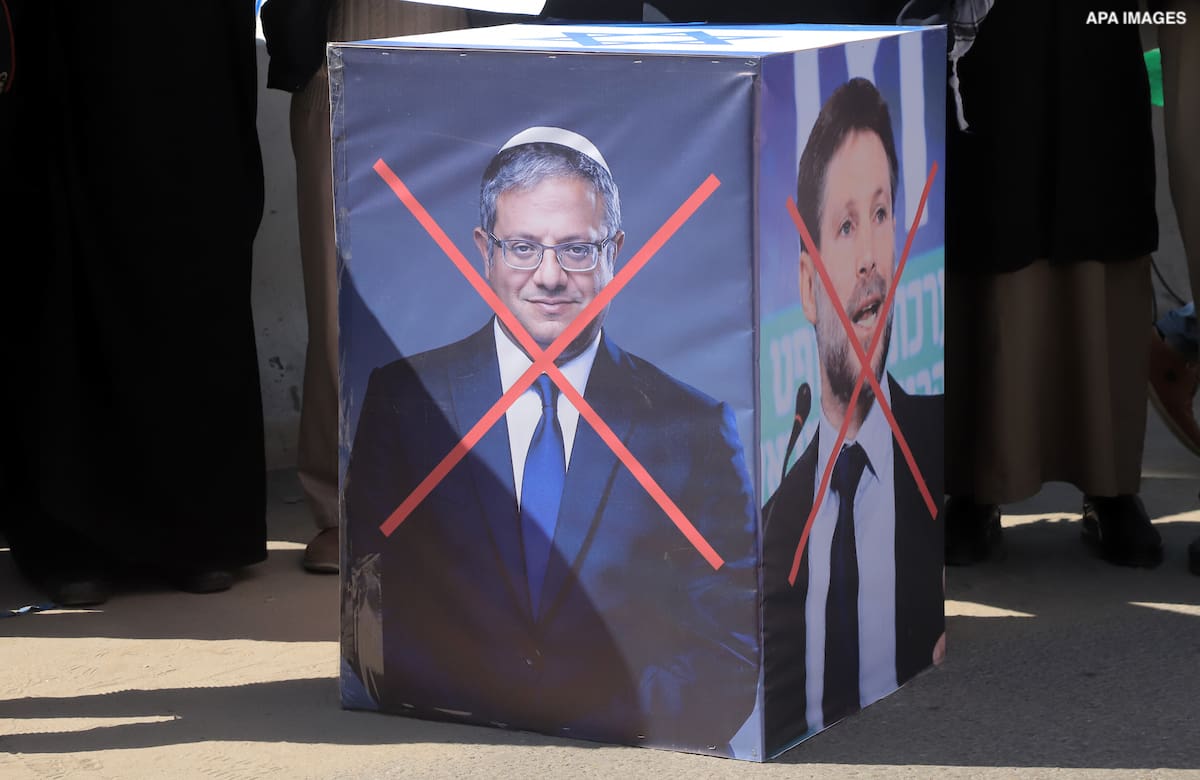
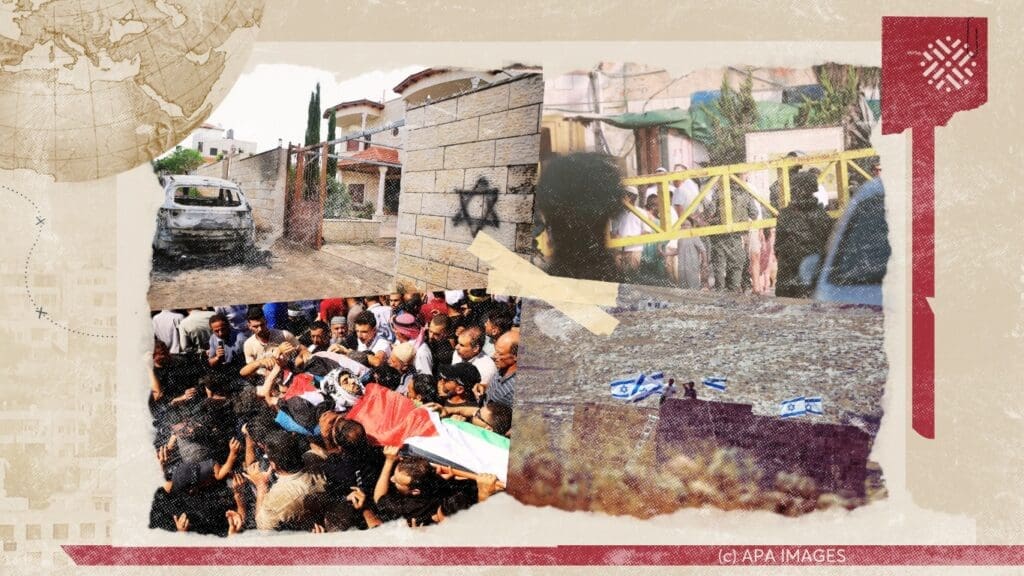
Benjamin Netanyahu has given far-right National Security Minister Itamar Ben-Gvir the go-ahead to establish Israel’s first national guard. Distinct from other Israeli forces, the national guard is designed primarily to target Palestinian citizens of Israel. In this policy memo, guest contributor 24352 looks at the emergence of the new force in order to understand its implications for Palestinian citizens of Israel and proposes recommendations to relevant stakeholders for how to challenge it and protect Palestinians.
Liberal Zionism: A Veneer for Settler Colonialism
The transcript below has been lightly edited for brevity and clarity. Muhannad Ayyash 0:00 Liberal Zionism didn’t create something out of nothing. They simply followed the playbook that was already established by Euro-American colonial, imperial, and settler colonial projects. They basically fall squarely into that phenomenon that decolonial scholars will call colonial modernity. Yara Hawari […]
Liberal Zionism: A Pillar of Israel’s Settler Colonial Project
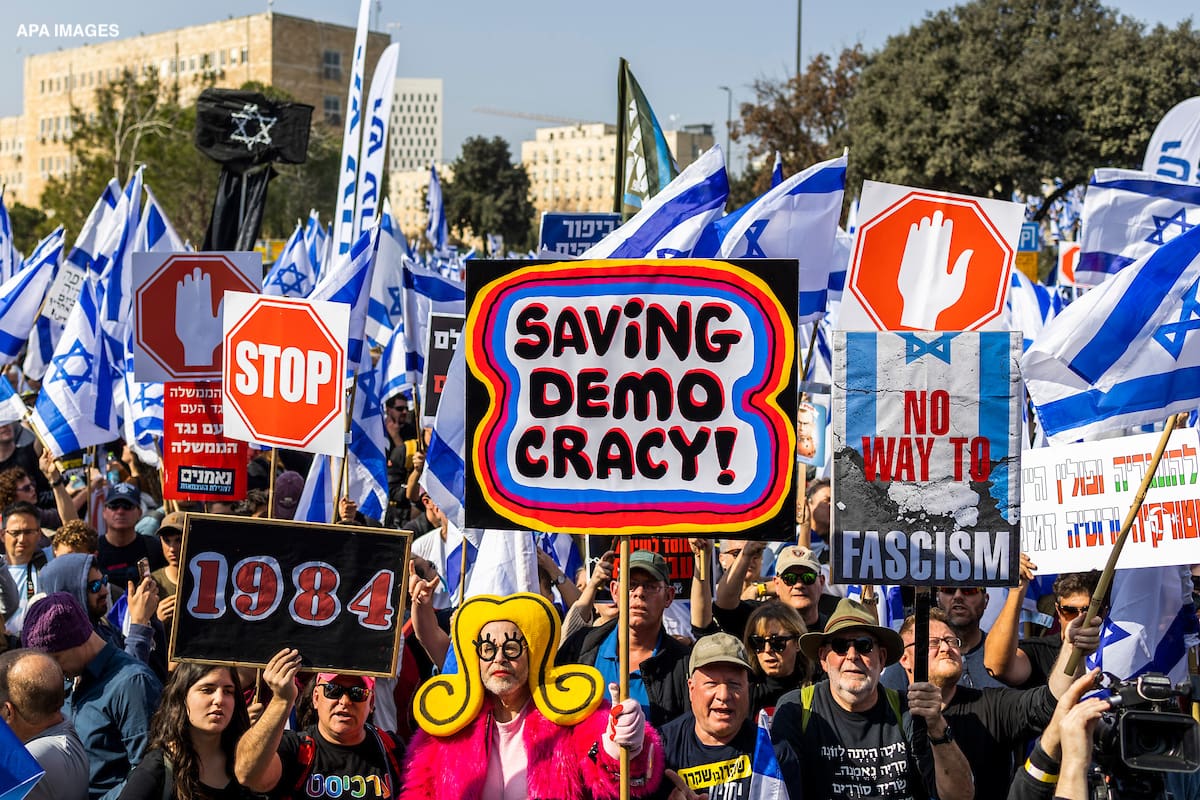
Despite the Israeli regime’s increasingly right-wing policies, liberal Zionism still plays a dominant role in Zionist ideology. It fulfills the specific and critical function of providing the settler colonial project with the veneer of enlightened, Western civilization and democratic, progressive politics. In our latest policy brief, Al Shabaka analyst M. Muhannad Ayyash exposes this veneer and proposes a guiding framework for how to confront and invalidate the notion of liberal Zionism.
Prison Hunger Strikes in Palestine with Basil Farraj
The transcript below has been lightly edited for brevity and clarity. Basil Farraj 0:00 These practices, hunger strikes, have to be conceptualized, I think, as a manifestation of prisoners rejecting the presence of this apartheid carceral regime, in a sense — of prisoners’ desire for freedom, and actually as a running towards freedom, not running […]
Ghada Majadli
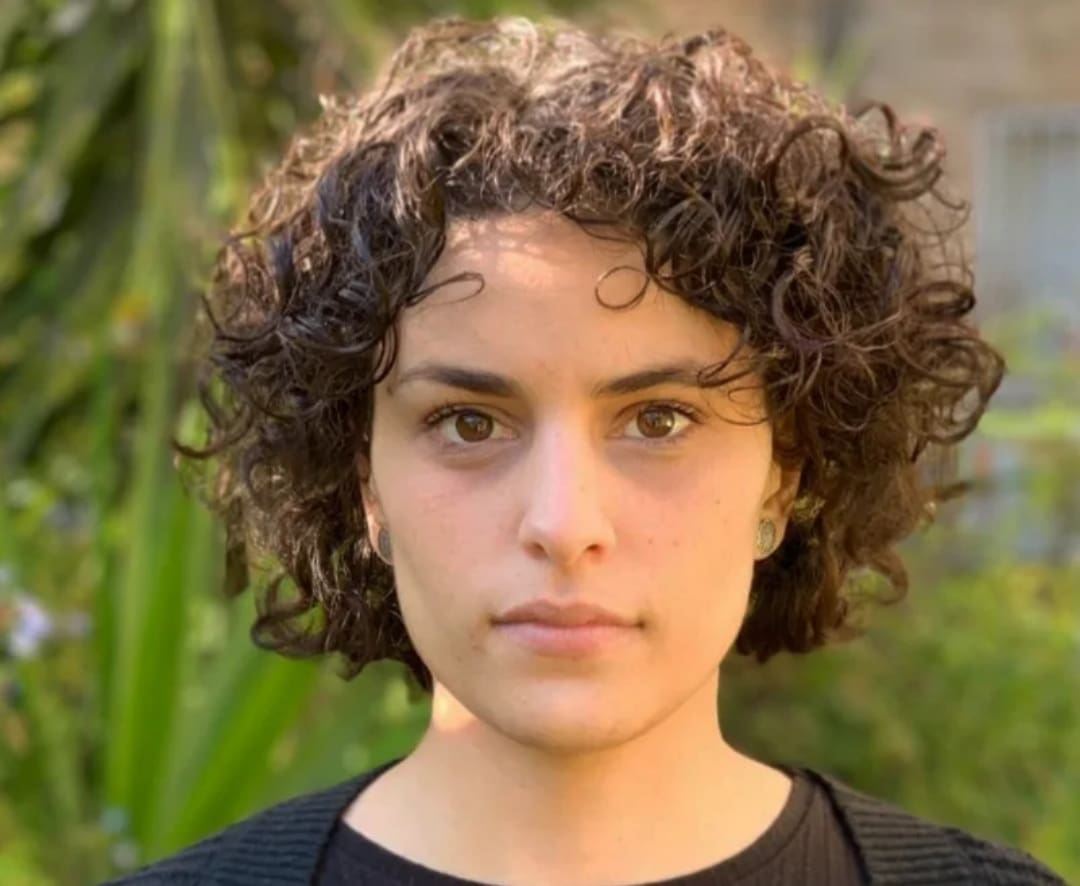
Ghada Majadli is a researcher and activist who has previously served as the director of the Department of The Occupied Palestinian Territory at Physicians for Human Rights Israel (PHRI). She holds a master’s in Human Rights and Transitional Justice from the Hebrew University in Jerusalem. Her work primarily focuses on Palestinian health and human rights; she pays particular attention to the multilayered system of control and management of Palestinians’ health by the Israeli regime. Ghada has published several papers in peer-reviewed journals, including the Health and Human Rights Journal, Developing World Bioethics, and The Lancet. Her commentaries have been featured in various international and local media outlets, including Le Monde, Al-Jazeera English, The New Arab, Jewish Currents, Middle East Eye, and others.
Harnessing Open-Source Intelligence for Palestinian Liberation

Open-source intelligence is changing the way information is shared across the world. While increasingly credited as a means to expose war crimes and human rights violations, it is also being used as a tool for entrenching state oppression. In this policy brief, US Policy Fellow Tariq Kenney-Shawa examines the revolutionizing technology and offers recommendations for how to harness it for Palestinian liberation.
Sanctions Against Israel: Effective Tool or Too Little, Too Late?
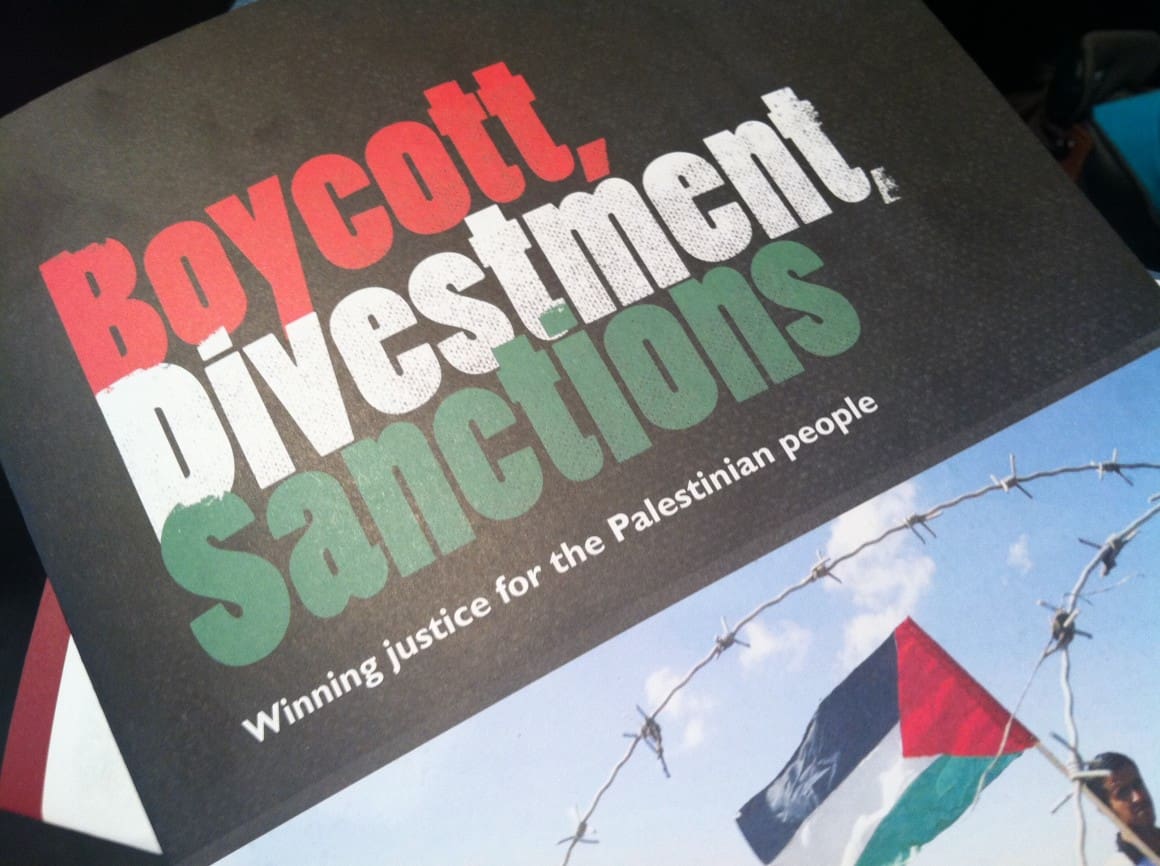
As the Israeli regime escalates its apartheid and settler colonial practices in Palestine, calls for sanctions against it have likewise increased. Still, sanctions remain controversial – both in terms of their ethics and efficacy. Indeed, many have argued that sanctions have rarely achieved their intended goals. What might sanctions look like in the context of […]
The “Pro-Democracy” Israeli Protests with Ameer Makhoul
The transcript below has been lightly edited for brevity and clarity. Ameer Makhoul 0:00 For the Israelis, they want to keep the state as it is. Because it’s a Jewish state, it’s their state — not to allow the new elites to change it. They are very militarized demonstrations. The military voice, the security voice, […]
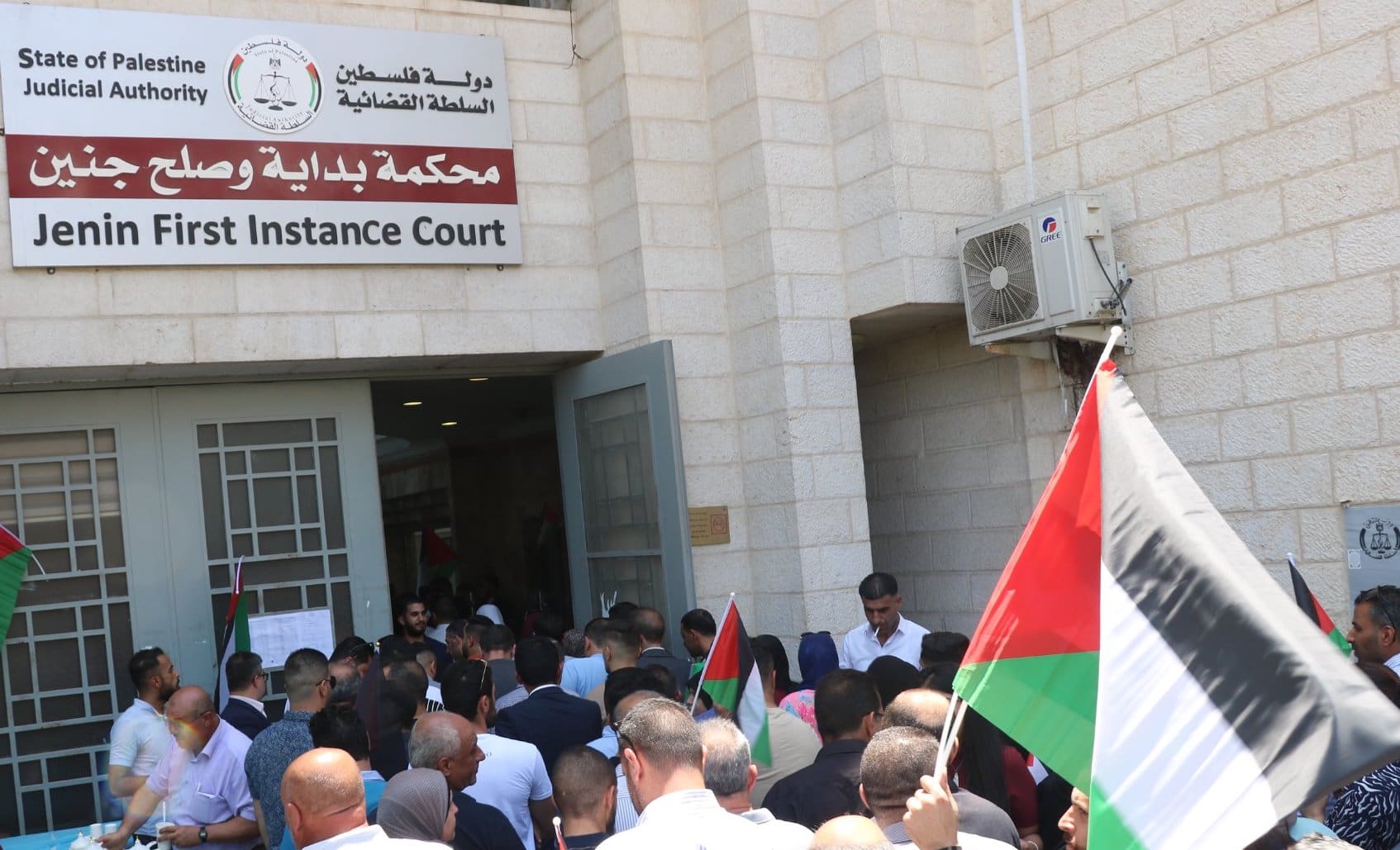
Dismantling Abbas’s Rule over the Palestinian Judiciary
In October 2022, PA President Mahmoud Abbas issued a decree ordering the establishment of the Supreme Council of Judicial Bodies and Authorities that he would head. Through this and other decrees, Abbas and the ruling elite entrench the domination of the executive authority over the judiciary. Al-Shabaka policy analyst 24398 examines these decrees and offers recommendations for confronting them.