

Prisoner Exchange Levels Hamas, Fatah Playing Field
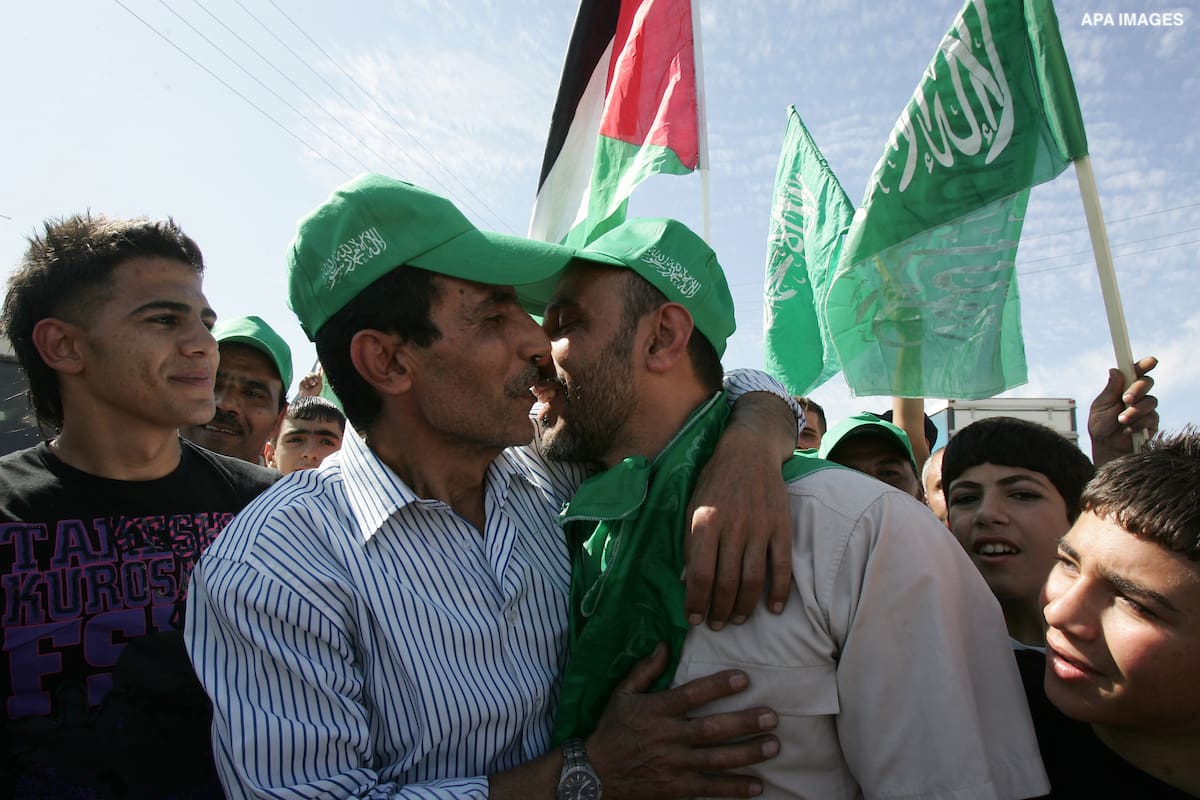
Will the threats from Washington and the exposed impotence of the European Union push the newly revived Hamas and the somewhat deflated Fatah into serious reconciliation and the beginnings of a common Palestinian platform? Mouin Rabbani, Al-Shabaka Policy Advisor and Senior Fellow at the Institute for Palestine Studies, dissects the rapidly changing political landscape in the wake of the Israel-Hamas prisoner exchange and the run-up to the Security Council decision on the Palestine Liberation Organization’s bid at the United Nations.
Statehood Stalled: Next Steps for the Palestinian People
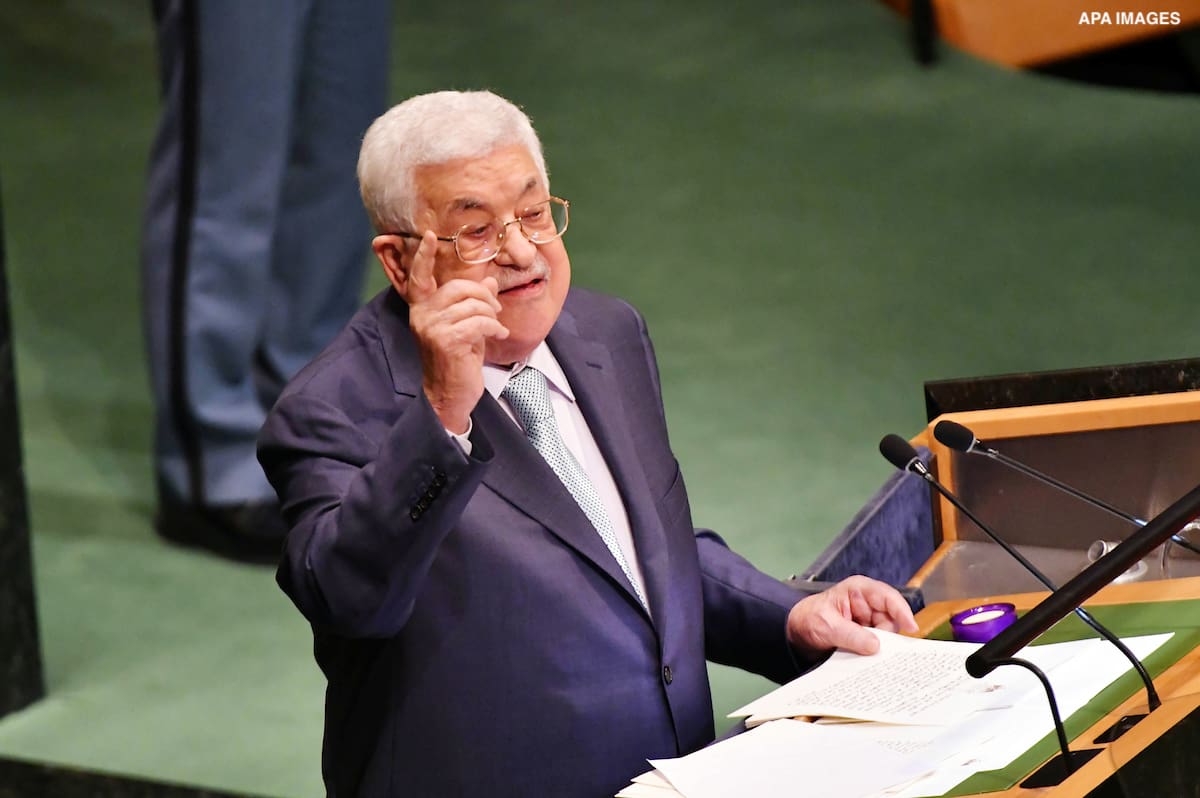
Palestine Liberation Organization Chairman Mahmoud Abbas’ decision to submit the application for membership to the UN Security Council rather than the General Assembly last week enabled him – and the Obama administration – to take a step back from confrontation. Al-Shabaka Director Nadia Hijab examines the several unintended consequences of the statehood bid and argues that the Palestinian people should use this time to redouble efforts to save the land of Palestine, press for accountability, demand representation, and exploit the legal approaches offered by the Advisory Opinion of the International Court of Justice, calling for state sanctions against Israel alongside the highly successful boycott and divestment movement.
September and Beyond: Who Speaks in My Name?
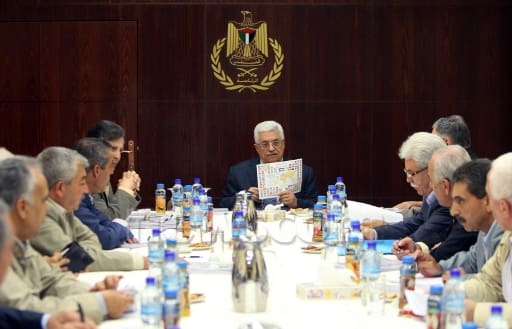
As the UN vote on recognition of the state of Palestine approaches later this month, Al-Shabaka policy advisor Samah Sabawi argues in this commentary that the controversy surrounding the bid obscures the larger question of whether the Palestine Liberation Organization and the Palestinian Authority are legitimate representatives of the Palestinian people.
Achieving a Palestinian Spring
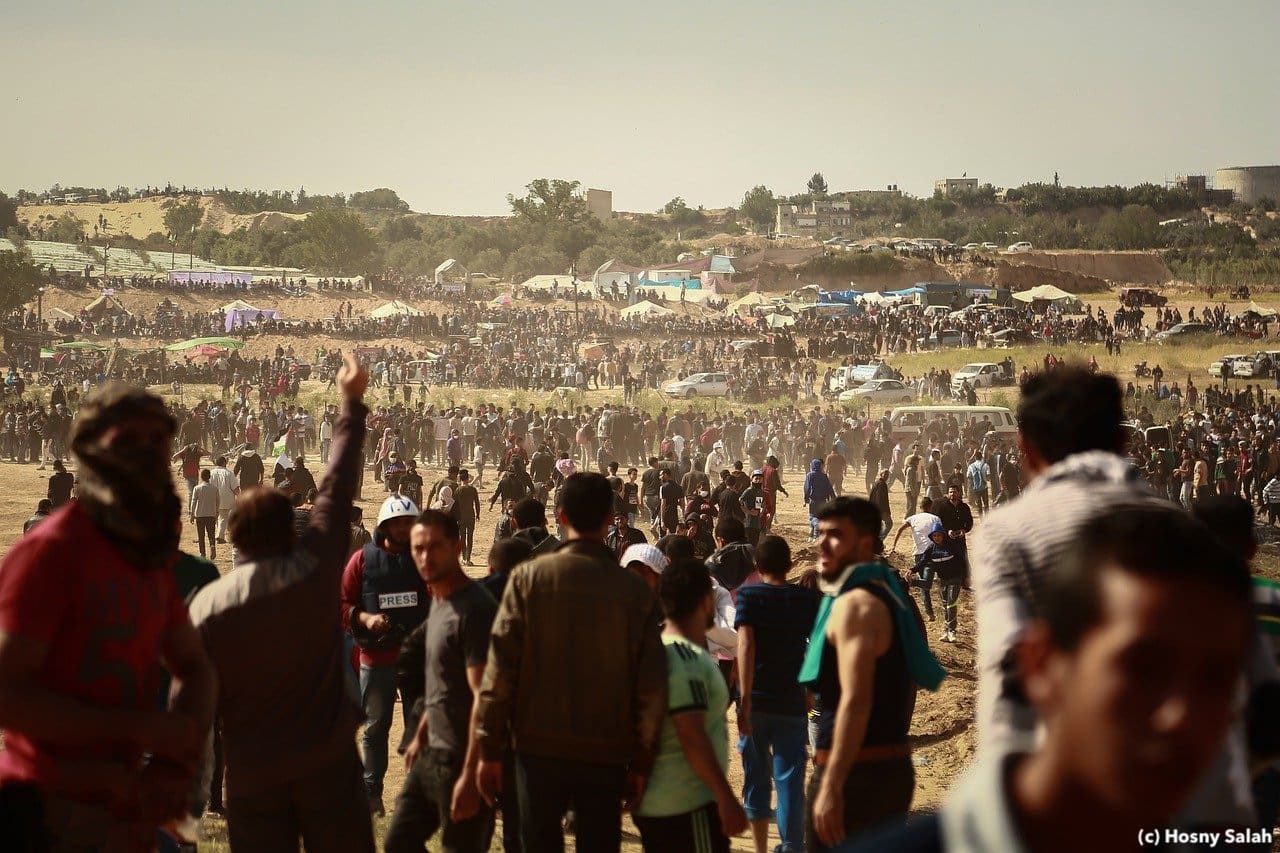
In this Al-Shabaka roundtable, a cross-section of policy advisors reflects on Jamil Hilal’s policy brief, “Palestinian Answers in the Arab Spring.” They discuss the state of Palestinian politics and society, the future of the Palestinian national movement, and how to achieve a Palestinian Spring.
The Future of Jerusalem: Sacred Space or Open City?
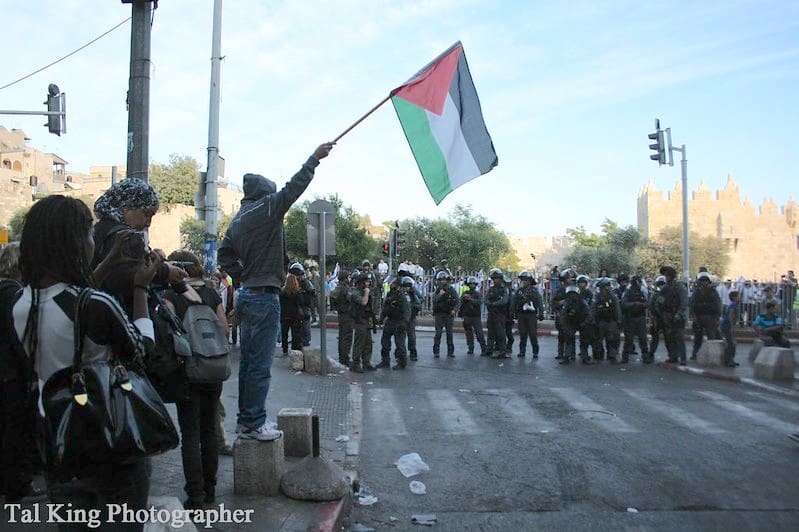
In this policy brief, Al-Shabaka Policy Advisor Salim Tamari examines the different proposals for the future of Jerusalem. Rooted in the sacrilization of the city, Tamari argues that the proposals ignore the colonial subjugation of Jerusalem. He contends that this fact must be addressed in order to achieve an equitable resolution to the Palestinian-Israeli conflict.
The Invisible Community: Egypt’s Palestinians
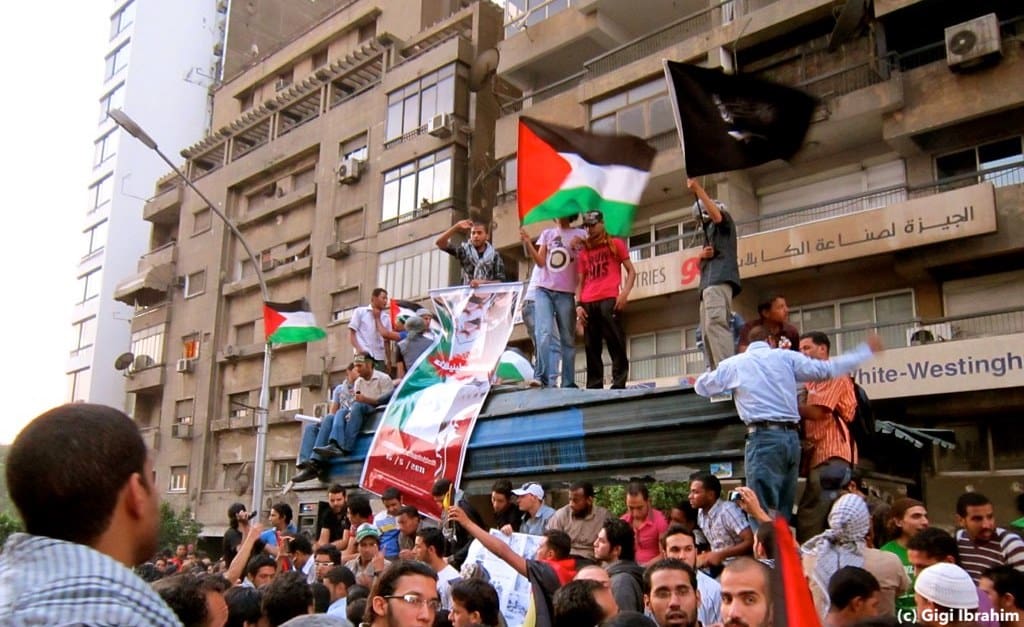
In this policy brief, Al-Shabaka Policy Advisor Oroub el-Abed examines the legal status of Palestinians in Egypt, including positive signs of change following the Egyptian revolution. She argues that the Egyptian government must do more to live up to its responsibilities to the “invisible community” of Palestinians living in the country.
Palestinian Answers in the Arab Spring
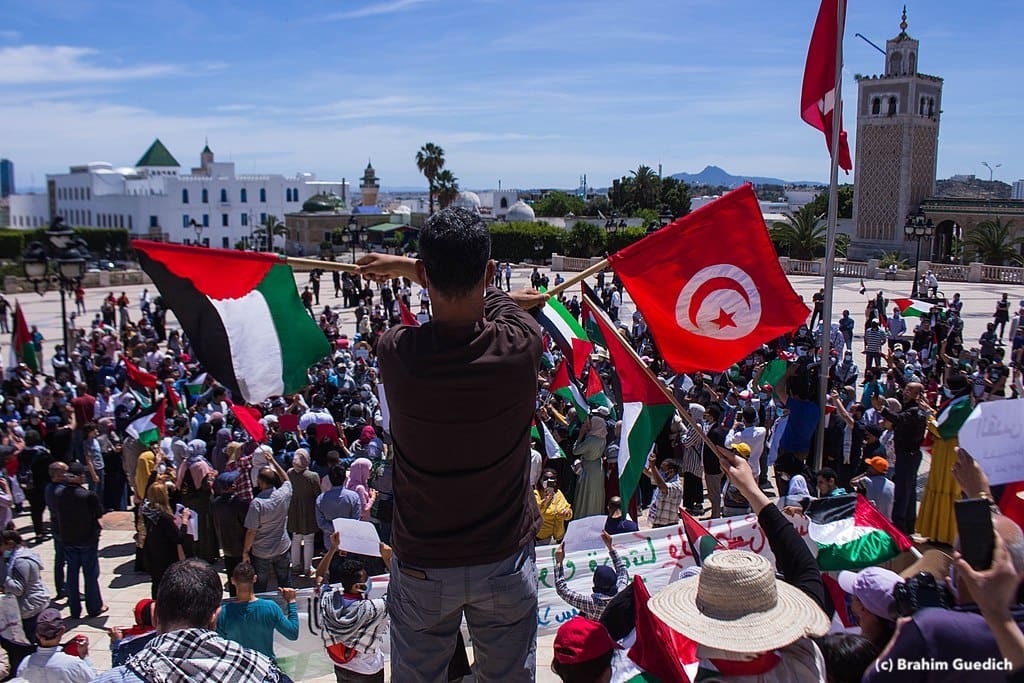
In this policy brief, Al-Shabaka Policy Advisor Jamil Hilal examines the conditions necessary for Palestinians to join the democratic movements sweeping the region. He identifies some of the key principles necessary for a “Palestinian spring,” including a reunified body politic with representative mechanisms and political and intellectual pluralism.
Declaring an Independent Bantustan
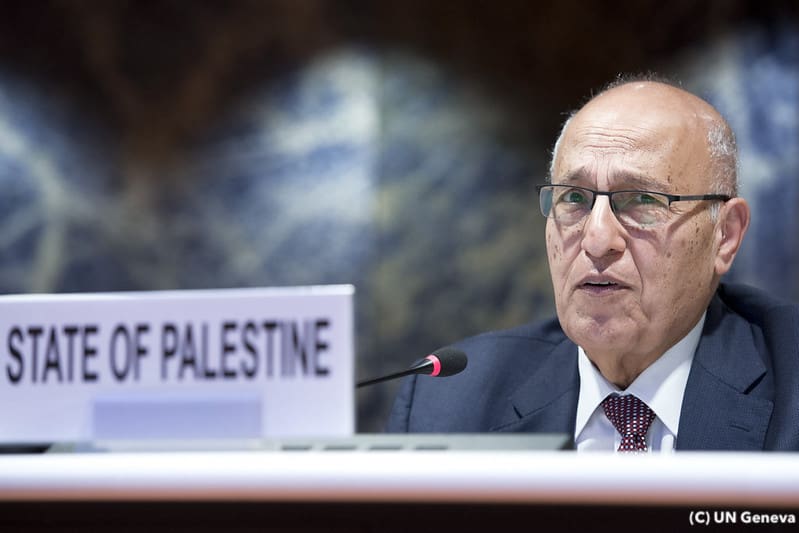
The Palestinian Authority is attempting to achieve UN recognition of the state of Palestine in September. In this Al-Shabaka commentary, policy advisor Haidar Eid argues that it will be a state in name only, resembling the “independent homelands,” or bantustans, created by South Africa’s apartheid regime.
Debating Forms of Resistance
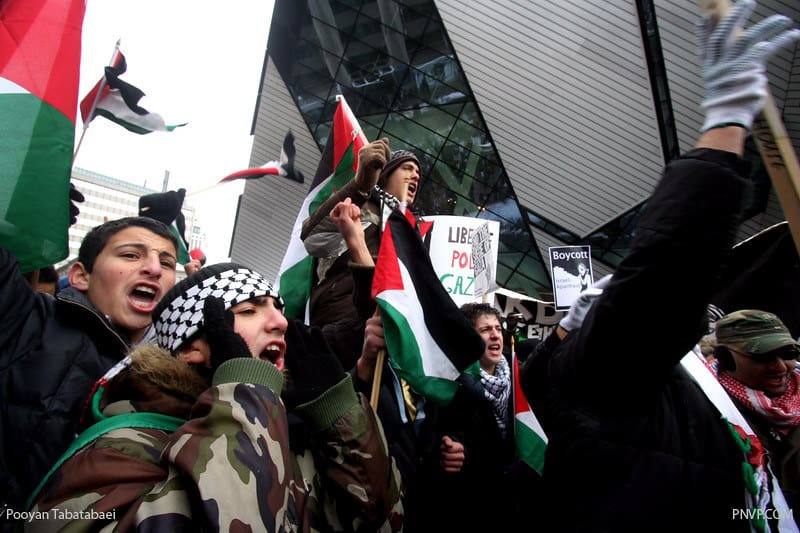
The latest Al-Shabaka roundtable examines the effectiveness of different forms of resistance in achieving Palestinian rights. The participants discussed a range of issues from the implications of armed struggle to the potential and limitations of the boycott, divestment, and sanctions movement.