


Abrupt leadership change: economy

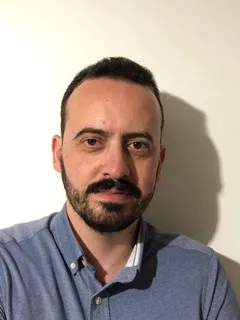
Tareq Sadeq is Assistant Professor of Economics and Dean of the Faculty of Business and Economics at Birzeit University. He holds a Ph.D in economics from the University of Evry Val d’Essonne in France, where he was engaged in the Palestine solidarity movement and served as head of the General Union of Palestinian Students (GUPS). Tareq has published on monetary policy, macroeconomics, econometrics, labor economics, income inequalities, and entrepreneurship. He is also a researcher in Palestine’s Global Entrepreneurship Monitor (GEM).

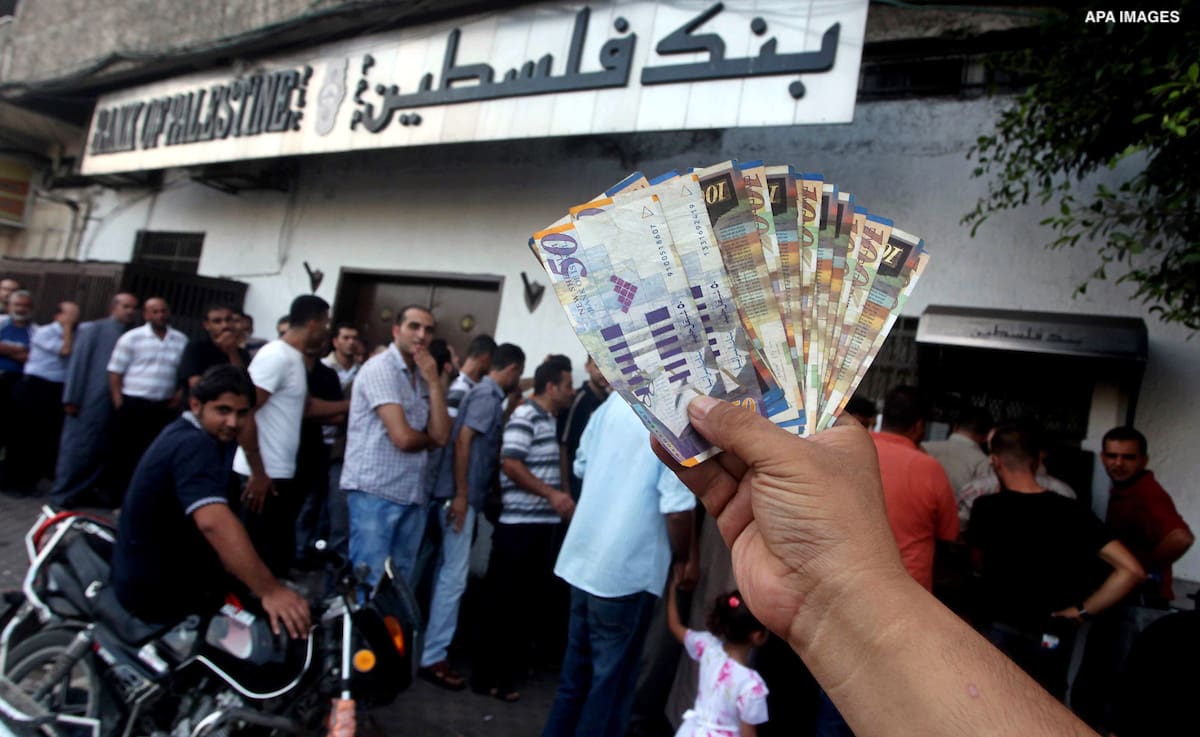
A new and democratic legislative council would require freeing the Palestinian economy from that of Israel’s. It would require adopting a participatory and transparent approach in the preparation of the annual general budget, and it would necessitate distribution of financial resources in accordance with the needs and aspirations of the Palestinian people. Further analysis on this intersection is not available at this time.
Latest Analysis

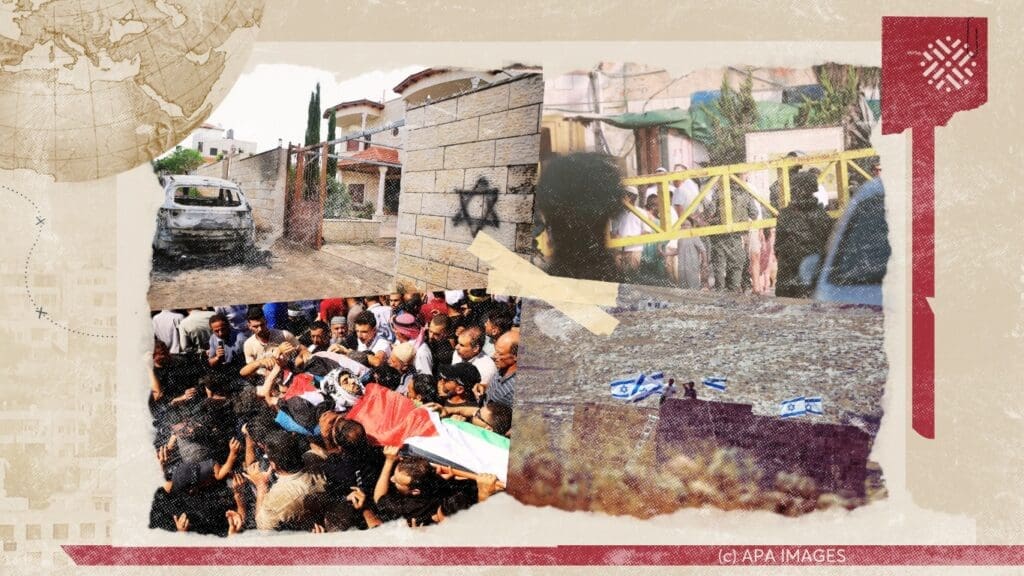
This Focus On engages with some of the most pressing aspects of this escalation in the West Bank since October 7, 2023. It features analyses by Al-Shabaka members and contributors that show how collective punishment of Palestinians has led to a collapse in access to food, healthcare, work, and education. The compilation also examines the Palestinian people’s resistance to the expansionist Israeli scorched-earth policy, and the political leadership’s complicity and failures.
 Politics
In this Policy Lab, Al-Shabaka analyst Amjad Iraqi joins host Tariq Kenney-Shawa to examine Israel’s electoral landscape, the limits of its so-called opposition camp, and what the election means for the future of the Palestinian struggle.
Al-Shabaka Amjad Iraqi
Amjad Iraqi· Sep 22, 2026
 Civil Society
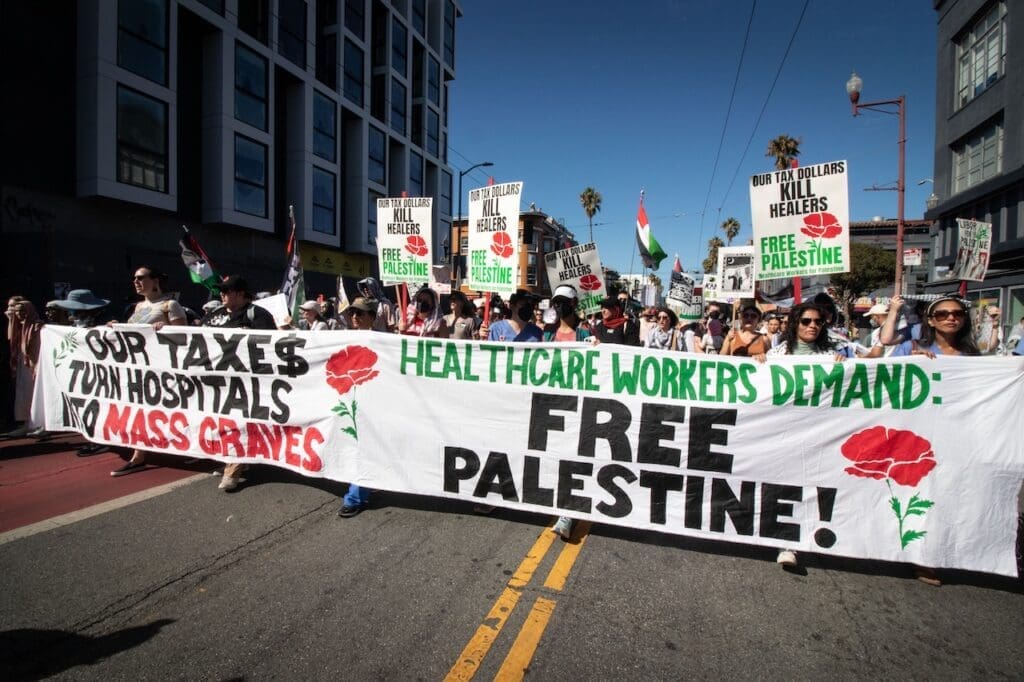
This policy brief argues that the health sciences—from public health to epidemiology, nursing, medicine, pharmacology, and nutrition, among others—have a distinct role to play in preventing and documenting the ongoing Israeli genocide in Gaza and other settings, as well as in generating evidence to inform accountability processes.