





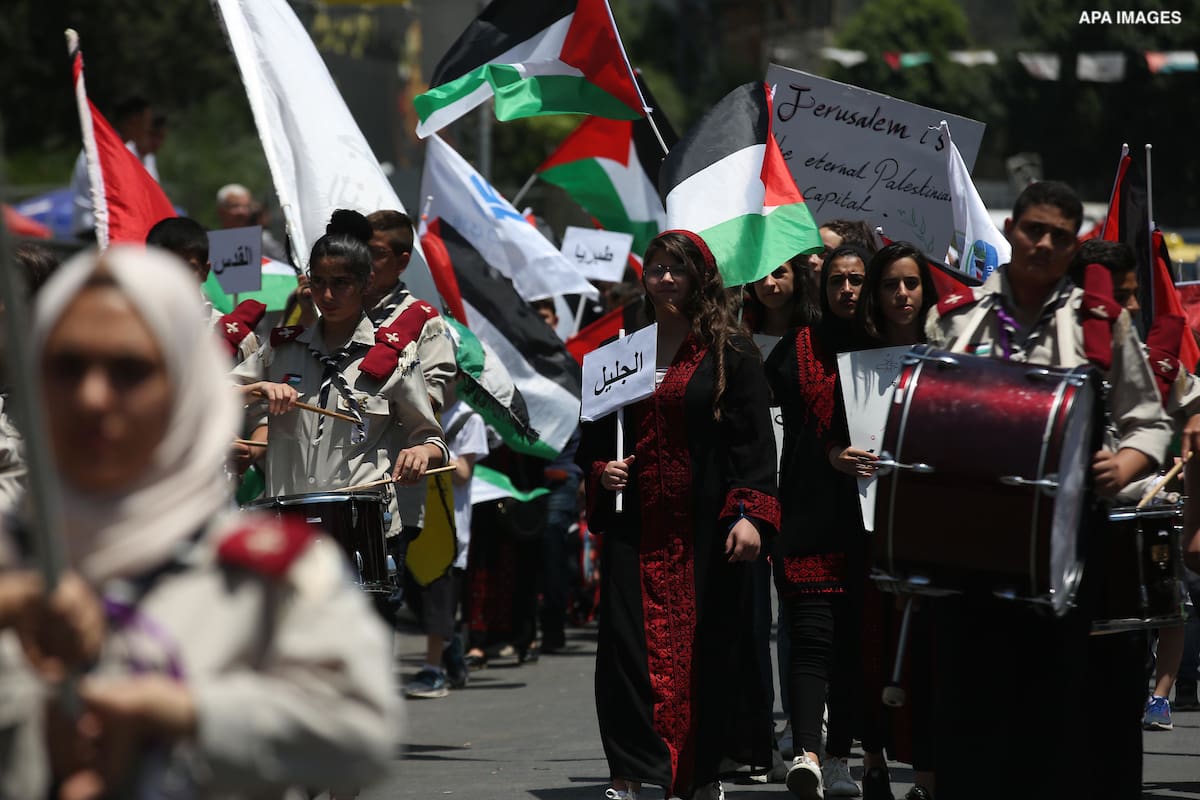
The revival of the Palestine Liberation Organization (PLO) could provide a way to restore the representation of the Palestinian people in and outside of colonized Palestine, and support them in their ongoing struggle against the Israeli regime’s settler-colonial and apartheid occupation. It would first need to adopt several prerequisites.
Prerequisites for Reviving the PLO
The structures of a revived PLO must be based on inclusive representation, credibility, and national legitimacy to politically represent Palestinians wherever they may be. It must be rebuilt through a democratic process that enables it to represent the entire spectrum of Palestinians, and a mechanism must be implemented to ensure that all representatives of Palestinian communities participate in renewed PLO institutions. This would ensure accountability for national representatives, including in division of power, as well as freedom of expression and association. The Palestinian National Council (PNC) would be held accountable through regular elections or other forms of democratic selection. Further, the PLO’s Executive Committee would be accountable before the new PNC, including in sources of funding. The forms and means of such accountability would need to be spelled out clearly in the PLO’s statute.
Furthermore, a revived PLO should be built on the legacy of secular Palestinian civil resistance movements, honoring the separation between political and religious institutions, and prioritizing pluralism. A commitment to preserving the secular, civic, and pluralistic character of the PLO should be stipulated in its National Charter.
Social Implications of a Revived PLO
Provided these steps are taken as part of the revival process, the PLO could play an active role in combating the distortive and fragmentary rhetoric surrounding Palestinian history, geography, national identity, heritage, and struggle for liberation, and promote unifying counternarratives. It may also support Palestinians everywhere in their efforts to do the same.
An effectively revived PLO could additionally promote the formation of trade unions, professional associations, and federations of women and youth, foster interdependence between them, and encourage their participation in national deliberations, specifically on strategies to resist settler colonialism, military occupation, poverty, siege, and racial discrimination. In this framework, the PLO would work to ensure the rights of each Palestinian community to adopt the resistance strategy they choose, so long as the strategy represents the community through consensus, and does not conflict with the PLO’s charter, the collective struggle for liberation, or the values of freedom, equality, justice, and human rights.
Should the Palestinian Authority (PA) remain, the PLO must ensure that its institutions provide basic services (education, health, water and electricity, and infrastructure) in the West Bank, including East Jerusalem, and Gaza. This endeavor would require the reconfiguration of PA tasks in accordance with a new vision that makes it accountable to the PLO, and that prevents it from overtaking or marginalizing revived PLO institutions. Likewise, the PLO must prevent bureaucratic inflation across its institutions, thwart clientelism and rentierism, and reject the quota formulas in the formation of its leadership bodies, unions, and professional associations.
Conclusion
To successfully revive the PLO, the process must be democratic, representative, participatory, transparent, and inclusive. A revived PLO has the potential to foster self-determination and interdependence among the different subgroups of the Palestinian community. It could likewise promote secular resistance and honor each subgroups’ strategy for securing liberation, so long as the strategies align with the organization’s unifying vision. Provided that the aforementioned prerequisites are adopted, a revived PLO may pave the way for a more prosperous, equitable, and unified Palestinian society.
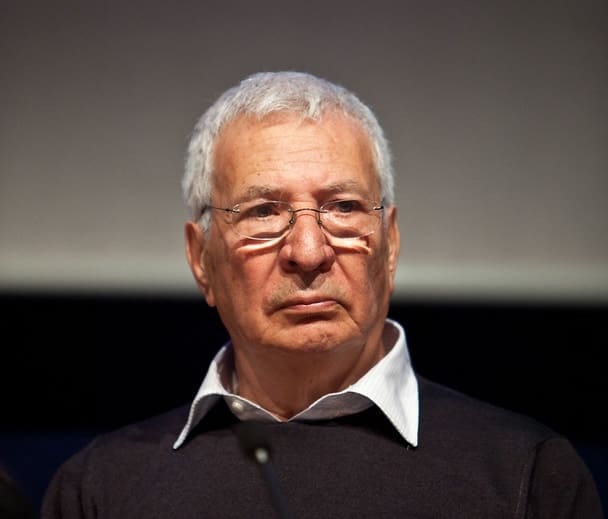
Jamil Hilal is an independent Palestinian sociologist and writer, and has published many books and numerous articles on Palestinian society, the Arab-Israeli Conflict, and Middle East issues. Hilal has held, and holds, associate senior research fellowship at a number of Palestinian research institutions. His recent publications include works on poverty, Palestinian political parties, and the political system after Oslo. He edited Where Now for Palestine: The Demise of the Two-State Solution (Z Books, 2007), and with Ilan Pappe edited Across the Wall (I.B. Tauris, 2010).