


Hazem Jamjoum is a Palestinian cultural historian, archivist, and editor based in London. He is an editor at Safarjal Press and curator of the British Library’s early twentieth century audio recordings relevant to Arab and Gulf history. His translation of Ghassan Kanafani’s The Revolution of 1936–1939 in Palestine (1804 Books) won the 2024 Palestine Book Award, and his translation of Maya Abu al-Hayyat’s No One Knows Their Blood Type was published by the CSU Poetry Center in 2024.

From this author
Why is a collective narrative important to the Palestinian liberation struggle? What challenges do the Palestinian people face in promoting their narrative, and who has legitimacy to promulgate it?


In this over-arching piece, Jamjoum reviews the importance and use of “narrative” by liberation movements, assesses the impact of Oslo on the Palestinian narrative, and takes a hard look at the pros and cons of civil society’s rights-based approaches with special attention to the depoliticization of the Palestinian narrative.

Hazem Jamjoum· Sep 12, 2018
The Israeli right is poised to annex much or all of the West Bank while continuing to isolate Gaza – either through continued siege or by pushing it on to Egypt’s plate. Donald Trump’s stance on Jerusalem offers recognition of illegal annexation that could be just the beginning. And his drive to cut back the United States contribution to UNRWA could presage a campaign to definitively close the door on the rights of Palestinian refugees 70 years after Israel’s creation and the loss of Palestine.
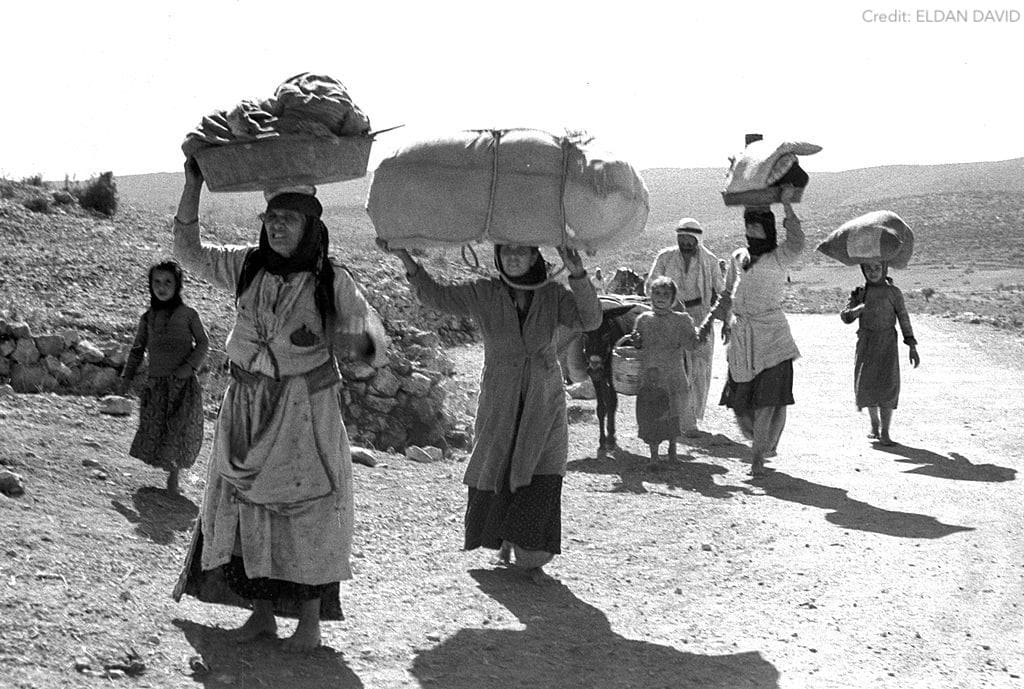
This collection of some of the most compelling pieces Al-Shabaka has published contextualizes and discusses the unique difficulties of Palestinian refugees displaced across the Middle East – from becoming refugees a second or third time due to the ongoing Syrian civil war to over-researching camps “famous” for tragedy while under-researching other refugee situations and exile communities.
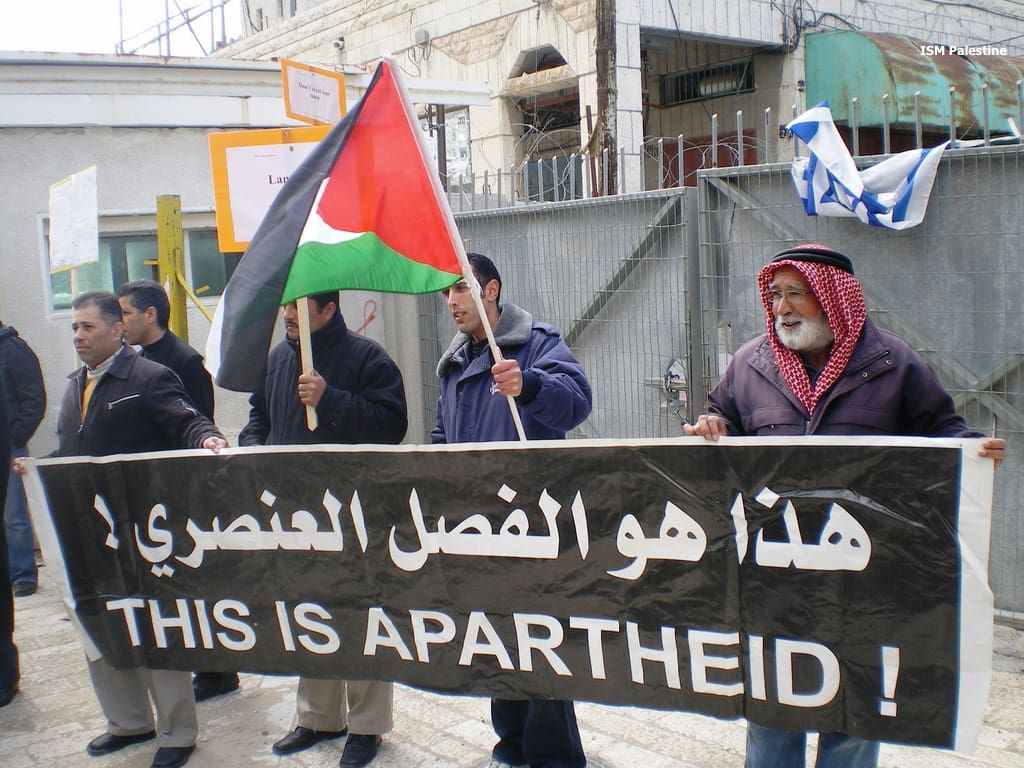
Even among Palestinian activists, discussions about the Israeli crime of apartheid ignore the centrality of the refugee question. One reason for this “oversight” is the fact that the colonial context of apartheid in both South Africa and Palestine is not well understood.

Hazem Jamjoum· Jun 20, 2012