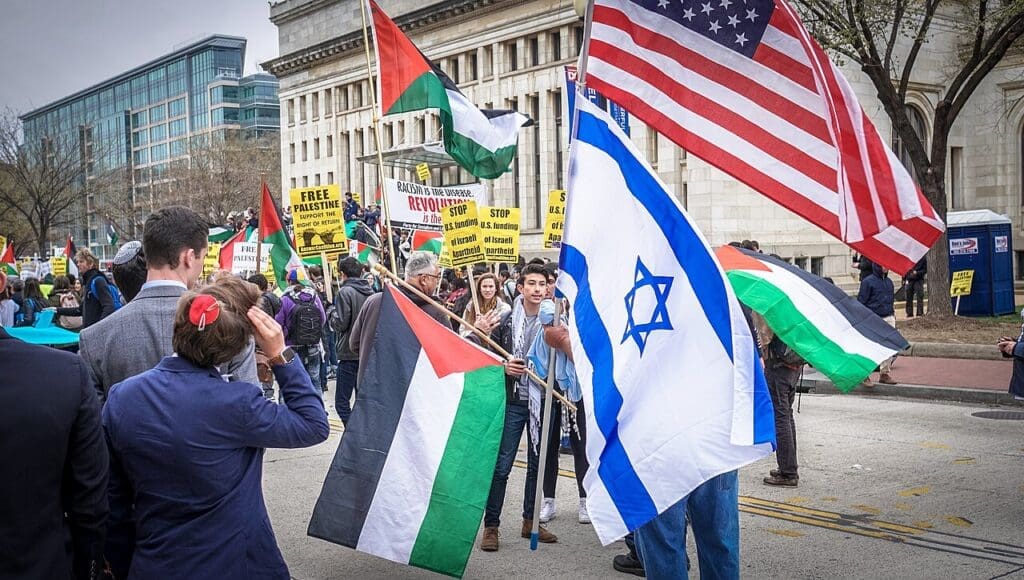
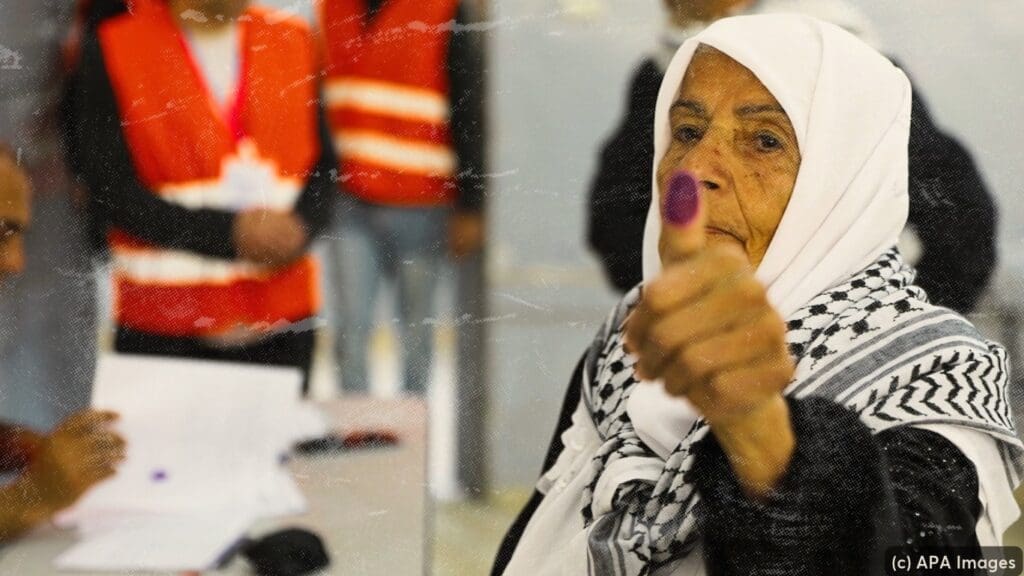
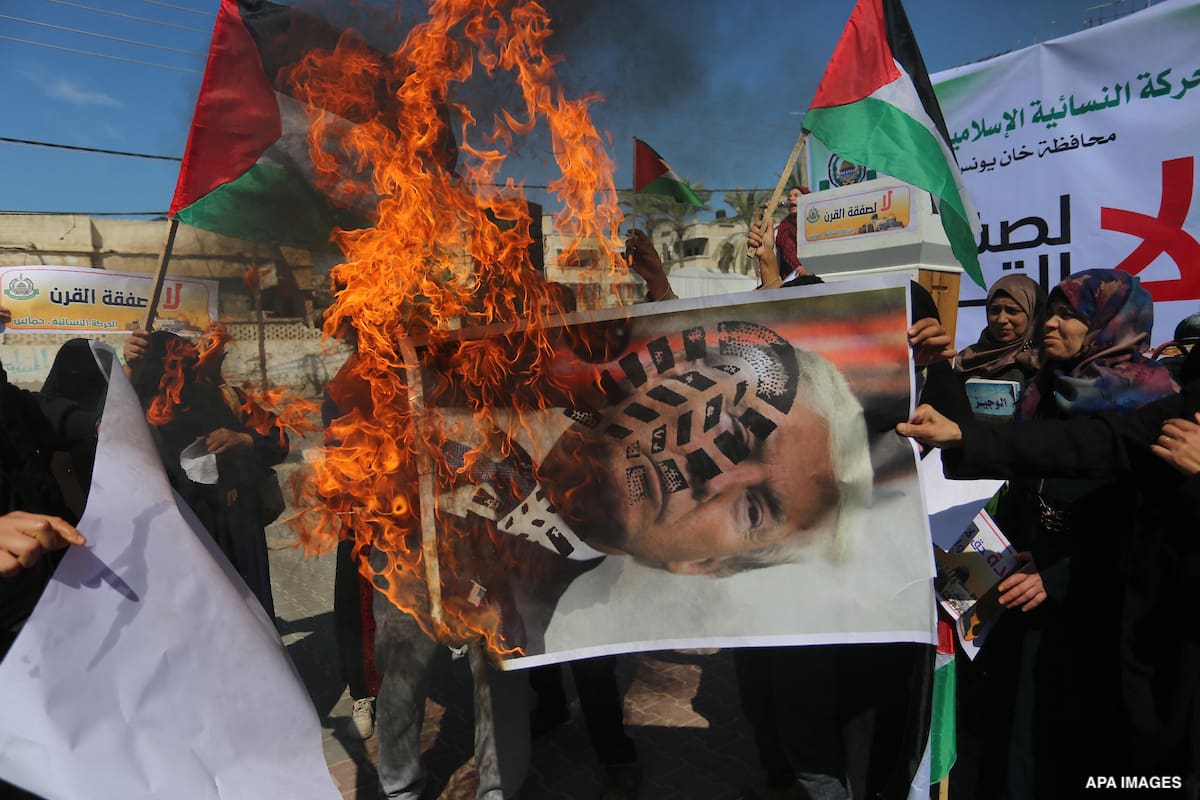
In the months leading up to the US presidential elections, Palestinians watched as Democrats and Republicans wrestled for the title of “Israel’s best friend.” Now, with Trump poised to return to the White House in January, and Republicans in control of both the House and Senate amid Israel’s ongoing genocide in Gaza, Palestinians are bracing for the worst. While little is certain about how Trump’s notoriously tumultuous leadership style will play out, it’s clear that his administration will strive to make Washington’s relationship with Israel closer than ever.
In this policy lab, Halah Ahmad and Andrew Kadi join host Tariq Kenney-Shawa to discuss what the incoming Trump Administration will mean for Palestinians, how it will affect the pro-Palestine solidarity movement in the US, and how to prepare for it.
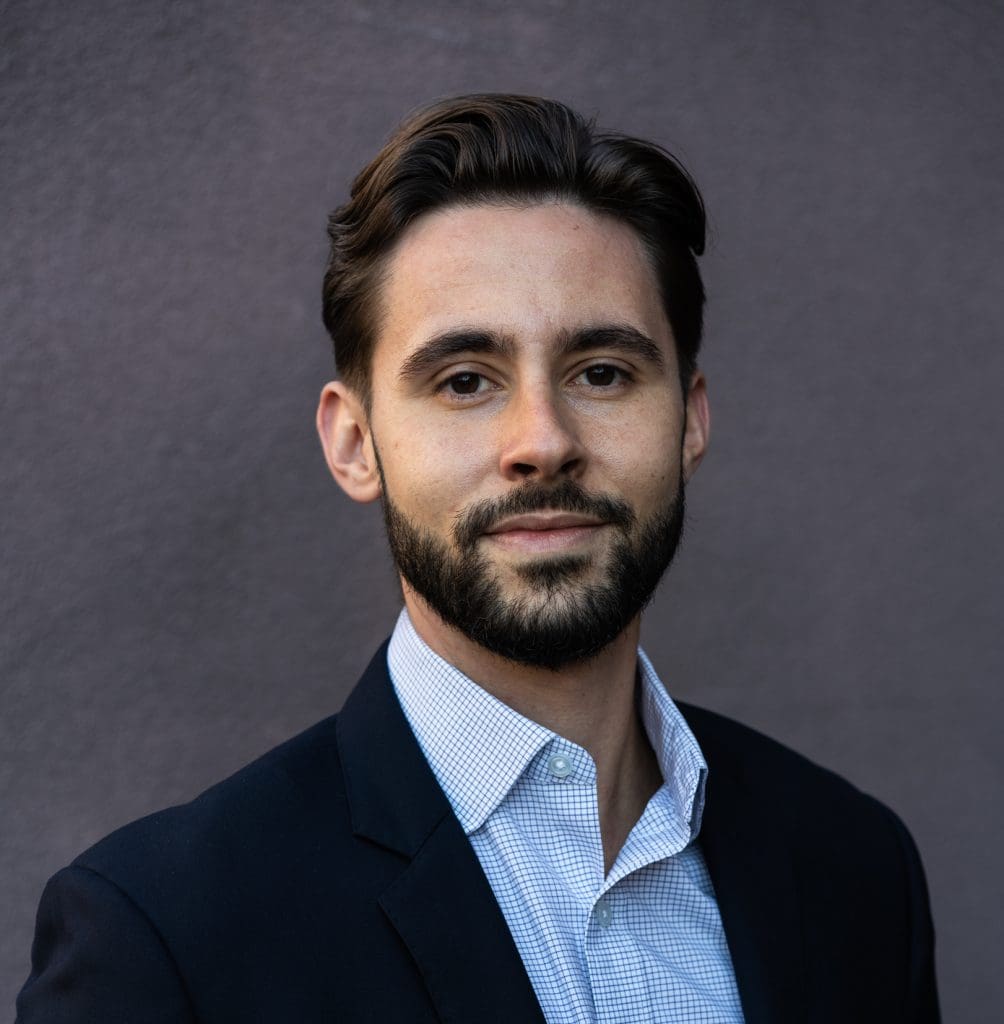
Tariq Kenney-Shawa is Al-Shabaka’s Associate Fellow, based in New York, and co-host of Al-Shabaka’s Policy Lab series. He holds a Master’s degree in International Affairs from Columbia University. Tariq’s research and writing have covered a range of topics, from the role of open-source intelligence in exposing Israel’s war crimes to analysis of Palestinian liberation tactics. His writing has appeared in The Los Angeles Times, Foreign Policy, and The Nation, among others. Tariq also serves as Associate Director of Editorial for the Institute for Middle East Understanding.
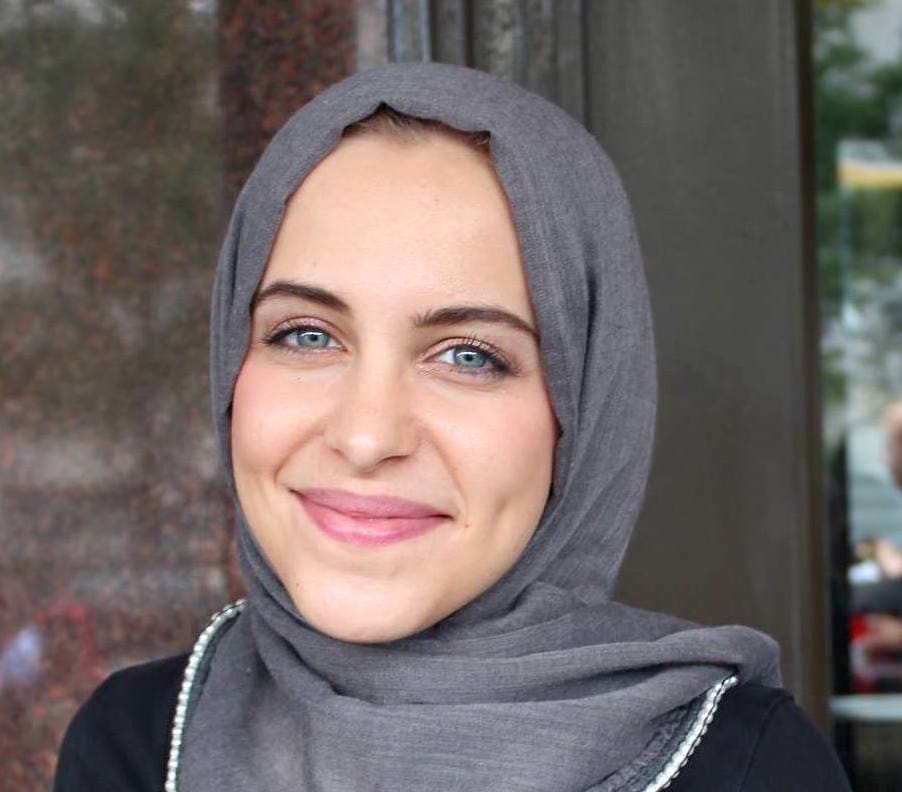
Halah Ahmad is a policy researcher, writer, and policy communications expert. Most recently, she led legislative affairs as VP for Policy at the Jain Family Institute, an applied social science research institute based in New York City. Halah also served as the US Policy Fellow for Al-Shabaka, and has conducted strategic policy research for government agencies and NGOs in Greece, Albania, Germany, Palestine, and the US. Halah received her Masters in Public Policy from Cambridge University as a Harvard-Cambridge scholar. Her work has been featured in The New York Times, Vox, The LA Times, The Hill, USA Today and other outlets.
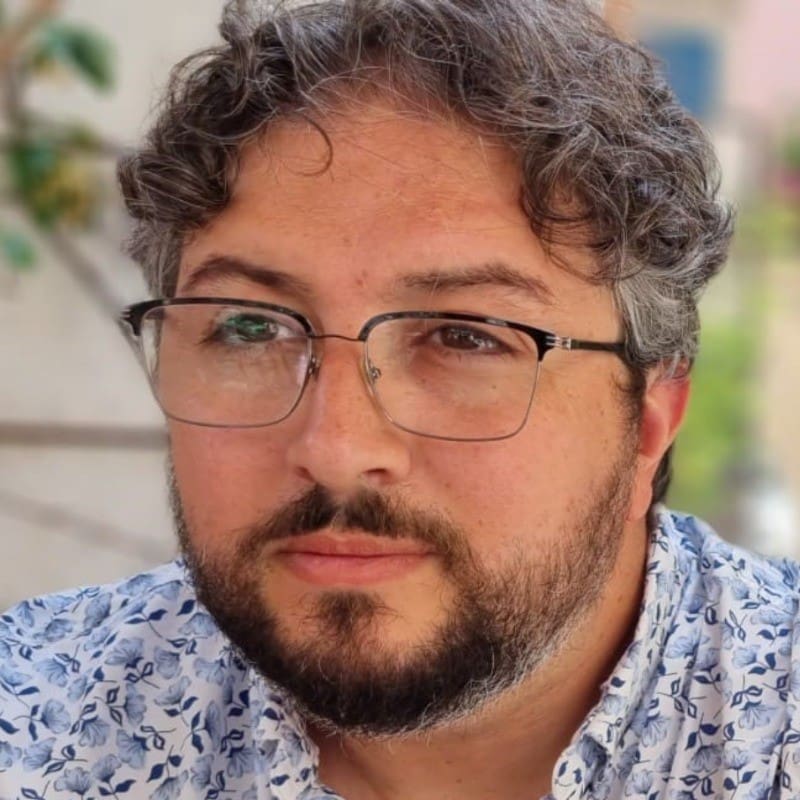
Andrew Kadi is a human rights activist and organizer with nearly two decades of work in support of Palestinian rights. He has been active with Adalah-NY and the US Campaign for Palestinian Rights, and his writing and commentary have appeared in The Guardian, USA Today, the BBC, Electronic Intifada, and Mondoweiss. He currently works as Director of Technology and Analytics at American University.