english policy lab nov2026

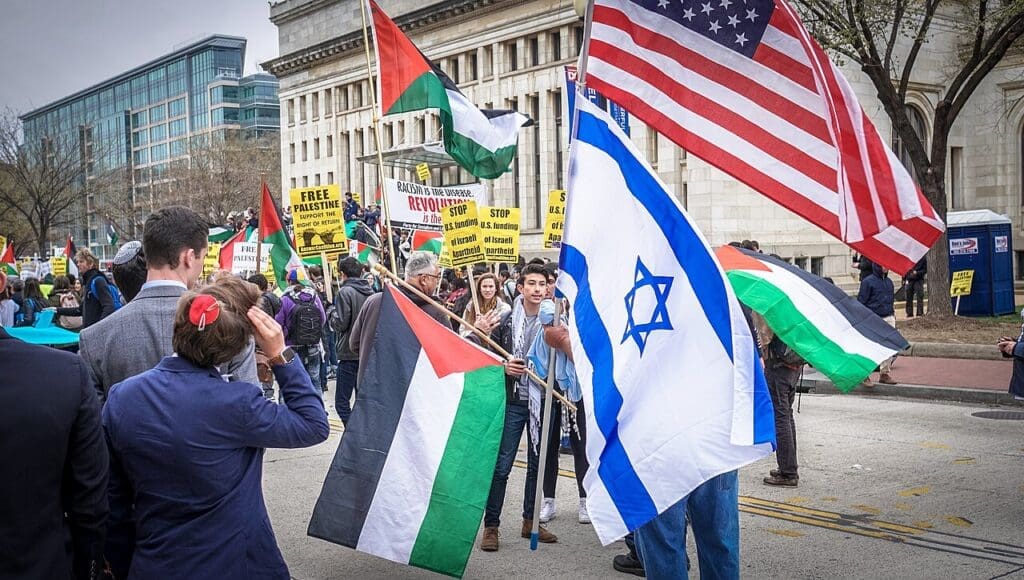
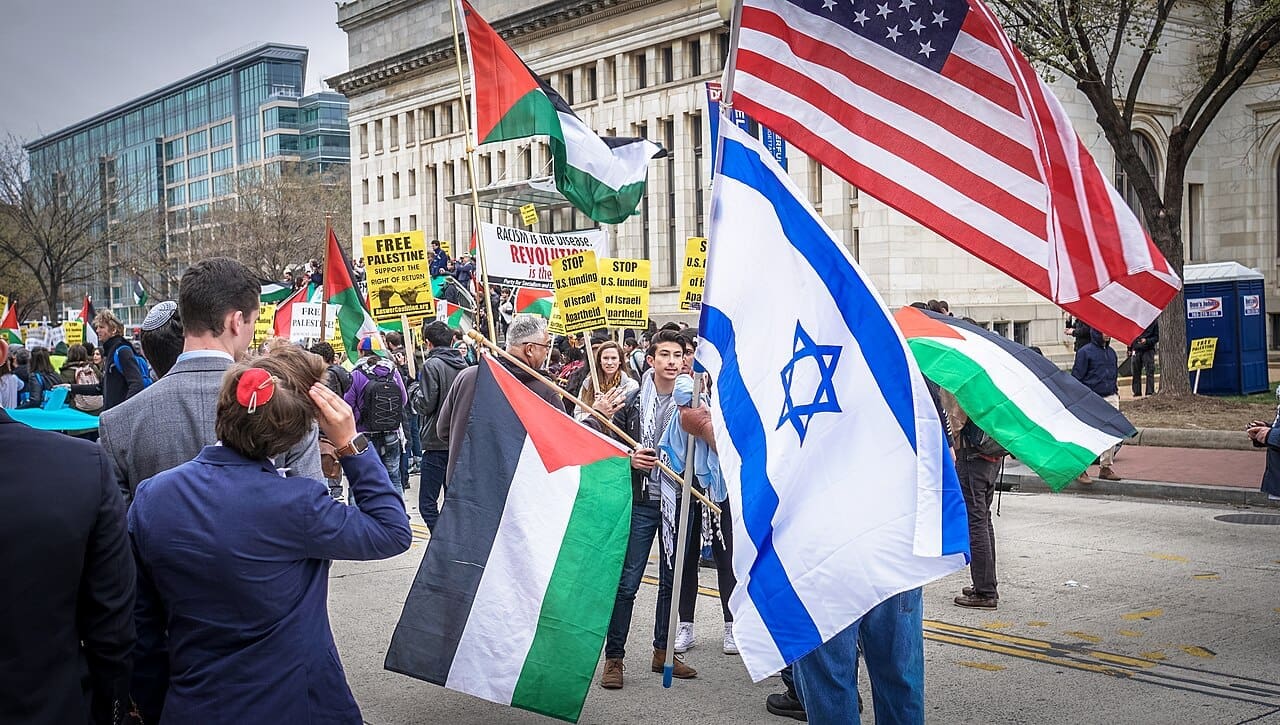
The 2026 US midterm elections dealt the Republicans a sweeping defeat, handing Democrats control of both chambers of Congress. They reshaped the political landscape for the remainder of Trump’s presidency and saw a significant rejection of candidates who made unconditional support for Israel central to their campaigns. But will these electoral shifts translate into meaningful changes in US policy toward Palestine?

As public opposition to US support for Israel grows and longstanding political allegiances come under increasing scrutiny, the election results raise fundamental questions about the future of Washington’s relationship with Israel. Will the new Congress challenge decades of bipartisan support for Israeli occupation and apartheid, or will the gap between public opinion and US policy persist? And what opportunities do these political shifts create for Palestine advocates seeking to turn growing public solidarity into concrete policy change?

In this Policy Lab, Margaret DeReus and Andrew Kadi join host Tariq Kenney-Shawa to examine what the midterm results reveal about the changing position on Palestine in the US, the implications for US foreign policy, and the challenges and opportunities ahead for Palestinian rights advocacy.
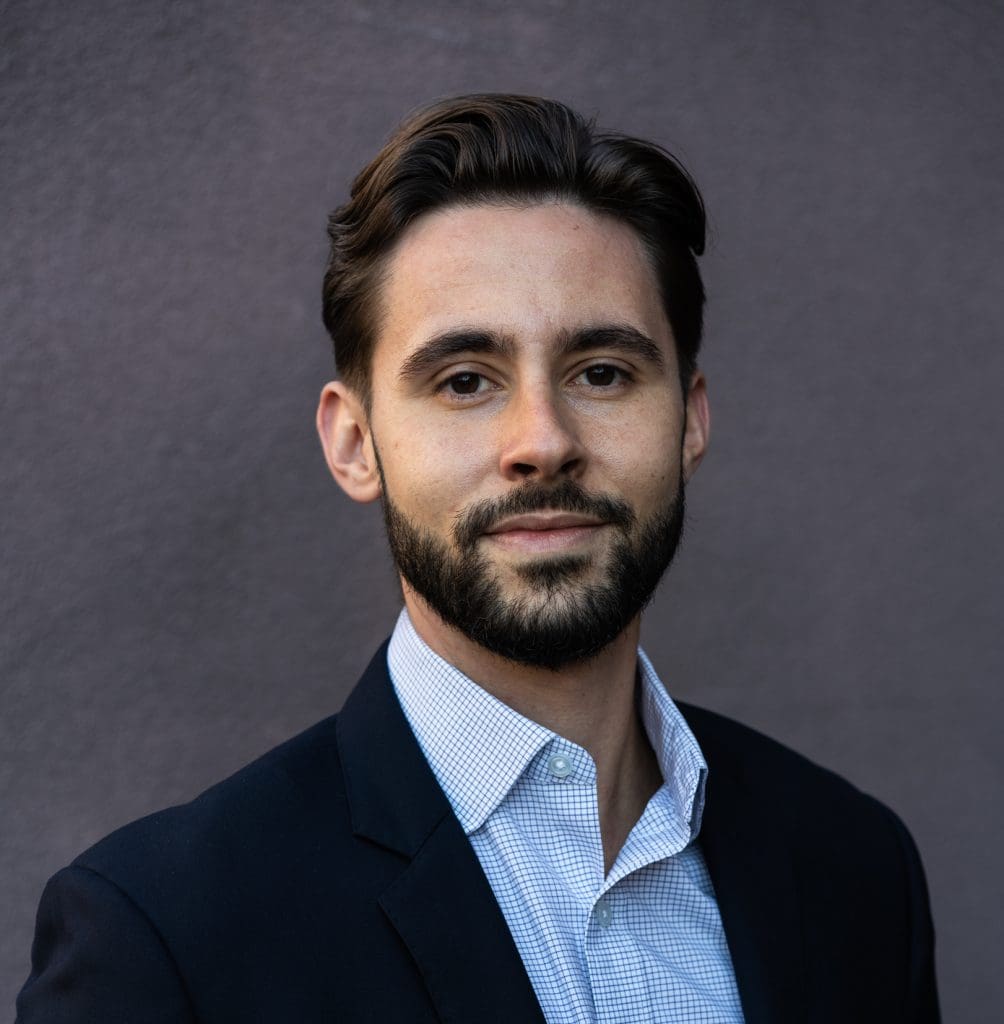
Tariq Kenney-Shawa is Al-Shabaka’s Associate Fellow, based in New York, and co-host of Al-Shabaka’s Policy Lab series. He holds a Master’s degree in International Affairs from Columbia University. Tariq’s research and writing have covered a range of topics, from the role of open-source intelligence in exposing Israel’s war crimes to analysis of Palestinian liberation tactics. His writing has appeared in The Los Angeles Times, Foreign Policy, and The Nation, among others. Tariq also serves as Associate Director of Editorial for the Institute for Middle East Understanding.
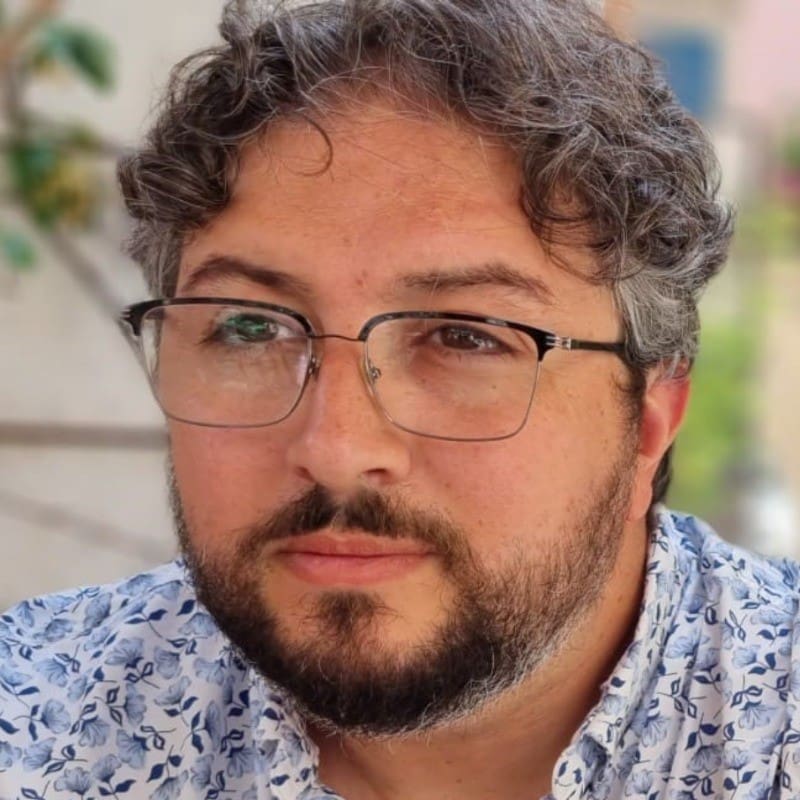
Andrew Kadi is a human rights activist and organizer with nearly two decades of work in support of Palestinian rights. He has been active with Adalah-NY and the US Campaign for Palestinian Rights, and his writing and commentary have appeared in The Guardian, USA Today, the BBC, Electronic Intifada, and Mondoweiss. He currently works as Director of Technology and Analytics at American University.
With: Margaret DeReus
In this article

Latest Analysis

 Politics
In February 2026, Palestinian Authority President Mahmoud Abbas issued a decree stating that Palestinian National Council (PNC) and Palestinian Legislative Council (PLC) elections would take place in November. In October, he postponed the PLC elections, citing obstacles from the Israeli regime. The PNC elections have been held only in limited locations, as little more than a mechanism to select predetermined candidates. As for the 2027 presidential elections, Abbas is unlikely to hold them, even though he has exceeded his electoral mandate by nearly 18 years. An election would simply not bode well for him: his popularity ratings are very low, and he is, after all, the world's second-oldest president. In this commentary, Yara Hawari and Alaa Tartir engage with electoral significance within the settler-colonial context where the Israeli regime has been foreclosing Palestinian political agency across Palestine. While elections alone cannot measure democracy or mark enfranchisement, the authors nevertheless grapple with the value of Palestinian representation and how democratic participation can play out under settler colonialism.
Al-Shabaka Yara Hawari
Al-Shabaka Alaa Tartir
Yara Hawari,Alaa Tartir· Nov 17, 2026
 Politics
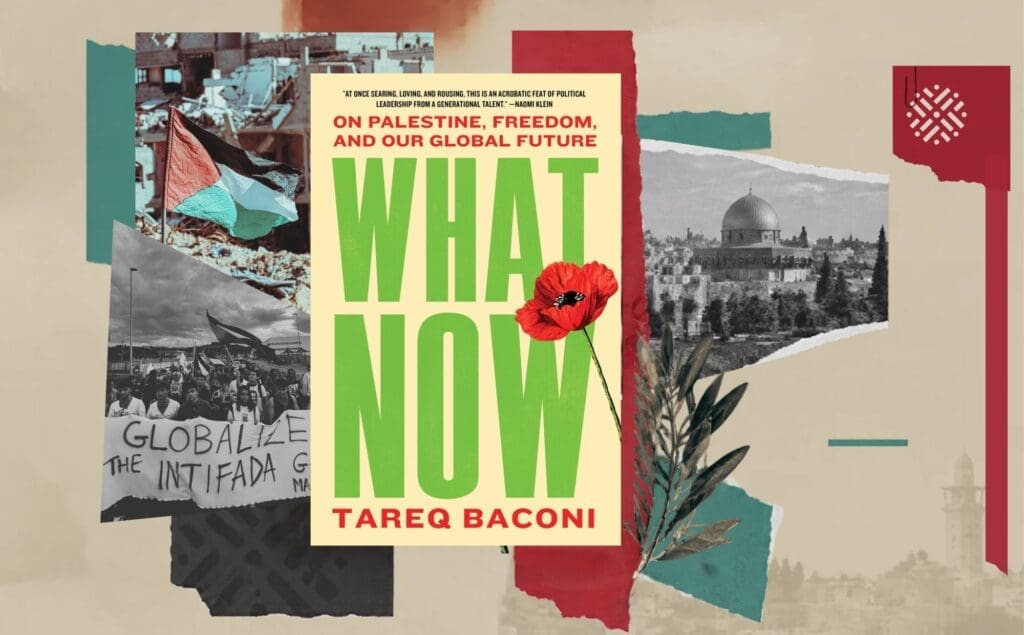
The following is an excerpt from What Now: On Palestine, Freedom, and Our Global Future, written by Al-Shabaka analyst Tareq Baconi and published by Washington Square Press on November 3, 2026.
Tareq Baconi· Nov 4, 2026
 Refugees
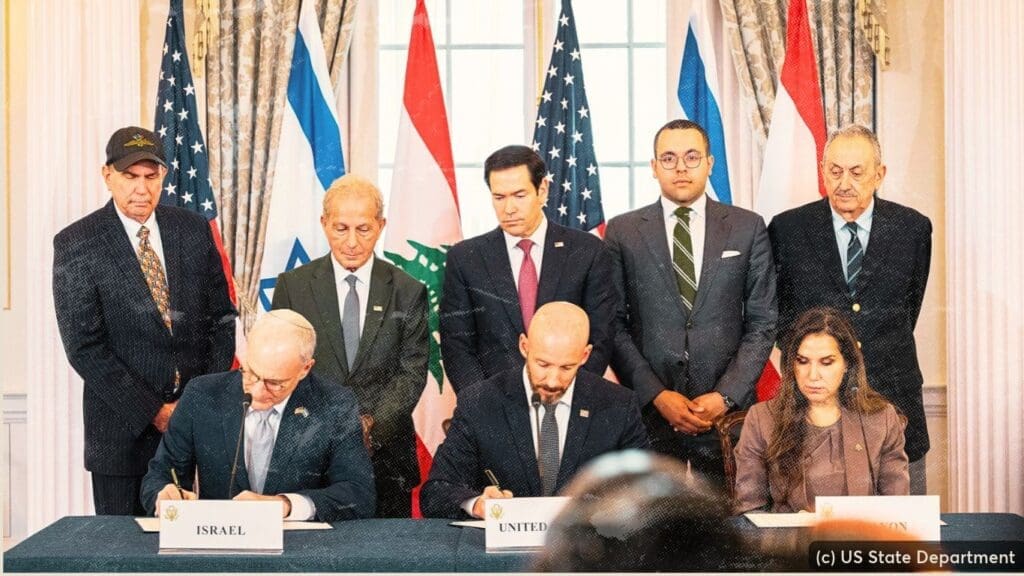
On June 26, 2026, Lebanon, the US, and the Israeli regime signed a Trilateral Framework against the backdrop of fierce military attacks on Lebanon and the invasion of its south. This aggression was part of the broader US-Israeli regional assault that also devastated Iran, Syria, and Palestine, upending the geopolitical order. In this commentary, we speak with Al-Shabaka policy analyst Jaber Suleiman, who examines pivotal questions about this framework agreement and its implications for Palestinian refugees in Lebanon and the liberation struggle more broadly. He emphasizes the grave implications of this agreement, as it makes Israeli withdrawal from Lebanese territory conditional on the disarmament of Hezbollah, thereby holding the resistance factions and the Lebanese state responsible for ending the war and the occupation, while absolving Israel of accountability.
Jaber Suleiman· Oct 14, 2026