

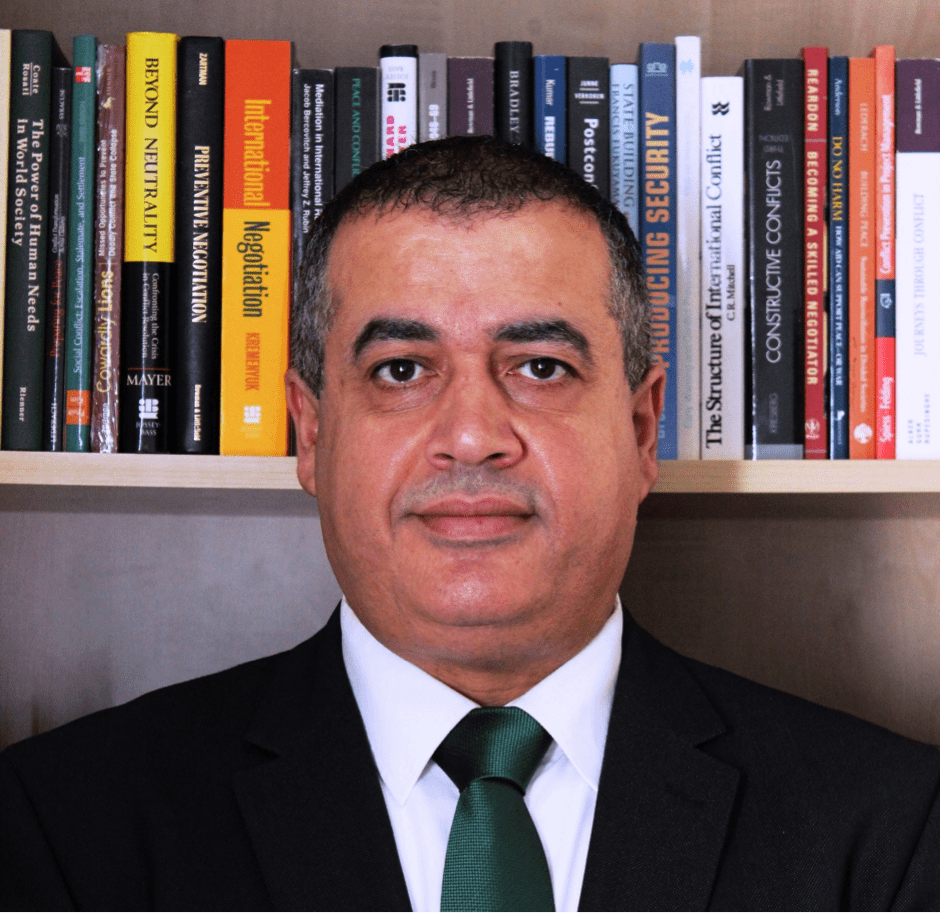
Ibrahim Fraihat is Associate Professor of International Conflict Resolution at the Doha Institute for Graduate Studies and a non-resident fellow at Deakin University’s Middle East Studies Forum in Australia. He previously served as Senior Foreign Policy Fellow at the Brookings Institution and taught conflict resolution at Georgetown University and George Washington University. His recent books include Conflict Mediation in the Arab World (Syracuse University Press, 2023), Rebel Governance in the Middle East (Palgrave, 2023), Iran and Saudi Arabia: Taming a Chaotic Conflict (Edinburgh University Press, 2020), and Unfinished Revolutions: Yemen, Libya, and Tunisia after the Arab Spring (Yale University Press, 2016). He holds a doctorate in conflict analysis and resolution from George Mason University and is the recipient of that university’s Distinguished Alumni Award (2014).

From this author
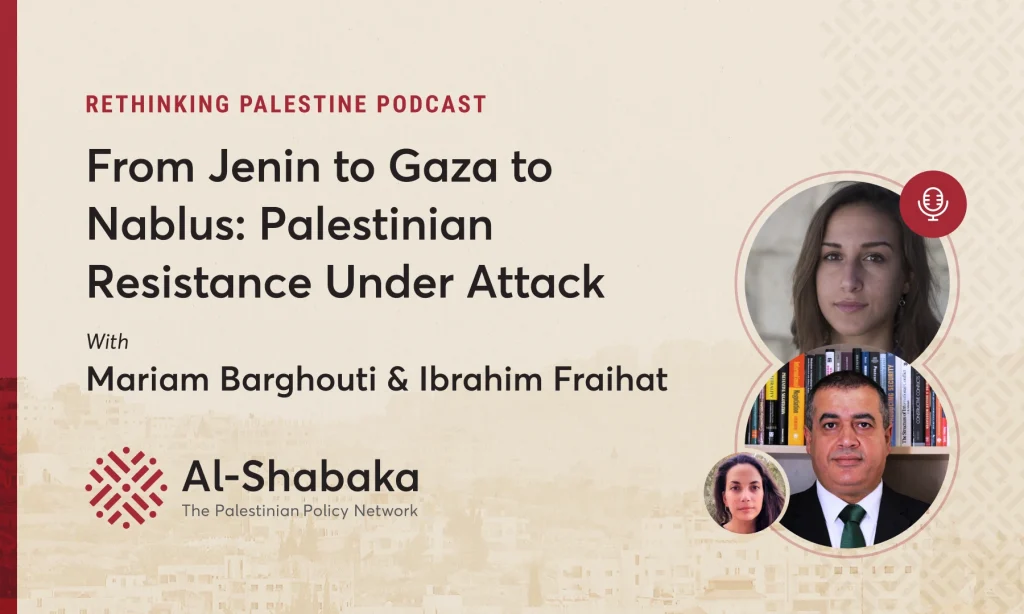
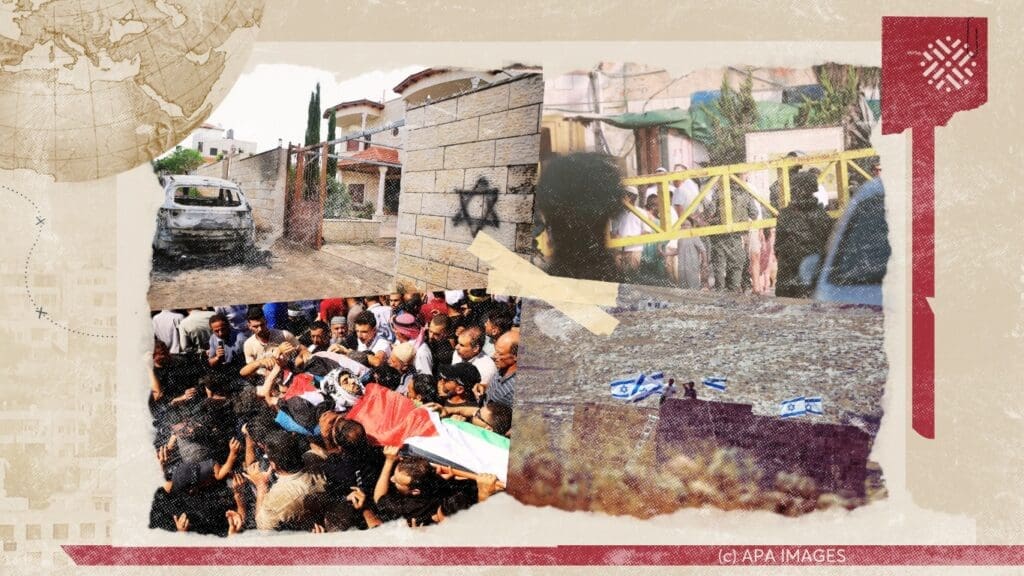
Mariam Barghouti and Ibrahim Fraihat join host Yara Hawari to discuss how the latest Israeli attacks and assassinations in Jenin, Gaza and Nablus are part of a wider Israeli strategy to crush Palestinian armed resistance.


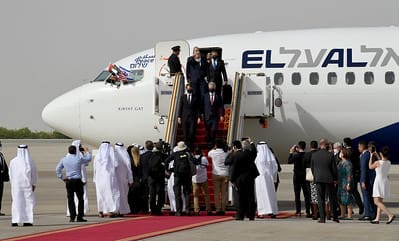
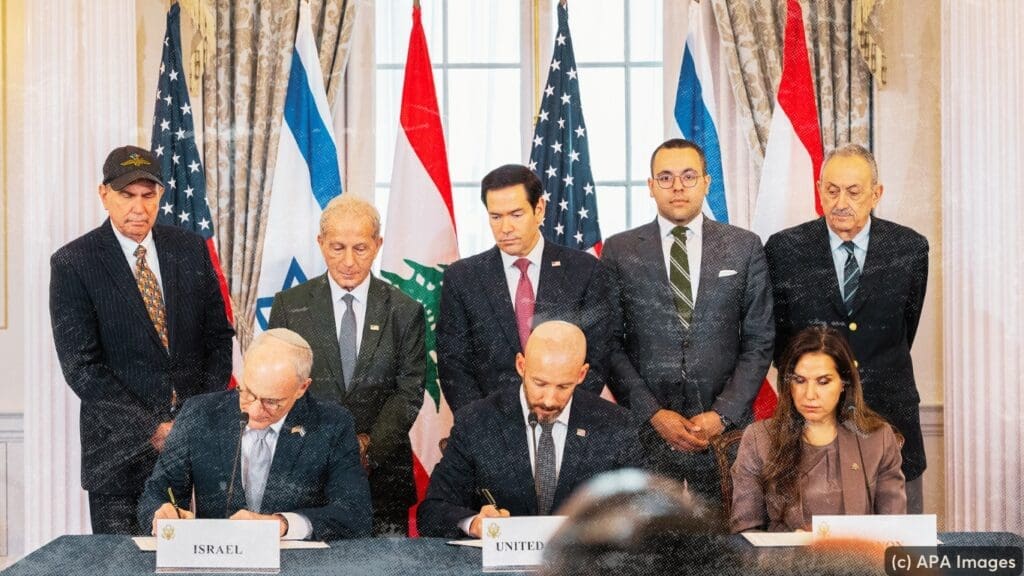
Have Arab states abandoned the Palestinian people? In this policy lab, Al-Shabaka analysts Tareq Baconi and Ibrahim Fraihat weigh in on the historical understanding of normalization, implications of the UAE-Israel agreement and other normalization developments across the region, and ways forward for Palestinians in light of these changing dynamics.


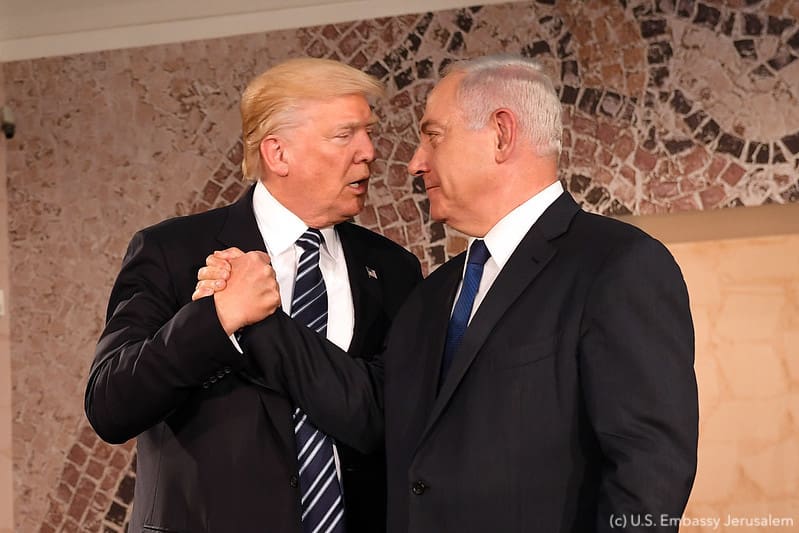
Trump's efforts to bolster the Palestinian economy in lieu of concrete political action are part of a long history of initiatives designed to forfeit Palestinian rights under the guise of "economic peace."


Progressive political analysts often critique Arab states for abandoning the Palestinian struggle for liberation. This roundtable, facilitated by Al-Shabaka Policy Analyst Nadine Naber and with contributions from Al-Shabaka Policy Analysts Ibrahim Fraihat, Loubna Qutami, and Sherene Seikaly, interrogates this critique, offering nuanced perspectives on whether and to what extent Arab states have abandoned or compromised the Palestinian cause.


+
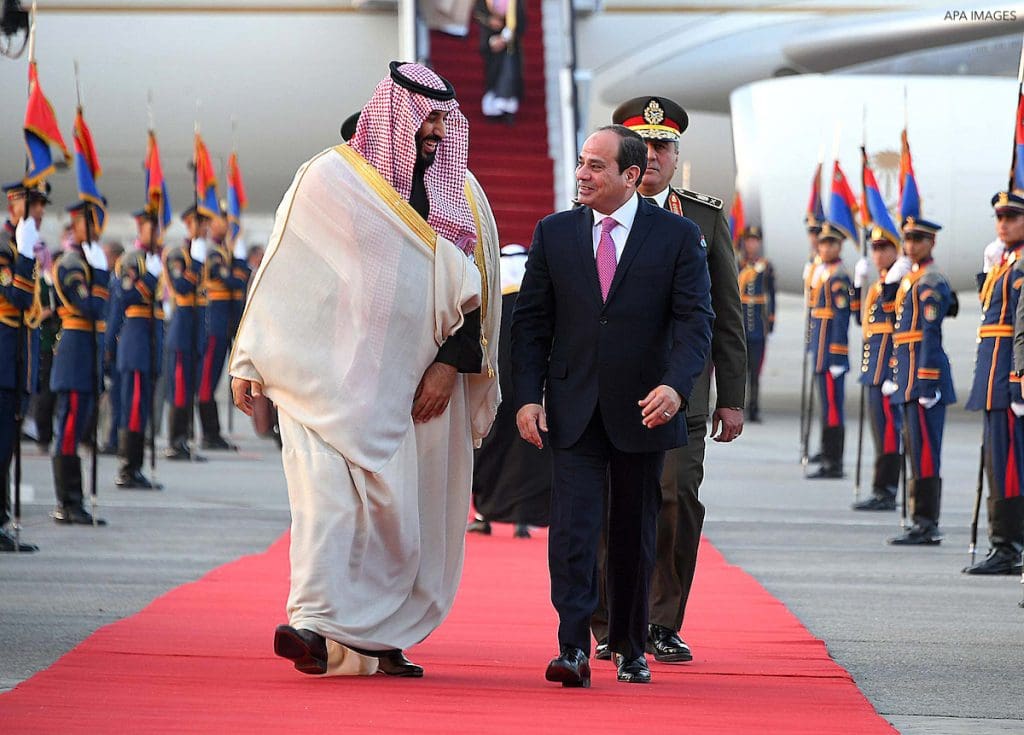
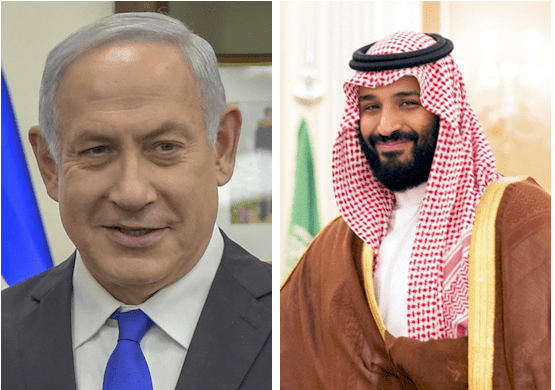
The October 2018 murder of Jamal Khashoggi by agents of the Saudi government in Istanbul brought into sharp relief the deepening relations between Saudi Arabia and Israel: Israel had supplied Pegasus spyware to the Saudi government, which it used to surveille Khashoggi, and two of the Saudi aides that Crown Prince Mohammed bin Salman (MBS) fired for playing a role in the murder had been part of clandestine Saudi outreach toward Israel, including efforts to soften Israel’s image in the Saudi press.

Ibrahim Fraihat· Feb 7, 2019