


Pope Francis, American Churches, and Palestinian Rights
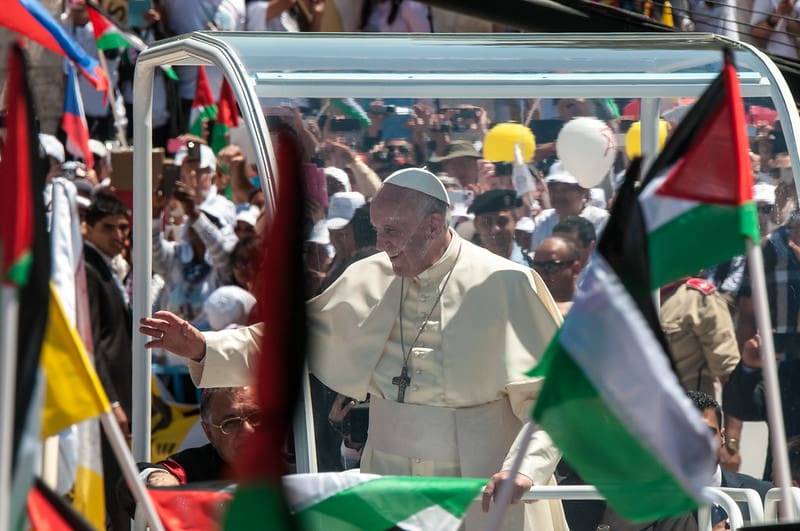
Pope Francis has attracted attention for his support of causes the establishment ignores, including the rights of the Palestinian people. And yet the US Catholic Church lags behind other American churches. Al-Shabaka’s Grace Said and 24445 take advantage of the Pope’s US trip to challenge his church to go further.
EU Alarmed by Israel, Frustrated by Palestine
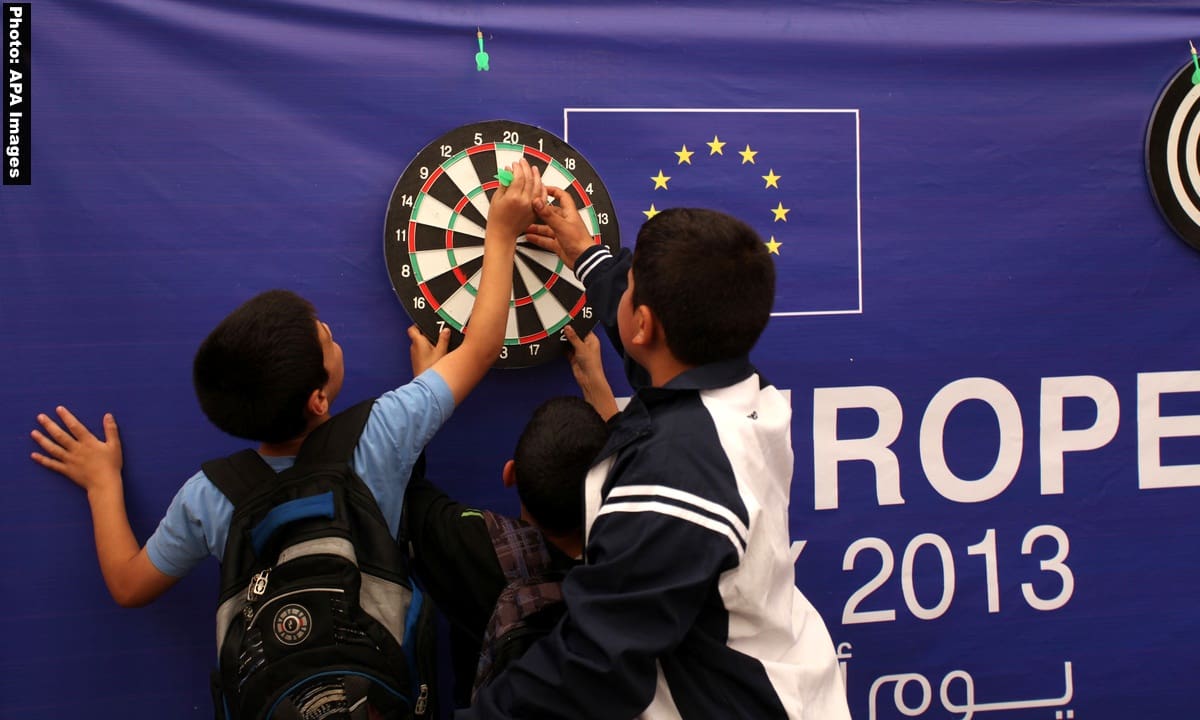
European Union actions to put a cost to Israel’s occupation are modest, but they are putting the EU on an unstoppable collision course with Israel, writes Al-Shabaka Executive Director Nadia Hijab. But will Palestine put its house in order in a coherent strategy to fulfill Palestinian rights to freedom and justice?
Israel’s Nukes Derail U.S. Nonproliferation Goals

According to U.S. and Israeli intelligence, Iran is not building nuclear weapons, but cracking down on the country is a top U.S. policy goal. By contrast, Israel’s longstanding nuclear weapons program is rarely mentioned. In this policy brief produced in collaboration with American Muslims for Palistine, Al-Shabaka Policy Advisor Victor Kattan argues that if the U.S. is really serious about nuclear nonproliferation it must also tackle Israel’s massive nuclear arsenal.
Defeating Dependency, Creating a Resistance Economy
In an important recent piece – Economic Hallucination – Ramallah-based Al-Shabaka policy advisor Sam Bahour exposed the charade played by both Western donors and the Palestinian Authority (PA) to cover up the occupied territory’s inexorable economic meltdown after decades of Israeli military occupation. Arguing that the combined donor-PA approach poses major obstacles to freedom and rights, Bahour concluded: “It’s time for a new economic model, one built on economic justice, social welfare, solidarity, and sustainability.” What would such an economic model look like and how can Palestinians living under occupation move from today’s grim reality to an economy that sustains the quest for self-determination? Al-Shabaka policy advisors Alaa Tartir and Samer Abdelnour join Bahour to debate these questions and explore alternatives.
Beyond Sterile Negotiations: Looking for a Leadership with a Strategy
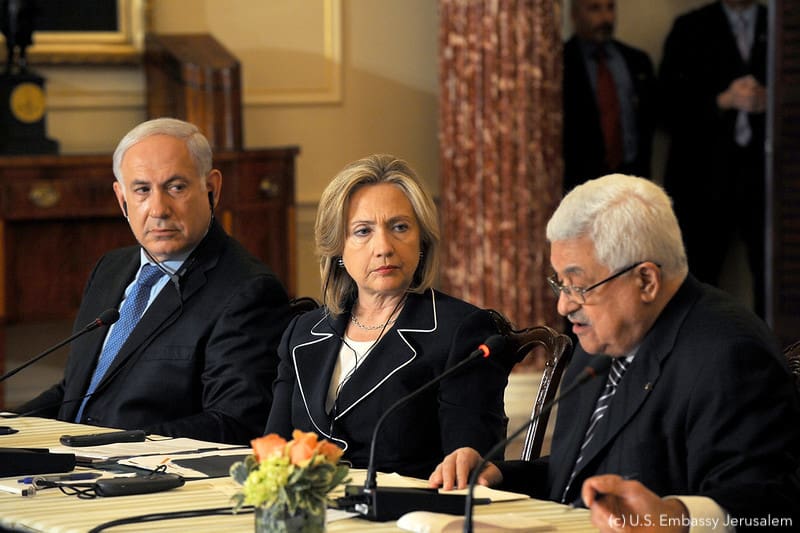
Given the abject failure of the Palestine Liberation Organization to secure Palestinian rights since it was established, and especially since it adopted an exclusive peace process track, Al-Shabaka Policy Advisor Noura Erakat argues that it is past time to explore how a national liberation strategy can be elaborated — and who can lead it. She discusses the transnational Palestinian networks that are being formed as well as the Boycott National Committee. The former have aspirations to build political programs and authoritative leadership but are still in their early stages, while the latter has become a leading body but has deliberately opted against a political program and leadership. She explores the South Africa model, and argues for a dual approach of working for rights while at the same time actively seeking answers to the pressing need for a unified political program and leadership.
Keeping an Eye on UNRWA
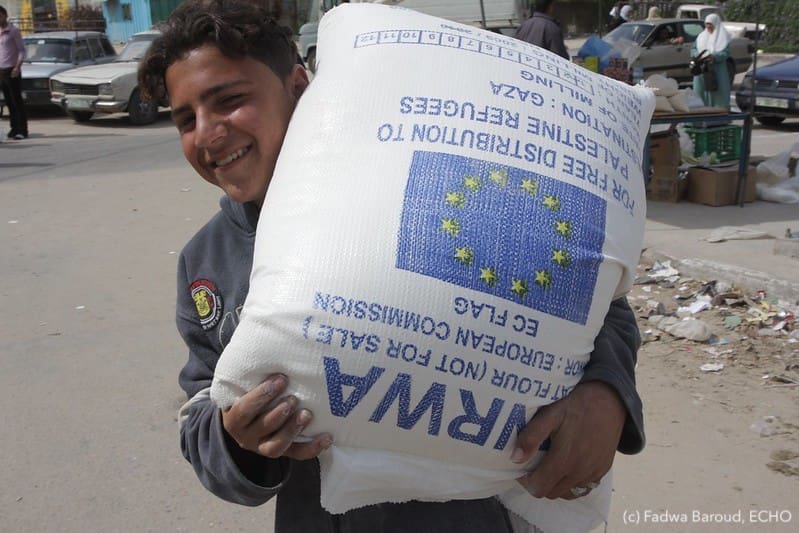
Israel recently launched a spate of attacks on UNRWA, the UN Agency serving Palestinian refugees, which could herald another attempt to shut the Agency down. Is UNRWA perpetuating Palestine’s conflict with Israel, as its Israeli critics allege, or does it provide essential relief and work for millions of Palestinian refugees who were displaced from their homes in 1948? Does UNRWA act as a catalyst to absorb the refugees in the Arab world and to contain their political struggle as its Palestinian critics allege, or does it keep their cause alive and visible on the international scene as its Israeli and Western critics allege? In this policy brief, Al-Shabaka Policy Advisor Randa Farah responds to UNRWA’s critics, while also casting a critical eye at the Agency. In doing so, she reminds us of the different reasons why the Agency was founded in the first place.
A Reset for U.S. Policy? Not Now, But Watch the Base
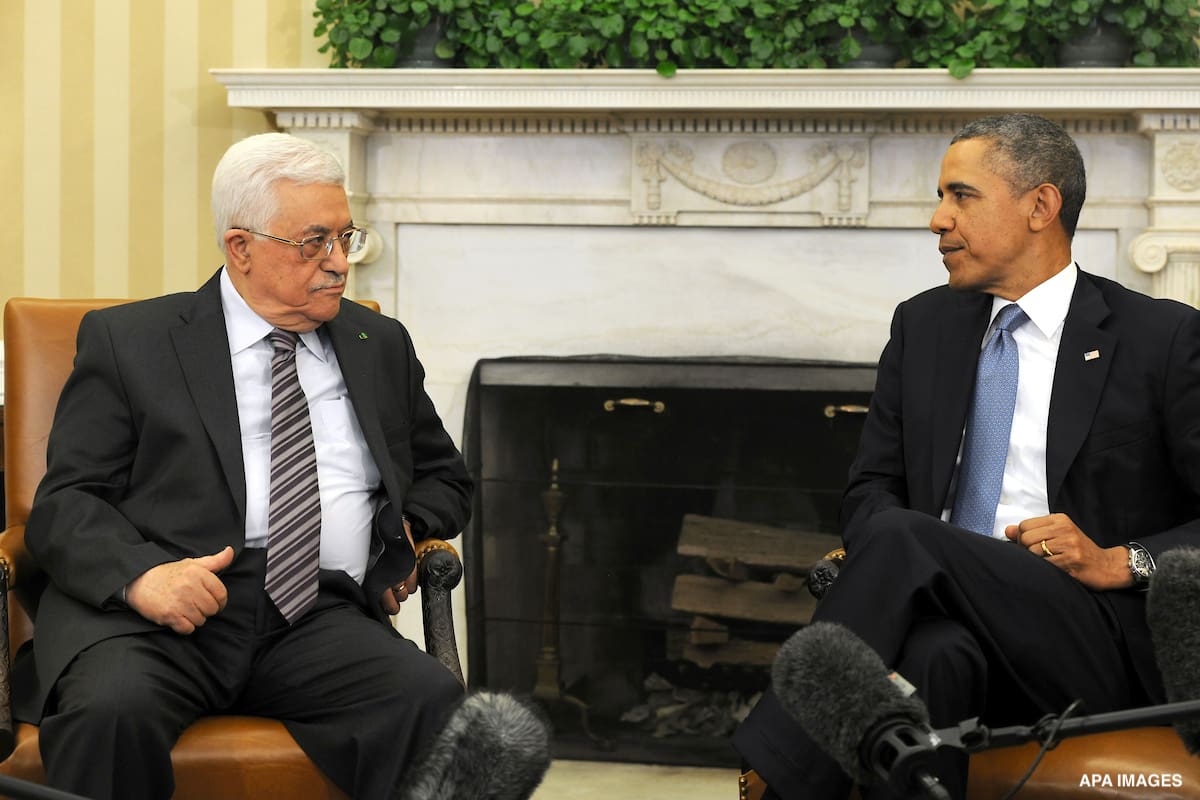
What can be expected from the final months of the Obama Administration on the Arab-Israeli conflict? Al-Shabaka Policy Advisor Rashid Khalidi is pessimistic about any policy shift in the foreseeable future. Indeed, he describes President Barack Obama’s UN speech in September as the worst ever by an American president and AIPAC (the American Israel Public Affairs Committee) as far more effective today than it was in the 1970s and 1980s, partly due to the efforts of Dennis Ross. In this wide-ranging interview with Al-Shabaka Policy Advisor Victor Kattan, Khalidi explains why he sees no hope at present for a just U.S. policy, although this could change if public opinion — which is much more enlightened than that of U.S. policy makers — makes itself felt through the media and at the political level.
A State of Palestine: The Case for UN Recognition and Membership
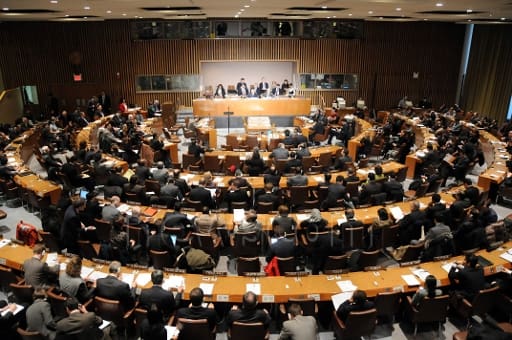
In this policy brief, Al-Shabaka Policy Advisor Victor Kattan examines the Palestinian Authority’s strategy to achieve UN recognition and membership in September. He argues that if the initiative is successful, a State of Palestine would be a strategic asset to the Palestinian struggle for self-determination.
The Myth of American Pressure
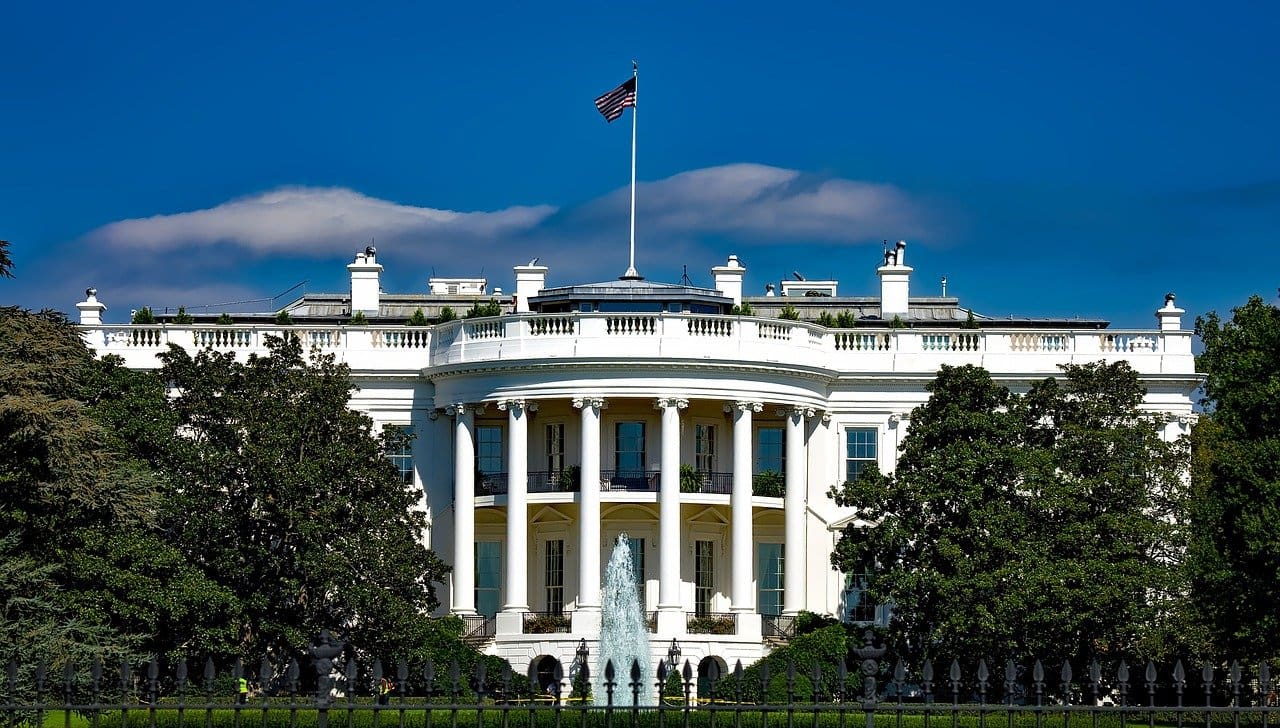
Recent reports that the Obama administration offered Israel unprecedented incentives to continue its limited 10-month moratorium on settlement construction for an additional 60 days have sparked an outcry among Palestinians and their supporters. However, in this policy brief Al-Shabaka Co-Director Osamah Khalil argues that the administration’s actions fit into a much broader historical pattern of public American pressure on Israel and private concessions.