



Randa Farah is Associate Professor in the Anthropology Department at the University of Western Ontario, where she has taught since 2001, and Adjunct Faculty at the Centre for Global Studies at Huron University College. She holds a PhD from the University of Toronto, where her doctoral research focused on memory and identity among Palestinian refugees in camps in Jordan in the context of the Oslo Accords. She has also conducted field research in camps for Western Saharan refugees in Algeria, and her comparative work on the two cases has been published in the Journal of Palestine Studies. She previously held positions as Visiting Fellow and Associate Researcher at the Refugee Studies Centre at the University of Oxford, and worked at CERMOC in Amman on a research project on Palestinian refugees and UNRWA.

From this author
The United Nations Relief and Works Agency for Palestine Refugees (UNRWA) recently launched an appeal for $14 million in anticipation of a coronavirus outbreak in Palestinian refugee camps. It’s an indication of the dire financial straits the agency is in, particularly since the US – once its major donor – cut its annual $360 million donation in August 2018.

Randa Farah· Apr 7, 2020
In the wake of President Donald Trump’s decision to freeze a significant portion of the US’s contribution to the United Nations Relief and Works Agency for Palestine Refugees in the Near East (UNRWA), many leaders and public figures opposed to the move have not decried it for the humanitarian devastation it will cause, but rather for its supposed provocation of Palestinian extremism. For instance, in a letter to Trump, US Democrats quoted former Israeli Army Spokesperson Peter Lerner, who stated that by “weakening UNWRA…Palestinians will be even more susceptible to more extremism and violence.” They also warned Trump that the reduction in funds “will harm American interests.”

Randa Farah· Mar 15, 2018
This collection of some of the most compelling pieces Al-Shabaka has published contextualizes and discusses the unique difficulties of Palestinian refugees displaced across the Middle East – from becoming refugees a second or third time due to the ongoing Syrian civil war to over-researching camps “famous” for tragedy while under-researching other refugee situations and exile communities.
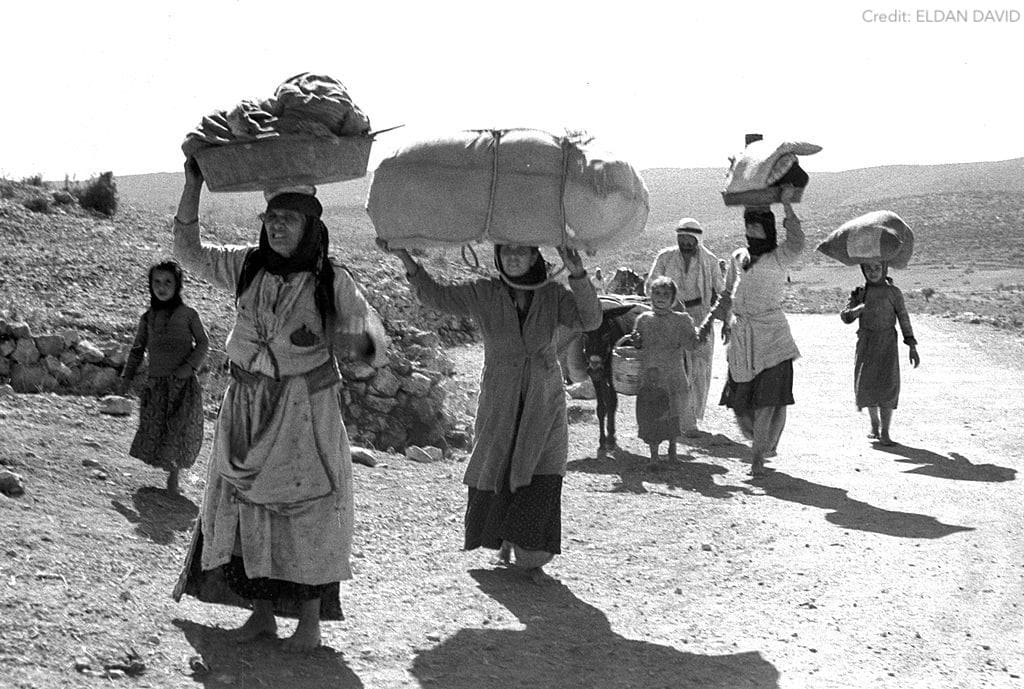
The rights of Palestinian refugees have been long neglected and their suffering has been carried from generation to generation for 67 years. In his recent piece A Bold Proposal: Palestine Should Give Its Refugees Citizenship, Al-Shabaka Policy Advisor Fateh Azzam argued that the State of Palestine should confer citizenship on its stateless refugees and enter into bilateral agreements with other states regarding the status of Palestinian citizens in each country.
In popular descriptions among Palestinians and other Arabs, Israel's military assaults have often been compared to the Mongol wars, or the Tatars, where all destruction is permissible, and nothing is sacred. In Israel’s assault on Gaza during July-August 2014, those comparisons returned with a vengeance: Nothing remained untouched by Israel's 21st century weapons, including historical sites, such as mosques and Gaza's harbor.

Randa Farah· Sep 23, 2014
Like a broken record perpetually playing a deeply disturbing refrain, the peace process has scratched on despite missed deadlines, threats, and promises, with intermittent halts. None of the parties involved – mainly the Palestine Liberation Organization/Palestinian Authority (PLO/PA), Israel, and the United States – has seemed to be able to survive without them. But the consequences to the occupied, dispossessed, and exiled Palestinian people have been disastrous, and their termination has been long overdue. It is worth drawing some of these lessons to map a different road moving forward.

Randa Farah· May 6, 2014
Palestinians must themselves be the agents of their return. Some civil society campaigns are contributing to achieving return, such as the boycott, divestment and sanctions (BDS) movement and legal actions. But for real progress the internal obstacles to return must be addressed, including the lack of a consensus on how to achieve Palestinian self-determination. These are among the key points raised in this roundtable organized by Al-Shabaka’s Policy Circle on Return.
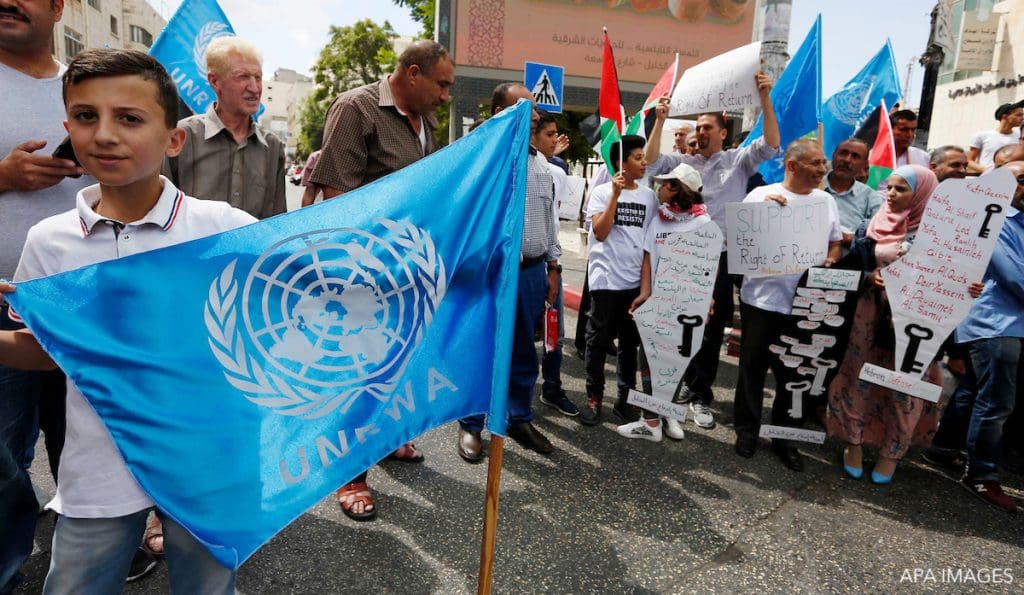
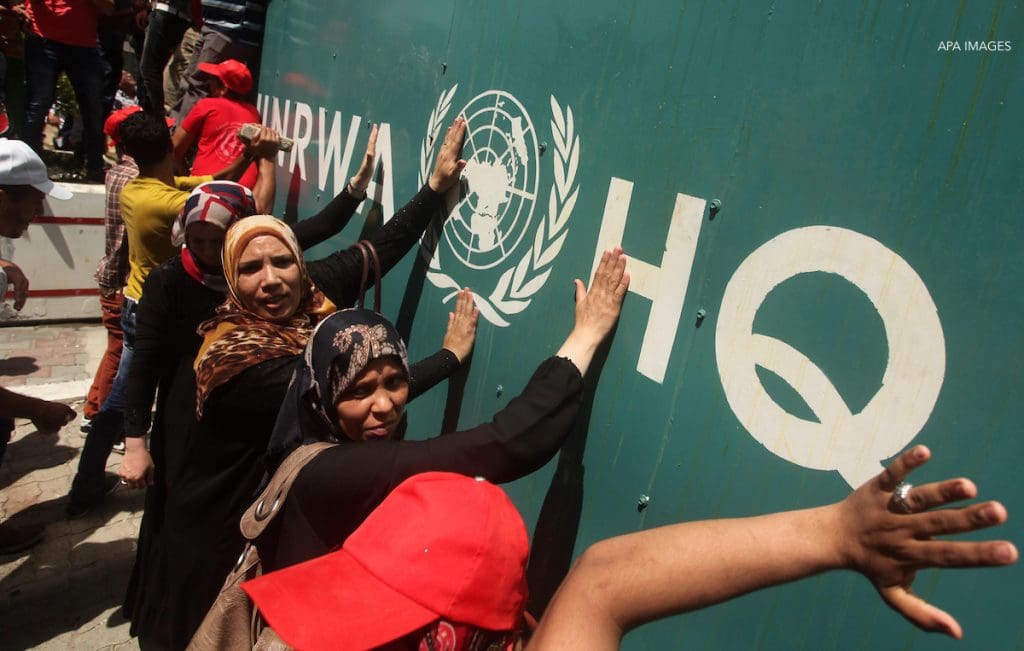
Israel recently launched a spate of attacks on UNRWA, the UN Agency serving Palestinian refugees, which could herald another attempt to shut the Agency down. At the same time, UNRWA faces serious external and internal challenges that, given the history of Western attempts to use it to resettle Palestinian refugees, could result in shifts in the Agency’s mission and mandate, as happened briefly in the post-Oslo period.

Randa Farah· Jan 25, 2012
In this policy brief, Al-Shabaka Policy Advisor Randa Farah examines the UNRWA-refugee relationship based on her anthropological research in Jordan.1 She argues that the Agency took on an exaggerated role that mirrored that of a welfare government-in-exile, especially before the Palestine Liberation Organization (PLO) assumed leadership in the mid-sixties and after it, de facto if not de jure, turned its back on the refugees by signing the Declaration of Principles (DoP) with Israel in 1993.

Randa Farah· Nov 30, 2010