



In the event that the Palestine Liberation Organization (PLO) is revived, it is not likely to produce a change of leadership. Meaningful elections to the Palestinian National Council (PNC), the legislative body of the PLO, have proven unattainable due to political rather than practical impediments.
For instance, the president of the Palestinian Authority (PA) has led both the PA and PLO since the PA’s formation in 1994. As a result, the lines between the two institutions have become blurred. Although sometimes used interchangeably, the two entities are fundamentally different organizations with separate mandates: the PA possesses municipal authority over the affairs of Palestinians in the West Bank and Gaza, while the PLO takes broader decisions regarding Palestinians worldwide, making it a superior organization to the PA. The advent of the PA in the 1990s, however, saw more and more emphasis placed on that body as a source of political direction and leadership. Further, holding PNC elections in which Palestinians around the world would vote is impractical if not impossible. This is particularly so in regional states riddled with internal political and demographic sensitivities.
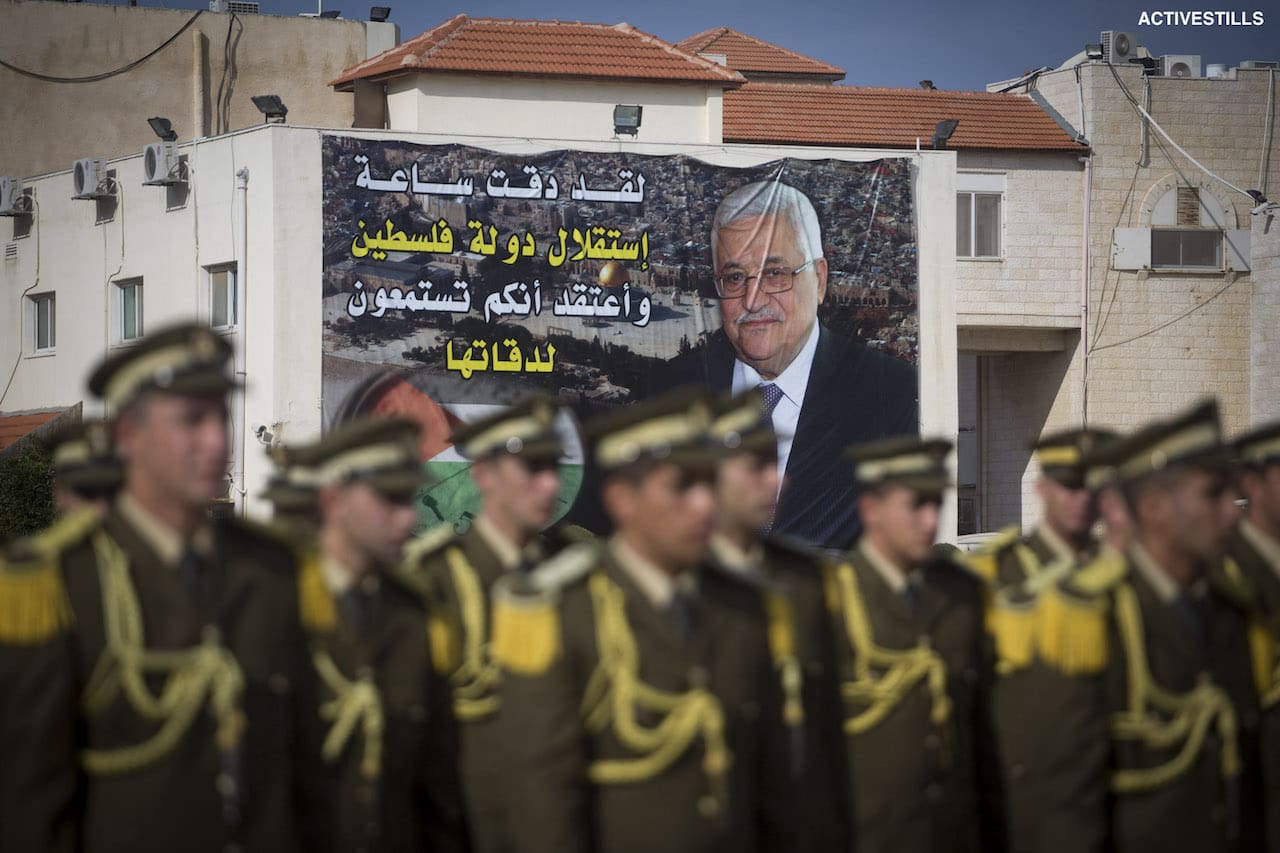
Due to this lack of turnover in leadership, the Palestinian Authority security forces (PASF) would remain partisan, as the present leadership has been built on an intricate network buttressed by the security sector. In addition, the Israeli regime and the international community would not allow for a revival of the Palestine Liberation Army (PLA), the armed wing of the PLO. Any reconfiguration of the PLA is the antithesis of the rationale behind the Oslo structure erected in the last three decades – that is, the creation of a demilitarized Palestinian governing authority. Moreover, any presence of a Palestinian governing body, even in a marginal role, would necessitate continued coordination with Israel, as mandated through past agreements. The PASF, or some derivative of it, would remain at the core of those agreements, ensuring Israel’s “security first.”
Should the PLO be revived, the major differences in judicial practice would likely be superficial, rather than in jurisdiction itself. That is, in the event of broader political and institutional change, the justice sector would need to undergo a revision in both organizational structure and internal hierarchy, which would result in an overhaul of its components, along with jurisdiction and legal codes. This is unlikely to happen given that many of these structures have been in place since the 1970s, even with the subsequent establishment of the PA. Indeed, PA military courts, where the majority of criminal cases are tried, still abide by the 1970s revolutionary codes of the PLO.

Tahani Mustafa is a lecturer in International Relations in the Department of War Studies at King’s College London, and a visiting fellow at the European Council on Foreign Relations (ECFR). She holds a PhD from the School of Oriental and African Studies (SOAS), University of London, and previously served as senior Palestine analyst at the International Crisis Group. Her research explores international mechanisms of security sector reform and governance in the occupied Palestinian territories.