



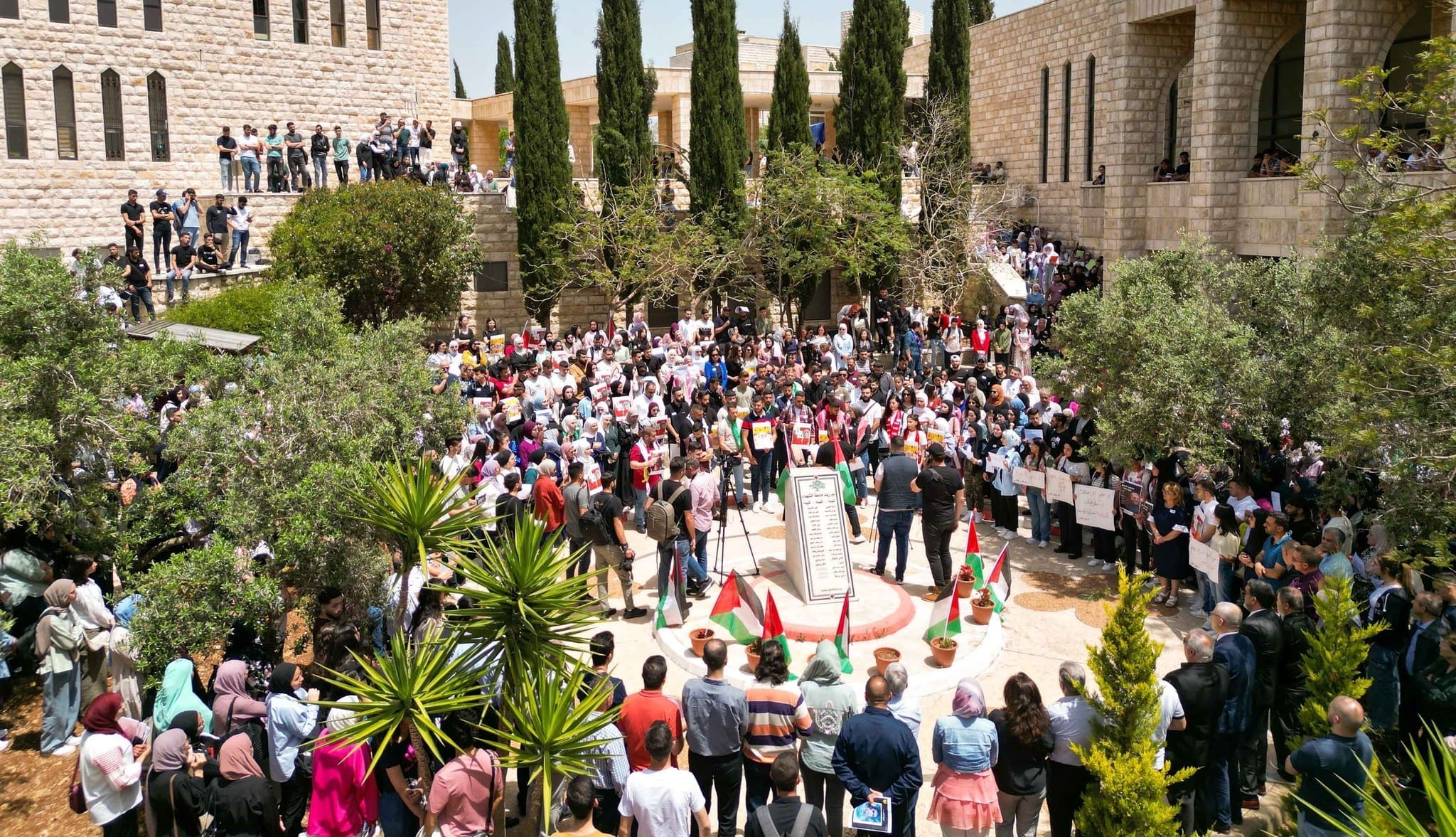
Palestinian Student Movement: Between Glories of the Past & Challenges of the Present

In this policy lab, Ihab Maharmeh and Ahmed Abu Ziad join us with facilitator Fathi Nimer to discuss the past, present, and future of the student movement in Palestine.

This policy lab is only available in Arabic, and may be viewed here.
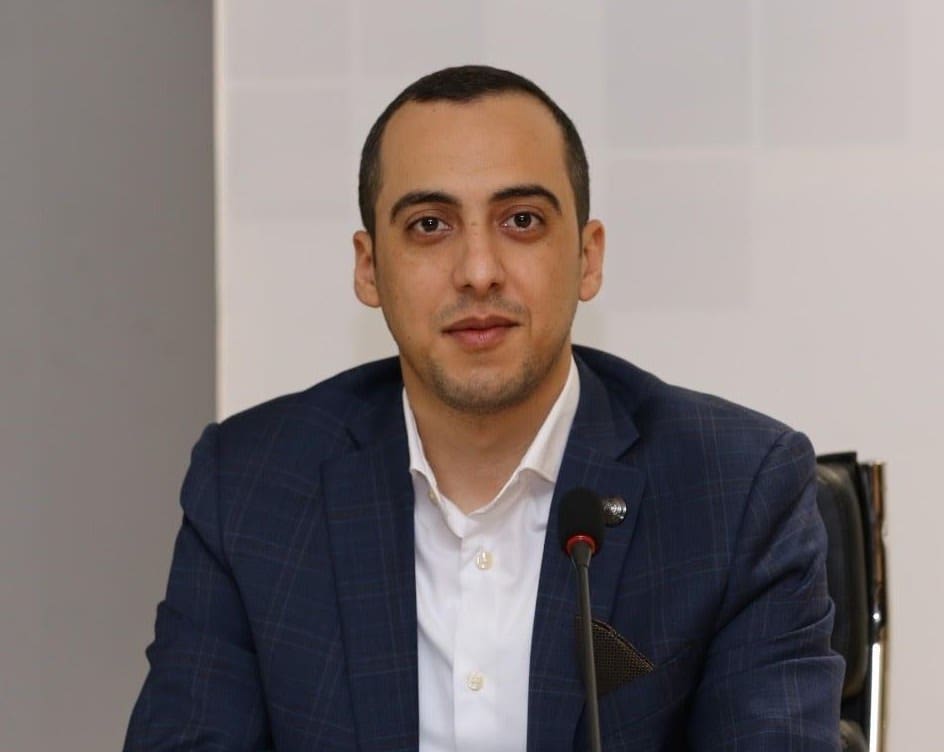
 

Ihab Maharmeh is a researcher at the Arab Center for Research and Policy Studies in Doha, and the editorial secretary of Siyasat Arabiya. He has...
Fathi Nimer is Al-Shabaka's Palestine policy fellow. He previously worked as a research associate with the Arab World for Research and Development, a teaching fellow...
With: Ahmed Abu Ziad
In this article

Latest Analysis

 Civil Society
This policy brief introduces de-healthification as a framework for understanding Israel’s systematic destruction of Palestinian healthcare infrastructure, particularly in Gaza. Rather than viewing the collapse of Gaza’s health system as a secondary outcome of the genocide, the brief argues that it is the product of long-standing policies of blockade, occupation, and structural neglect intended to render Palestinian life unhealable and perishable. By tracing the historical evolution of de-healthification, this brief argues that naming the process is essential for accountability. Because intent is revealed through patterns of destruction rather than explicit declarations, the framework of de-healthification equips policymakers, legal bodies, and advocates to identify healthcare destruction and denial as a core mechanism of settler-colonial control.
Layth Malhis· Jan 11, 2026
 Civil Society
The global reckoning that followed October 7, 2023, marked a profound rupture in how Palestine is understood worldwide. The Gaza genocide exposed how Israeli mass violence is not exceptional or reactive, but foundational to the Zionist project. What was once framed as a “conflict” to be managed is now widely recognized as a system of domination to be dismantled. It ushered in a shift away from the technocratic language of peace processes and toward an honest confrontation with the structural realities Palestinians have long named: settler colonialism, apartheid, and the ongoing Nakba. The commentary argues that the Israeli genocidal campaign in Gaza has radicalized the world. When crowds march through global capitals demanding a free Palestine, they simultaneously articulate demands for the abolition of racial capitalism, extractive regimes, climate injustice, and all forms of contemporary fascism. In this moment of radical clarity, Palestine becomes a lens through which the underlying architecture of global domination is laid bare—and through which new horizons of collective freedom emerge.
Tareq Baconi· Dec 21, 2025
 Politics
Inès Abdel Razek and Munir Nuseibah joined Al-Shabaka for a conversation on the politics behind the UNSC resolution, the implementability of the US-Israeli plan, and the scenarios now being advanced for Gaza and for Palestine more broadly.