


Welcome to the first episode in a webinar series co-hosted by Al-Shabaka and the Foundation for Middle East Peace: Learning and Unlearning Palestine Part 1: Who Can Speak on Palestine?
Featuring Nour Joudah (UC Berkeley), Dina Matar (SOAS, University of London), in conversation with Maha Nassar (University of Arizona).
This conversation examines the history and current reality of the erasure of the Palestinian narrative, the delegitimization of Palestinian voices in mainstream spaces, and possibilities for change.
Featured Speaker
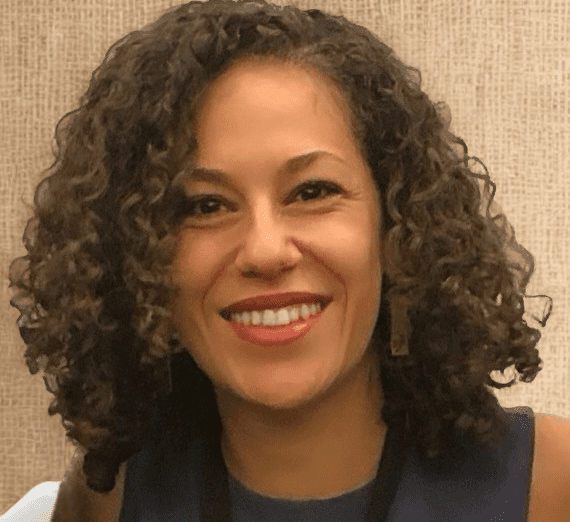
Nour Joudah is Assistant Professor in the Department of Asian American Studies at UCLA. She holds a PhD in Geography from UCLA, where her dissertation examined Palestinian and native Hawaiian communities’ efforts to imagine liberated futures through indigenous countermapping practices. She is working on a book manuscript, Future Histories, exploring how indigenous experiences of time in Palestine and Hawaii inform liberation struggles. She also holds an MA in Arab Studies from Georgetown University.
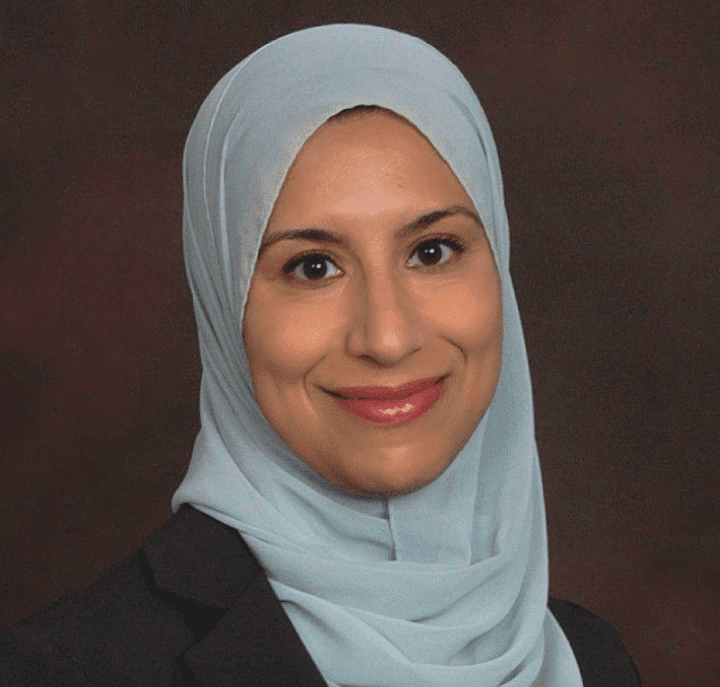
Maha Nassar is an associate professor of Modern Middle East History and Islamic Studies at the University of Arizona. She holds a PhD in Near Eastern Languages and Civilizations from the University of Chicago. Her book, Brothers Apart: Palestinian Citizens of Israel and the Arab World (Stanford University Press, 2017), examines how Palestinian cultural producers in Israel positioned themselves within Arab and third-world intellectual movements, and received a 2018 Palestine Book Award. She is currently working on a new book examining Palestinian conceptions and practices of sumud (steadfastness).
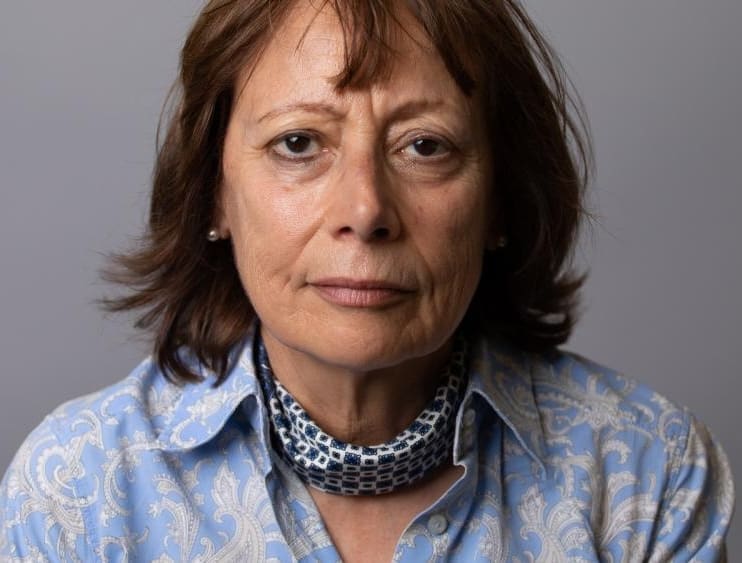
Dina Matar is Professor of Political Communication and Arab Media and Chair of the Department of Media Studies at SOAS. Her research focuses on the intersection of politics and communication, media and conflict, and memory studies in the Middle East. She is the author of What it Means to be Palestinian: Stories of Palestinian Peoplehood (2010), co-author of The Hizbullah Phenomenon: Politics and Communication (2012), and co-editor of several volumes including Gaza as Metaphor (2016) and Archiving Gaza in the Present (2025). She is co-founder of the Middle East Journal of Culture and Communication and co-editor of the SOAS Palestine Studies series.
Online Webinar