From this author

 Civil Society
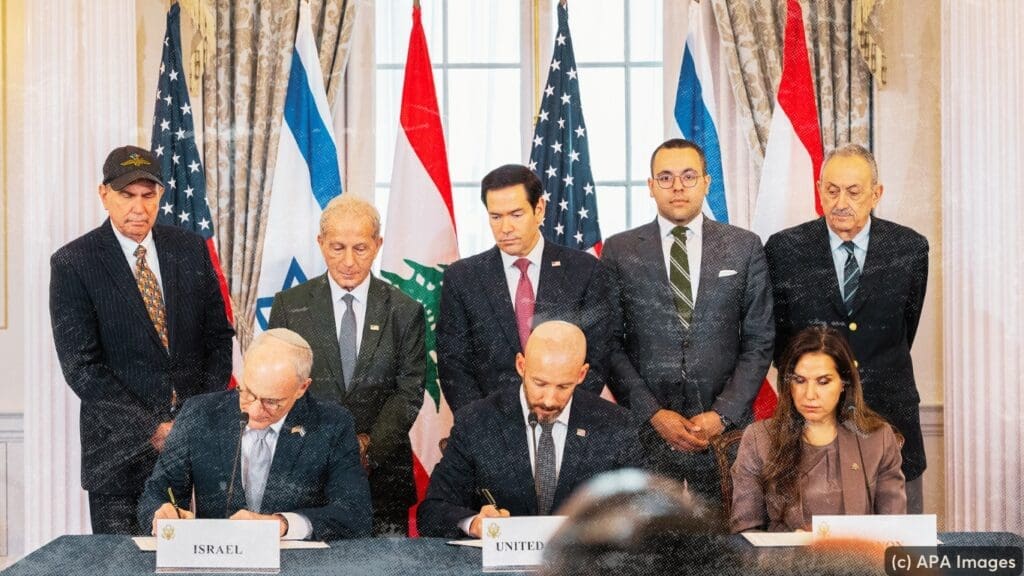
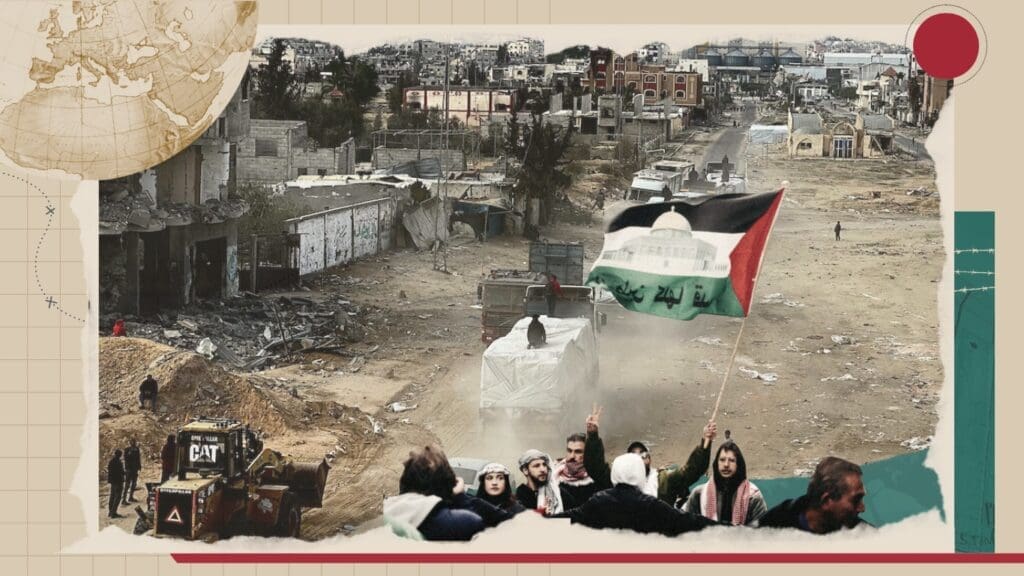
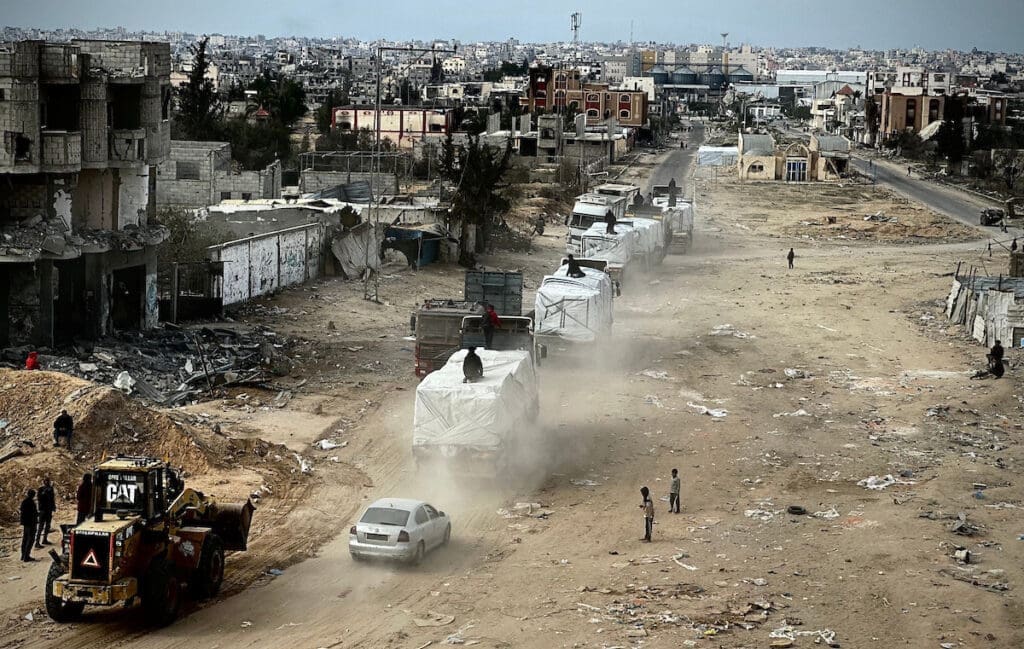
After Hamas’s recent announcement that it will hand over governing authority in Gaza to the National Committee for the Administration of Gaza (NCAG), urgent questions about who will shape Gaza's future and on whose terms have reemerged. These questions are particularly salient given that the NCAG’s framework reflects the same technocratic and externally imposed logic that has come to characterize the dominant international proposal for Gaza's reconstruction: one that treats it as a technical exercise in disaster management, sidelining Palestinian sovereignty, return, and self-determination. In contrast, this roundtable asks what it means to understand Gaza as an Indigenous region rather than simply a besieged strip or humanitarian space. Nour Joudah and Dena Qaddumi explore how Indigenous frameworks reshape prevailing understandings of urbanism, reconstruction, and governance; why reconstruction must begin with Palestinian agency and reclamation rather than externally designed colonial master plans; and how rebuilding is already taking place through everyday forms of Indigenous endurance, social organization, and spatial resistance under conditions of ongoing genocide.
Nour Joudah,Dena Qaddumi· Jul 23, 2026
 Politics
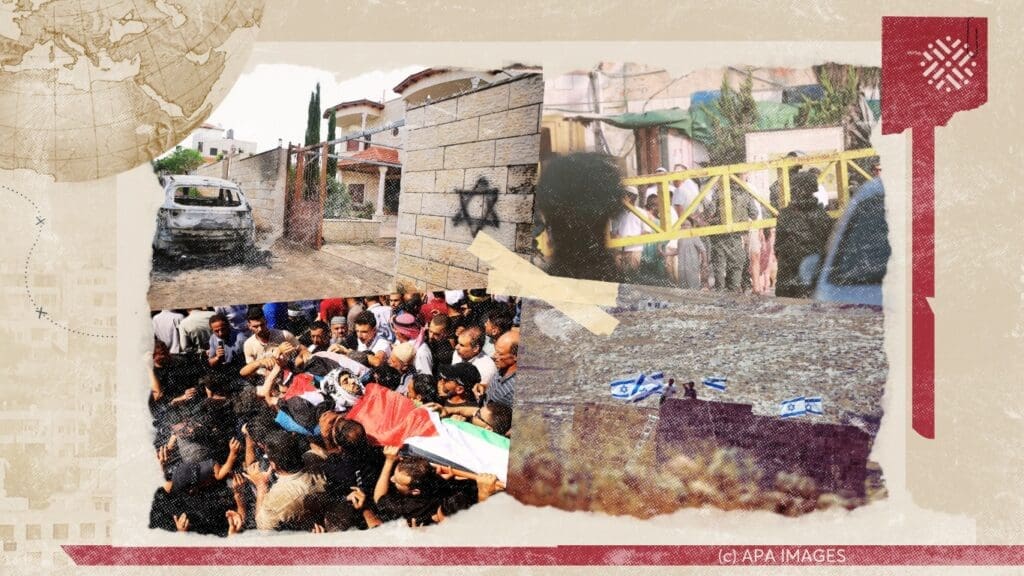
In this roundtable discussion, Dena Qaddumi and Jehad Abusalim examine the challenges and complexities of rebuilding Gaza amid the Israeli regime’s ongoing genocidal warfare. They explore the structural obstacles imposed by the continuing Israeli blockade, questioning the feasibility of meaningful reconstruction under settler-colonial occupation.  Analyzing Gaza’s repeated cycles of destruction and rebuilding, Qaddumi and Abusalim expose a long history of foreign intervention, profiteering, and the prioritization of high-visibility projects by international donors—practices that sideline Palestinians and strip them of agency. In contrast, the discussion highlights alternative Palestinian-led reconstruction models that prioritize indigenous knowledge and local needs, ensuring the preservation of Gaza’s identity, heritage, and self-determination.
 Politics
In this policy lab, Dena Qaddumi and Jehad Abusalim join host Tariq Kenney-Shawa to discuss what the ceasefire in Gaza means for Palestinians and the state of the physical and political landscape that determines what comes next.
 Refugees
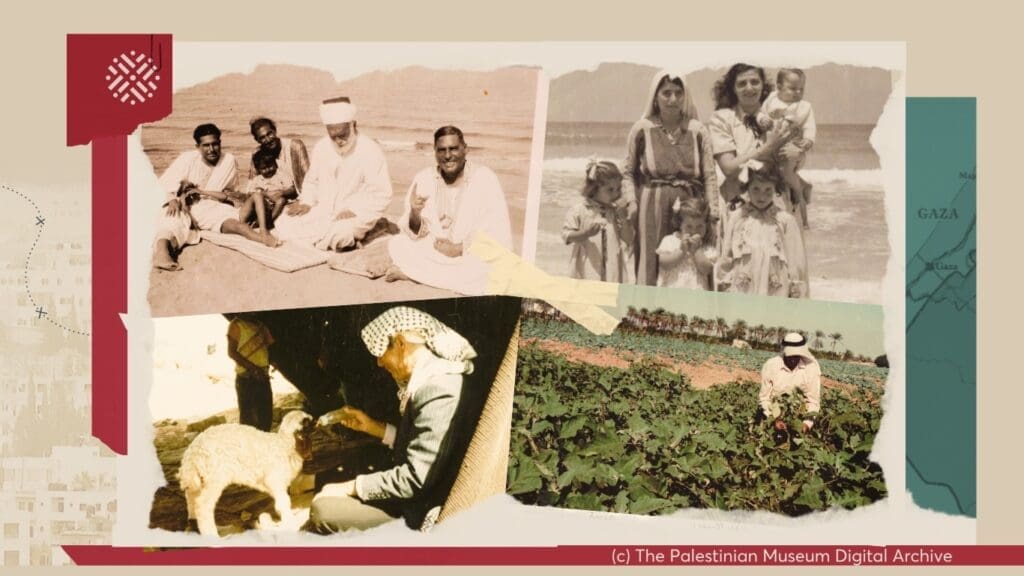
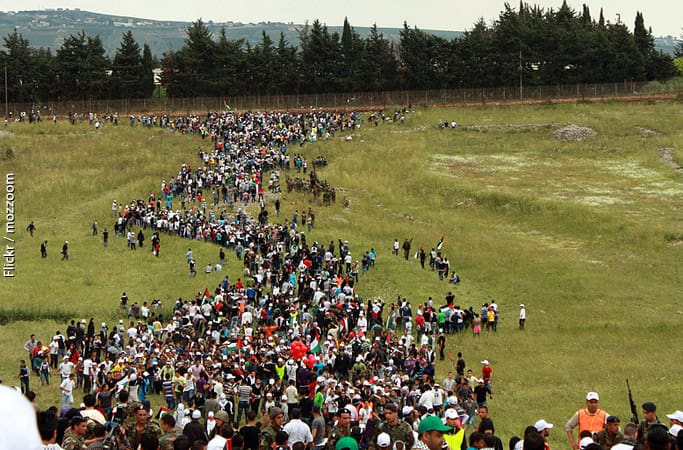
Palestinians must themselves be the agents of their return. Some civil society campaigns are contributing to achieving return, such as the boycott, divestment and sanctions (BDS) movement and legal actions. But for real progress the internal obstacles to return must be addressed, including the lack of a consensus on how to achieve Palestinian self-determination. These are among the key points raised in this roundtable organized by Al-Shabaka’s Policy Circle on Return.
 Refugees
Two discourses have dominated the return of Palestinian refugees over the past two decades. The first – fuelled by the Oslo process – understands return through a lens of realpolitik: Any implementation of Palestinian return must conform to the demographic, economic and political will of the Israeli establishment.