

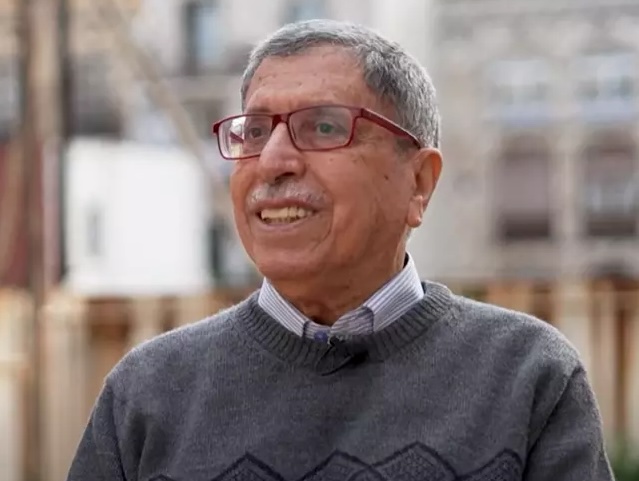
Jaber Suleiman is an independent researcher/consultant in Refugee Studies. Since 2011, he has been working as a consultant and coordinator for the Lebanese Palestinian Dialogue Forum at the Common Space Initiative, UNDP Support Project on Consensus Building, and Civil Peace in Lebanon. Between 2007 and 2010, he worked as a consultant for the Palestinian program of UNICEF in Palestinian refugee camps of Lebanon. He was a Visiting Study Fellow at the Refugee Studies Program, University of Oxford. He is also a co-founder of Aidoun Group & the Centre for Refugee Rights/Aidoun, and has written several studies dealing with Palestinian refugees and the right of return.
From this author
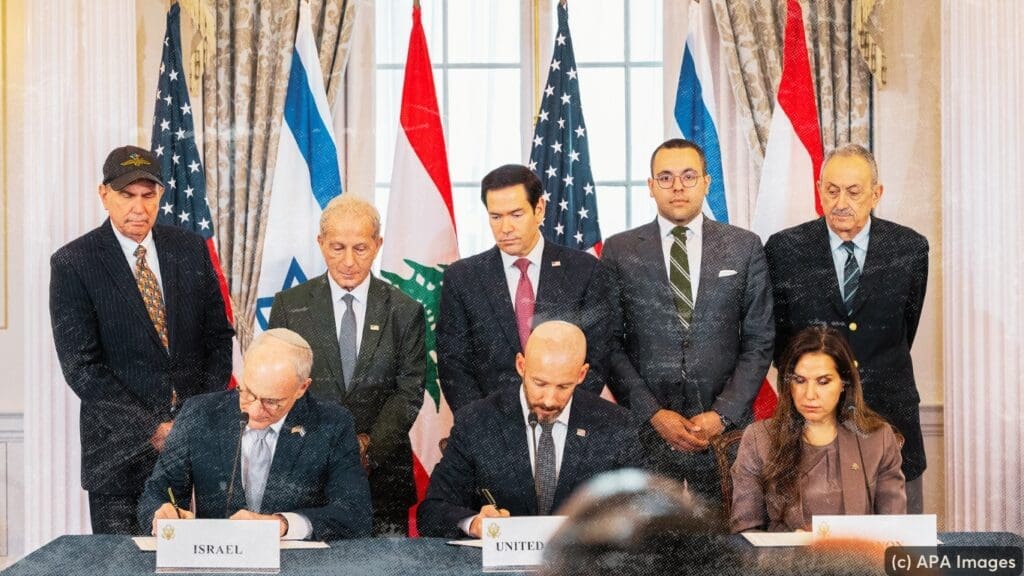
On June 26, 2026, Lebanon, the US, and the Israeli regime signed a Trilateral Framework against the backdrop of fierce military attacks on Lebanon and the invasion of its south. This aggression was part of the broader US-Israeli regional assault that also devastated Iran, Syria, and Palestine, upending the geopolitical order.
In this commentary, we speak with Al-Shabaka policy analyst Jaber Suleiman, who examines pivotal questions about this framework agreement and its implications for Palestinian refugees in Lebanon and the liberation struggle more broadly. He emphasizes the grave implications of this agreement, as it makes Israeli withdrawal from Lebanese territory conditional on the disarmament of Hezbollah, thereby holding the resistance factions and the Lebanese state responsible for ending the war and the occupation, while absolving Israel of accountability.

Jaber Suleiman· Oct 14, 2026
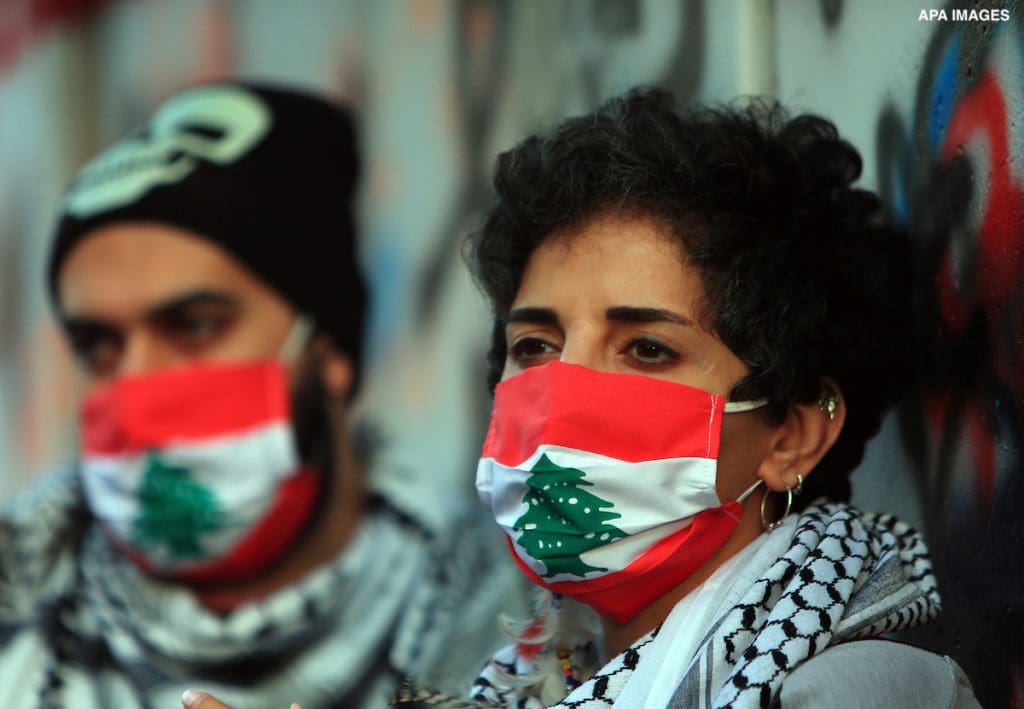
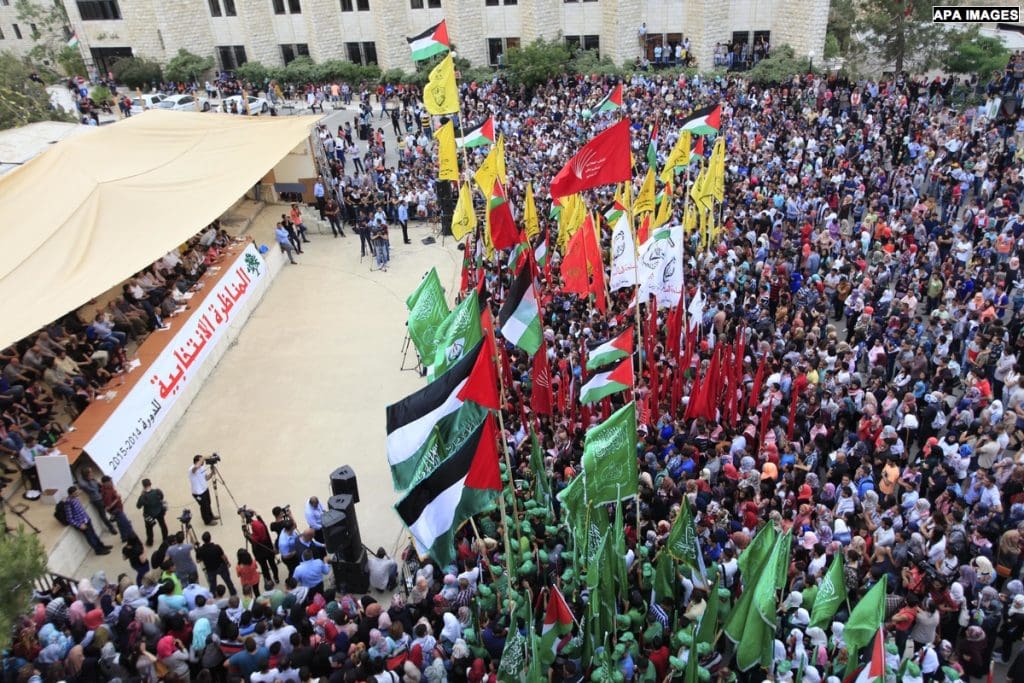
Lebanese officials have revived calls to disarm Palestinian factions inside refugee camps, presenting it as part of efforts to curb “illicit weapons” and reinforce state sovereignty. Yet for many Palestinians and regional observers, the refugee-camp disarmament initiative signifies an attempt to recalibrate the region’s security landscape. It also revives traumatic collective memories of earlier disarmament campaigns that left camps exposed to massacres.


Consensus-building can be a long and challenging process that requires all stakeholders involved to be committed to reaching an agreement. In the case of the Palestinian liberation project, achieving consensus among the forcibly fragmented Palestinian people is both particularly difficult and of critical importance in order to create a united national movement.

Jaber Suleiman· Jul 18, 2023
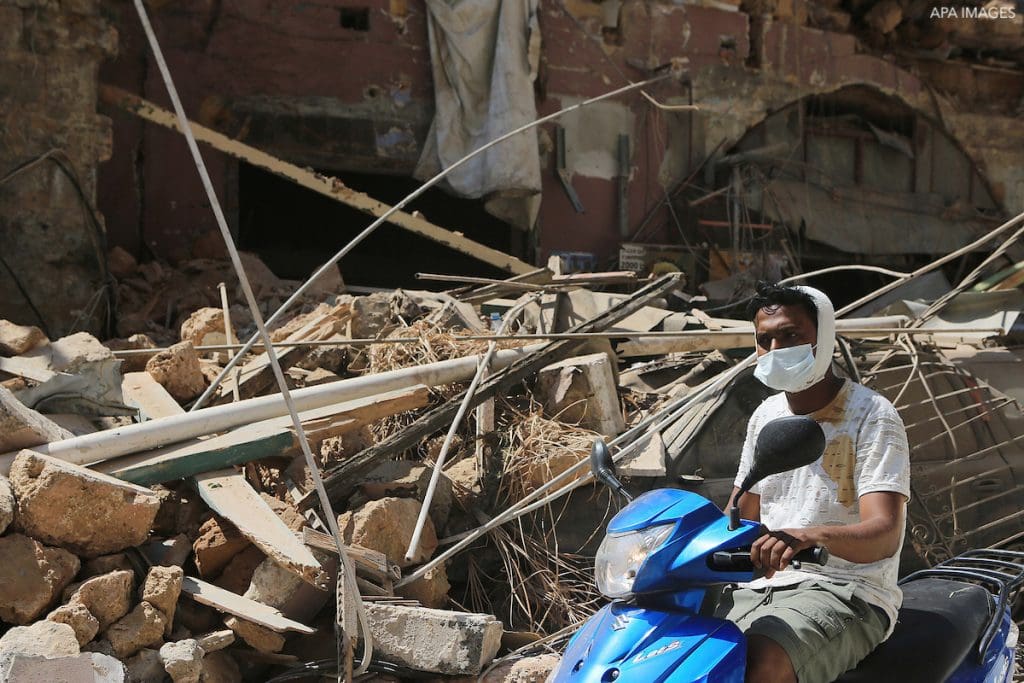
The disastrous explosion that struck Beirut’s port on August 4, 2020, greatly exacerbated the impact of the COVID-19 pandemic, which followed on the heels of the severe financial crisis that had led to massive popular protests in late 2019. The Lebanese economy is now in almost total collapse with the value of the national currency plummeting by 80% and more than half the population living under the poverty line. This policy memo discusses the effect of this multilayered crisis on the Palestinian refugees in Lebanon, the oldest refugee community in the country. Specifically, it examines their coping strategies and addresses the question of responsibility to mitigate the consequences of this crisis on refugees.

Jaber Suleiman· Sep 29, 2020
Though US President Donald Trump’s “Deal of the Century” largely does not change conditions on the ground for Palestinians, it helps legitimize the Israeli colonial project, which continues apace despite the COVID-19 pandemic. Al-Shabaka analysts from around the globe weigh in on the repercussions of the deal where they live and offer steps to counter them.


+
November 2, 2017 marks the 100th anniversary of the Balfour Declaration, the British statement that paved the way for the state of Israel. Were there any points during the past century when the Palestinians could have influenced the course of events for a different trajectory? Al-Shabaka’s historians and analysts identify six forks in the road where things might have gone differently, and draw lessons for the future.
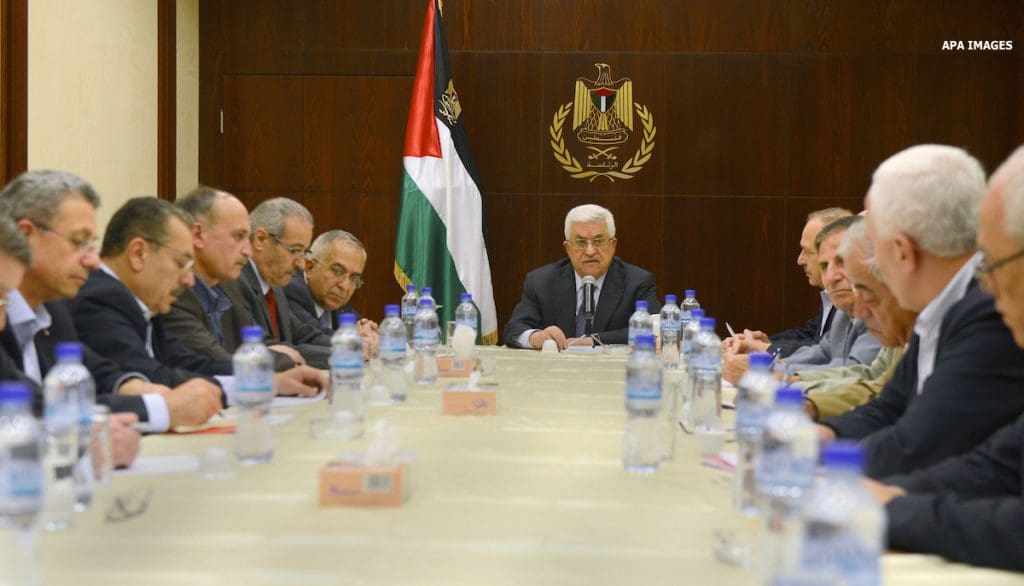
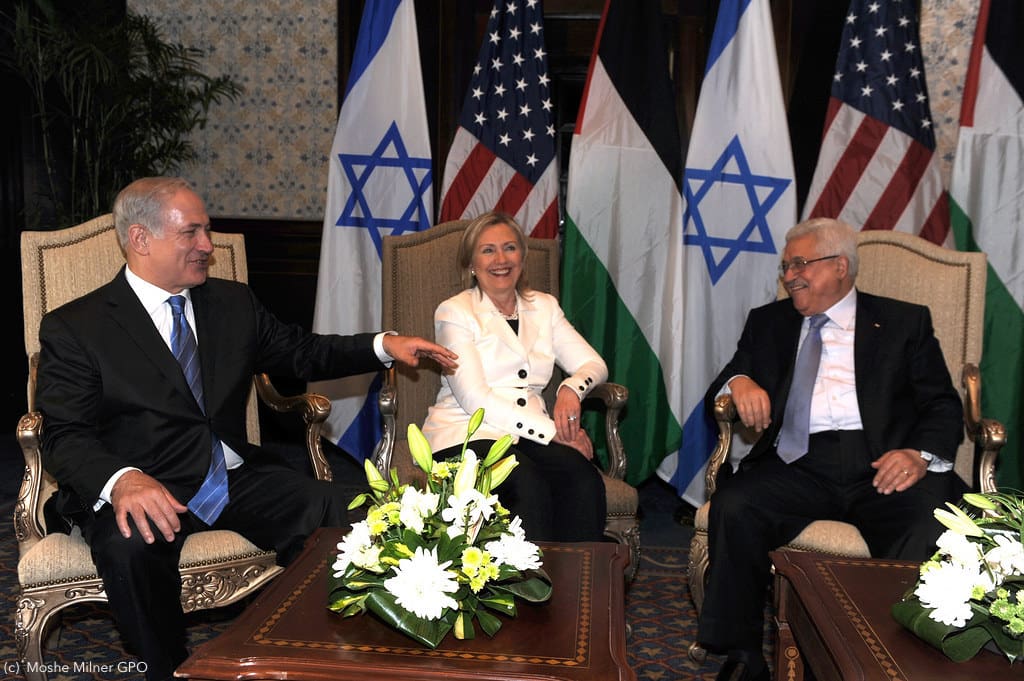
A Palestinian leadership vacuum looms due to the ill health of the secretary general of the Palestine Liberation Organization (PLO), Saeb Erekat, and the frailty of the Palestinian Authority (PA) President Mahmoud Abbas, who also heads the PLO and its main constituent party Fatah.
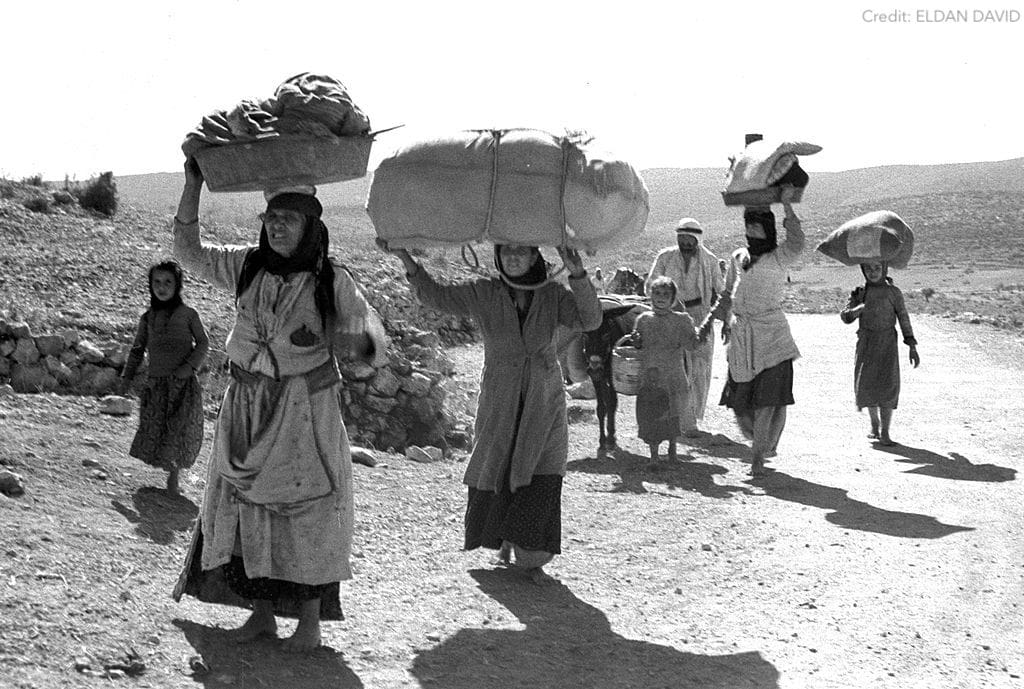
This collection of some of the most compelling pieces Al-Shabaka has published contextualizes and discusses the unique difficulties of Palestinian refugees displaced across the Middle East – from becoming refugees a second or third time due to the ongoing Syrian civil war to over-researching camps “famous” for tragedy while under-researching other refugee situations and exile communities.
With the election of Donald Trump, Israel believes it is free to do what it likes in the Occupied Palestinian Territory, making a difficult Palestinian leadership transition much harder. Al-Shabaka policy analysts examine different scenarios and propose alternatives ranging from consolidating the state to a struggle for the rights of the Palestinian people as a whole.
Palestinian parties remain entrenched in the political system despite their splits and weaknesses. What role can they play within - or outside - the PLO and what other avenues exist for national or local leadership? While some Al-Shabaka policy analysts offer ideas beyond the current political set-up, others suggest ways to make the current structure work.