Collective Punishment: Israel's Strategy to Subdue Palestinian Resistance

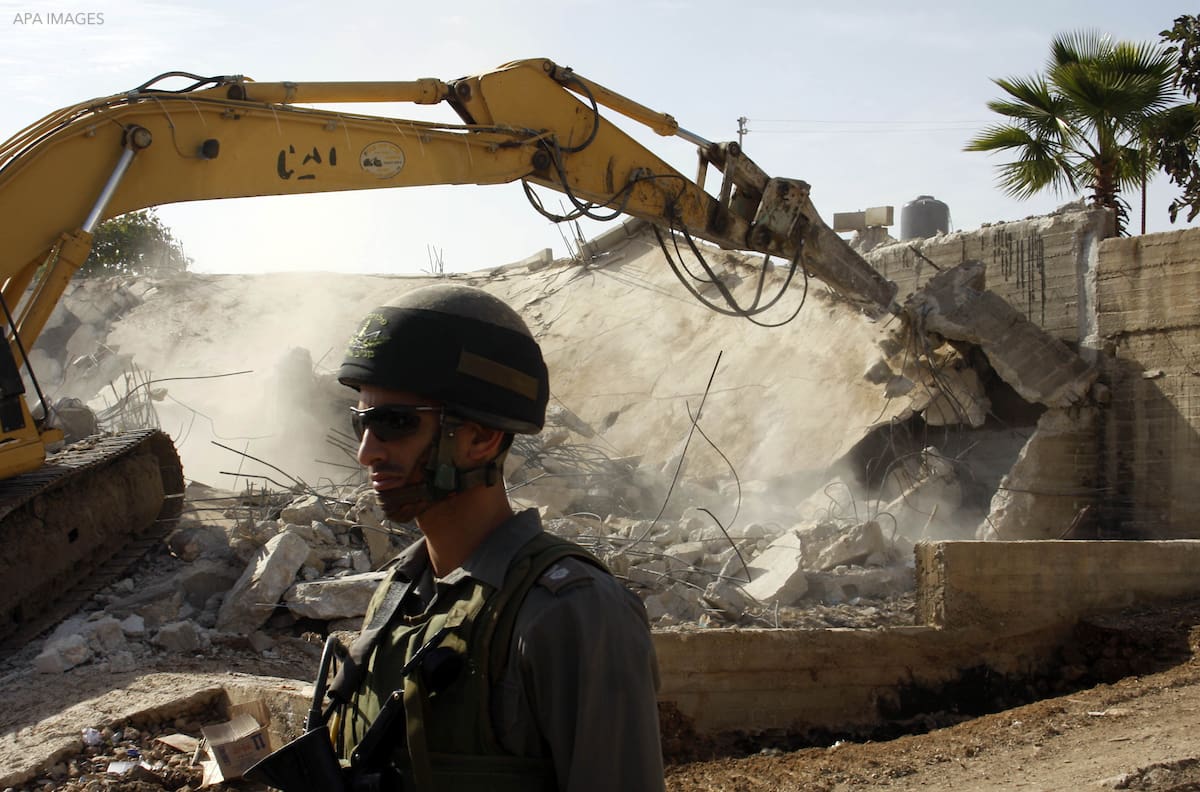
In his July 2020 report to the UN Human Rights Council, Special Rapporteur S. Michael Lynk asserts that “Israel continues to rely upon collective punishment as a prominent instrument in its coercive toolbox of population control.”

From home demolitions to the Gaza blockade to the withholding of Palestinian bodies, Israel wields collective punishment tactics to subjugate and suppress the Palestinian population. In this policy lab, Al-Shabaka analysts Nada Awad and Issam Younis discuss the toll of this strategy on the Palestinian people and how it fits into Israel’s broader system of apartheid.

* Unfortunately, this YouTube recording cuts off the initial 5 minutes of the policy lab. To view the discussion in full, please click here. 

Nada Awad is HRC Advocacy Coordinator at the International Service for Human Rights in Geneva. She previously worked as an international advocacy officer at the Cairo Institute for Human Rights Studies and as an advocacy officer at Al-Quds University’s Community Action Center, where she focused on Israeli punitive policies targeting Palestinian Jerusalemites. She also worked as an archival researcher at the Institute for Palestine Studies in Beirut. Nada holds a master’s degree in International Relations from Sciences Po Paris.
Issam Younis is a long-time human rights advocate. He is the Commissioner General of The Palestinian Independent Commission for Human Rights (ICHR). He is the president of the Arab Network of National Human Rights Institutions (ANNHRI). He is also a member of the Palestinian Higher Education Council.

Latest Analysis

 Refugees
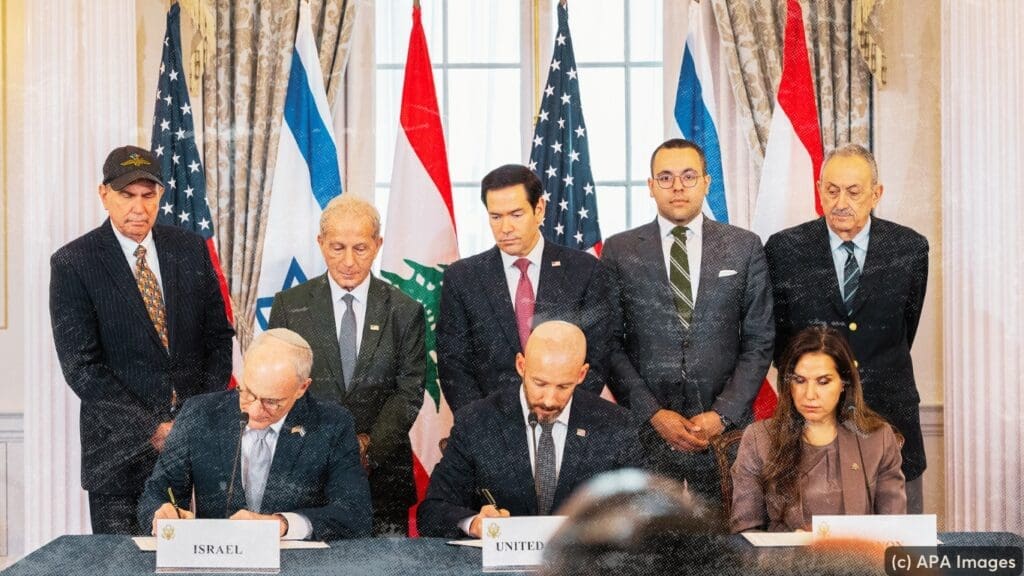
On June 26, 2026, Lebanon, the US, and the Israeli regime signed a Trilateral Framework against the backdrop of fierce military attacks on Lebanon and the invasion of its south. This aggression was part of the broader US-Israeli regional assault that also devastated Iran, Syria, and Palestine, upending the geopolitical order. In this commentary, we speak with Al-Shabaka policy analyst Jaber Suleiman, who examines pivotal questions about this framework agreement and its implications for Palestinian refugees in Lebanon and the liberation struggle more broadly. He emphasizes the grave implications of this agreement, as it makes Israeli withdrawal from Lebanese territory conditional on the disarmament of Hezbollah, thereby holding the resistance factions and the Lebanese state responsible for ending the war and the occupation, while absolving Israel of accountability.
Al-Shabaka Jaber Suleiman
Jaber Suleiman· Oct 14, 2026
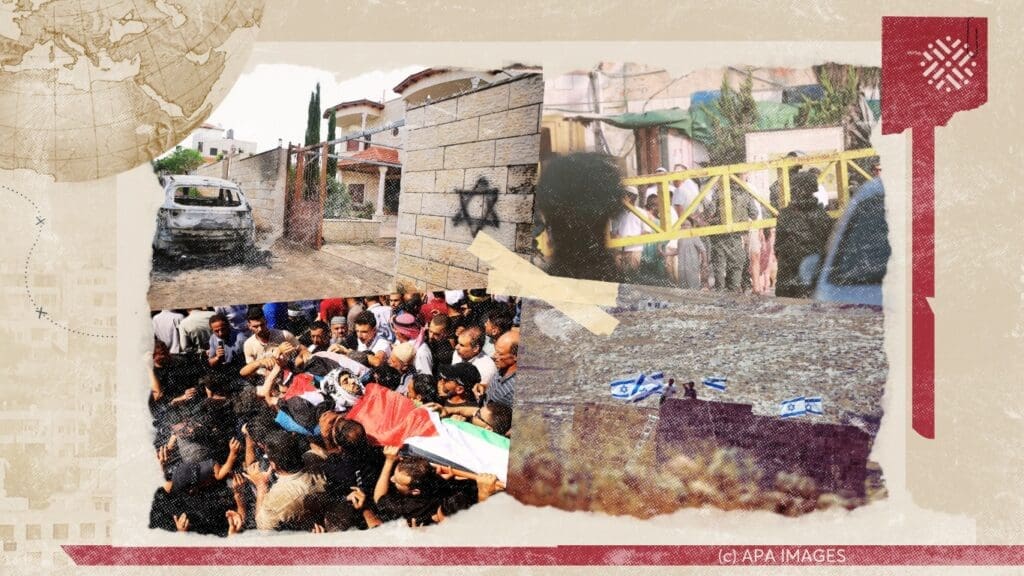
This Focus On engages with some of the most pressing aspects of this escalation in the West Bank since October 7, 2023. It features analyses by Al-Shabaka members and contributors that show how collective punishment of Palestinians has led to a collapse in access to food, healthcare, work, and education. The compilation also examines the Palestinian people’s resistance to the expansionist Israeli scorched-earth policy, and the political leadership’s complicity and failures.
 Politics
In this Policy Lab, Al-Shabaka analyst Amjad Iraqi joins host Tariq Kenney-Shawa to examine Israel’s electoral landscape, the limits of its so-called opposition camp, and what the election means for the future of the Palestinian struggle.
Al-Shabaka Amjad Iraqi
Amjad Iraqi· Sep 22, 2026